Serving Temple, TX & nearby
(254) 244-5184
Temple, TX

What Temple's 1967-2005 Housing Stock Means for Your Garage Door

Temple homes built between 1967 and 2005 carry original garage door hardware that wasn't made for Central Texas heat and cold snaps. Here's what to check.

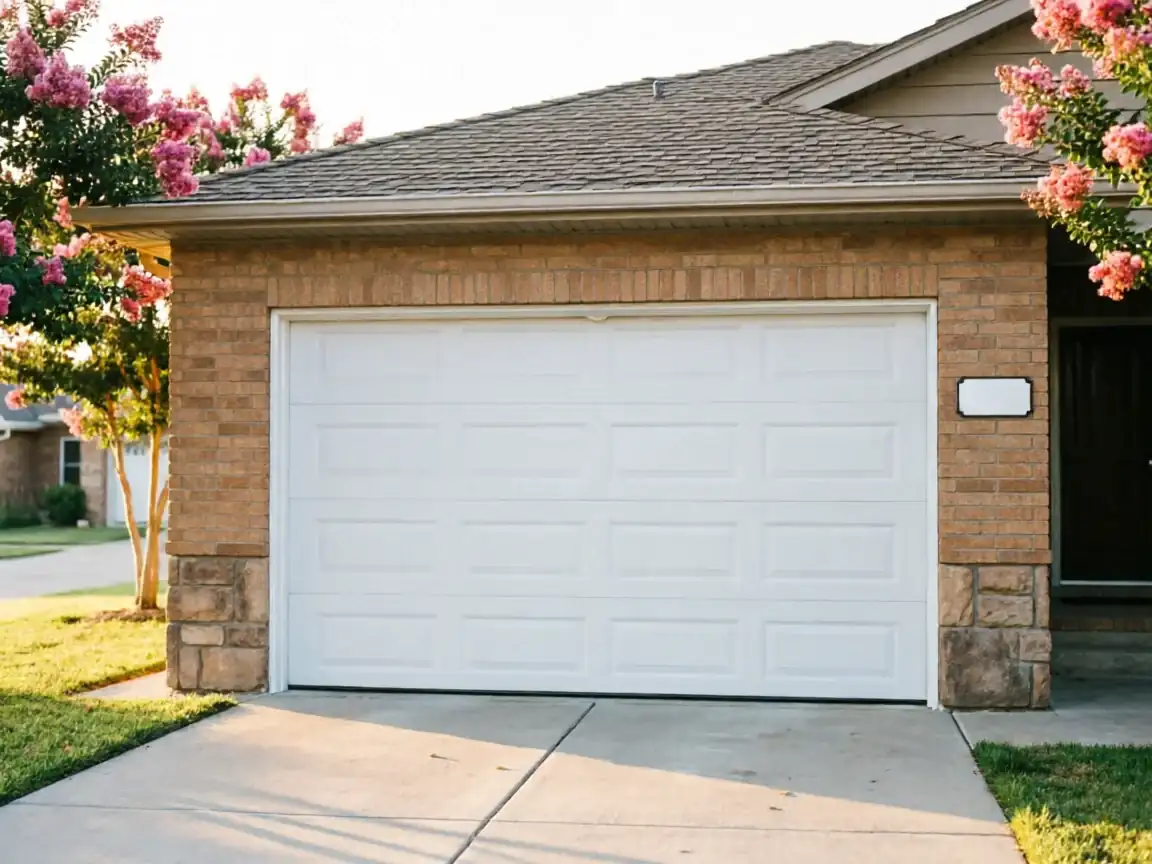
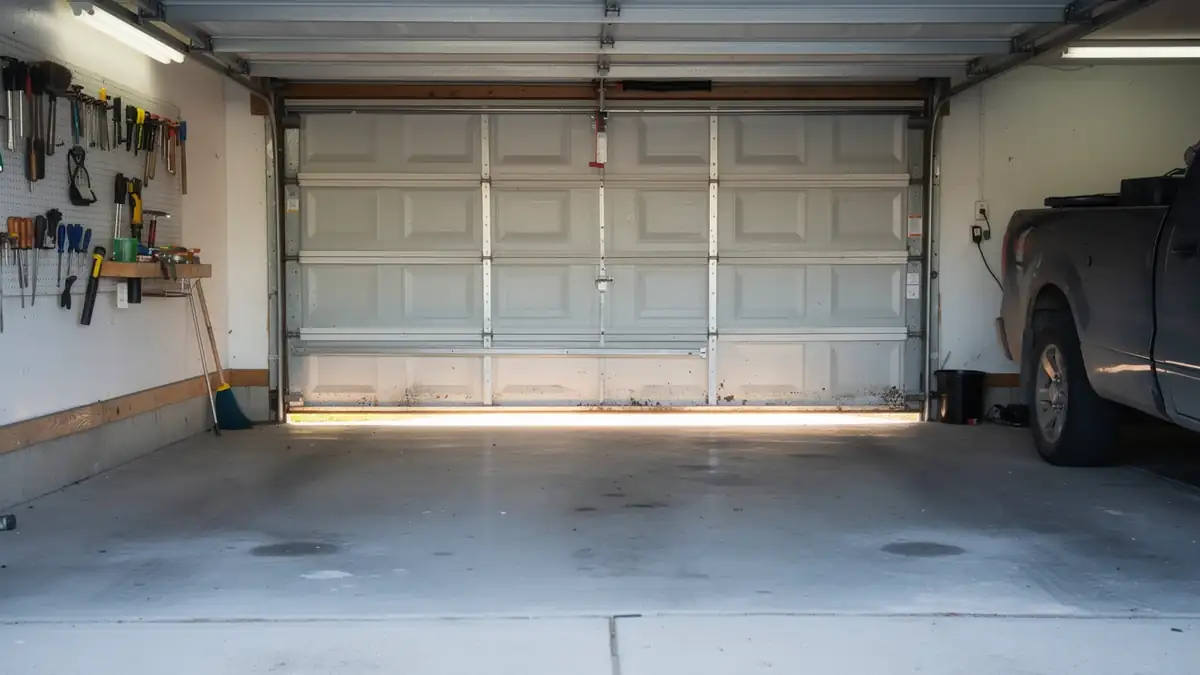
The white garage door is closed, with a truck parked on the right.

Season by Season

Temple sits in a mild climate band with occasional freeze days, not the deep-freeze winters you'd plan a door around and not the humid coastal swings either. That matters because most of the doors on Temple garages were installed when the house was built, and across this service area that means somewhere between 1967 and 2005 - a 38-year spread with the bulk of it landing in the 1980s and 90s. A door and opener from that window has already been through three decades of summer heat expanding the track bolts and a handful of freeze nights a year tightening the torsion spring just enough to throw off the balance. Spring and fall are when the swings are mildest, which is also when a sagging door or a grinding roller is easiest to catch before a hot July afternoon or a January cold snap turns it into a dead spring on a Saturday. We don't get the kind of hard freeze that cracks foundations or the kind of snow load that bends panels, so the wear here is slower and quieter - it shows up as a door that's a little heavier to lift by hand each year, not one that fails all at once.

What the Weather Here Does to It

A mild-with-occasional-freeze climate is easy to underestimate because nothing dramatic happens. But steel expands and contracts with every swing between a 100-degree afternoon and a 28-degree morning, and on a door installed when your house went up - anywhere from 1967 to 2005 - that cycle has repeated thousands of times on the same spring, the same hinges, the same track alignment. Houses from the earlier end of that range often have doors on houses built before insulation rules existed, meaning a single uninsulated steel panel that moves more with temperature than anything built after energy codes tightened. That movement loosens track bolts, dries out hinge pivots, and slowly throws torsion springs out of the calibration they had on day one. None of this is dramatic weather damage. It's accumulation. The honest limitation here: we can't tell you which exact year your door was installed without looking at it, since Temple's housing spans nearly four decades and a lot of doors have been replaced once already. What we can tell you is that a door old enough to have never been rebalanced is carrying more stress than it did the day it went in, freeze or no freeze.

What to Check

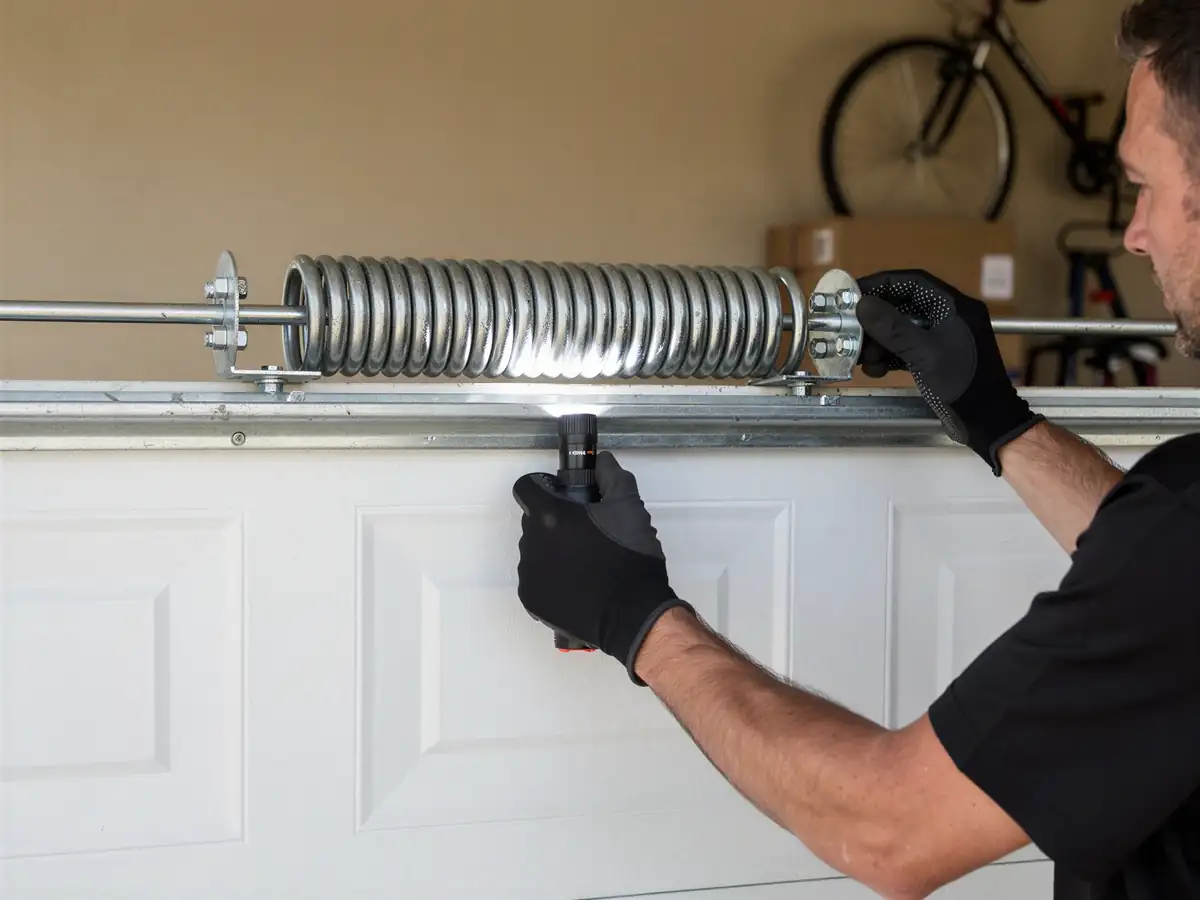
Start with the spring. If your house falls anywhere in that 1967-2005 build window and the torsion spring looks original - no second coat of paint, no manufacturer sticker from the last ten years - it's carrying decades of the freeze-thaw cycling this area gets every winter, and torsion springs don't give much warning before they let go. Next, check the opener. A lot of homes built in the 80s and 90s still run openers without rolling code security, which is less a safety issue than a sign the whole unit is past the age where parts are easy to find. Look at the track bolts where they meet the frame - on an older uninsulated steel door, seasonal expansion loosens these faster than people expect. Last, lift the door by hand with the opener disconnected. If it doesn't stay roughly where you leave it, the spring tension is off, full stop, and that's not a lubrication fix. We don't recommend DIY spring adjustment on any door from this era - the tension stored in an old torsion spring is enough to cause real injury, and that's one job worth the call.
The Situation

Temple's service area covers around 28,371 households, with roughly 13,737 of those in owner-occupied houses, and a median household income near $73,750 - a mix that includes a lot of original owners still living with the door that came with the house. The surrounding towns - Morgan's Point Resort five miles off, Belton at six, Troy at eight, Little River-Academy at nine, Nolanville and Salado both around thirteen, Moody at fourteen, Holland, Harker Heights, and Rogers at fifteen, Bruceville-Eddy sixteen miles out - sit on similar housing stock from the same building decades, so the same aging-spring, loosening-track pattern shows up across the area, not just in Temple proper. None of that means every door needs replacing. Plenty of doors from this era are still structurally sound and just need the hardware brought back into balance. But a door that's original to a house built in the 1970s or 80s is well past the point where routine lubrication solves much - at some point the honest answer is replacement, not another repair, and we'll tell you which one you're looking at before we start any work.

How it works

From “it’s stuck” to “it’s fixed”

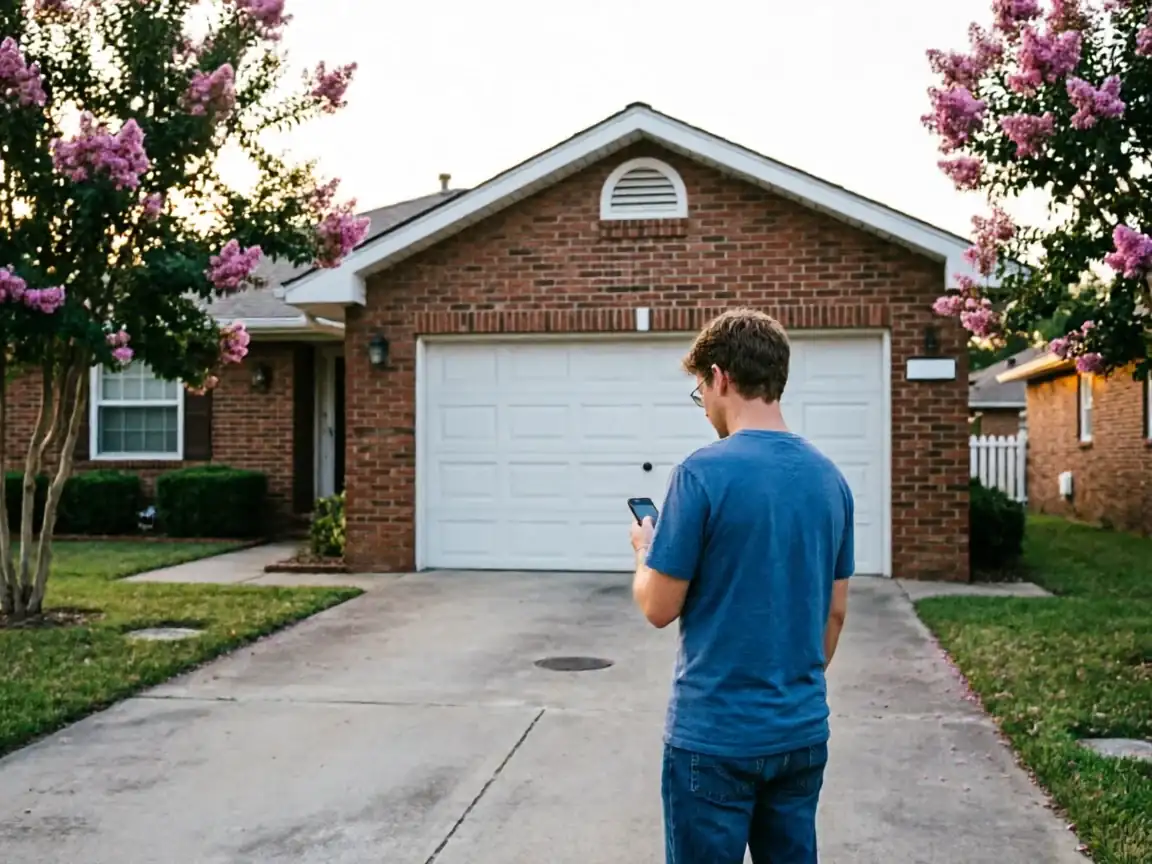
A man stands in a driveway looking at his phone in front of a house.
1

Tell us what’s wrong

Describe the symptom - won’t open, loud bang, opener runs but the door won’t move.

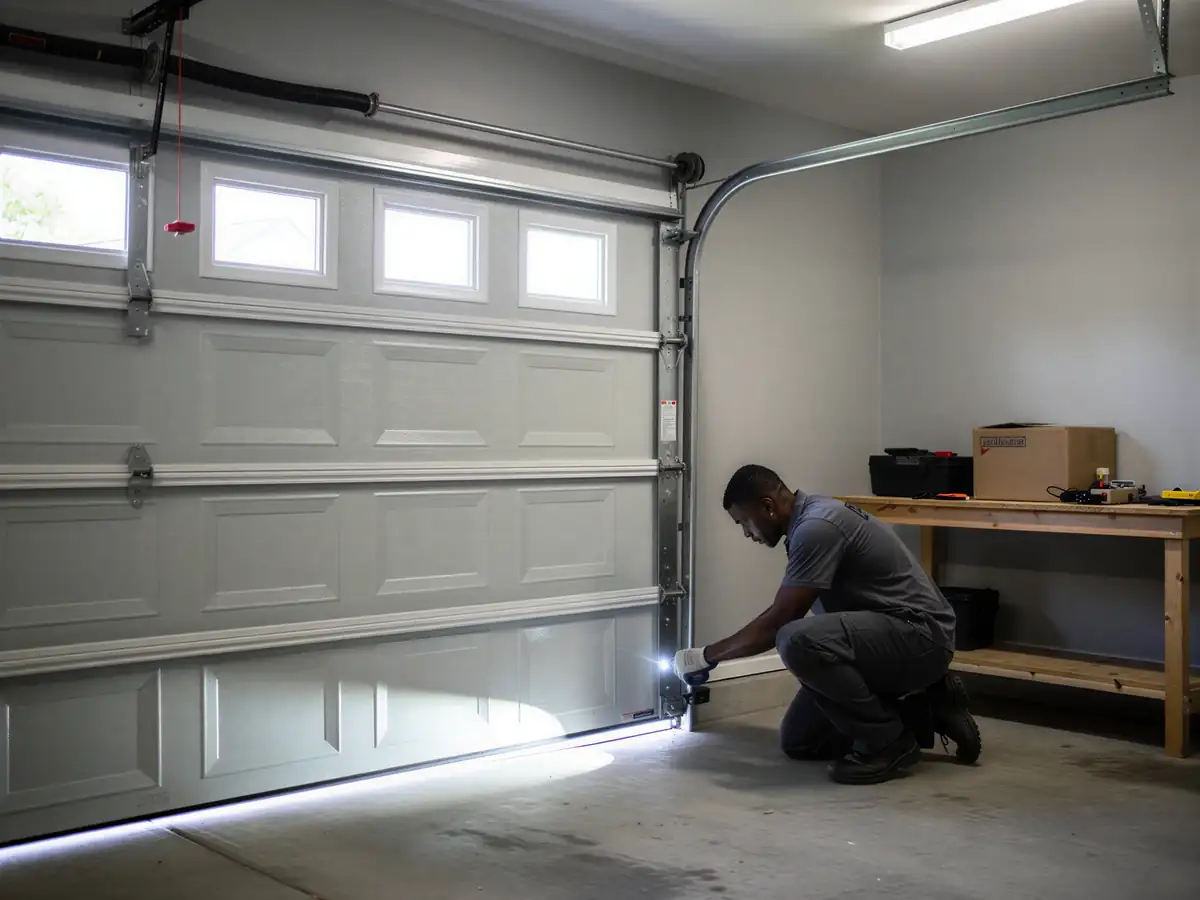
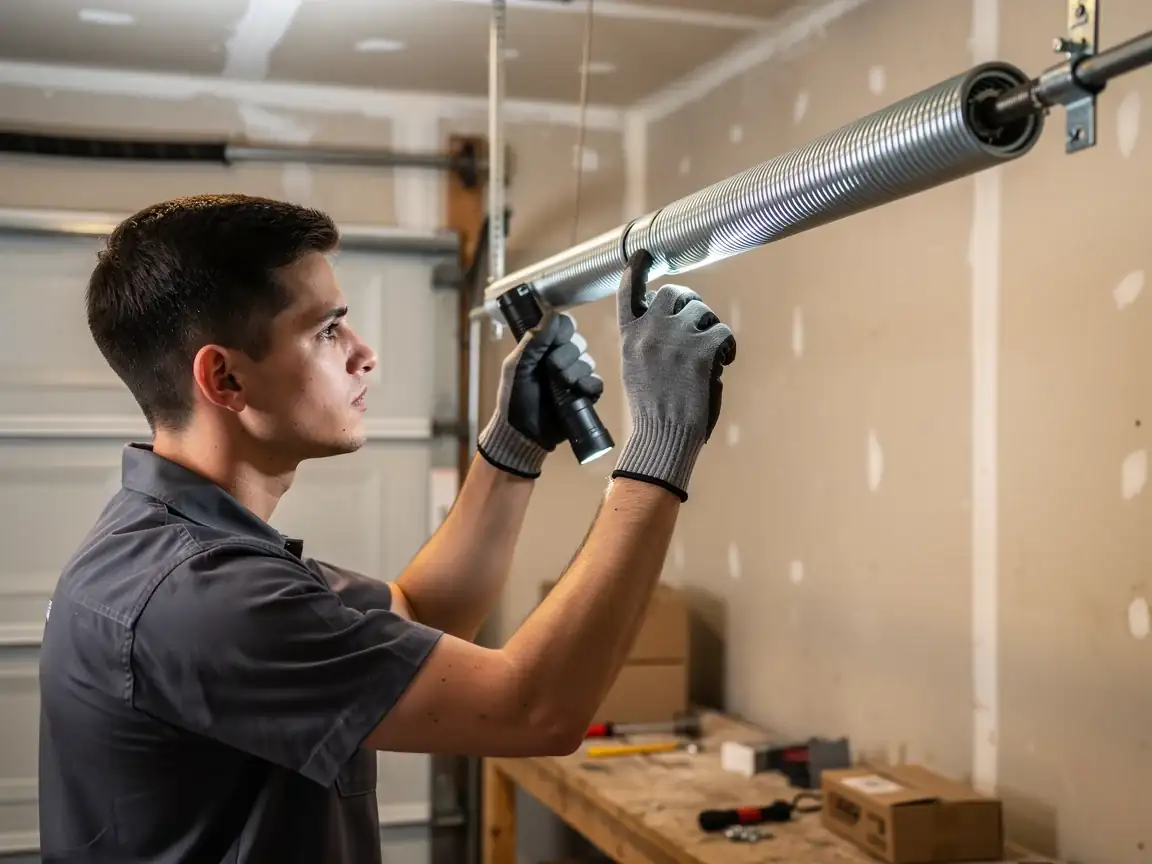
A technician in a gray shirt and gloves inspects a garage door torsion spring with a flashlight.
2

On-site diagnosis

A technician tests the door under power and by hand and finds what actually failed.

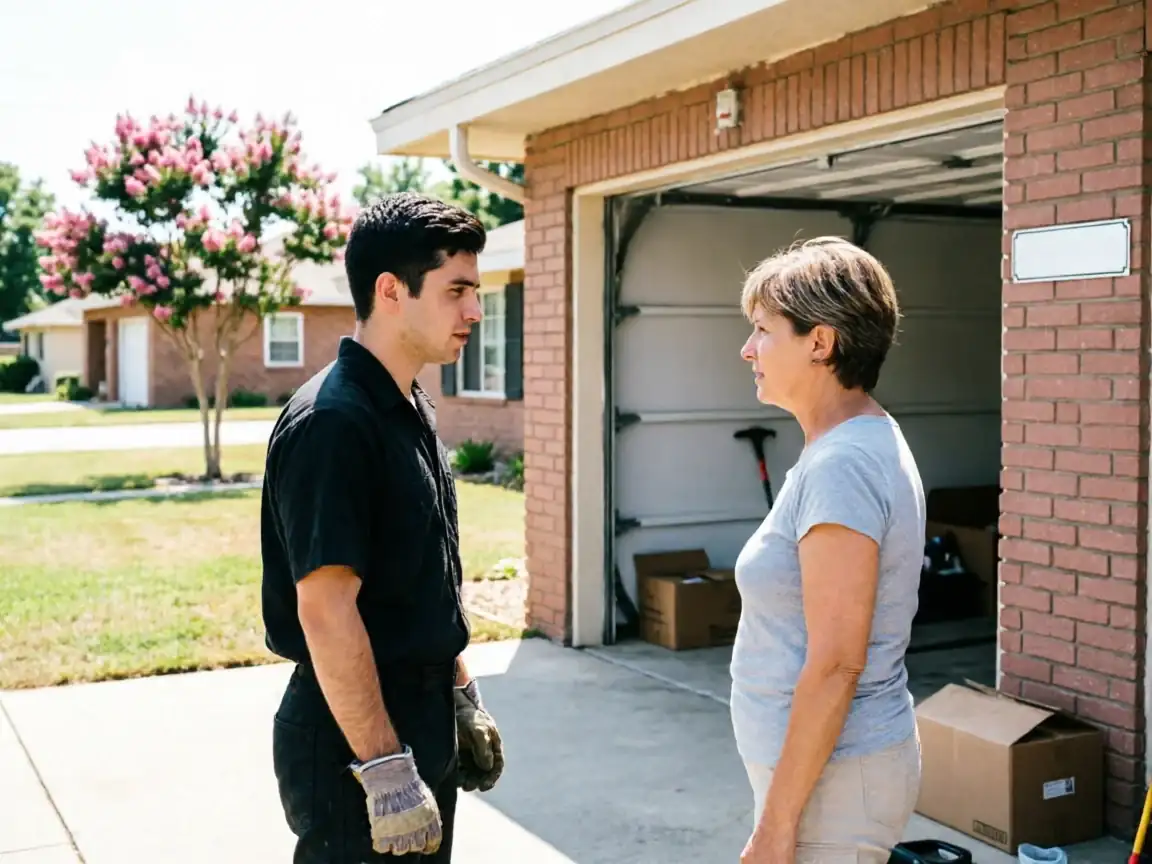
A technician and a woman stand facing each other in a driveway.
3

Clear, up-front plan

You get the fix that’s needed and what drives the cost - before any work starts.

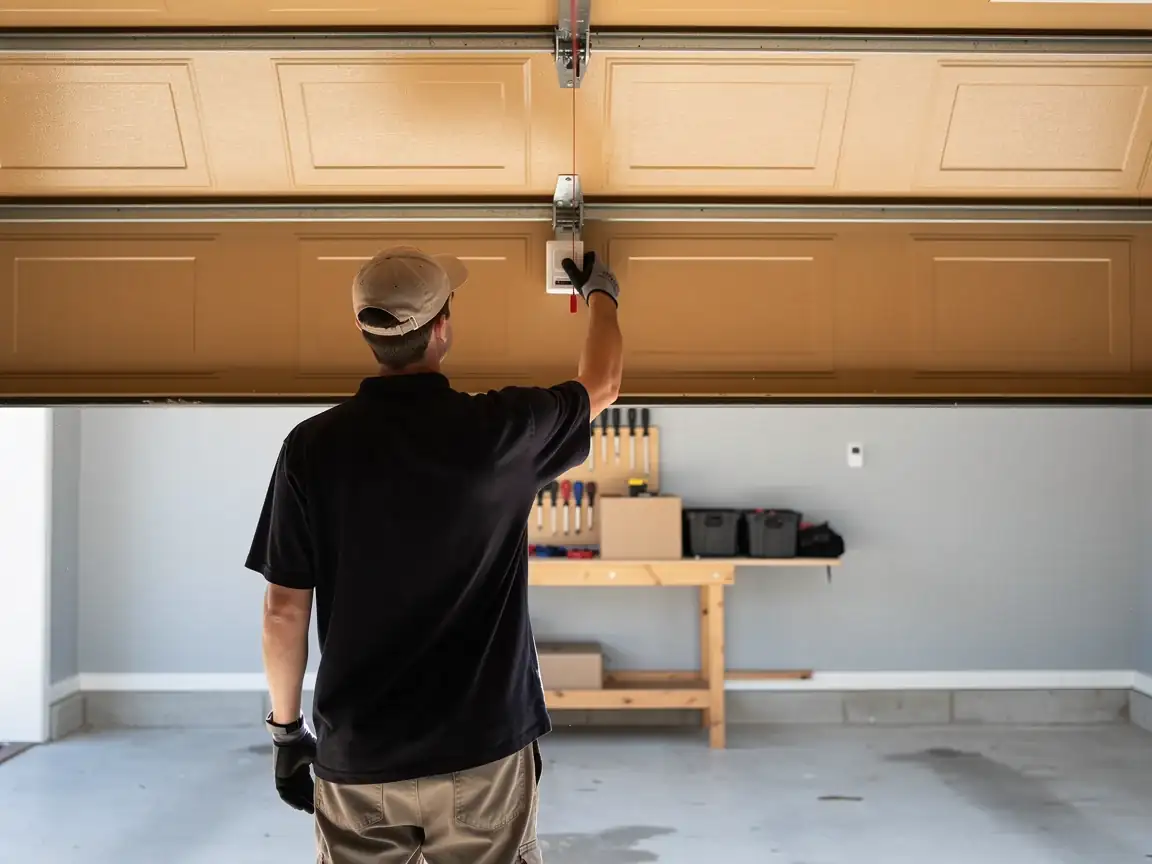
A technician in a cap and gloves adjusts a tan garage door.
4

Repaired & tested

The repair is done, the door is set true and tested, and the work area left clean.

Not sure which repair your door needs in Temple, TX? Describe what it’s doing - every job starts with a diagnosis.

How we work

What to expect

A straight, honest approach on every Temple job - diagnosis first, the right parts, and clean work.

01

Diagnosis first

Every visit starts by finding what actually failed - not a pre-written parts list.

02

The right part for the door

Springs and openers matched to the door’s weight and age, so the fix holds up.

03

Straight answers

When a repair makes more sense than a replacement - or the reverse - you hear it plainly.

04

Clean, careful work

Tension released safely, hardware set true, the door tested under power before we leave.

What we do

Garage Door Services

Repair and installation work for Temple homes and businesses.

Questions

Frequently asked

Straight answers about garage door repair in Temple. Still unsure? Ask us directly.

My house was built in the 80s - is the original door still safe to use?

It depends on condition, not just age. A lot of doors from that era are steel without insulation and have gone through decades of temperature swings on the same spring and hardware. If the balance is off or the spring shows wear, it's worth a look before you keep using it as-is.

Why does my garage door feel heavier in winter?

Cold tightens torsion springs slightly and can stiffen lubrication in the rollers and hinges, so a door that's already a little out of balance feels worse on a cold morning. It's usually not new damage - it's an existing issue the temperature is making more obvious.

Do older Temple homes need insulated doors?

Not necessarily for code reasons, but a lot of houses built before insulation standards tightened still have single-layer steel doors that move more with heat and cold. Whether it's worth upgrading depends on the garage's use and the door's current condition.

Ready to get your garage door sorted?

Tell us what it’s doing and where you are in Temple - we’ll take it from there.

Request a QuoteCall