How It Shows Up
The opener trouble we see most in this area starts small
The door hesitates before it moves, or the light on the unit blinks instead of running the motor. Sometimes it's a remote that worked yesterday and does nothing today, or a wall button that clicks but the chain drive never engages. A lot of owners call us after the door reverses halfway up for no reason they can point to.
In homes built in the 1980s and 90s
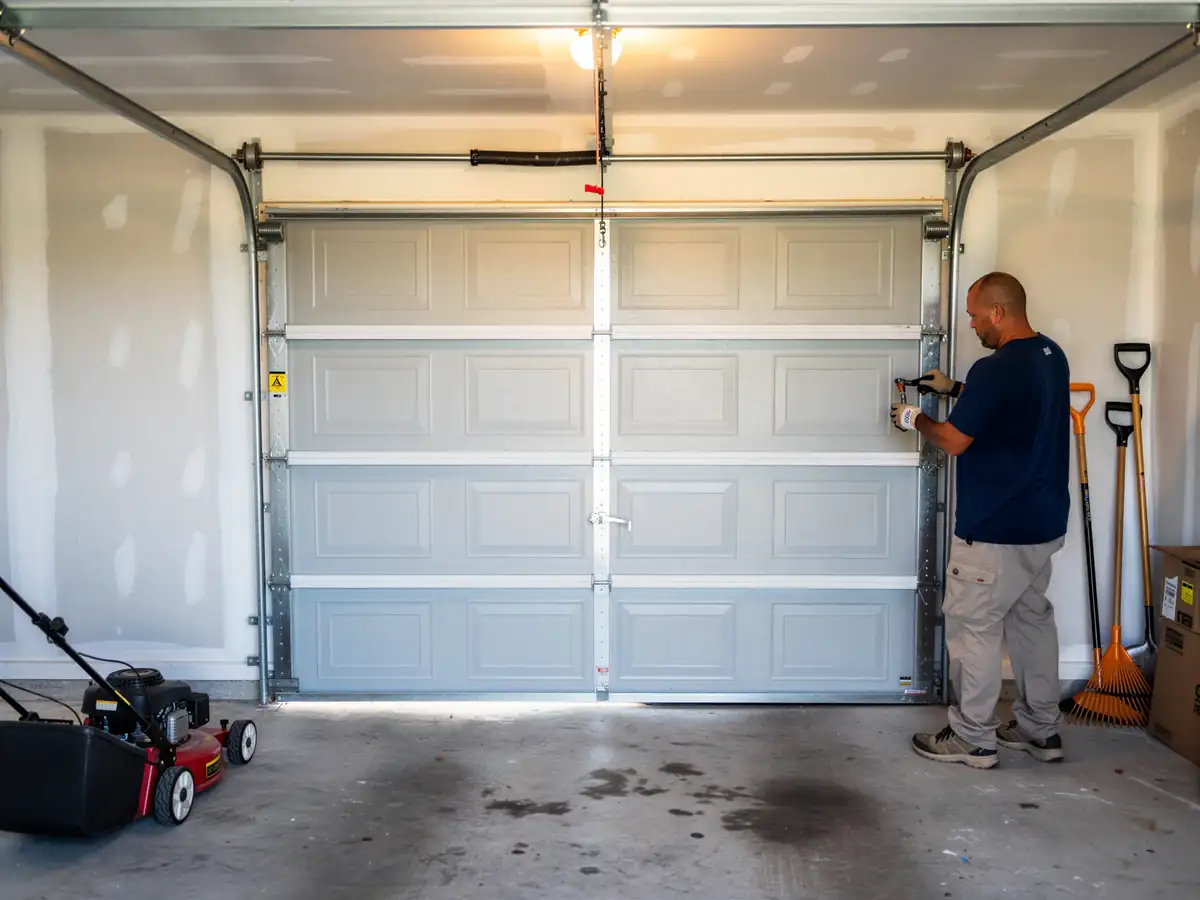
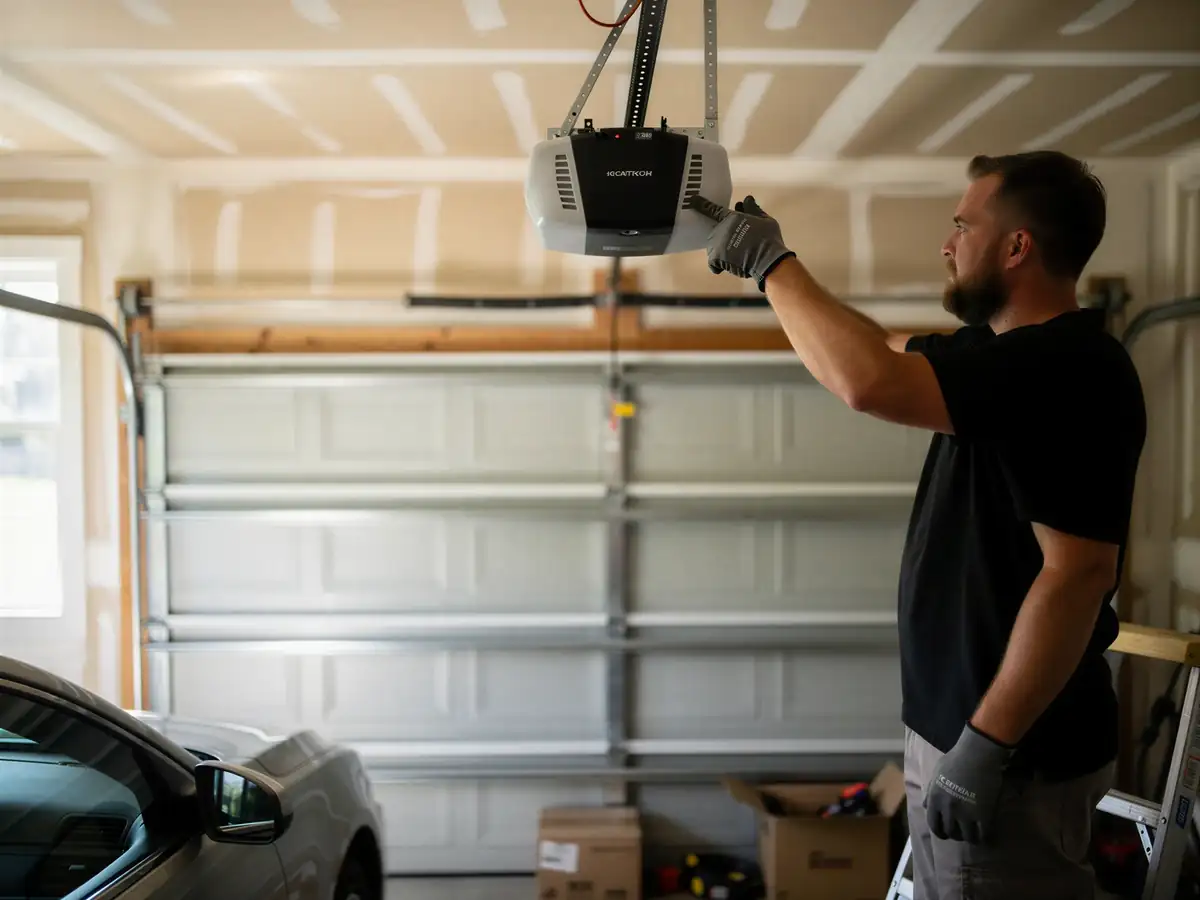
Which covers most of the eleven named areas in this service territory - the opener itself has often been swapped once already, but the mounting bracket, the travel limit switches, and the drive rail are original to a different unit. That mismatch is where a lot of the intermittent behavior comes from. The new motor head is fine. What's underneath it is thirty-plus years old and was never meant to pair with it.
Other times the fault is simpler
A capacitor going weak in the motor, or a logic board that's taken enough small voltage spikes over the years that it's started dropping commands. None of this is dramatic. It shows up as a door that used to be reliable and now just isn't, a little more each month.
Why This Fails Locally
Housing across this service area was mostly built between 1967 and 2005, with the median landing around 1991 - and most of it clusters in that 1980s-90s stretch. That matters for openers specifically because it's the era when chain-drive units with steel rail sections were standard, and a huge share of those original motor heads have already failed and been replaced at least once, often with a unit sized or wired for a different rail length than what's on the ceiling.
The climate here is mild with occasional freeze, not the big swings that wear out seals and lubricant the way a harsher climate would. So the opener motor itself tends to outlast its wiring and its sensors. What actually fails first is usually the safety eye alignment, the logic board's tolerance for small power fluctuations, or a drive gear that's been running dry because nobody's greased the rail since the Clinton administration.
This is a service-area pattern, not a one-town story - it plays out the same way whether the house is near Belton, Nolanville, or anywhere else on this list, because the housing age and climate band are shared across all of it.
Doing It Yourself
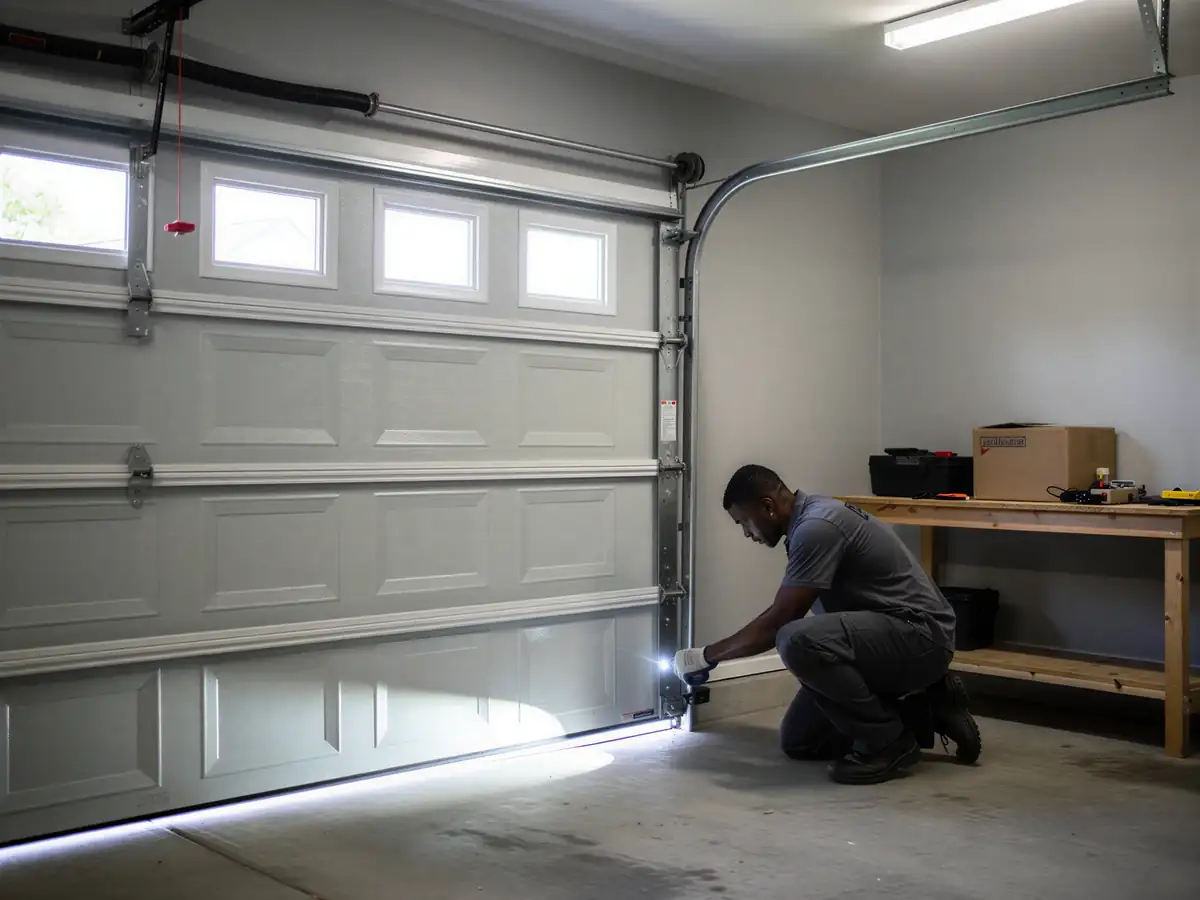
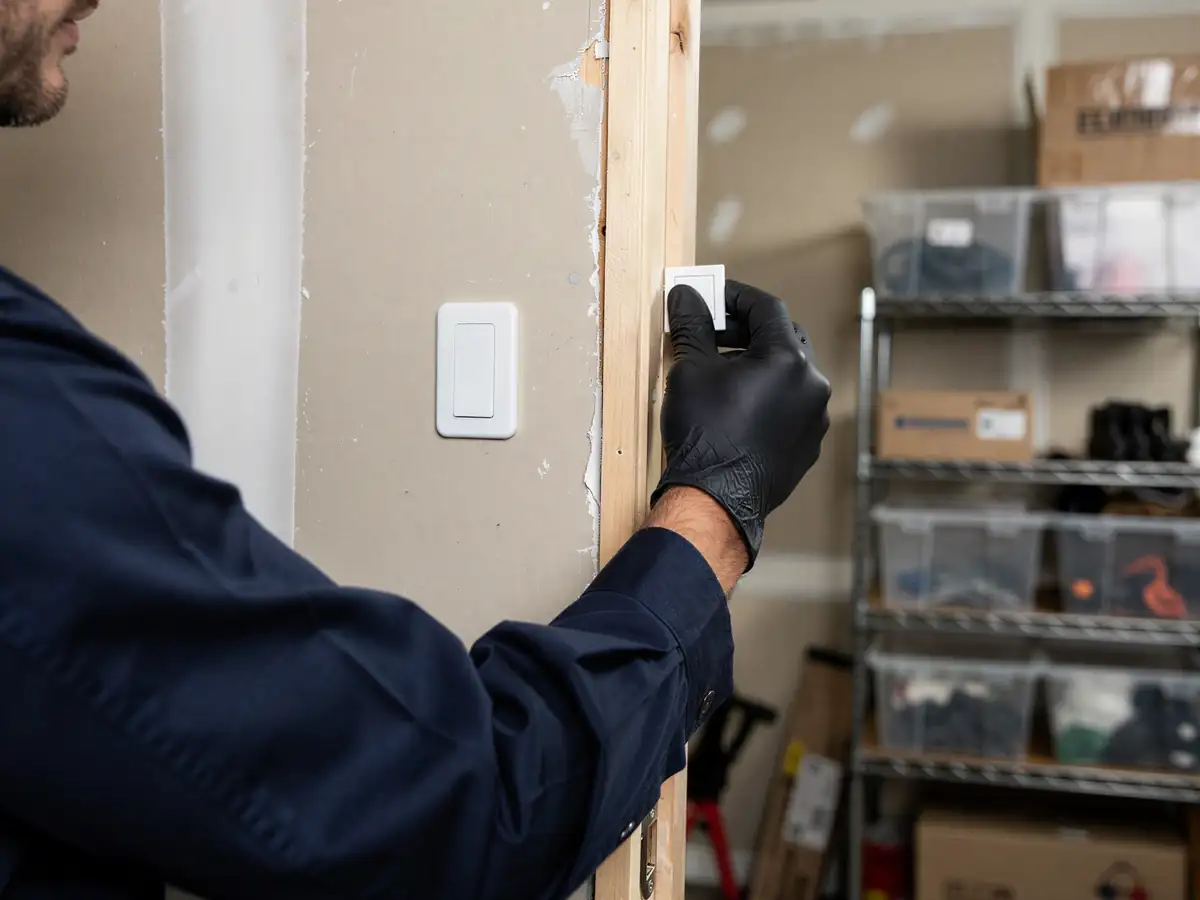
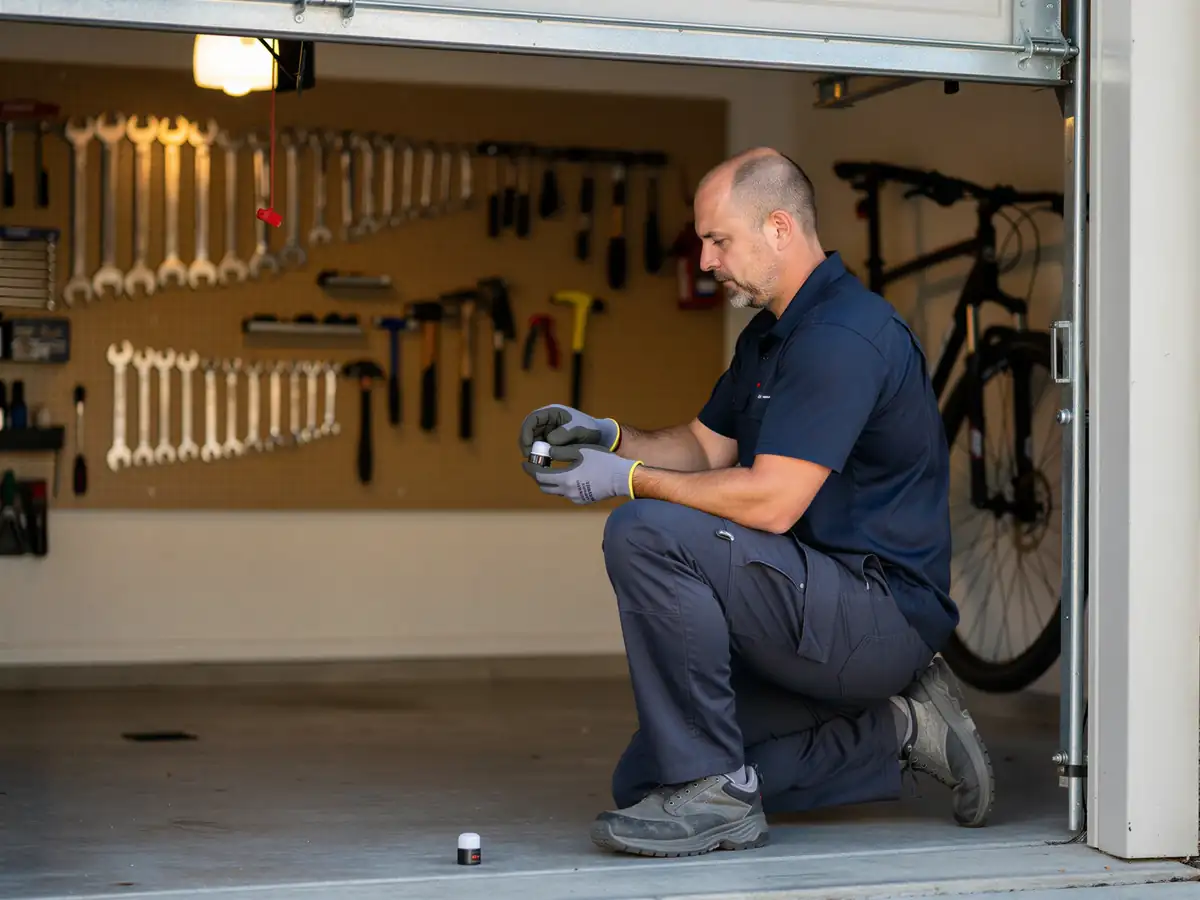
Some of this you can rule out yourself before calling anyone. Check that the safety sensors near the floor are aimed at each other and the little LED on each one is solid, not blinking - a knocked-out-of-alignment sensor is the single most common reason a door reverses or won't close, and it's a five-minute fix with no tools. Check the wall button wiring where it enters the unit; rodents and years of vacuuming around it loosen that connection more than people expect.
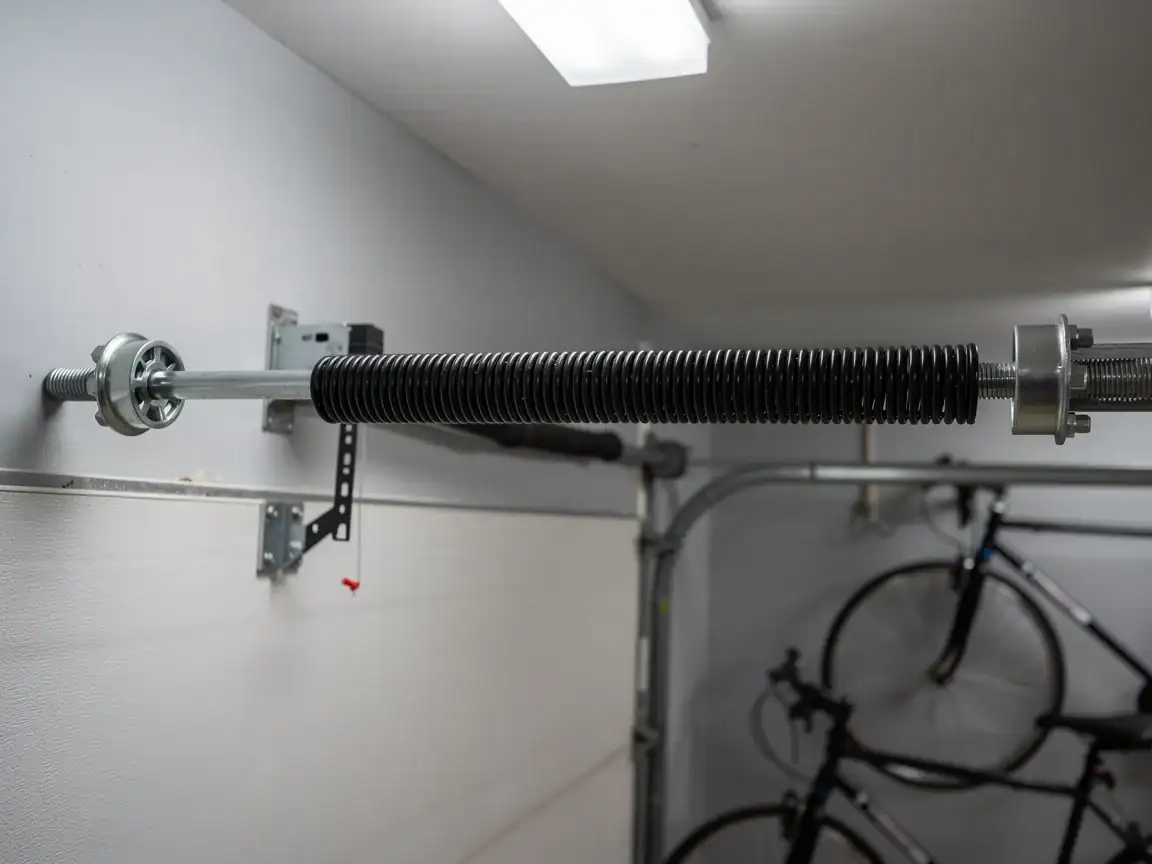
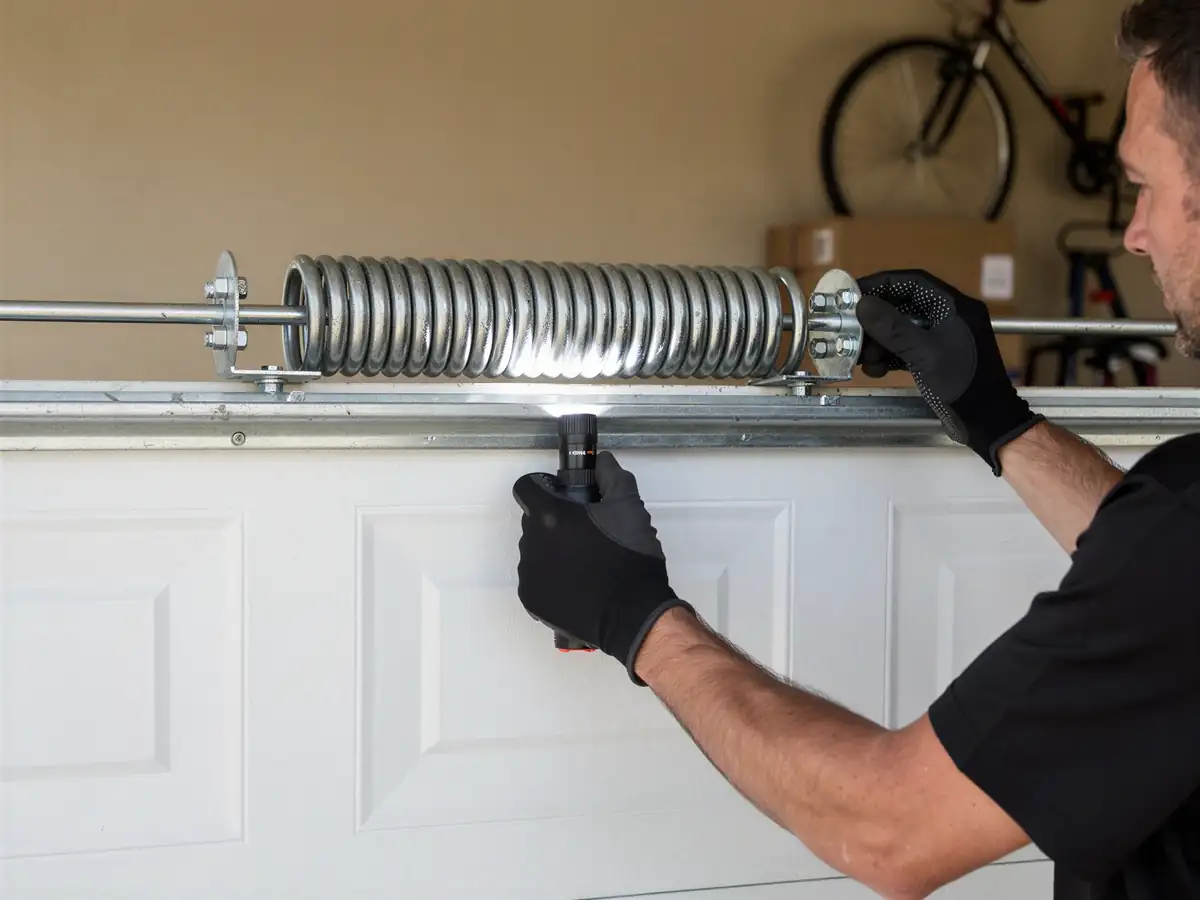
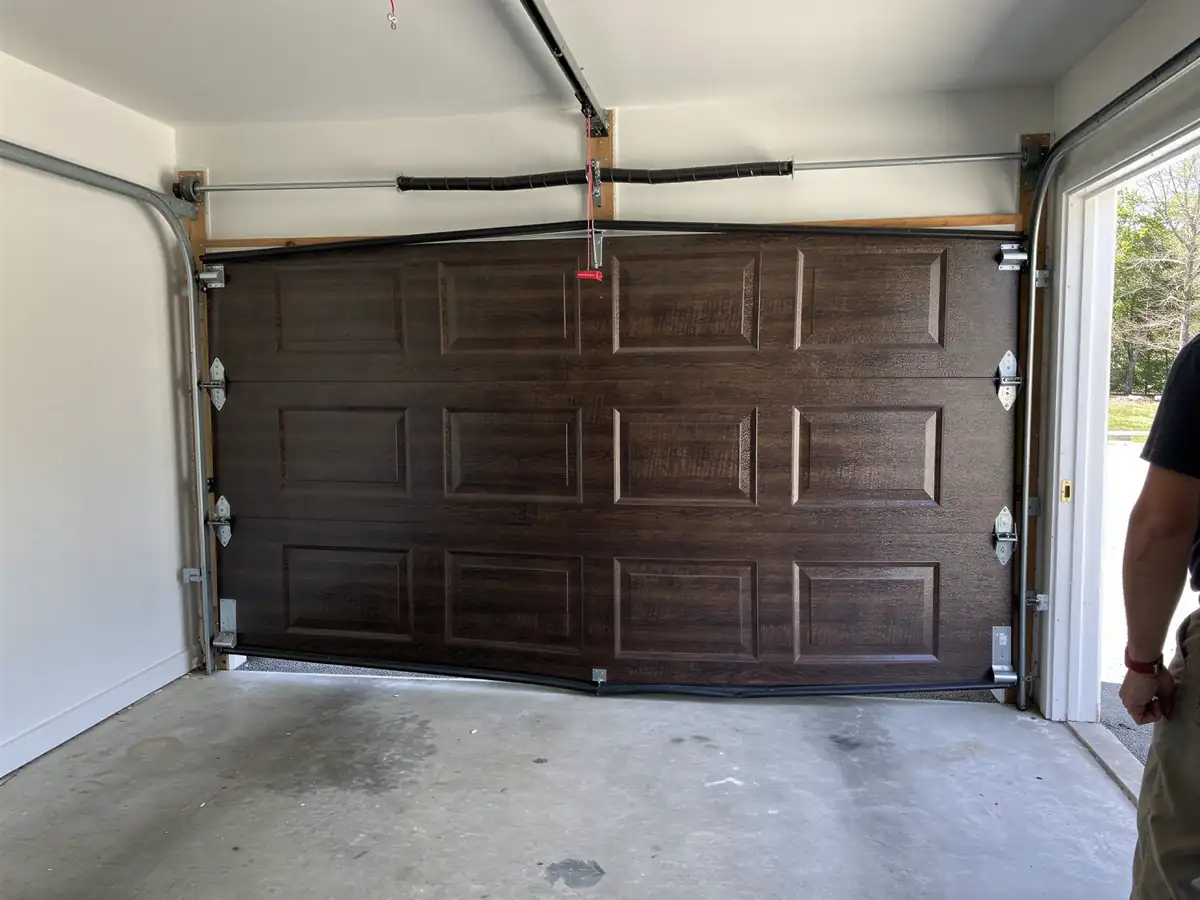
If the opener runs but the door doesn't move, or moves then stops, that's usually mechanical - a spring or cable problem, not the opener - and that's not a DIY repair. Guessing at travel limits or force settings on an opener you don't fully understand can mask a bigger problem rather than fix it, and on a chain-drive unit from this era, forcing it past where it wants to stop is how people get hurt.
We'll say this plainly: if your opener is original to a mid-80s or 90s build and the logic board is the part that's gone, parts for some of those older boards aren't made anymore. At that point replacing the head unit costs less than chasing a board nobody stocks.
Getting It Booked In
When you call, tell us the age of the house if you know it and what the opener is doing
Reversing, not responding to the remote, running but not moving the door, or just silent. That narrows down whether it's a sensor, a board, a gear, or wiring before a truck even leaves. We cover the full service area, which runs out to places like Troy, Salado, Harker Heights, and the other towns on our list, so let us know roughly where you are relative to Temple itself.
We don't carry every discontinued logic board for every opener made since the 1970s
And we'll tell you straight if your unit falls into that category rather than quote you a repair that won't hold. Most of the time, though, the fix is a sensor, a wiring connection, or a motor swap onto your existing rail - all things we handle on the first visit.