How It Shows Up
Most calls start the same way
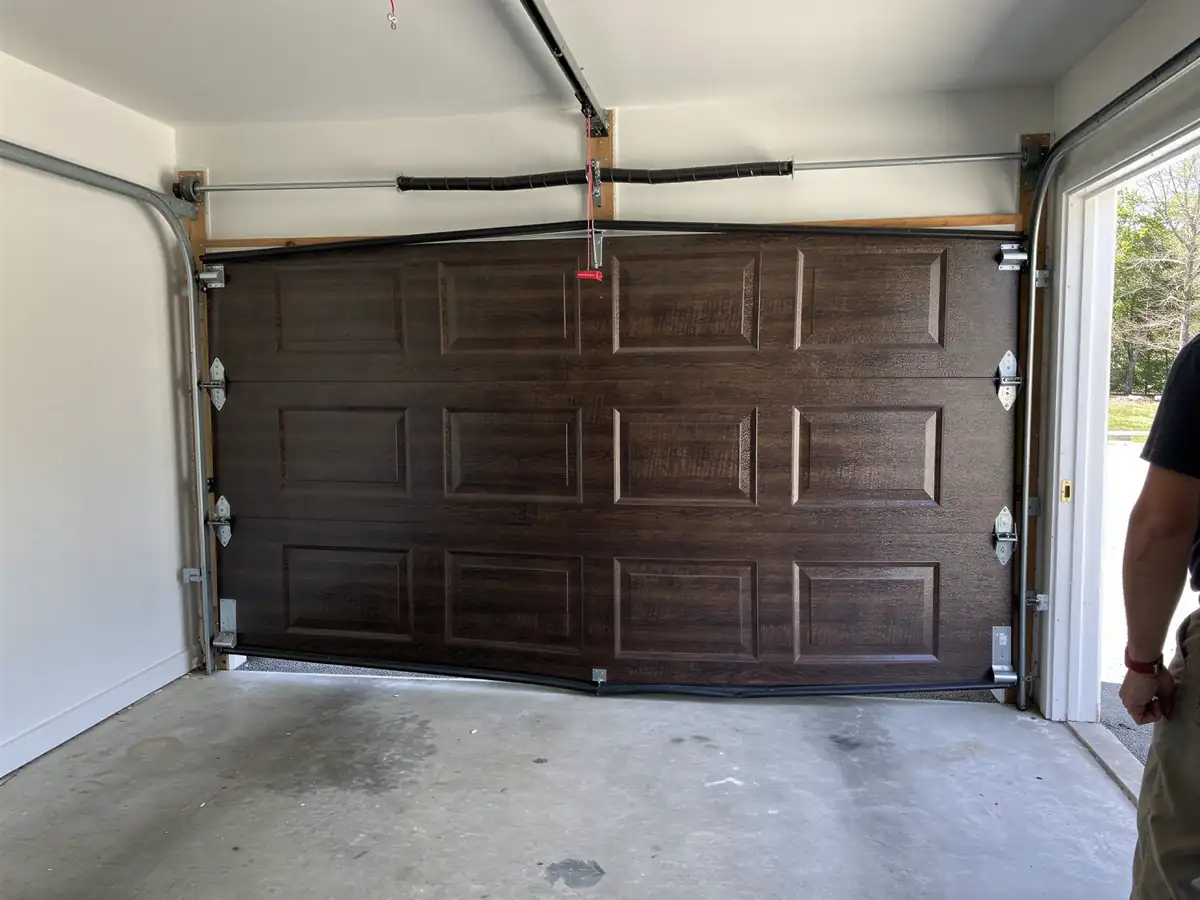
The door gets heavy to lift by hand, or the opener starts straining and reversing halfway up. Sometimes it's a loud bang from the garage followed by a door that won't budge - that's a torsion spring letting go. Other times it's quieter: the door creeps off its tracks a little more each week, or the remote works from the driveway but not from across the yard.
In Temple, a lot of this traces back to the hardware itself rather than anything the homeowner did
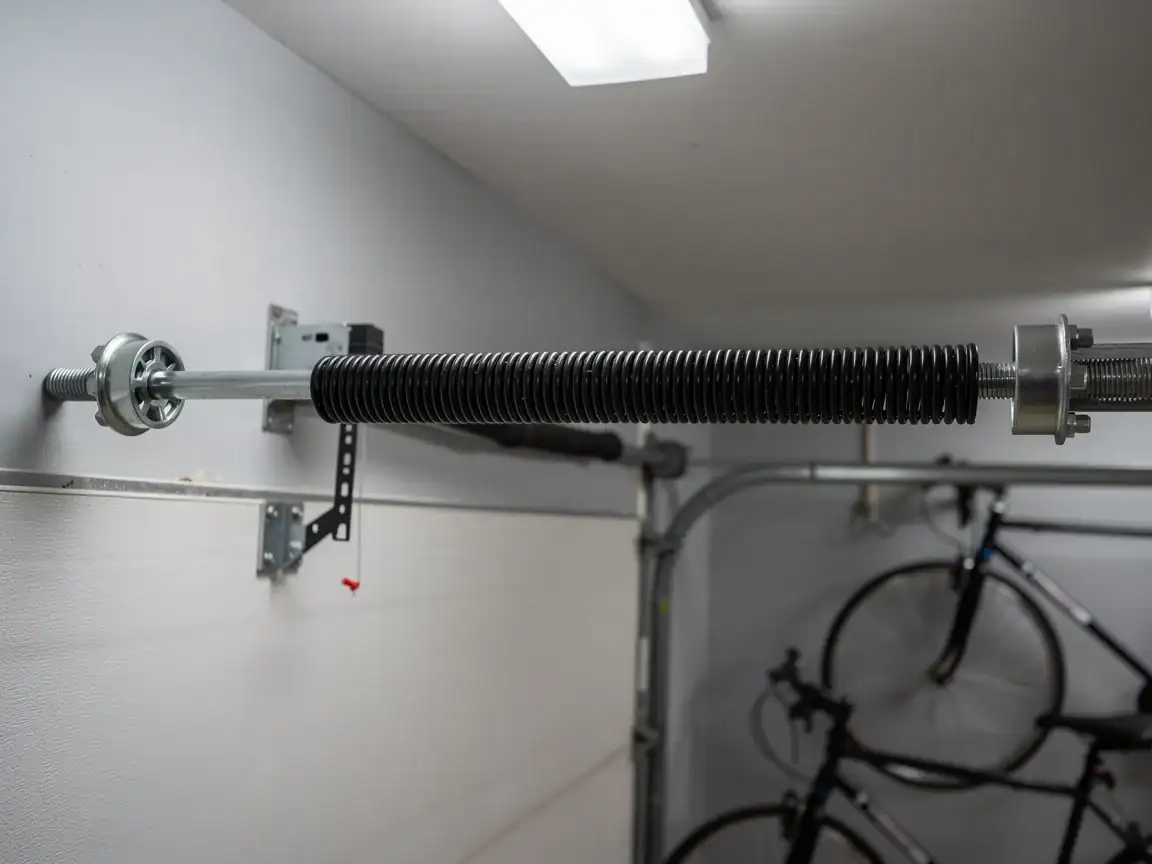
The typical house here was built somewhere between 1967 and 2005, with the median landing around 1991. That puts a huge share of doors and openers well past the point where the original torsion springs, rollers, and cable drums were rated to perform. A spring rated for a certain number of open-close cycles doesn't care how well you maintained it once it hits that number - it's going to go. The symptom you notice first is usually just whichever part was weakest to begin with.
Why This Fails Locally
Two things stack on top of each other in this area. First is age: with so much of the housing stock from the 1980s and 90s, a big share of doors in Temple are running original or first-replacement springs that are 20 to 40 years old. Builder-grade torsion springs from that era were sized to a budget, not to decades of daily cycling, and they don't send a warning before they snap.
Second is the climate. Temple sits in a mild band with some freeze, which sounds easy on hardware compared to a true winter climate - and in some ways it is. But the swing still matters: steel contracts on the handful of cold mornings each year, grease that was fine in August stiffens up, and a spring already near the end of its life takes on more stress during that temperature swing than it would in a climate that stays level year-round. It's not dramatic weather damage. It's a slow fatigue process that picks the coldest morning of the week to finish the job.
This combination - older hardware plus a climate that isn't harsh but isn't stable either - is why spring and cable failures show up on service calls here more than, say, opener logic board failures.
Doing It Yourself
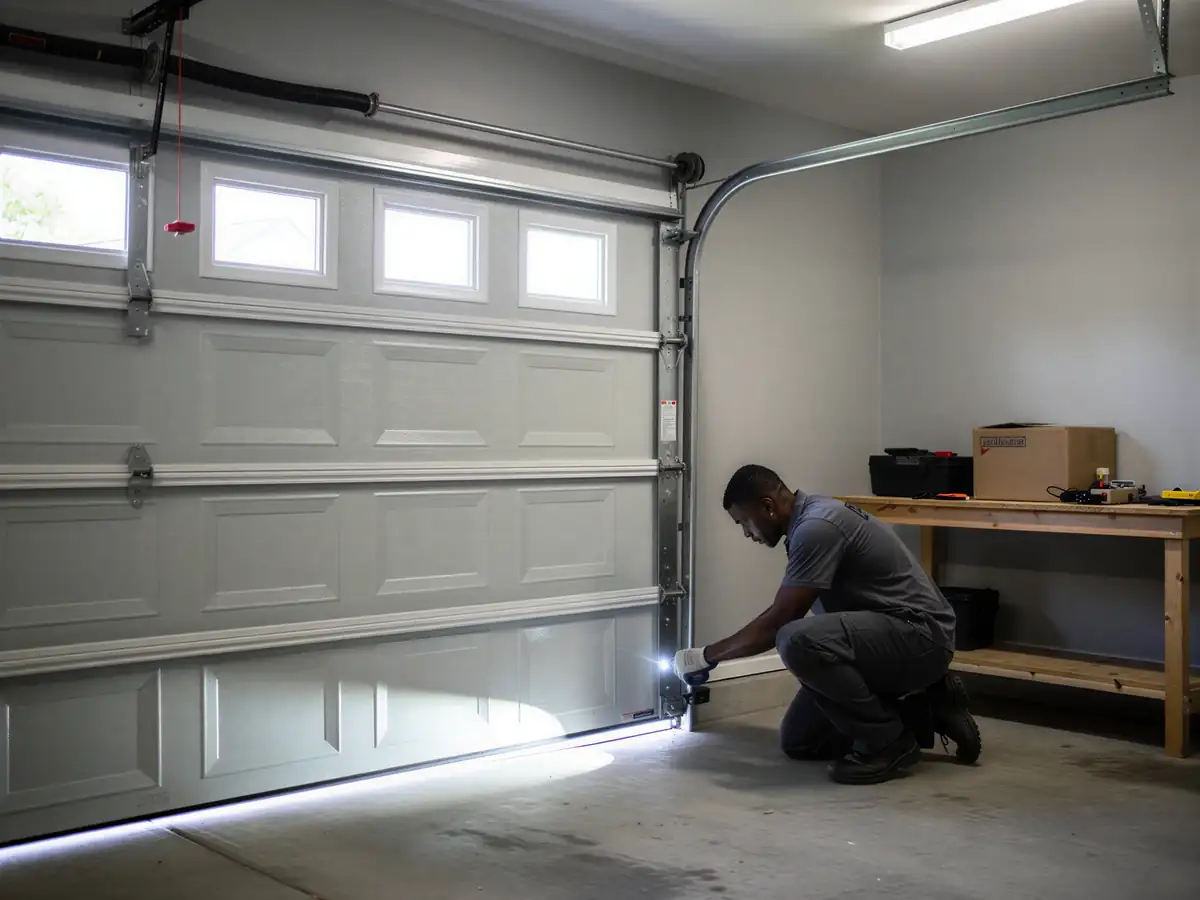
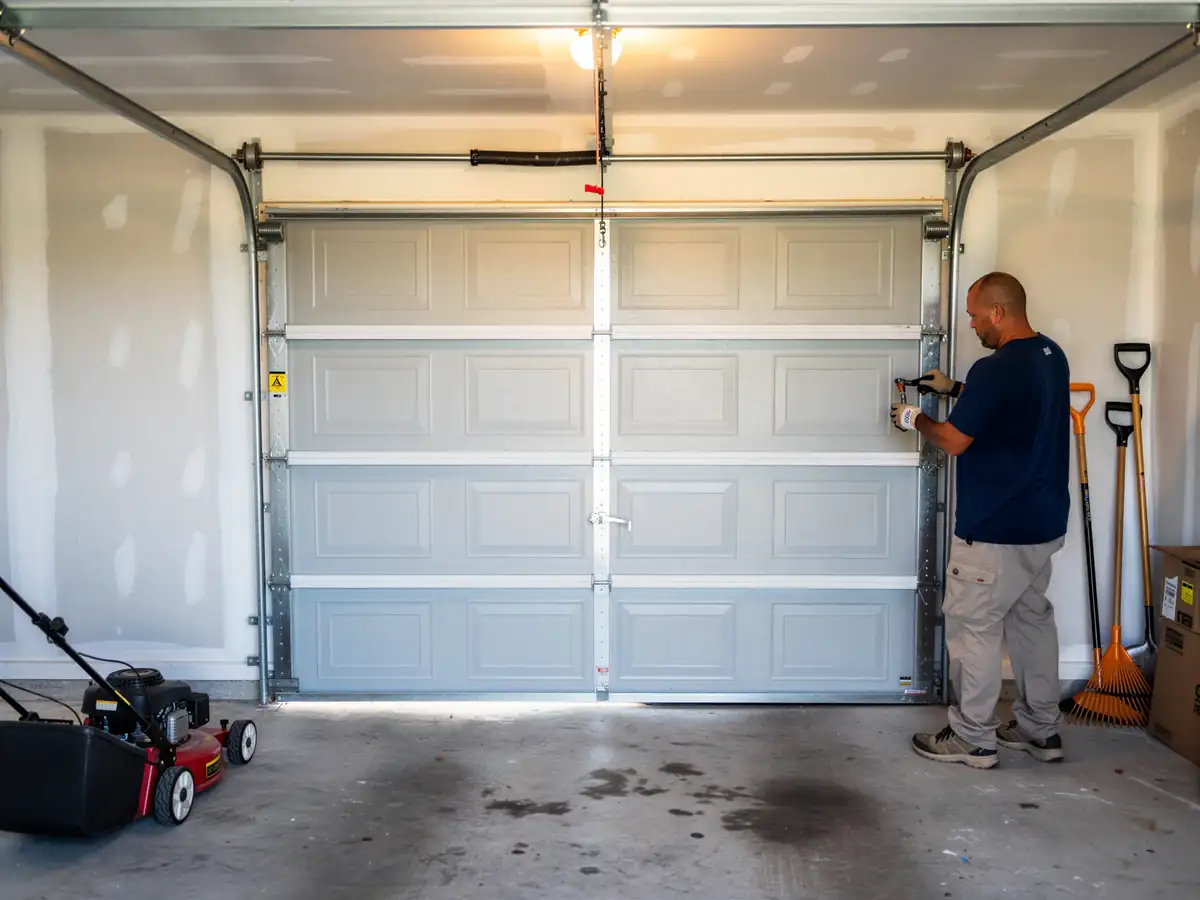
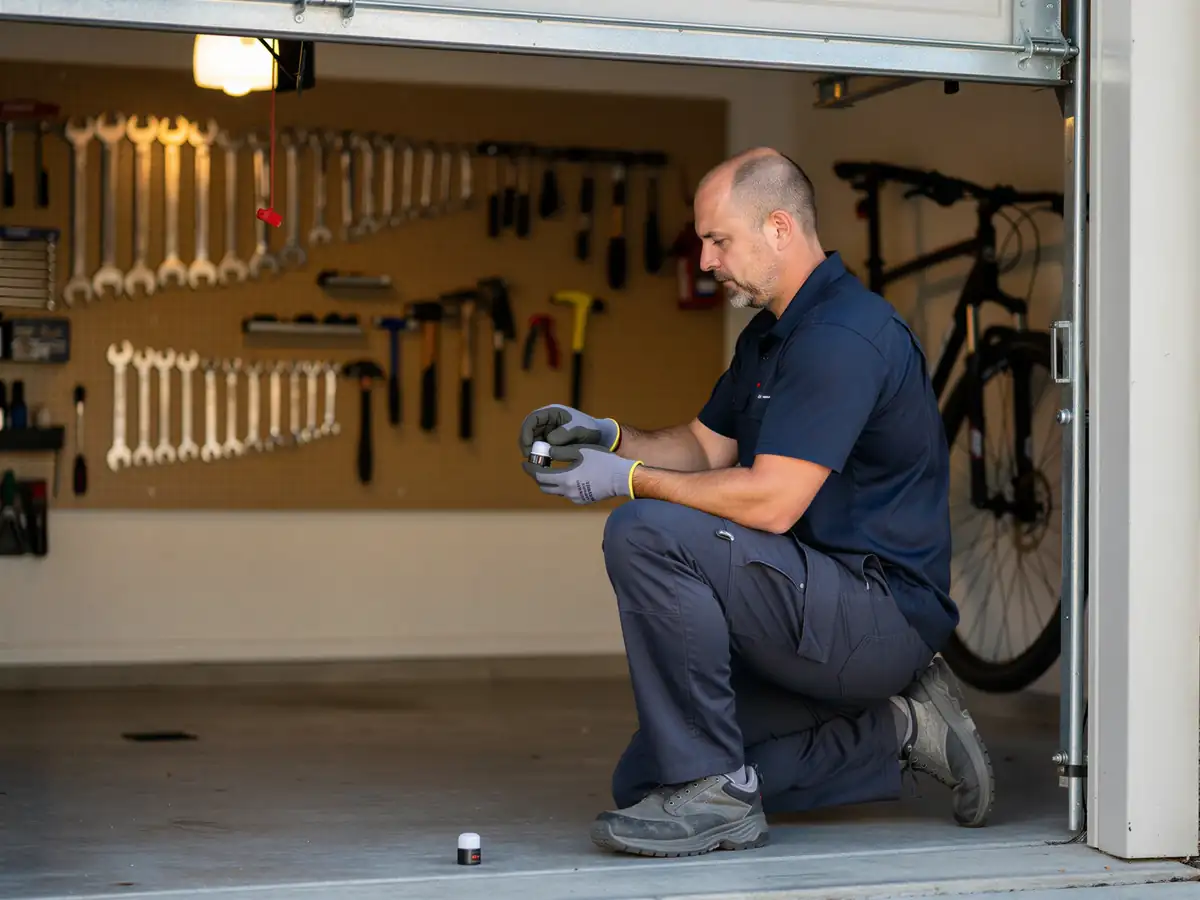
There's a real list of things you can check yourself before calling anyone. Look at the cables on either side of the door for fraying strands near the bottom bracket. Check that the tracks are bolted tight and that nothing's visibly bent where the door rides. Wipe down and lubricate the rollers and hinges with a garage-door-specific lubricant, not WD-40, which washes grease out rather than replacing it. If the door reverses before it closes, the safety sensors near the floor are probably just dirty or slightly misaligned - a quick wipe and realignment often fixes that.
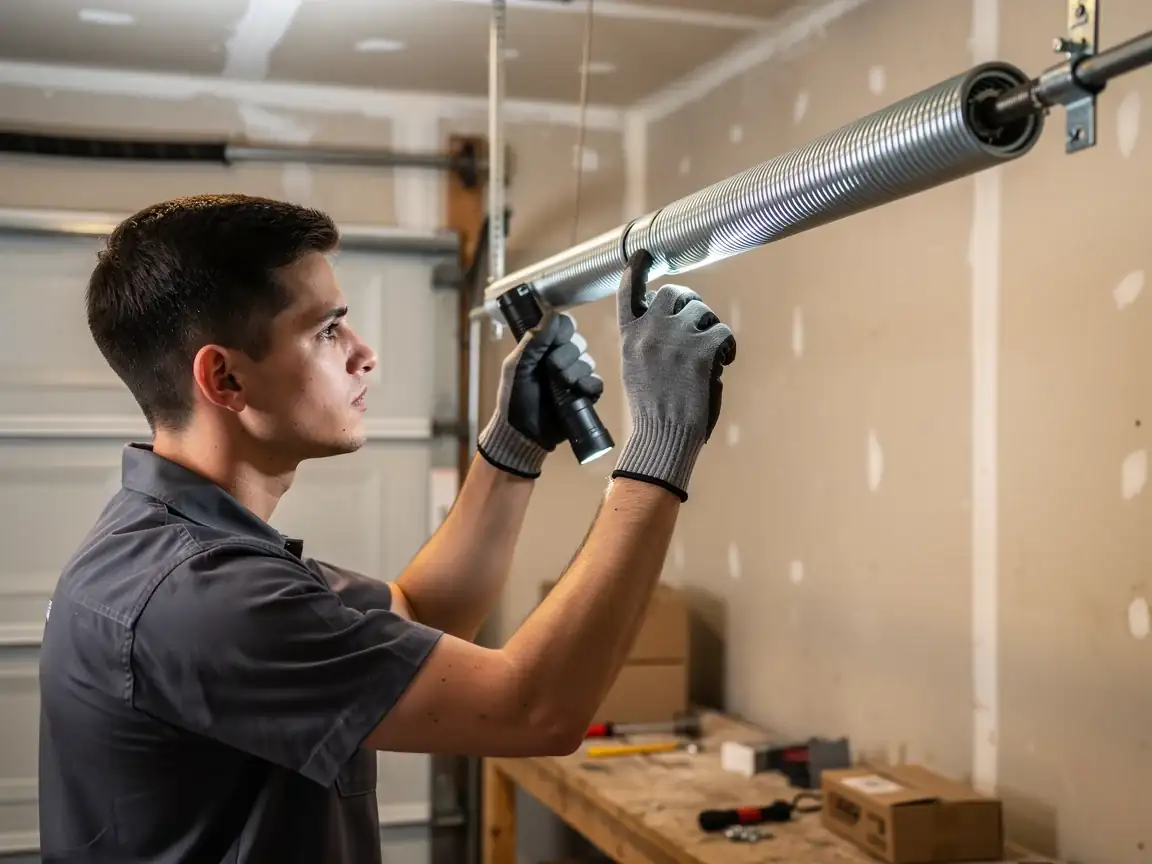
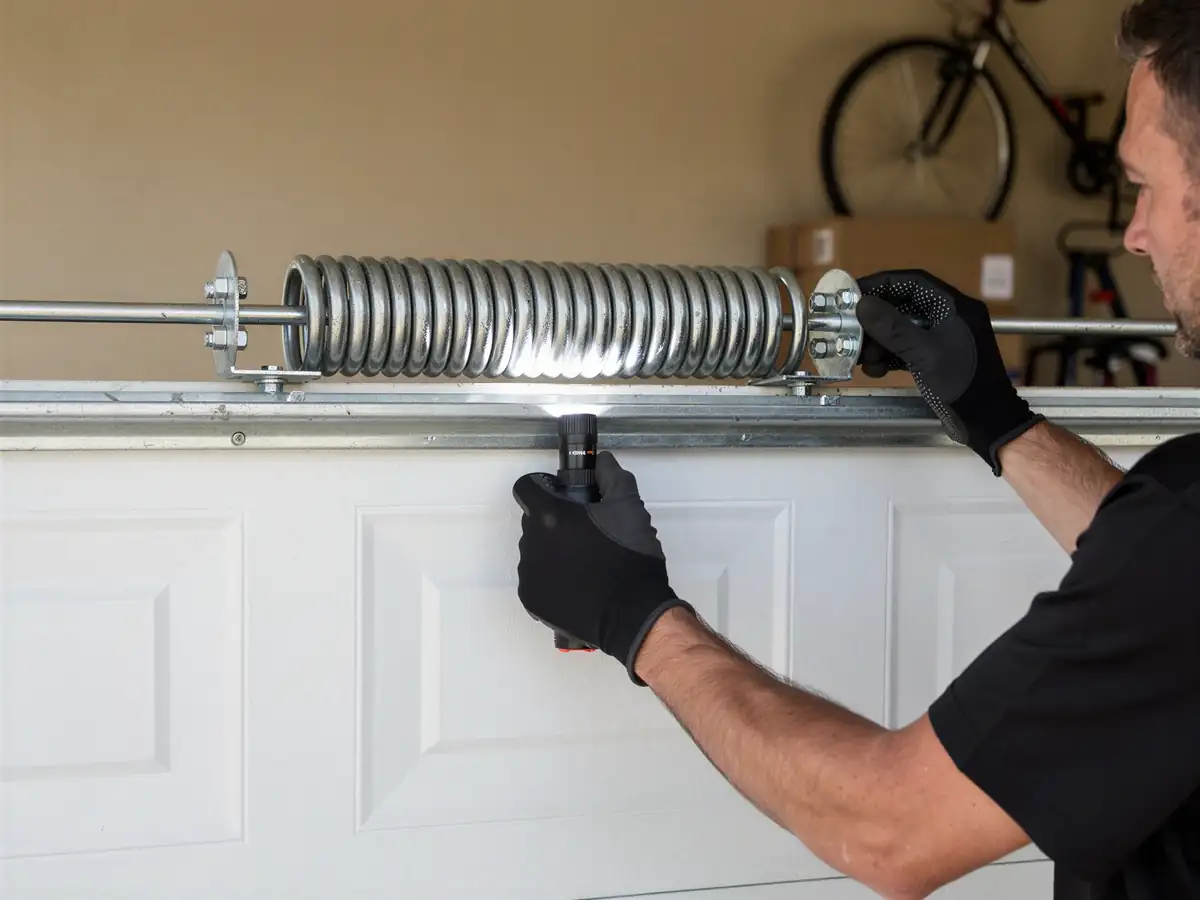
Here's the honest limit: don't touch the torsion spring itself. It's under enough stored tension to break bones or worse if it slips while you're adjusting it, and that's true whether it's an old builder-grade spring or a brand new one. If your door feels heavy, won't stay up on its own, or you hear that bang, that's not a DIY repair - that's a call. Everything else on this list is fair game for a Saturday afternoon.
Getting It Booked In
Temple Garage Door Pros works throughout the Temple service area
Including nearby communities like Morgan's Point Resort, Belton, Troy, Little River-Academy, Nolanville, Salado, Moody, Holland, Harker Heights, Rogers, Bruceville-Eddy. Across that area there are roughly 28,371 households, with about 13,737 of those in owner-occupied houses - a lot of garages, a lot of doors from the same handful of building decades.
- 28,371 households
Median household income in the area runs around $73,750
Which is worth mentioning because it shapes the repair-versus-replace conversation: for most of these doors, a spring and cable job is a reasonable expense relative to the household budget, while a full door replacement is a bigger decision that's worth weighing against the age and condition of the rest of the unit. We'll tell you honestly which side of that line your door is on rather than defaulting to the bigger job.
If your door is making noise, hanging unevenly, or just feels off, get it looked at before a part fails the rest of the way
Start at the home page and we'll get a time on the books.