What Temple's Garage Door Openers Are Up Against When the Power Goes
Temple homes built 1967-2005 often run original chain-drive openers with no battery backup. Here's what the area's mild-with-freeze climate does to them and what to check.
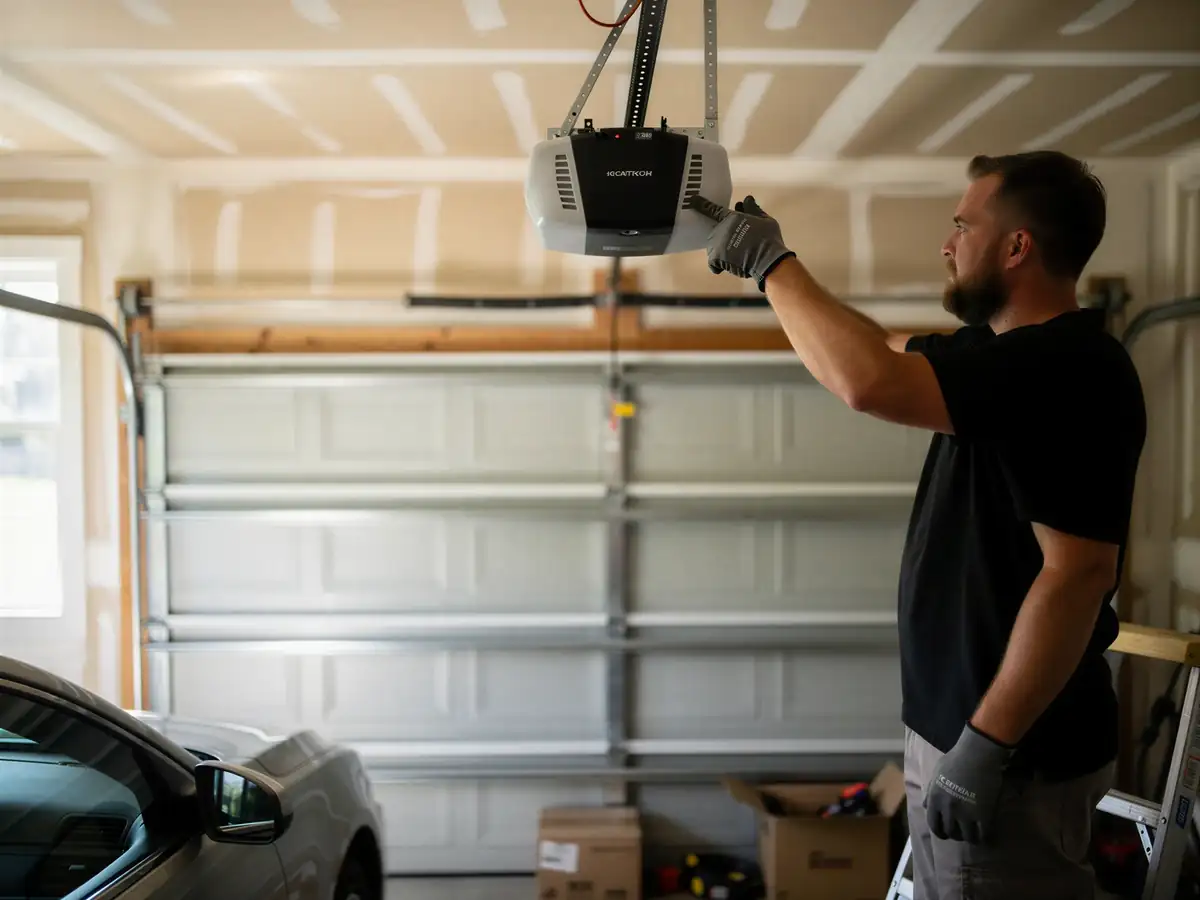
Temple's housing stock mostly went up between 1967 and 2005, with the median build year sitting around 1991, and that spread shows up across the eleven named areas that make up most of the service territory. A door built in 1991 came with whatever opener was standard then, which usually means a chain-drive unit bolted to a ceiling bracket with no battery backup wired in at all. Spring brings the first round of storms that knock power out for a few hours at a time. Summer heat swells wood jambs and dries out old lubricant on track and rollers that have been running since the Clinton administration. Fall is mild here, the quiet stretch. Winter is short but not nothing - this area sits in a mild climate band that still sees occasional freeze events, and that's the stretch when an opener with no backup power leaves a door stuck wherever it happened to be when the lights went out. None of this is dramatic. It's thirty years of the same system doing the same job, season after season, with no upgrade unless someone made one.
What the Weather Here Does to It
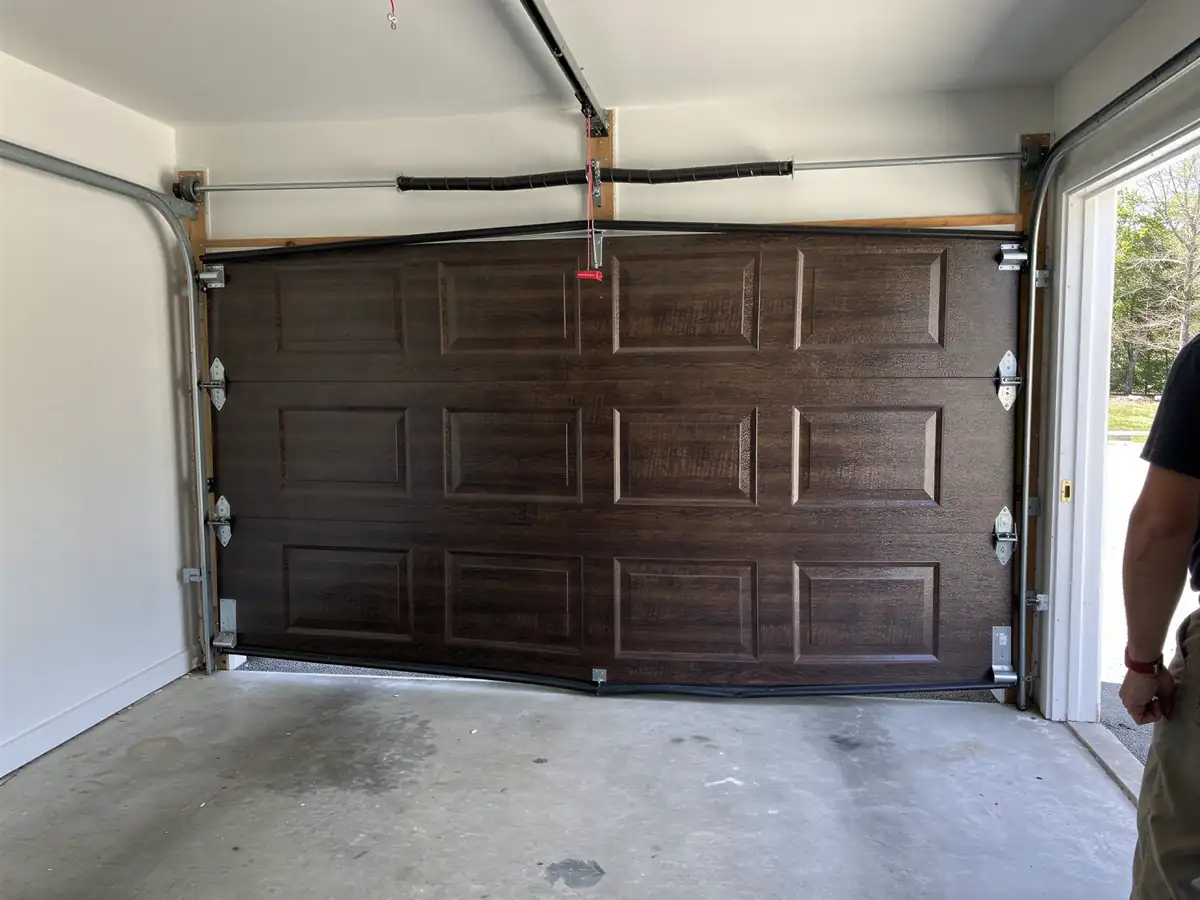
The climate band Temple sits in is mild with occasional freeze, not the brutal winters that force every opener in the state to carry a battery backup as standard. That matters because most of the openers still running in houses built in this 1967-2005 window were never built with one. When a freeze event trips a short outage, which happens here, a door with no backup power stops wherever the chain left it - half open, half closed, it doesn't ask. Cold also thickens the grease on track and hinges that have gone years without a re-lube, so the opener motor works harder to pull a door that's already stiff. None of that is a Temple-only physics problem, but the combination of this housing age and this specific climate band is why the failure shows up here as a stuck half-open door during a short freeze outage rather than a frozen track that won't budge all winter, which is what happens somewhere colder.
What to Check
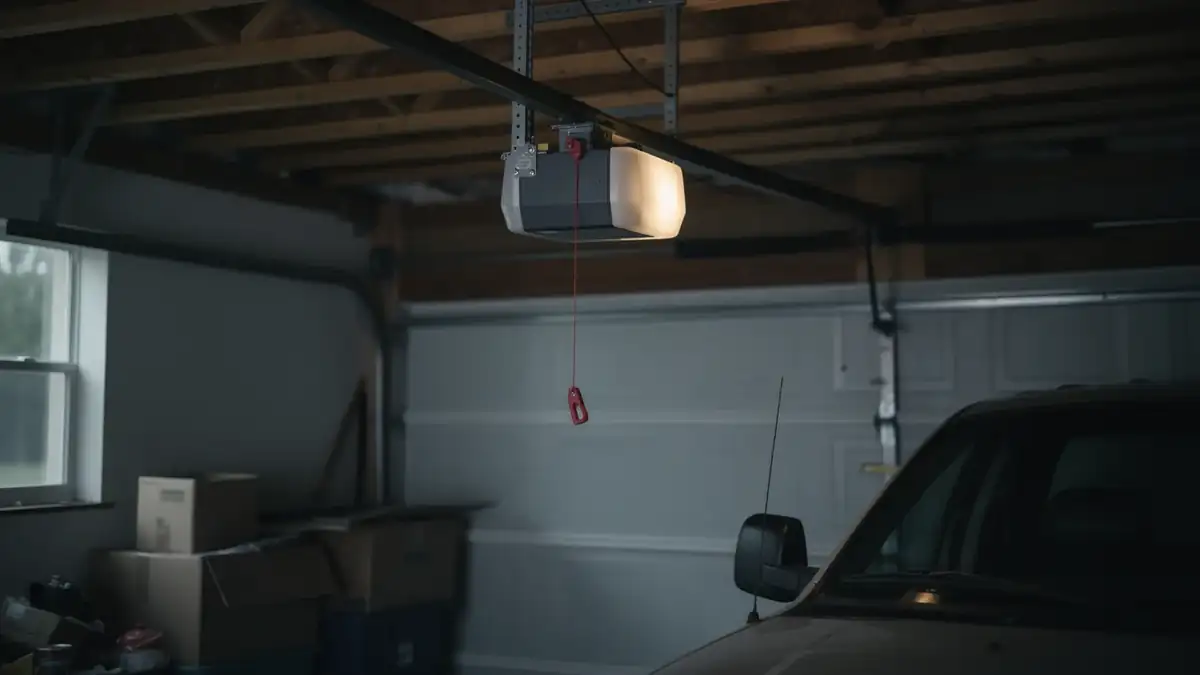
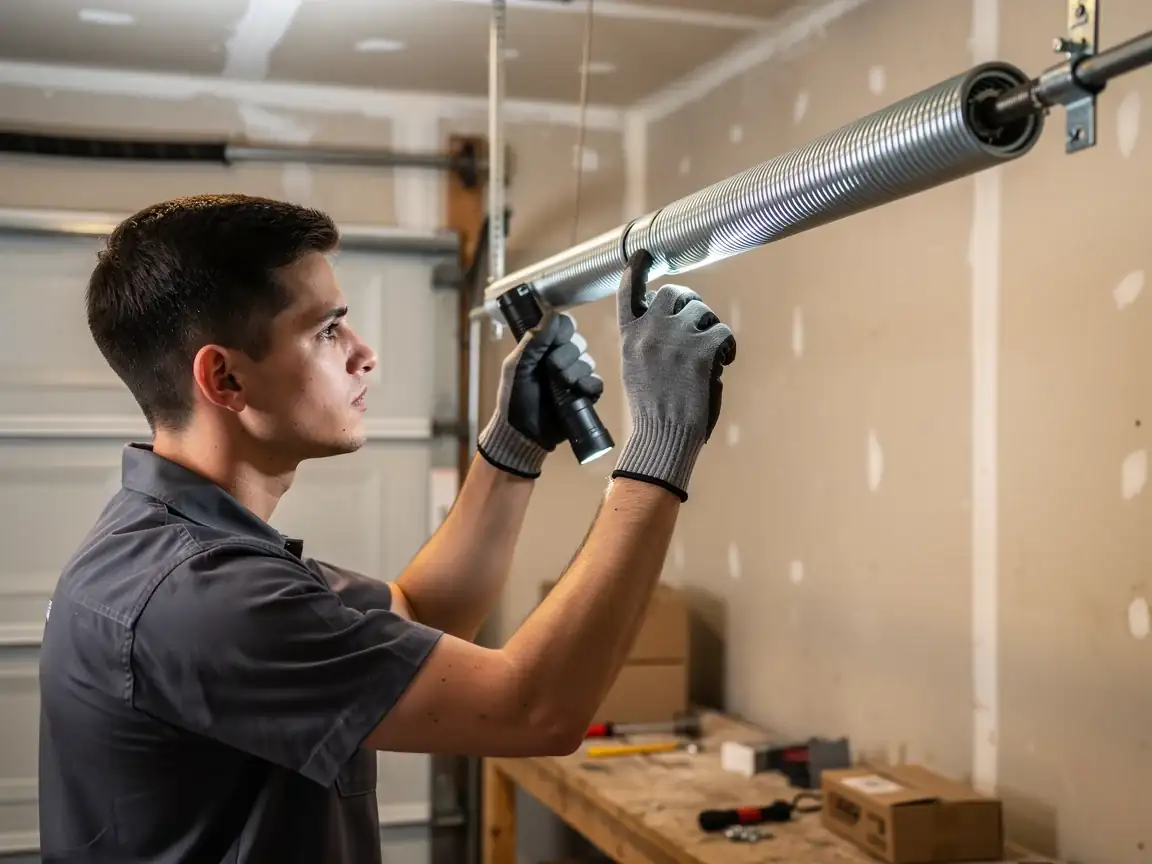
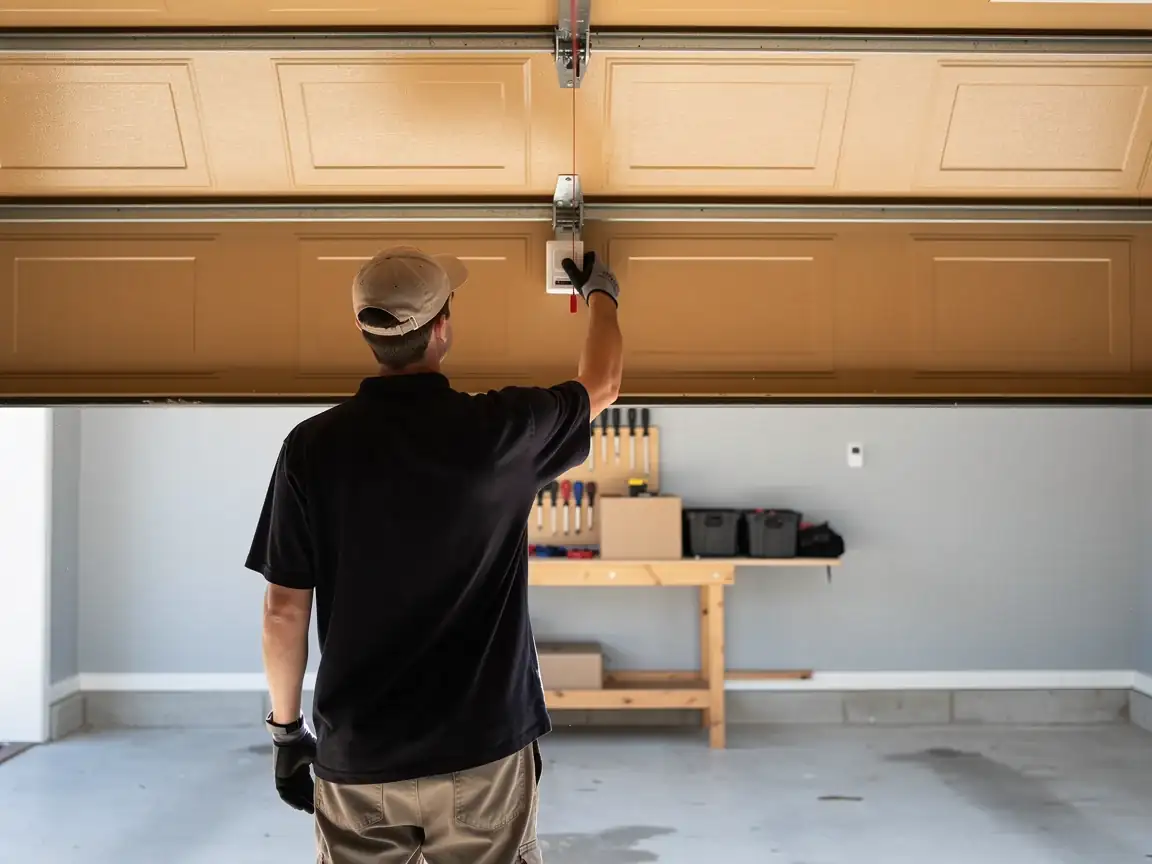
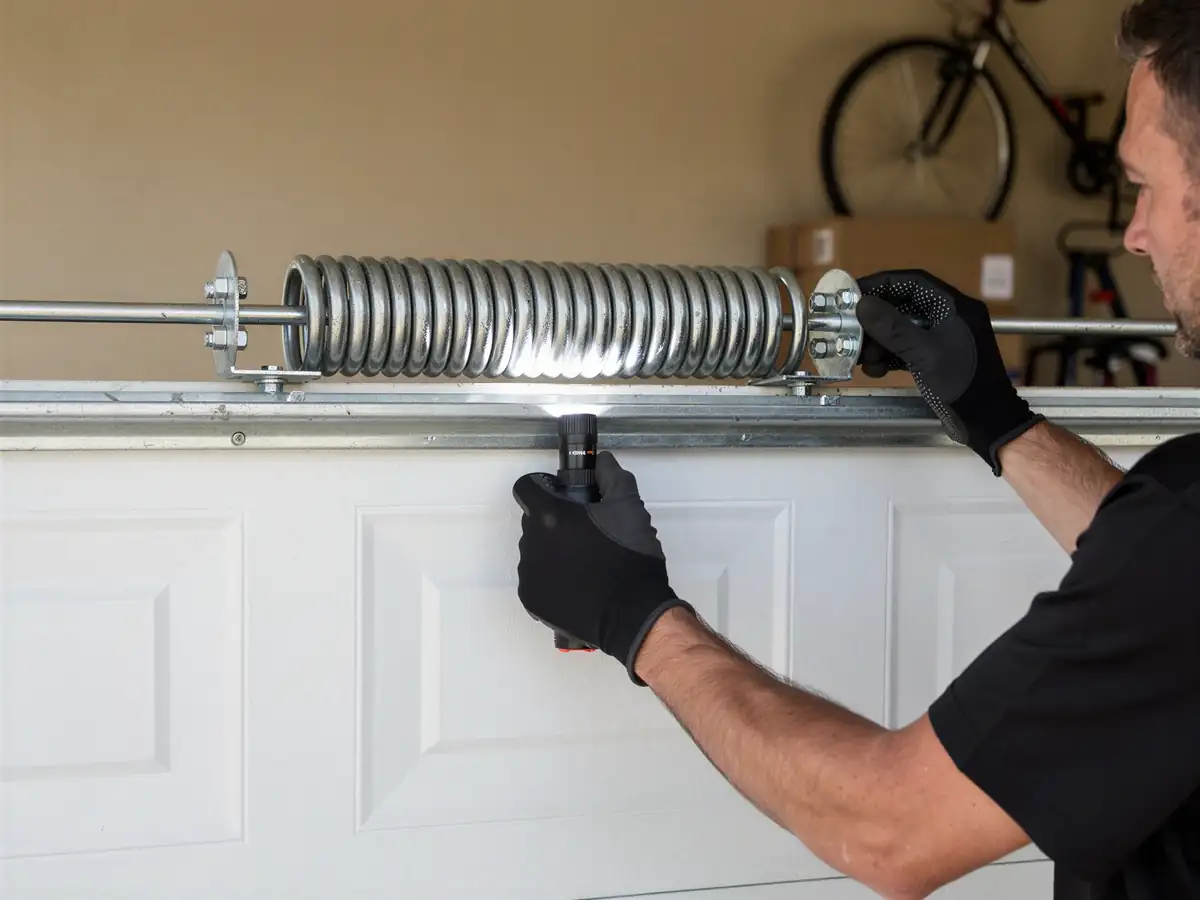
Start with the manual release - the red cord hanging from the trolley. If you've never pulled it, pull it now, not during an outage, so you know it moves freely. On a house from this 1967-1991 build window, that release is often original equipment and hasn't been tested since the day the door went up. Next, look at whether the opener has a battery backup module at all; a lot of the units still running in this area's older stock simply don't, which is fine until the power drops during a freeze event. Check the chain or belt tension and the lubrication on the rail - thirty-year-old grease gets gummy and makes the motor strain. Last, listen for the motor laboring on a normal cycle with no storm involved at all; that's usually a worn capacitor or a gear set giving out, not a weather problem, and it's worth catching before it quits mid-cycle during the next outage.
The Situation
With 13,737 owner-occupied houses across this service area and a median household income of $73,750, most calls here aren't about buying a first opener - they're about replacing one that's outlived the house's last two roofs. We can't promise an opener will ride through every outage; a unit without a battery backup module installed is going to stop exactly where the chain leaves it, and retrofitting backup power isn't always worth it on a motor that's already near the end of its life. That's the honest limitation: sometimes the right call is a new opener, not a battery kit bolted onto an old one. If you're near Morgan's Point Resort, Belton, Troy, Little River-Academy, Nolanville, Salado, Moody, Holland, Harker Heights, Rogers, Bruceville-Eddy, the housing age runs similar and so does the opener situation - it's the decade the door went in, not the exact address, that decides what you're dealing with.
How it works
From “it’s stuck” to “it’s fixed”
1
Tell us what’s wrong
Describe the symptom - won’t open, loud bang, opener runs but the door won’t move.
2
On-site diagnosis
A technician tests the door under power and by hand and finds what actually failed.
3
Clear, up-front plan
You get the fix that’s needed and what drives the cost - before any work starts.
4
Repaired & tested
The repair is done, the door is set true and tested, and the work area left clean.
Not sure which repair your door needs in Temple, TX? Describe what it’s doing - every job starts with a diagnosis.
If your house was built in the 1967-2005 window common across this area, there's a decent chance it doesn't - battery backup wasn't standard equipment on most openers installed back then. Check the unit itself for a battery compartment near the motor head. If it's not there, the door will stop wherever the chain leaves it during a power outage.
Why does my opener struggle more during a cold spell?
This area sits in a mild climate band with occasional freezes, not deep winter, so most openers here aren't built or lubricated for sustained cold. Old grease on the track thickens, the motor works harder to pull the door, and if a freeze event also knocks the power out, a unit with no backup stops mid-cycle.
Is it worth adding a battery backup to an old opener?
Sometimes, sometimes not. If the opener is otherwise running fine and just lacks the module, a backup kit can make sense. If the motor is already straining or the gears are original to a 1980s or 90s install, you're often better putting that money toward a new unit instead of patching an old one.
Ready to get your garage door sorted?
Tell us what it’s doing and where you are in Temple - we’ll take it from there.