How It Shows Up
Most of the calls we get start the same way
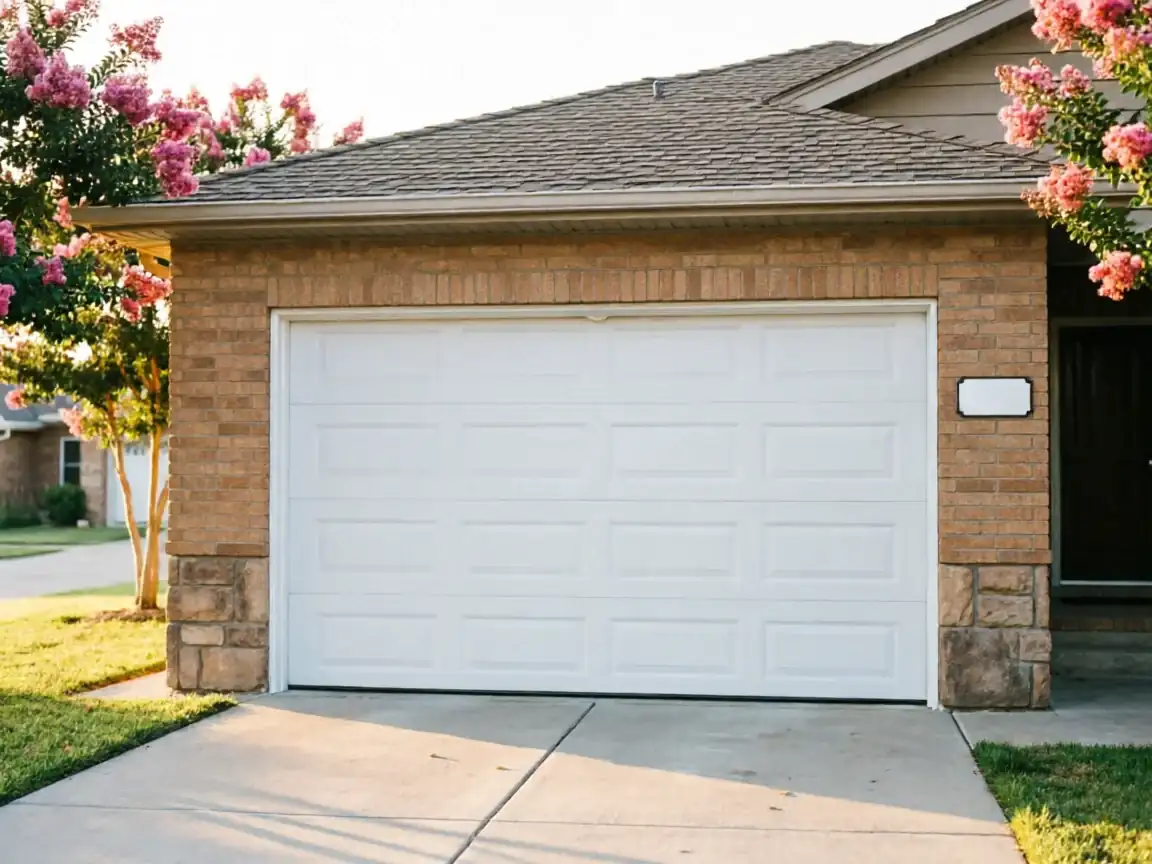
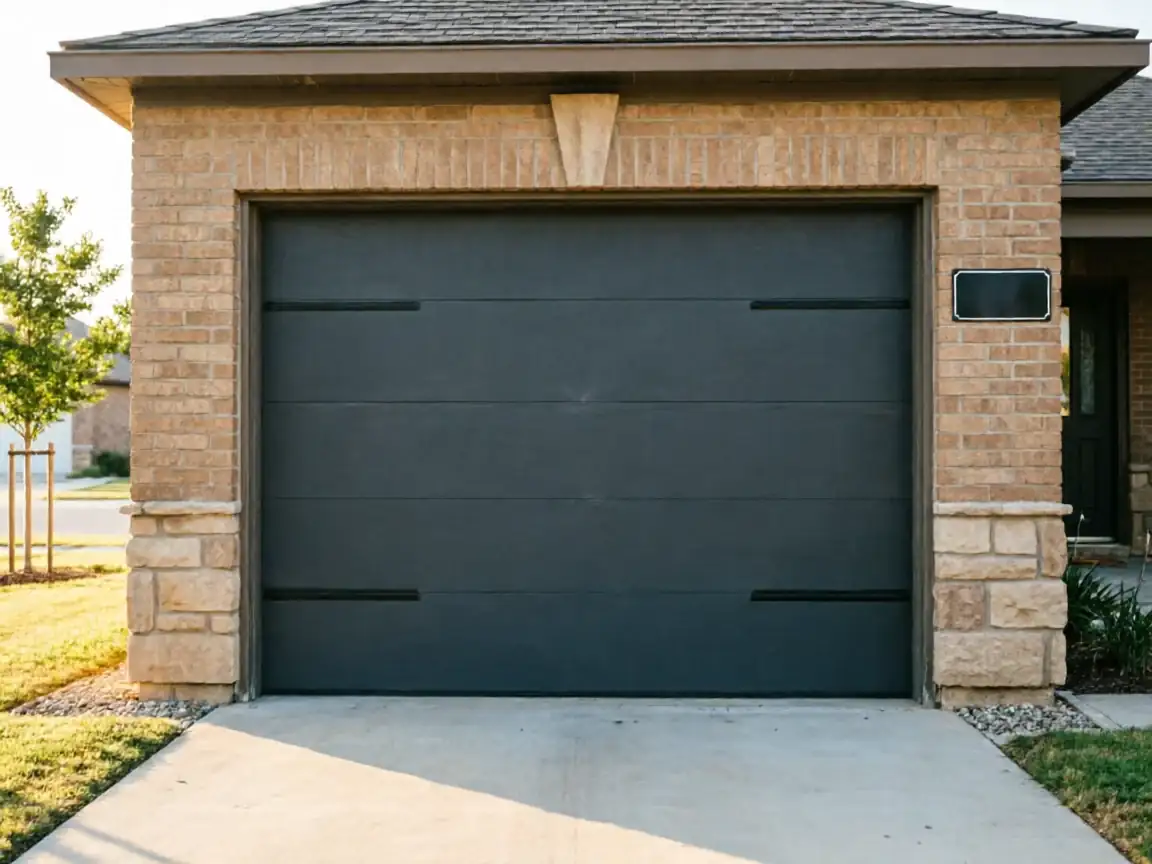
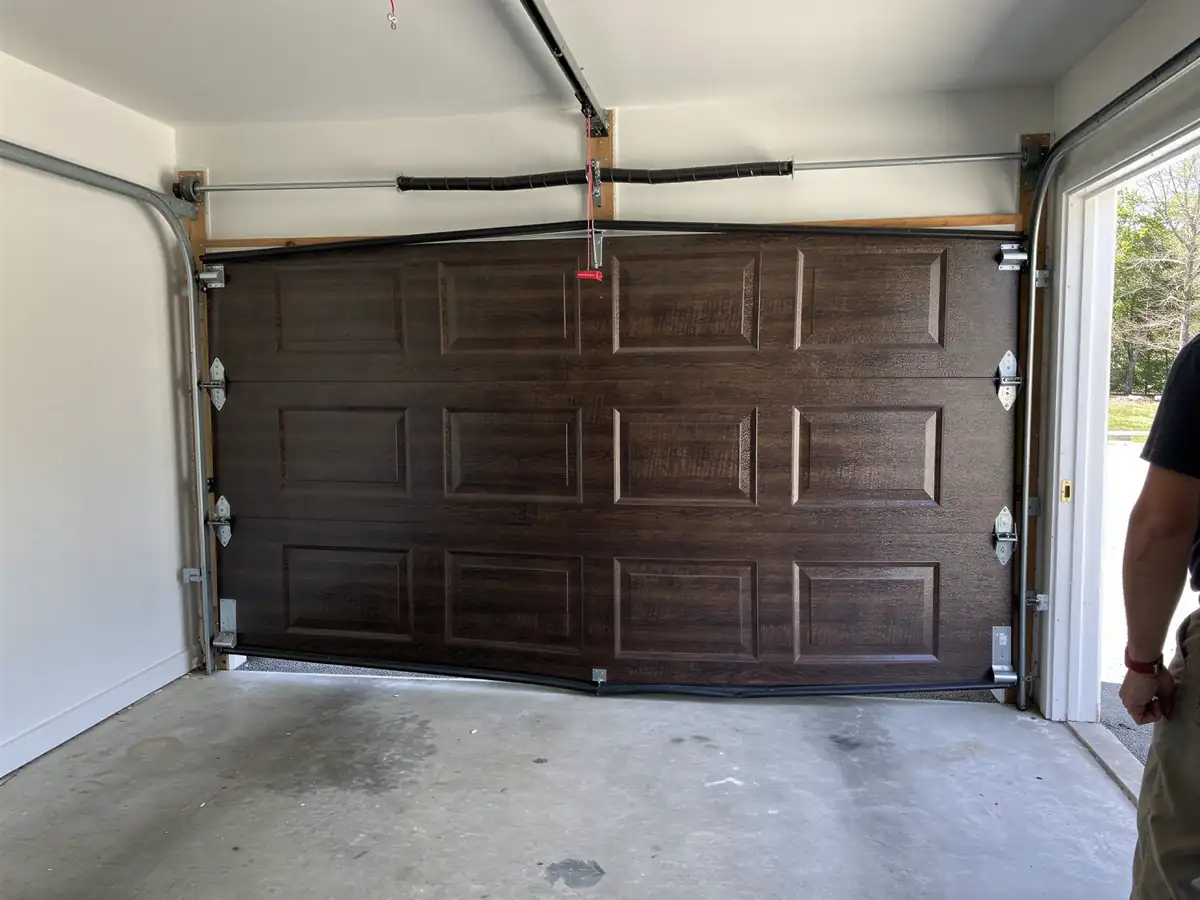
A door that used to open quiet now grinds, hesitates, or needs a second push on the remote before the opener catches. Springs sag a little every year and nobody notices until the day the door won't lift past waist height. Rollers that have never seen grease start chattering in the track. None of this is dramatic at first - it's gradual wear on hardware that's been doing its job since the house was built.
Most houses in the Temple service area went up between 1967 and 2005
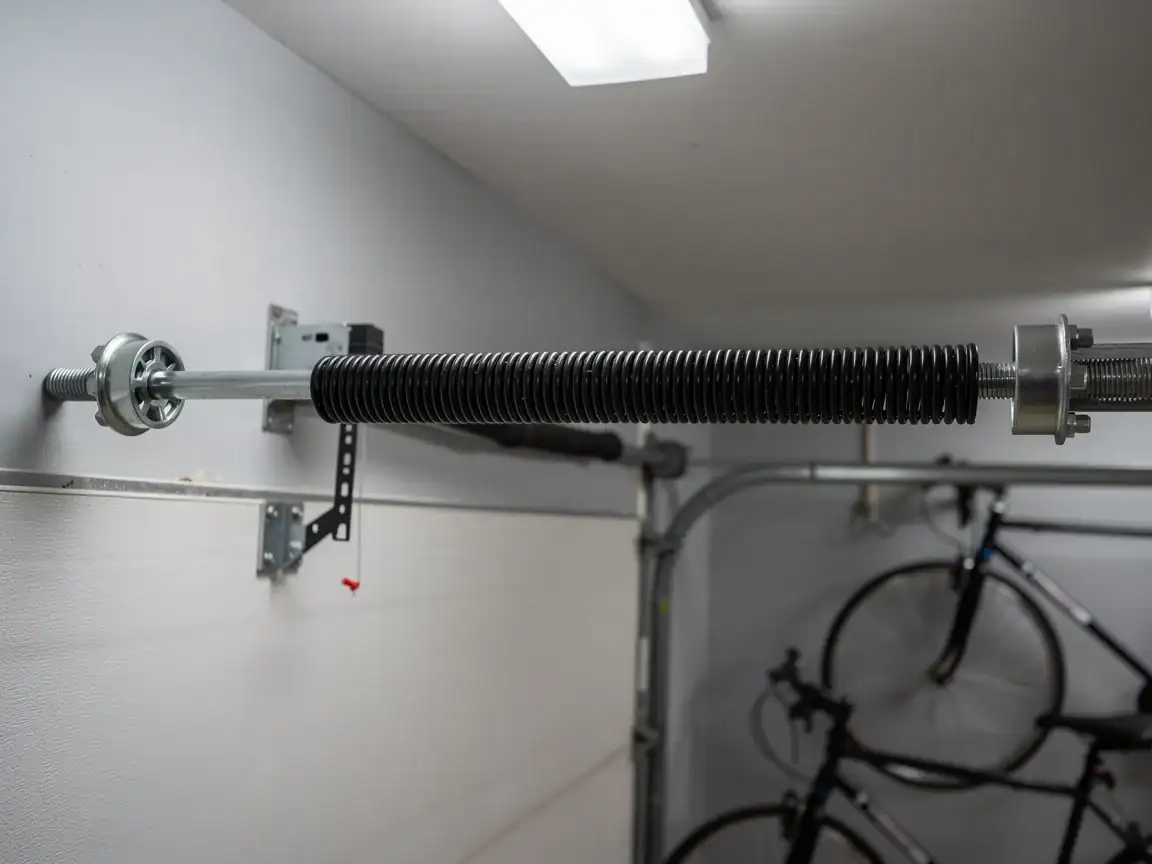
With the bulk of that stock dating to the 1980s and 90s across the area's eleven named subdivisions. That means a lot of original torsion springs, original openers, and original track hardware still in service thirty-plus years later. A spring rated for 10,000 cycles doesn't care how old the house is - it cares how many times the door has gone up and down, and a door that age has usually used up most of its life without anyone checking.
Why This Fails Locally
Temple sits in a mild climate band with occasional freezes, not the hard freeze-thaw cycles that crack concrete and warp wood further north, but enough cold snaps a few times a winter to stiffen grease on a door that hasn't been serviced since it was installed. Add the summer side of that same mild band - long stretches of heat that dry out lubricant and bake rubber seals - and you get hardware that cycles between two extremes every year with nothing done in between.
With 13,737 owner-occupied houses across a service area of 28,371 households, most of this area's garage doors are original equipment from the build era, not replacements. A door installed in 1991 has been through three decades of that heat-cold cycle with whatever lubricant was on it from the factory. That's the pattern we see over and over: not one catastrophic event, just years of temperature swings on hardware nobody's touched, until a cable frays or a spring finally lets go on an ordinary Tuesday morning.
Doing It Yourself
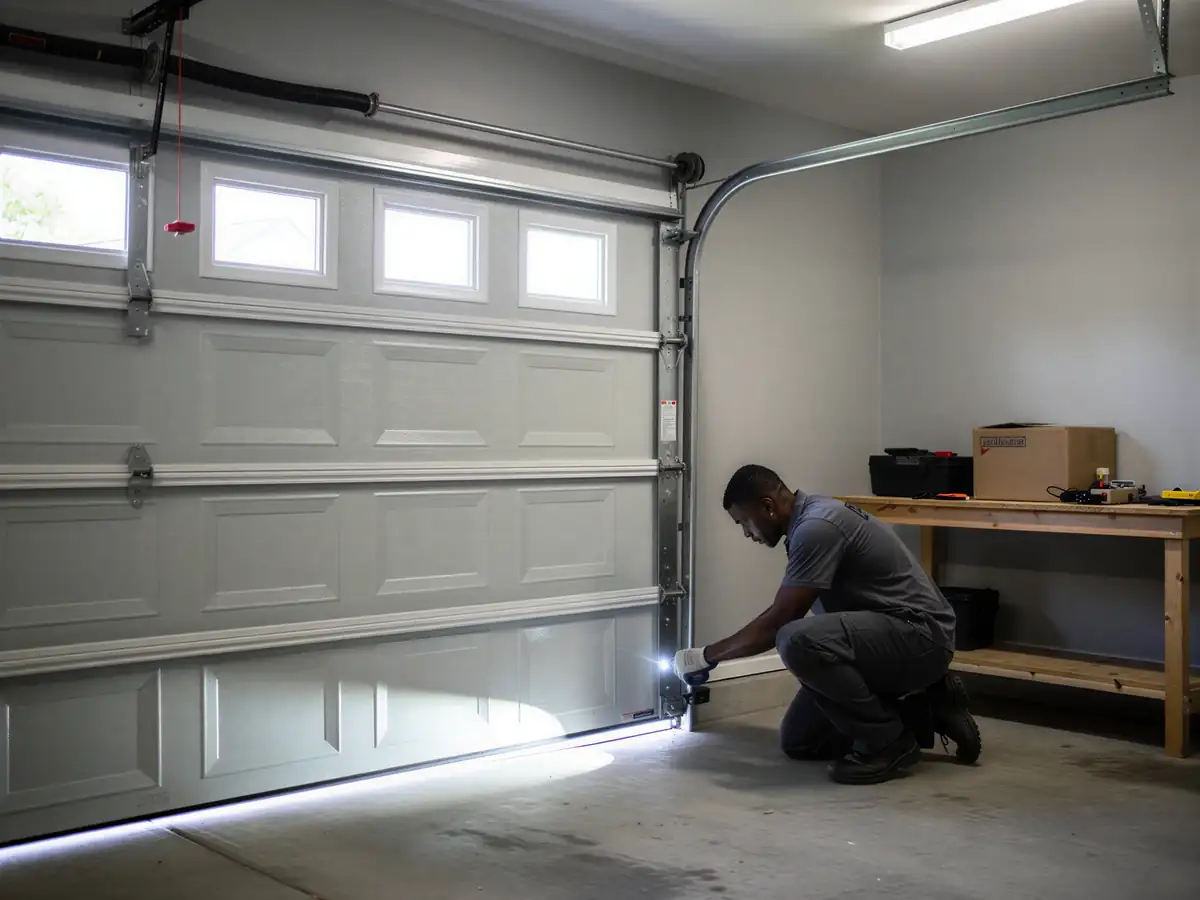
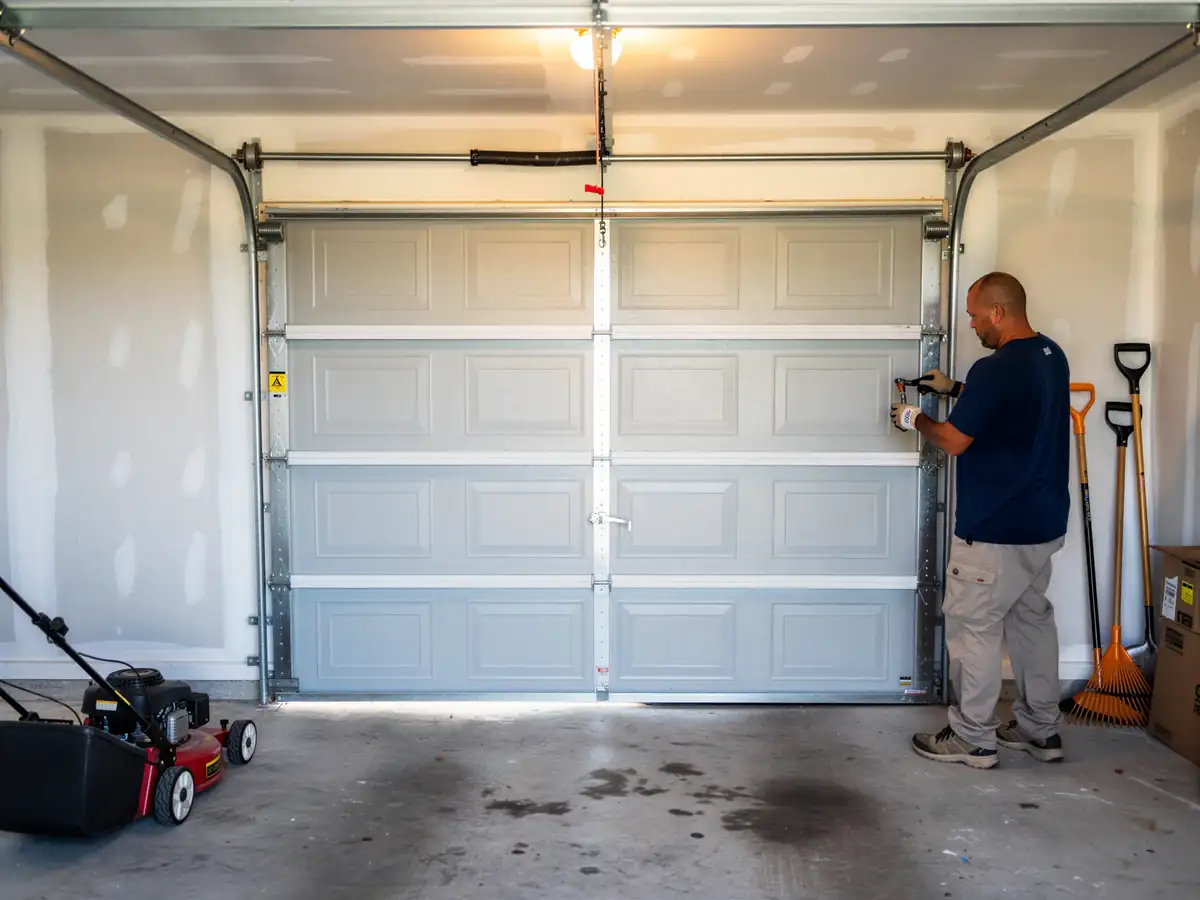
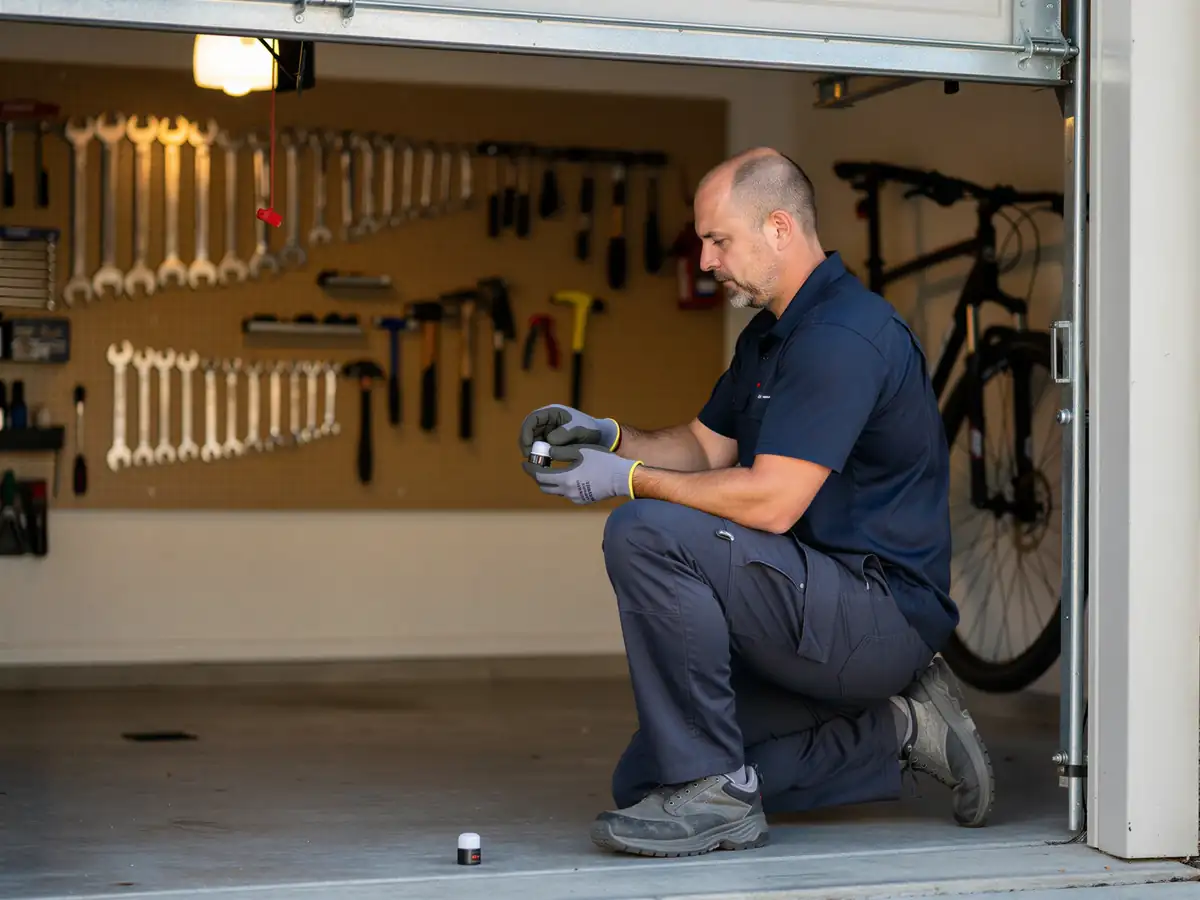
There's real maintenance a homeowner can do safely. Wipe down the tracks and check them for dents or gaps where the rollers ride. Listen for grinding and look at the rollers themselves - plastic ones crack with age and are cheap to swap before they fail outright. A light spray of garage-door-rated lubricant on hinges and rollers twice a year does more good than most owners expect, especially after a Texas summer has dried everything out.
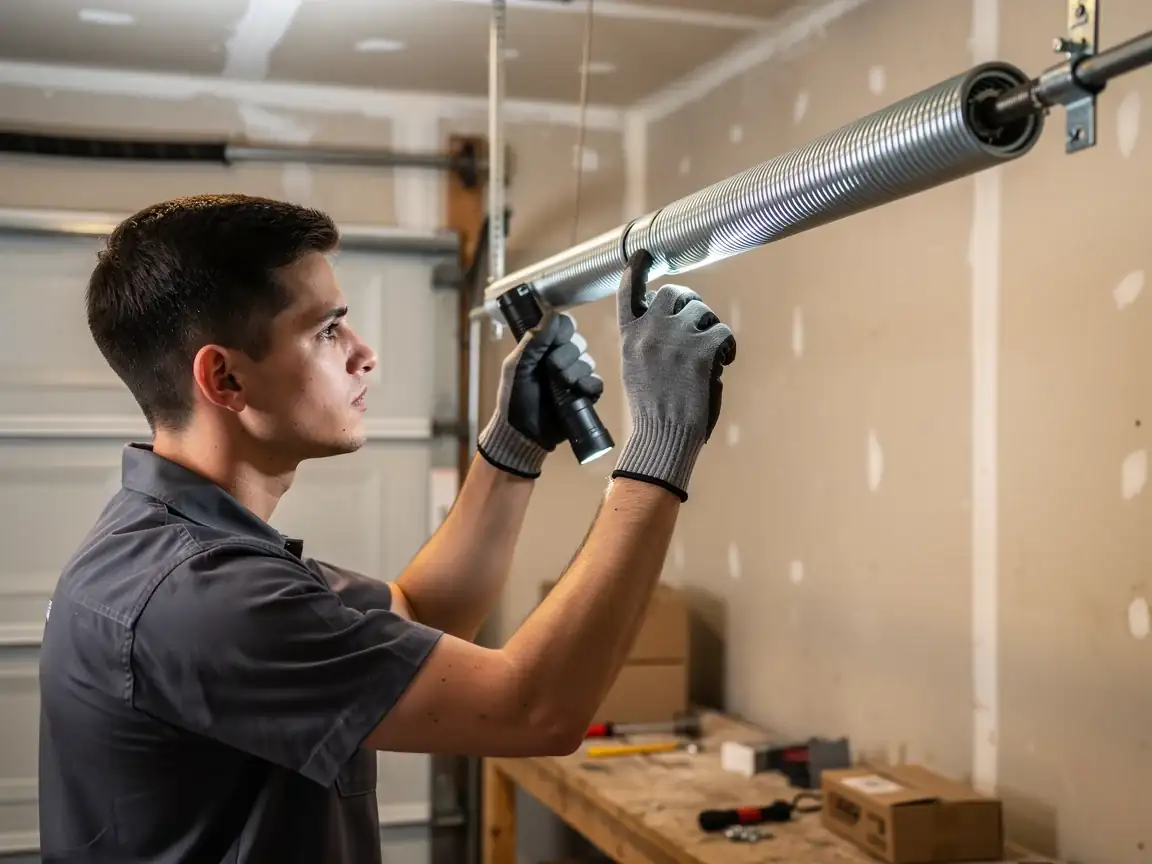
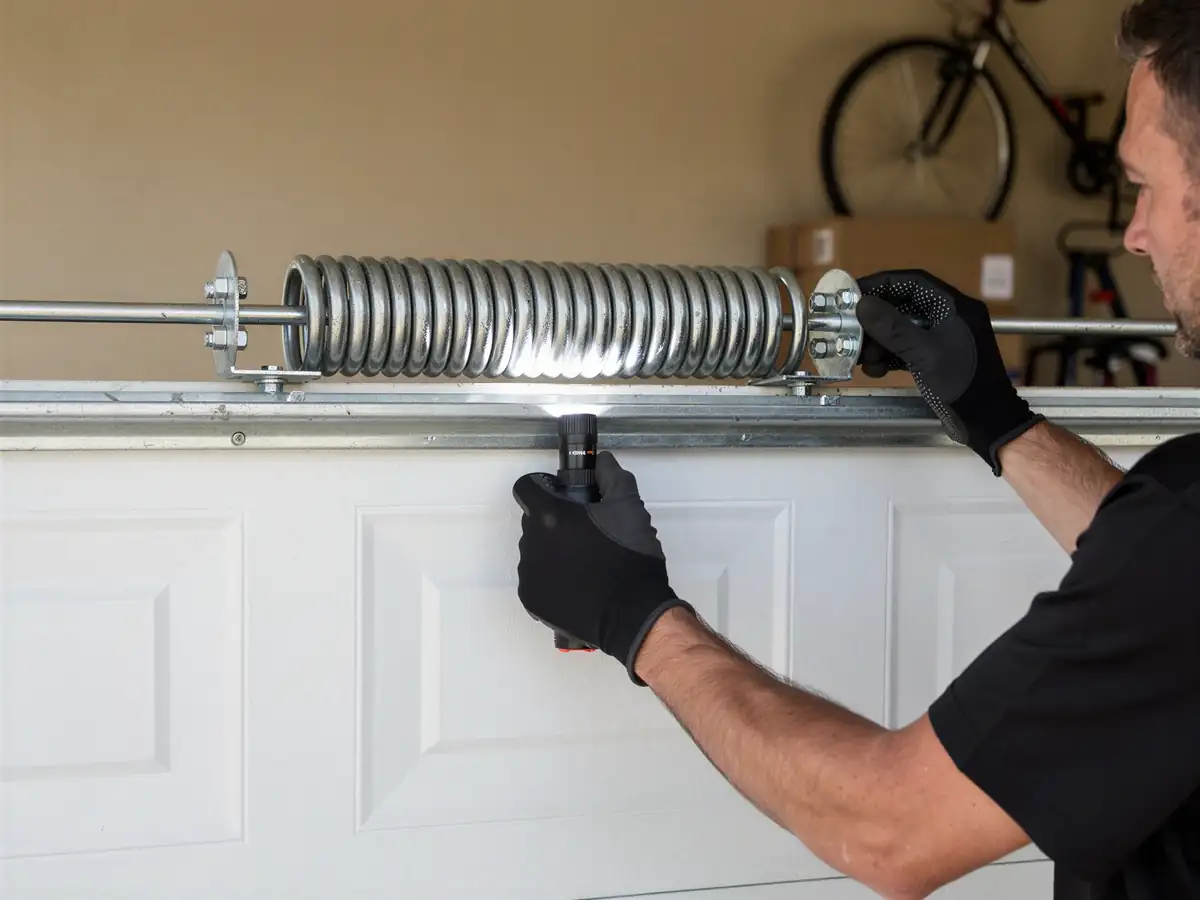
What you shouldn't touch: the torsion spring itself. It's under enough tension to cause serious injury if it lets go while you're working on it, and that's true whether the door is five years old or thirty. If you're not sure whether a noise is a roller problem or a spring problem, that's a legitimate reason to have someone look at it rather than guess. We'll say it plainly: a visual check and some grease is a fifteen-minute job for most owners. Spring adjustment, cable work, and anything involving the torsion bar is not a DIY job, full stop.
Getting It Booked In
At a median household income of $73,750, most owners here can afford a seasonal tune-up but skip it anyway because the door still opens
Until it doesn't. A maintenance visit is cheaper and a lot less disruptive than an emergency spring replacement on a Saturday when the door's stuck halfway up with a car underneath it.
- $73,750 median household income
We run maintenance visits across the service area, not just inside Temple proper
If you're in Morgan's Point Resort, five miles out, or out toward Troy at eight miles, the doors we see are built to the same spec as the ones in town - same build era, same climate, same wear pattern. Get it on the schedule before the next heat stretch or the next cold snap does the work of aging it another year. You can see the rest of what we do from the home page.