Garage Door Service for Little River-Academy Homes
Garage door repair and replacement for Little River-Academy homes built around 1981. Temple Garage Door Pros travels the 9 miles to fix springs, openers, and tracks.
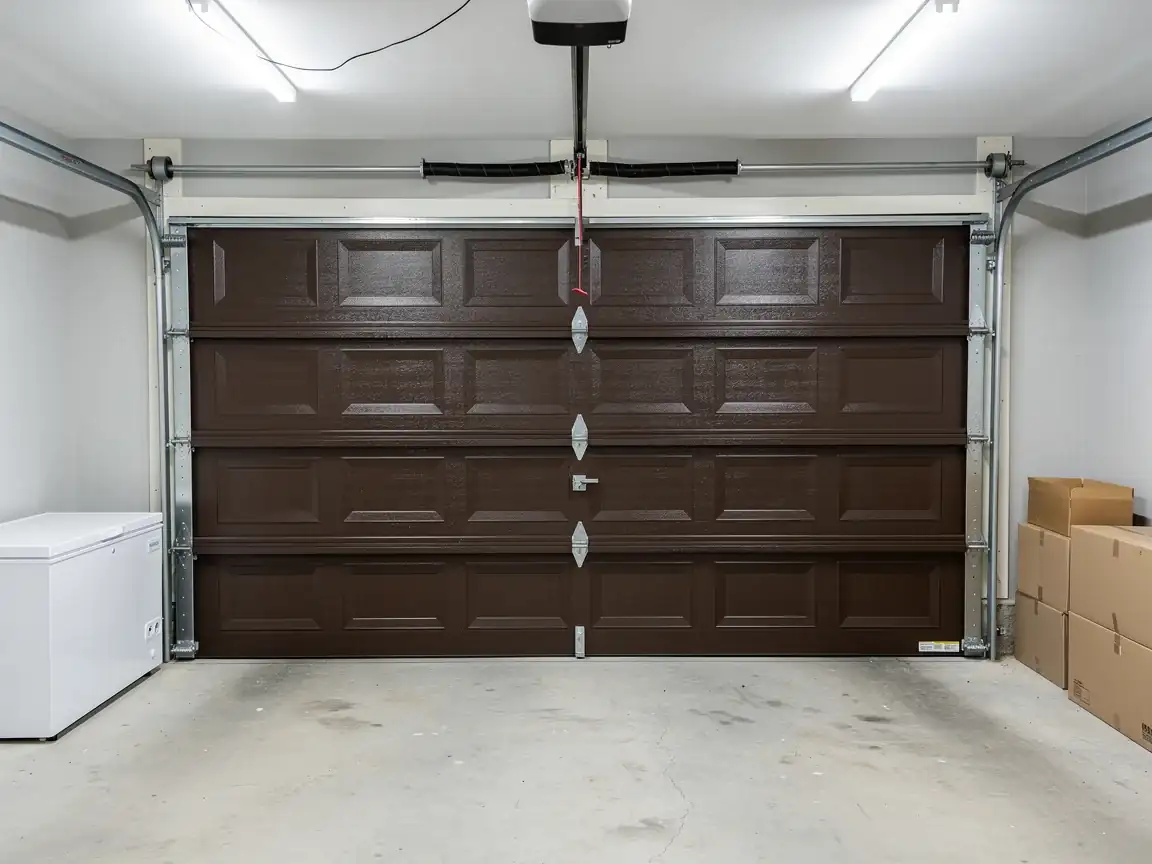
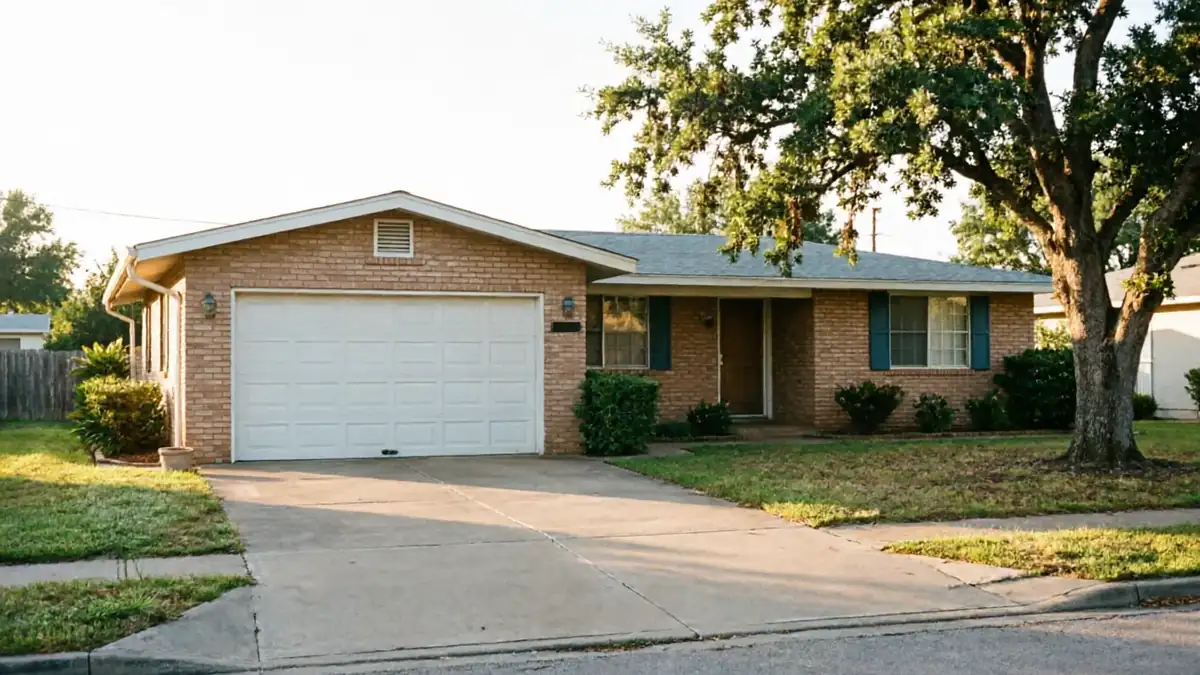
Little River-Academy's housing stock centers on a median build year of 1981, which puts a lot of doors here a decade or more past the newer construction you'll find elsewhere in the wider Temple service area (where the median build year runs closer to 1991). That gap matters. A door installed in the early 1980s is more likely to be a single steel panel without insulation, hung on a torsion spring system that was never upgraded, with a chain-drive opener that's seen two or three motor replacements over the years but still has the original track. Hardware from that era used thinner gauge rail and smaller rollers than what goes in today. When a spring lets go on one of these doors, the fix often isn't a drop-in replacement part, it's a small adaptation to make a current part fit older track spacing. We're not saying every house here has original equipment. Plenty of owners have replaced doors since. But if yours hasn't been touched, the odds are higher here than in the newer pockets of the Temple area that you're dealing with a 1980s-era setup, and that changes what a tech brings on the truck before even seeing the job.
Common Jobs Here
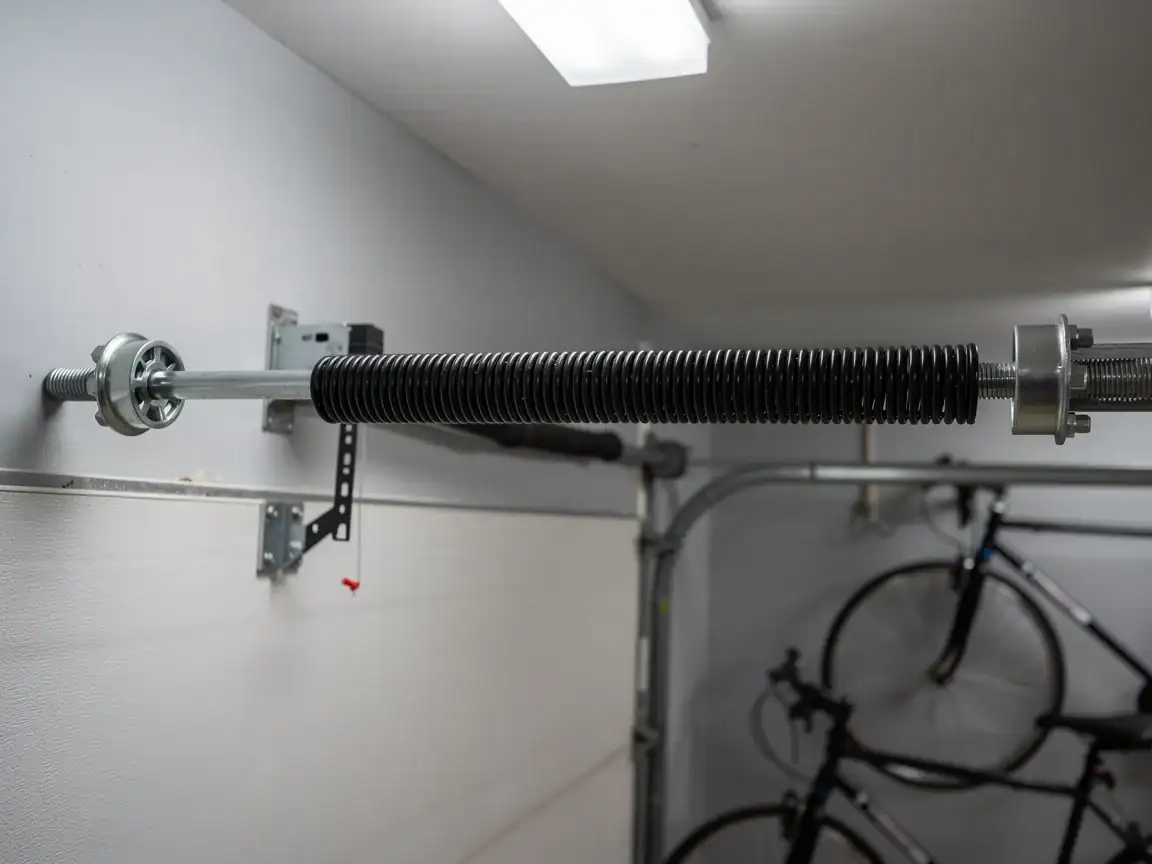
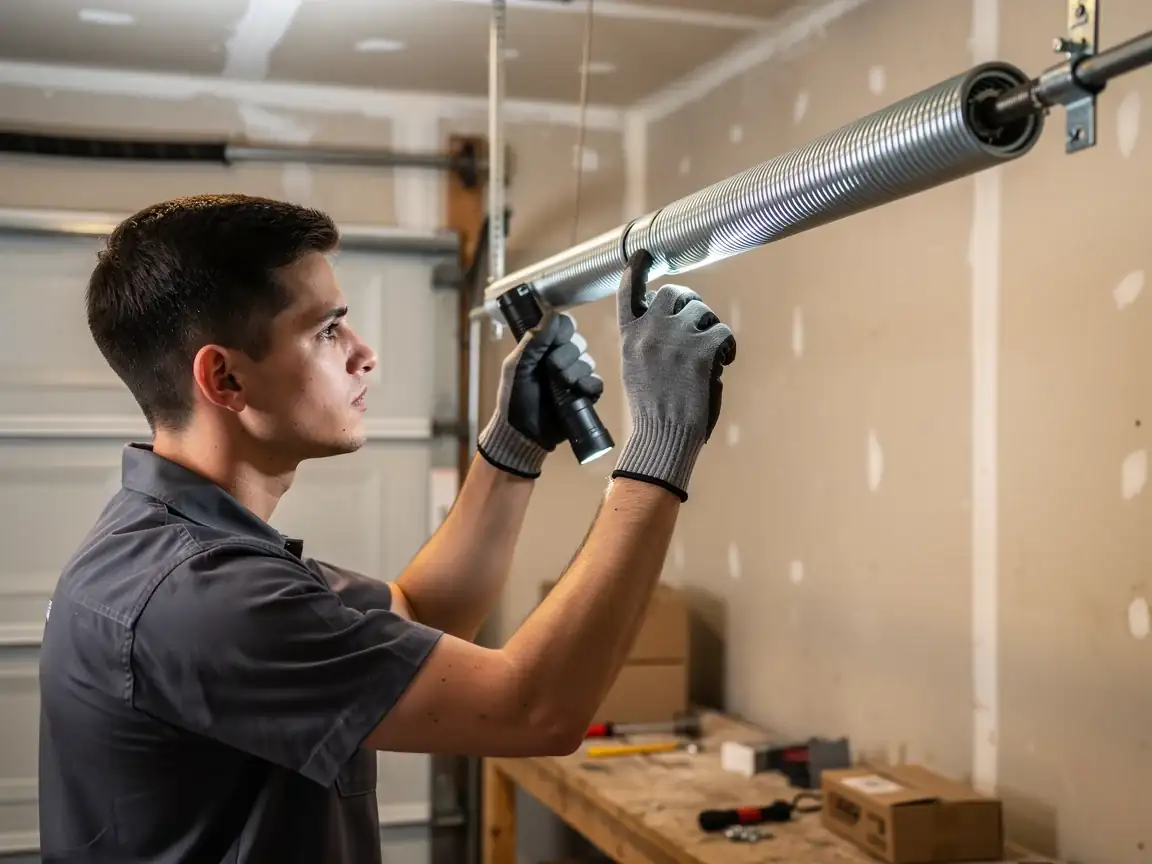
The calls that come out of Little River-Academy skew toward spring failure and opener replacement rather than panel damage from new-construction stress cracking. With a median build year of 1981, a lot of torsion springs on these doors are original or close to it, and springs have a working life measured in cycles, not years, so a 40-year-old spring that's seen daily use is well past due. We also see a fair number of roller and cable jobs, since galvanized rollers from that period wear out and get noisy long before they fail outright. Opener work here tends to be full swaps rather than circuit board repairs, since a unit installed alongside a house built in 1981 has usually outlived its own parts supply. One honest note: if your opener is original to the house, we're not going to spend an hour chasing a logic board problem on a motor that old. At that age it's cheaper and more reliable to replace the unit than to keep nursing it.
This Area's Housing
Little River-Academy is a small area, with around 690 households, which is a fraction of the roughly 28,371 households spread across the larger service area. That size matters for how a service call works here. We're not driving past a depot on the way, we're coming from Temple, about 9 miles out. It's a straightforward run, not a detour, and it's a trip we make regularly as part of covering the broader area rather than as a special case. Median household income in the area sits at $73,750, which lines up with the kind of door and opener upgrades we tend to see requested here: solid mid-range steel doors and belt-drive openers rather than high-end insulated models or bare-bones economy units. The climate here is mild with occasional freeze risk, which is kinder to garage door hardware than harsher climates, but it still means a cold snap can tighten up old grease in a 40-year-old opener chain or make a worn spring finally give out.
Old Streets and New Ones
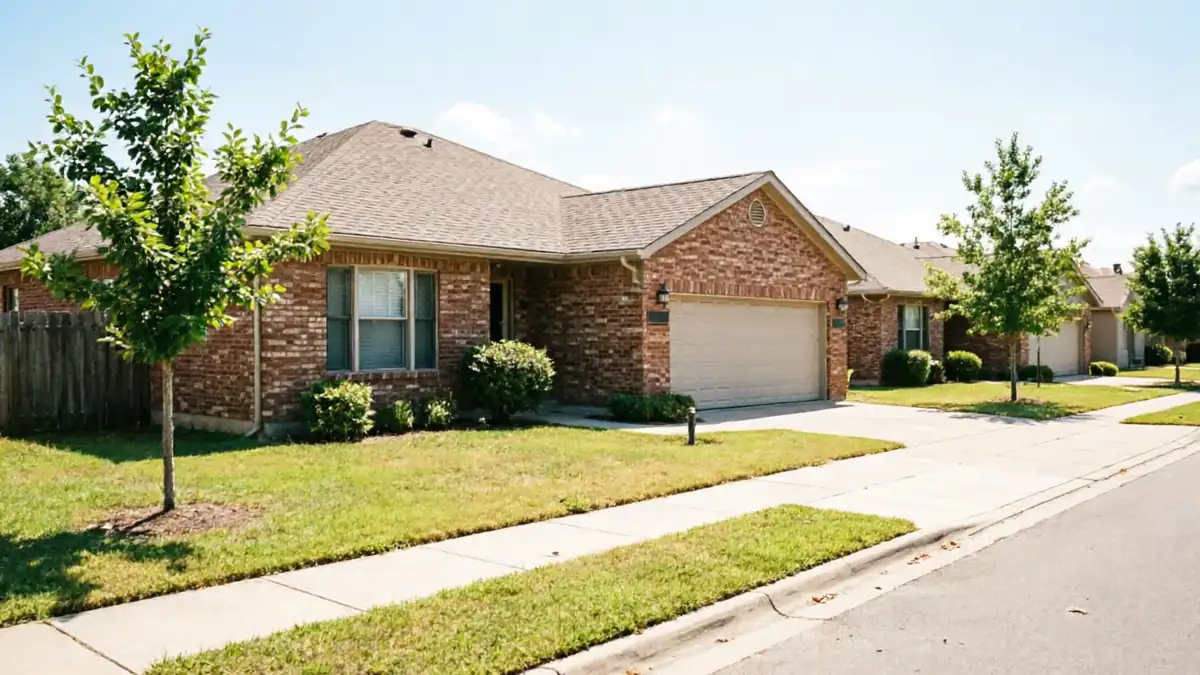
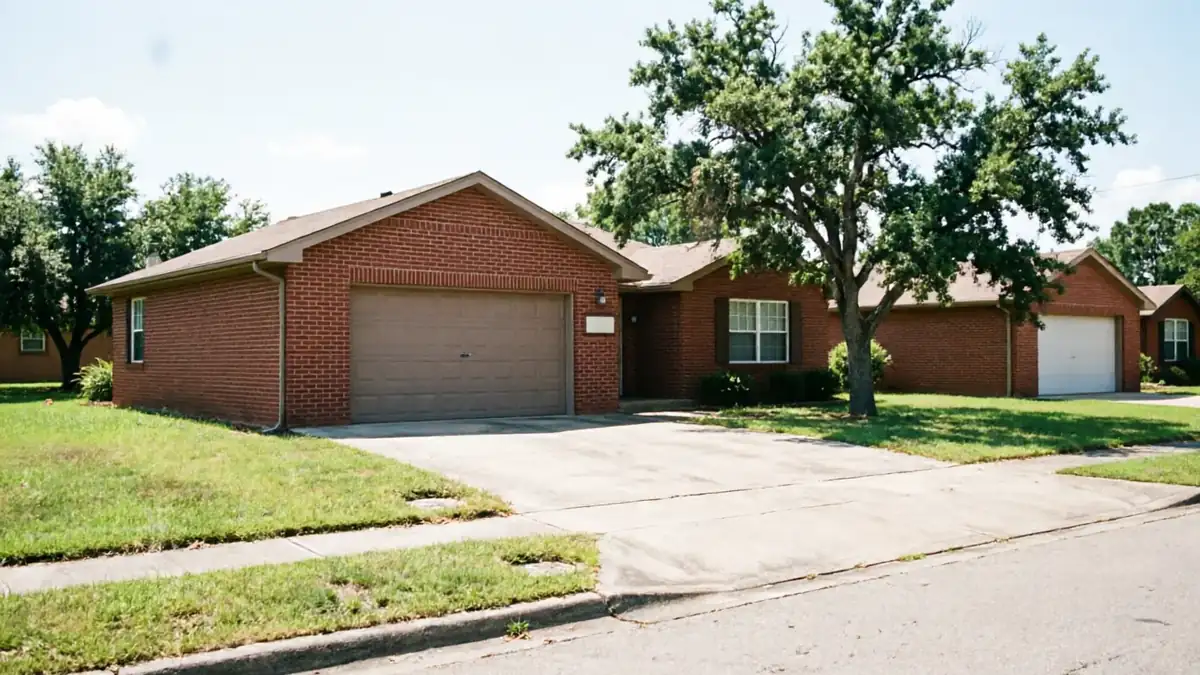
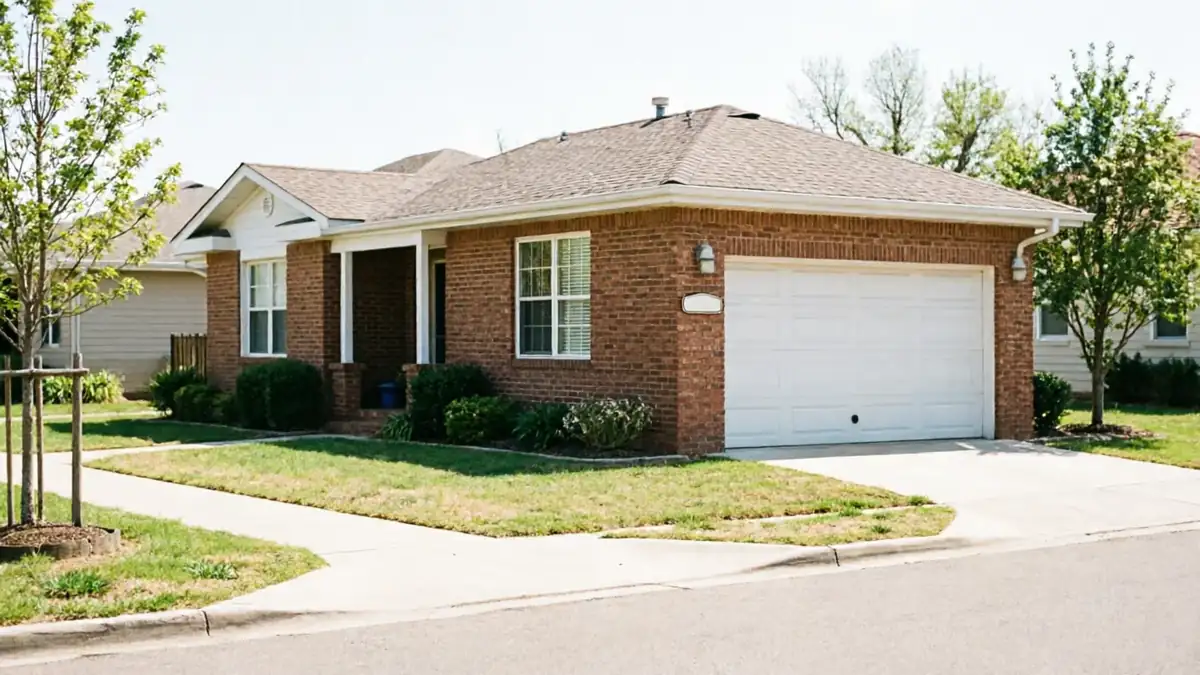
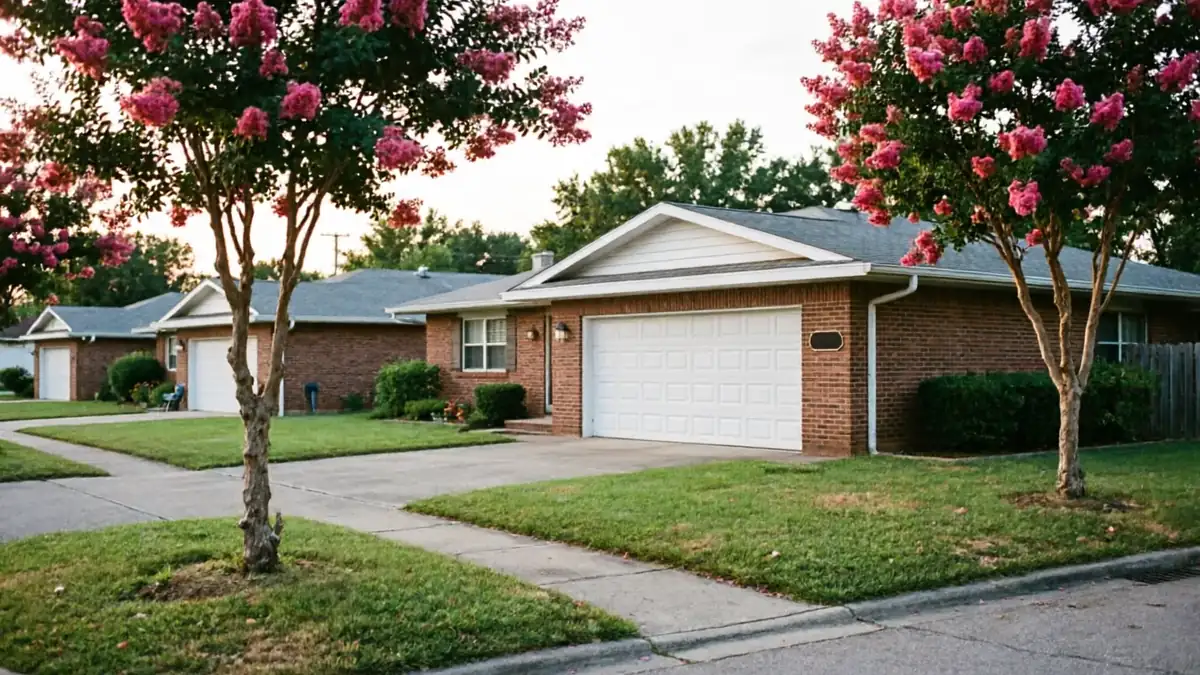
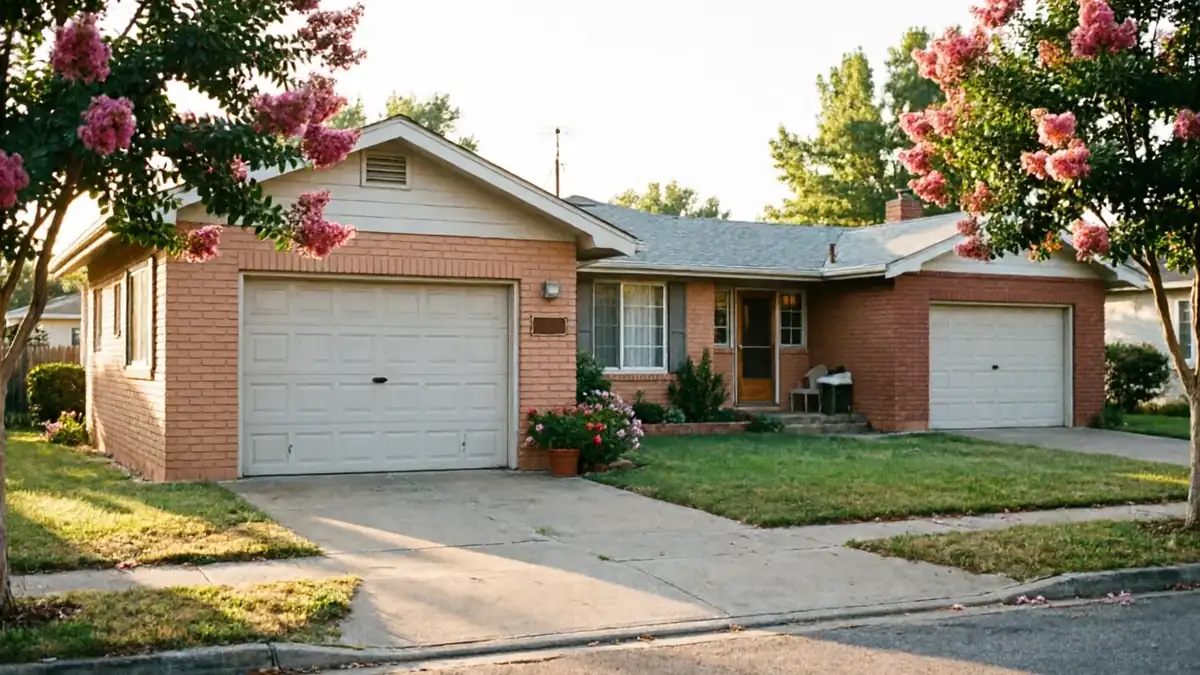
In an area built mostly around 1981, you get a mix of older streets with original driveways and doors, and newer infill where a house has been rebuilt or a door replaced more recently. That mix means two trucks could roll up to houses three doors apart and find completely different jobs waiting: one with a stock modern opener and insulated door, the other with a torsion spring and chain-drive setup untouched since the house was built. We don't assume either one. When we get a call from Little River-Academy, the first question is simply how old the door and opener actually are, because the right fix depends on it more than the street name does. If you're not sure how old your setup is, a quick look at the spring winding cones and the opener's motor housing usually tells the story fast.
How it works
From “it’s stuck” to “it’s fixed”
1
Tell us what’s wrong
Describe the symptom - won’t open, loud bang, opener runs but the door won’t move.
2
On-site diagnosis
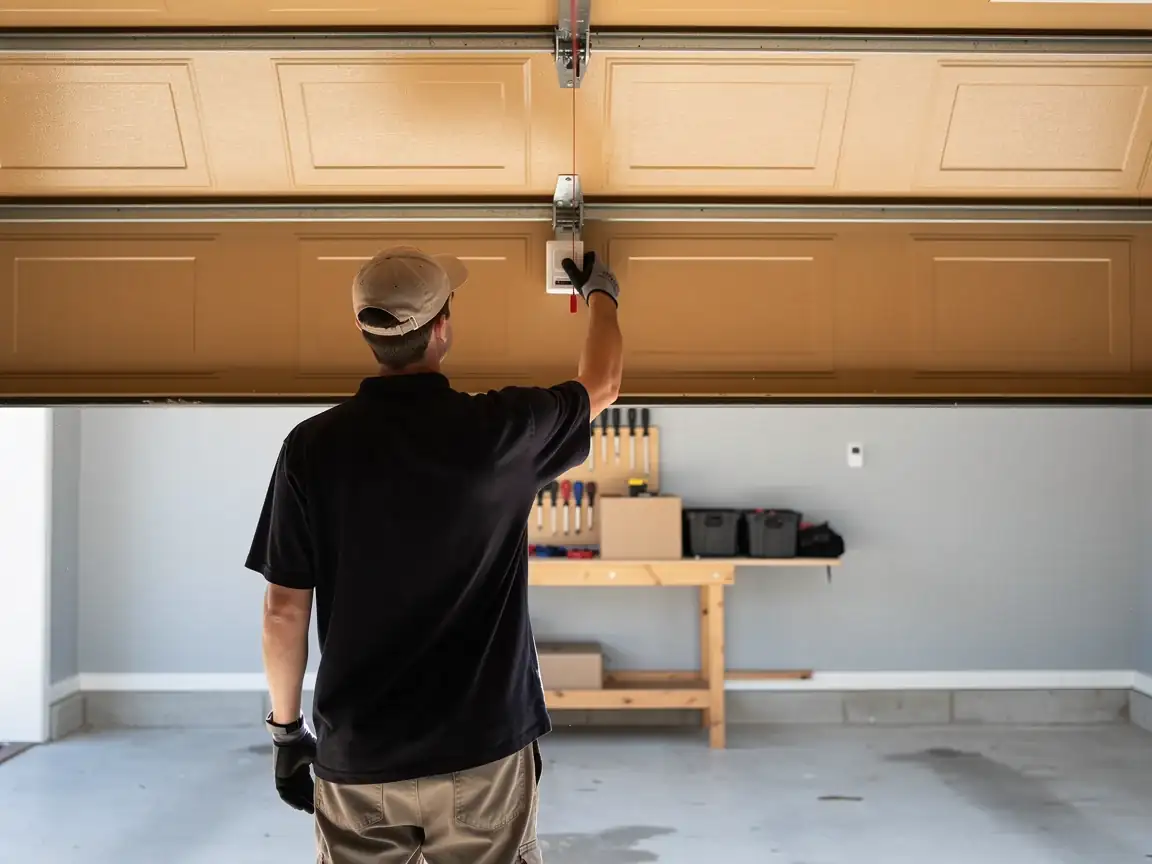
A technician tests the door under power and by hand and finds what actually failed.
3
Clear, up-front plan
You get the fix that’s needed and what drives the cost - before any work starts.
4
Repaired & tested
The repair is done, the door is set true and tested, and the work area left clean.
Not sure which repair your door needs in Temple, TX? Describe what it’s doing - every job starts with a diagnosis.
Do you have a shop or depot in Little River-Academy?
No. Temple Garage Door Pros is based in Temple and drives out to Little River-Academy, about 9 miles, for service calls. We don't claim a local depot here, just a regular route through the area.
Why does my 1980s garage door need different parts than a new one?
Doors from that era, common here given the 1981 median build year, often use narrower track and smaller rollers than current standard hardware. A modern spring or roller sometimes needs a small adjustment to fit the older frame correctly.
Is it worth fixing an opener that old?
Usually not past a certain point. If the opener is original to a house built around 1981, we'll tell you honestly when the board or motor cost outweighs just replacing the unit. We don't chase repairs on equipment that old just to run up a bill.
Does the climate here affect garage door maintenance?
The area has a mild climate with occasional freezes, not the extremes that wreck hardware fast. But cold snaps can still stiffen old grease in a decades-old opener chain or be the final push that breaks an already-worn spring.
Ready to get your garage door sorted?
Tell us what it’s doing and where you are in Temple - we’ll take it from there.