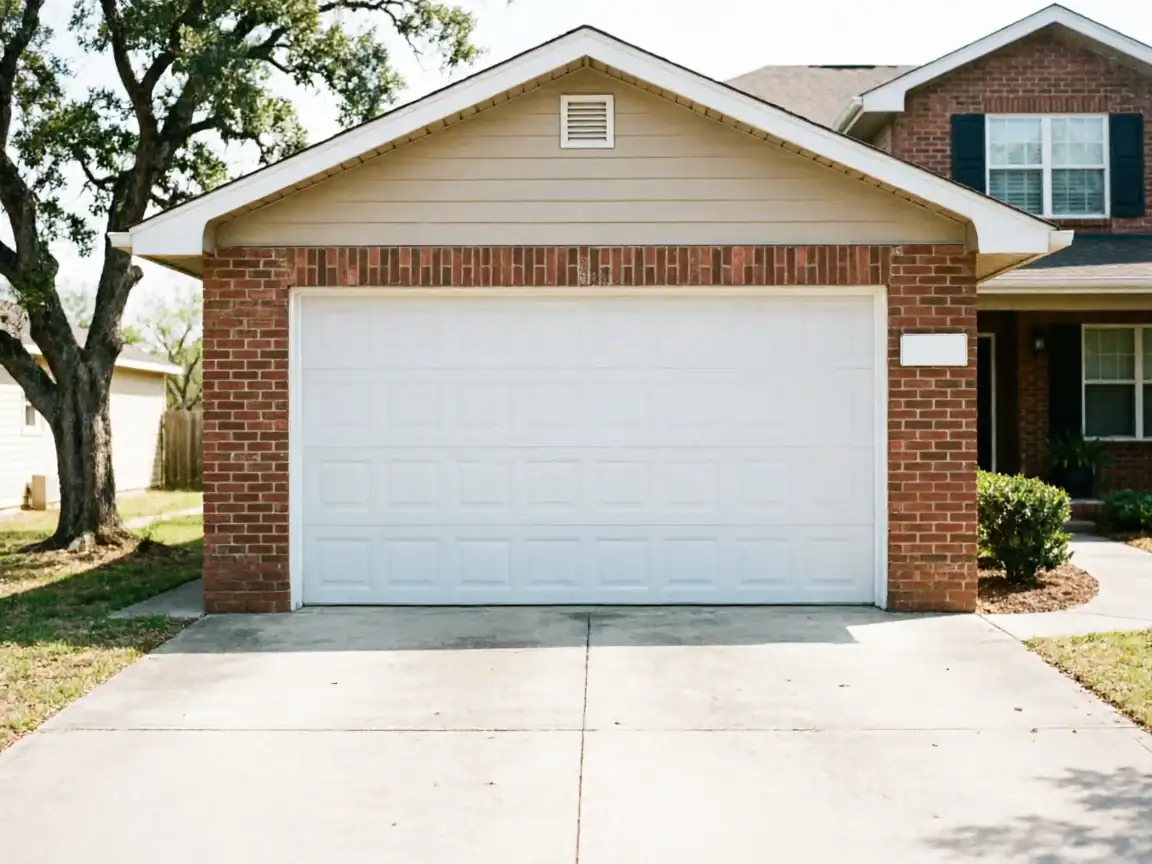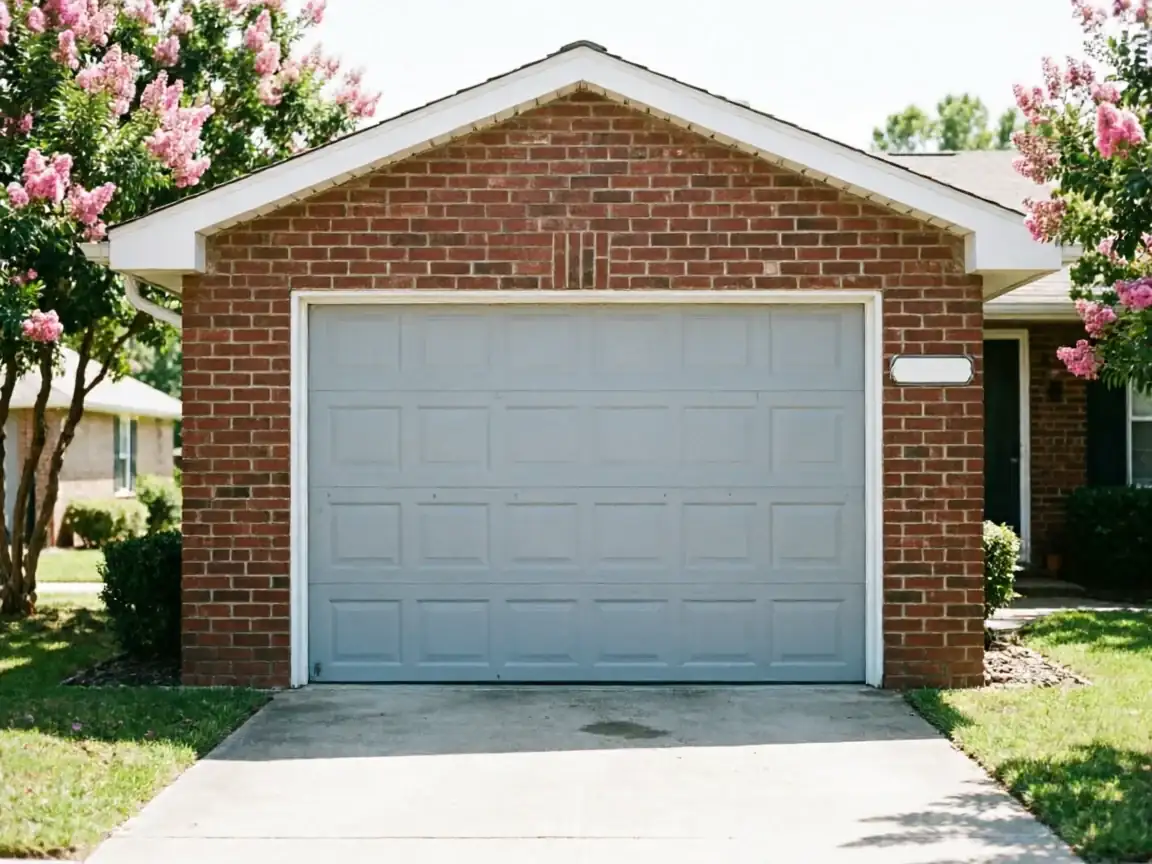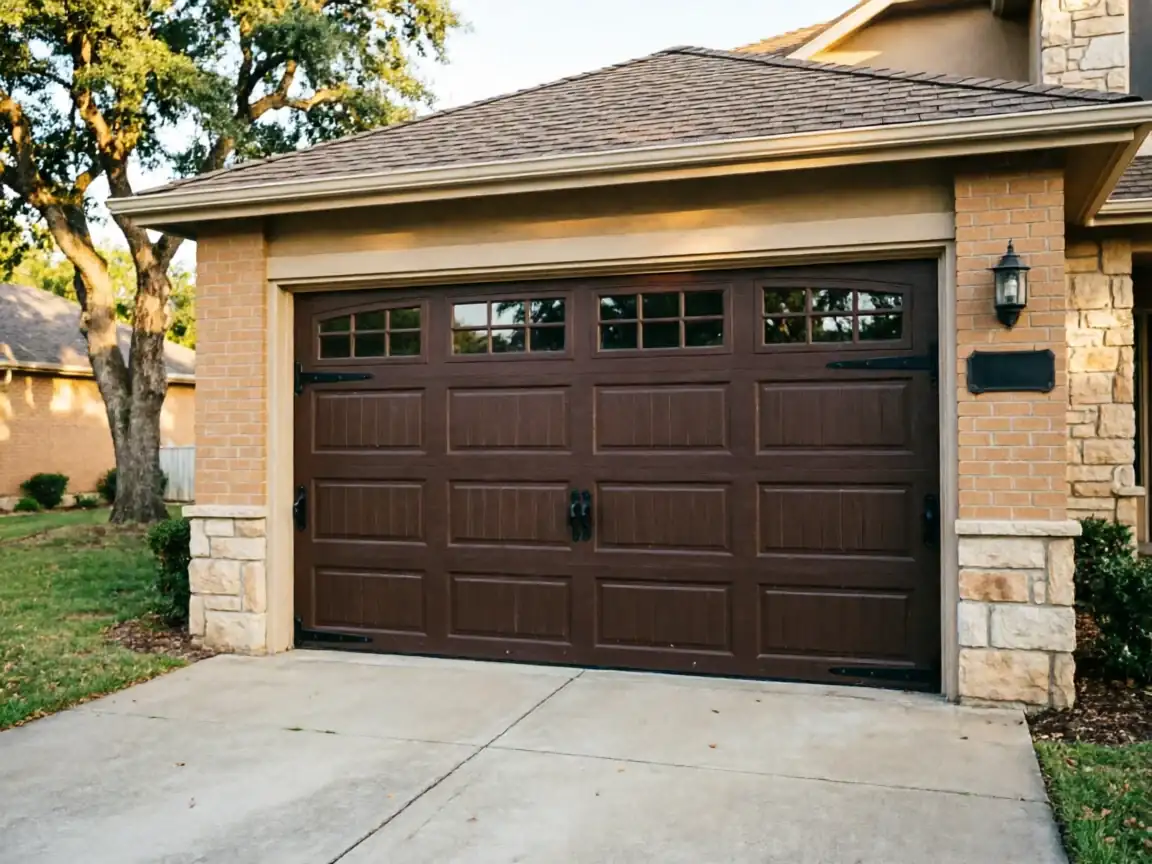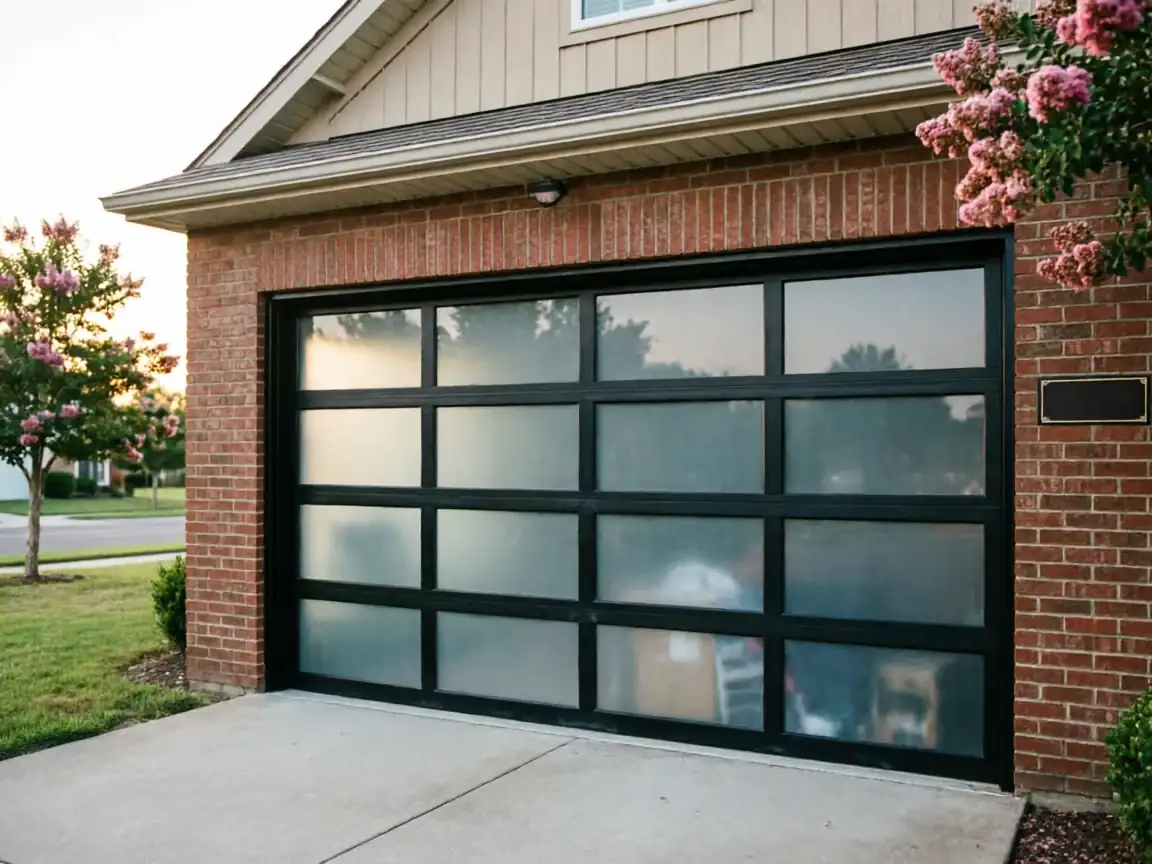
How Long It Takes
A torsion spring job on a standard double door usually runs under two hours once the truck is on site
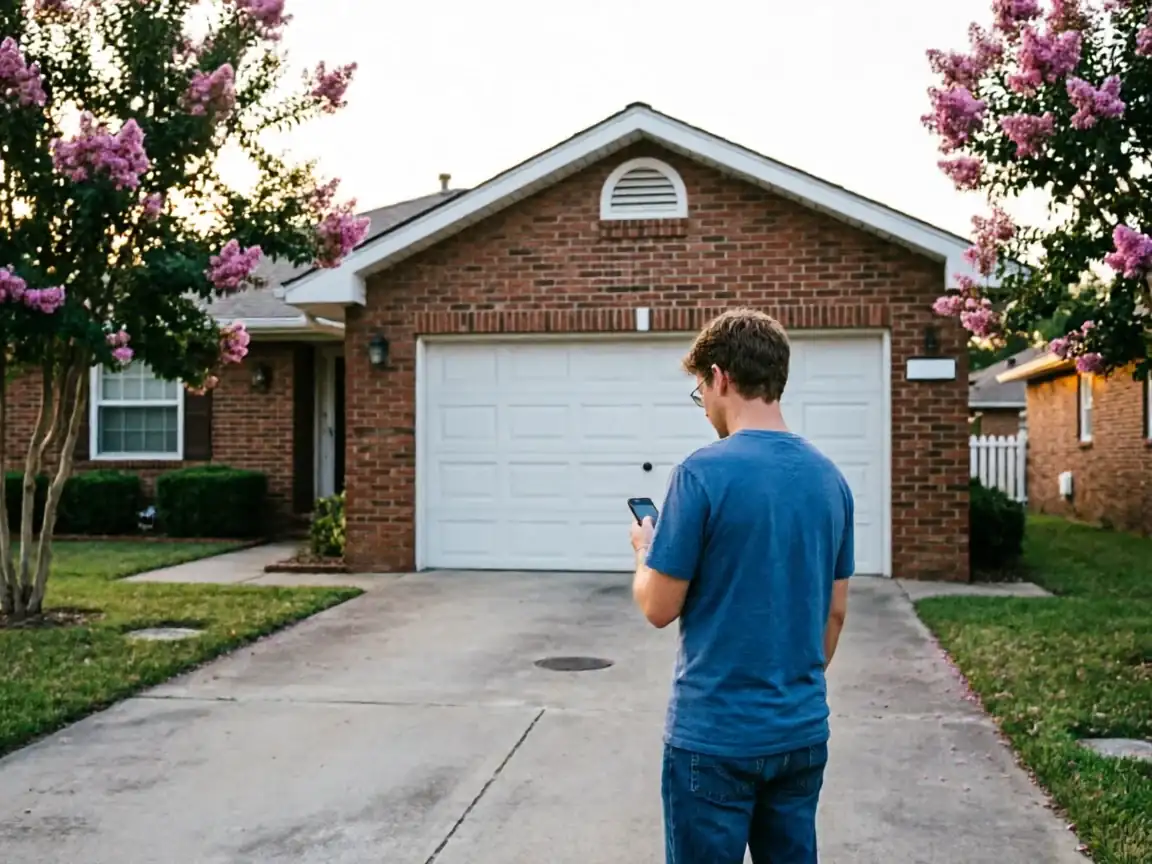
But Little River-Academy adds nine miles of drive time from Temple that a lot of homeowners don't account for when they call around 4pm hoping for a same-day fix. That's not a complaint about the distance - it's just math you should plan around if your door is stuck shut and you need the car out.
Most of the houses out here went up around 1981
Which puts the springs themselves on a predictable clock. Torsion springs are rated in cycles, not years, but a spring installed when a house was built in the early 1980s has had four decades to fatigue, and plenty of them are still the original part. If yours has never been replaced, the question isn't whether it will break - it's whether it breaks on a Tuesday morning or a Saturday when you've got somewhere to be.
Diagnosis itself takes minutes
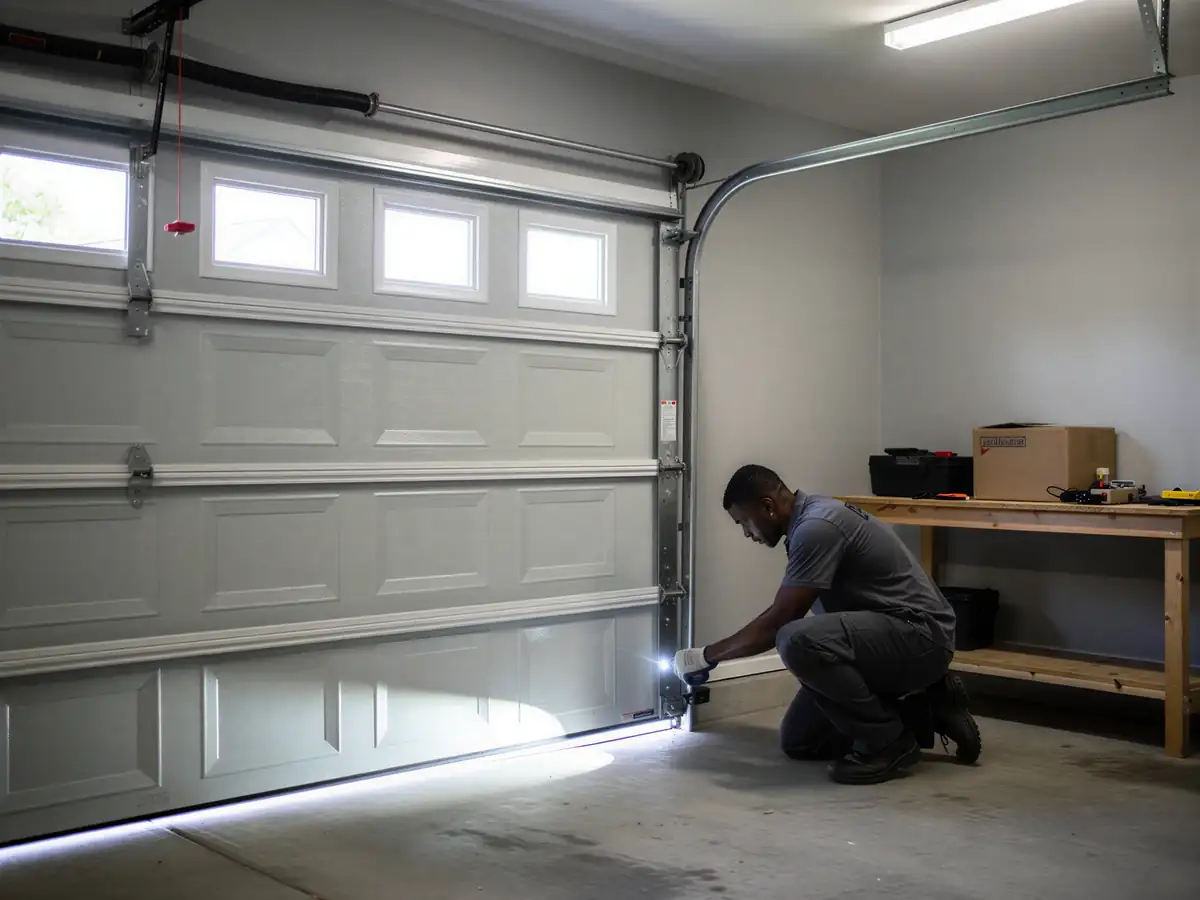
A broken torsion spring is one of the few garage door faults you can usually spot from the driveway - the door won't lift, or it lifts a few inches and stops. The time on the job goes into matching the spring wire size and wind direction to what's actually on your shaft, not guessing at it.
How It Shows Up
The most common version: you hit the opener button and the door doesn't move, or it moves a couple of inches and the opener strains and gives up. That strain is the giveaway - openers aren't built to lift a door's full weight without spring assistance, and once the spring snaps, the motor tries and fails every time.
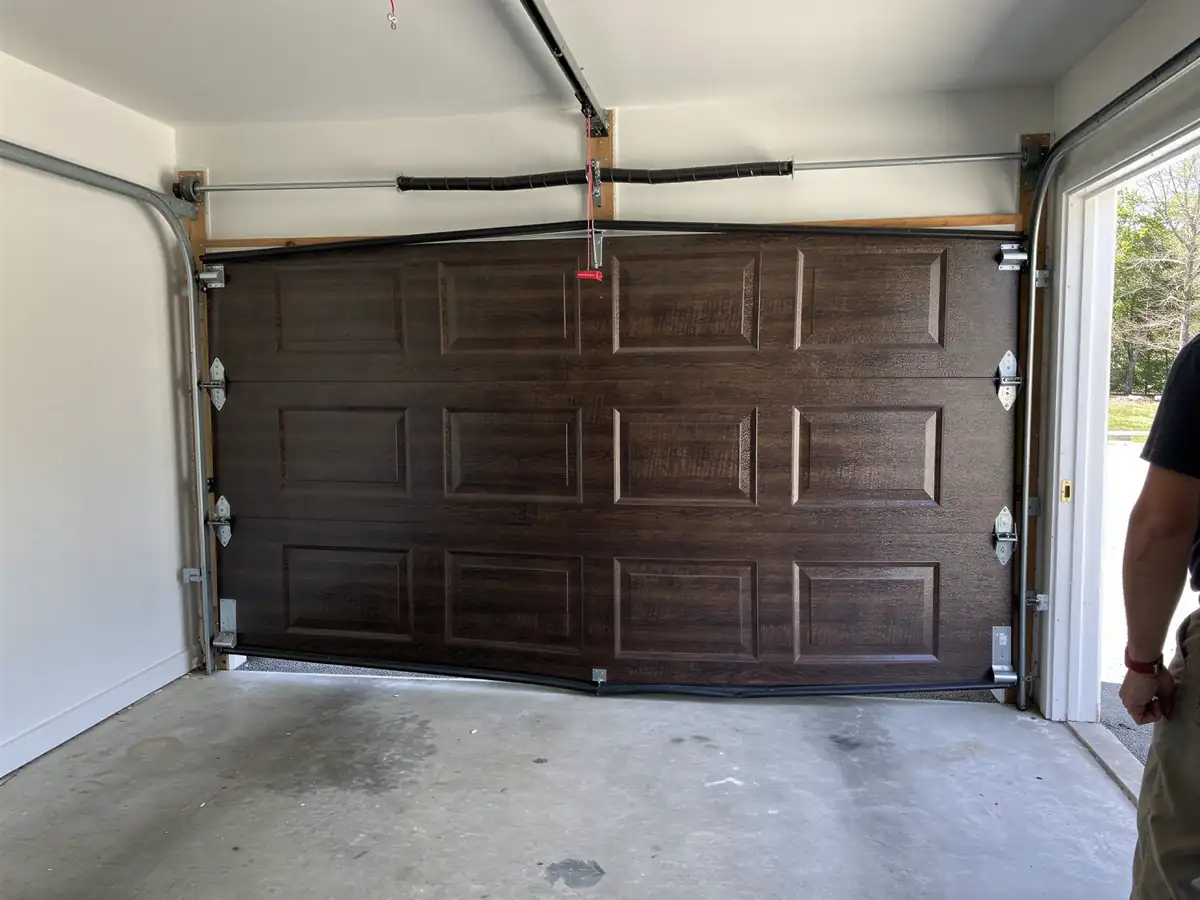
Sometimes it's quieter than that. A spring that's winding down rather than snapping clean will show up as a door that feels heavier by the week, or one side that lifts faster than the other on a double door with two springs. If you've noticed the door looking slightly crooked when it's halfway up, that's usually one spring still holding and the other gone or going.
Less obvious but just as telling: a loud bang from the garage, sometimes mistaken for something falling. That's the spring letting go under tension. Nobody's hurt, usually, but the door is now dead weight on a track.
Why This Fails Locally
Houses in this part of the service area were mostly built around 1981, and that era matters more than people think. Spring sizing from that period was built to the door weight and track hardware common then - lighter doors, standard-lift tracks, and torsion springs sized without the insulation and heavier panel upgrades a lot of owners have added since. If you've swapped in a heavier insulated door but never had the spring re-rated for it, you're running a spring that's undersized for the load it's now carrying, and it fails sooner than it should.
The mild climate with occasional freeze doesn't put the same stress on springs that a harsh winter would, so cold snap failures aren't the main driver here the way they are further north. What drives failure in this area is mostly age and cycle count catching up with original 1980s-era hardware that's never been touched. A spring installed when a house was new is well past its expected life by now, freeze or no freeze.
What the Fix Involves
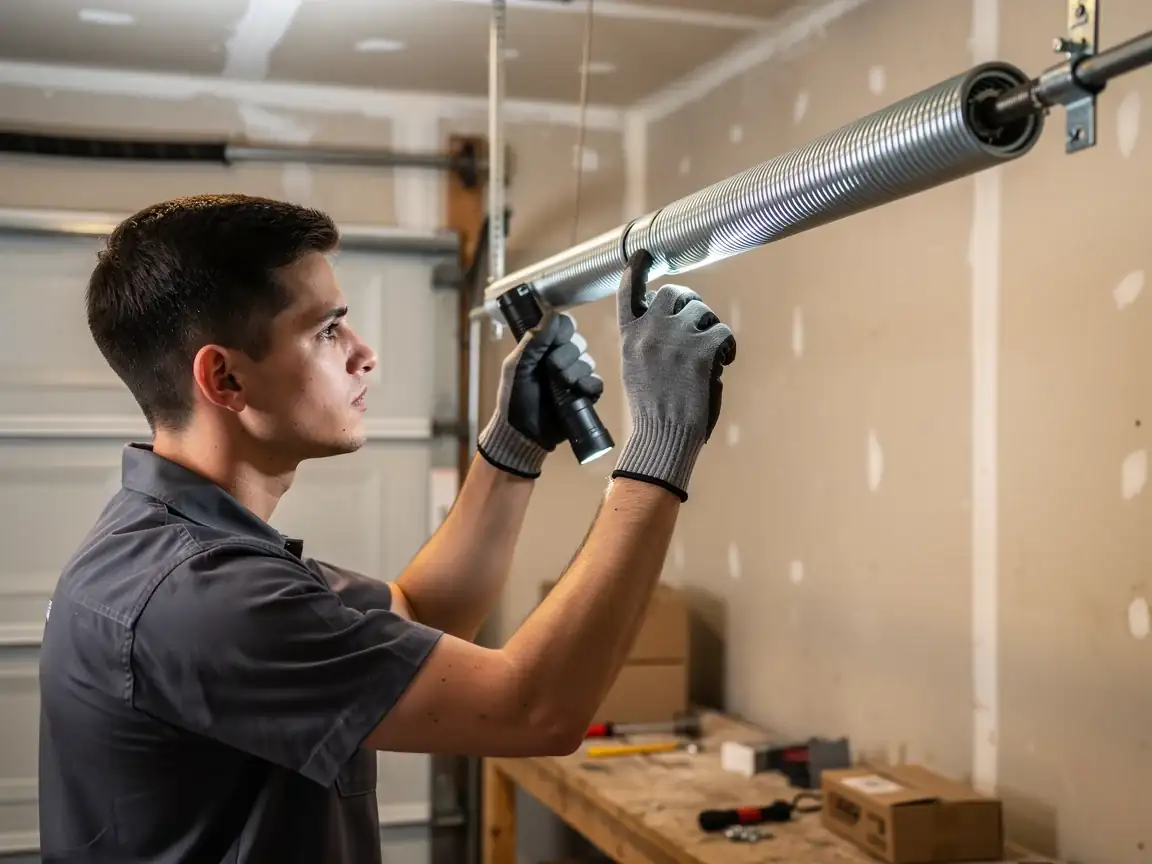
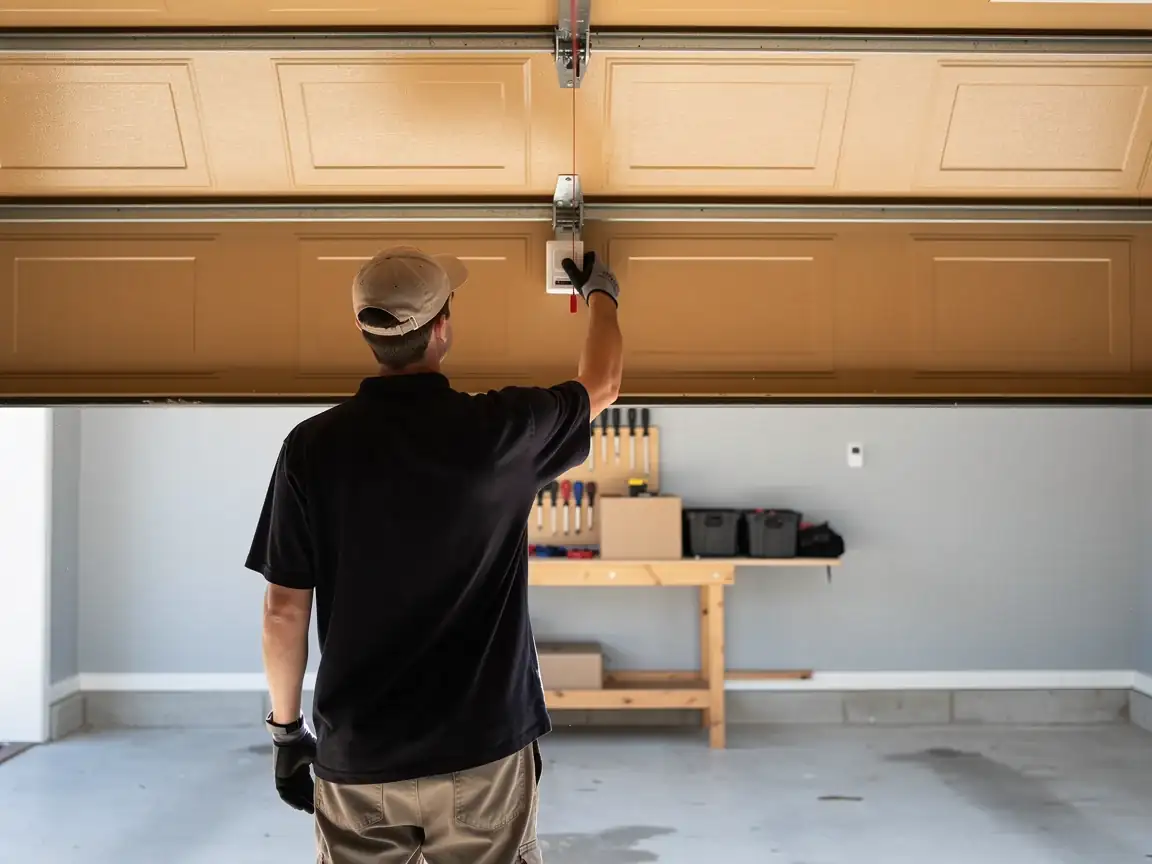
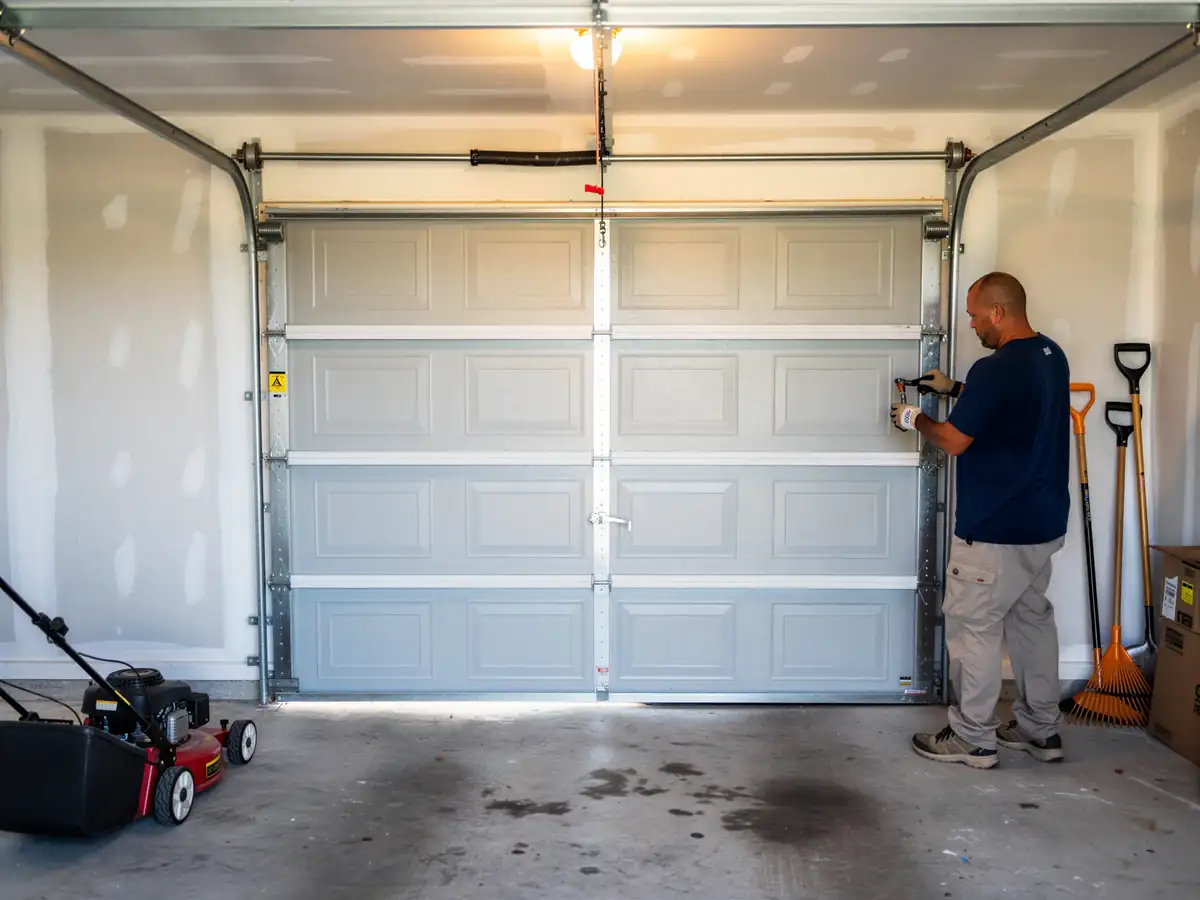
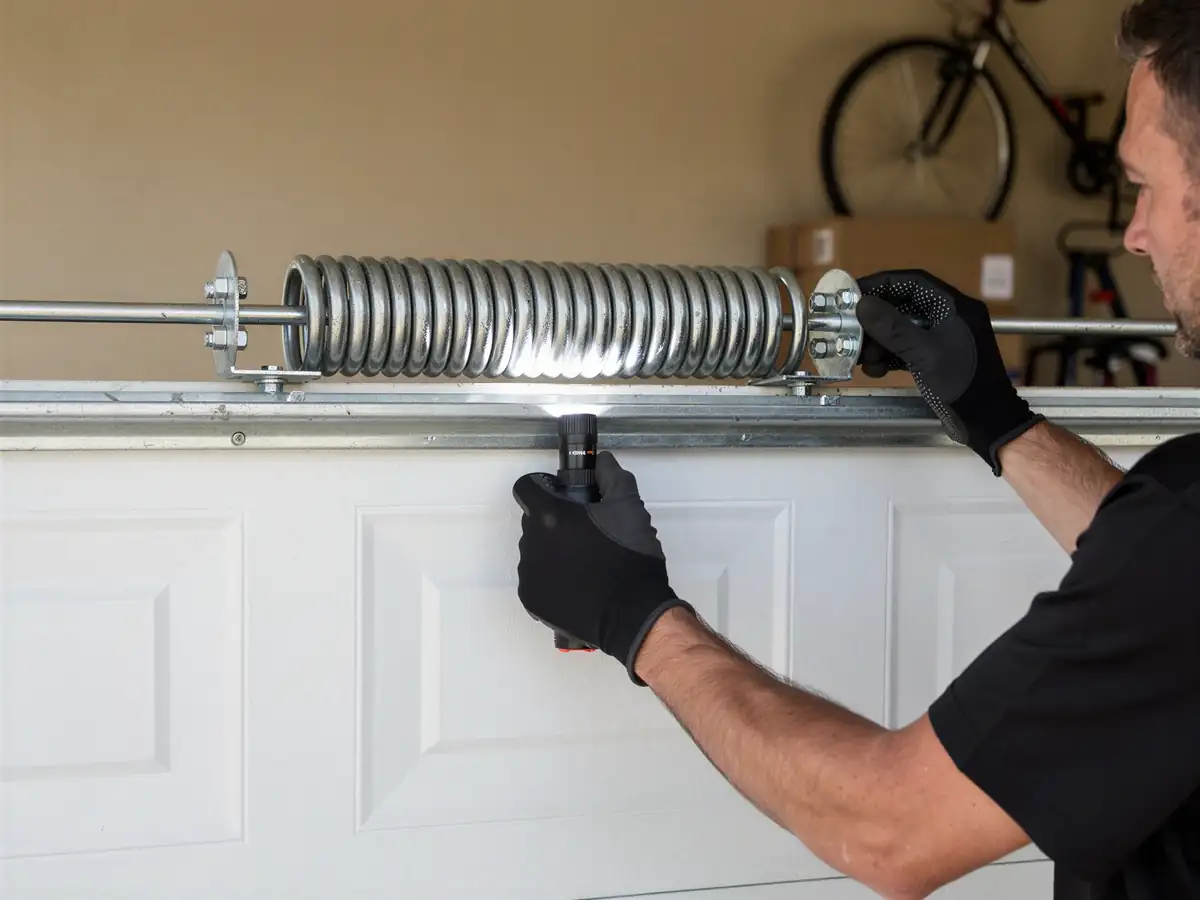
Replacing a torsion spring means releasing tension on the old spring safely, pulling it off the shaft
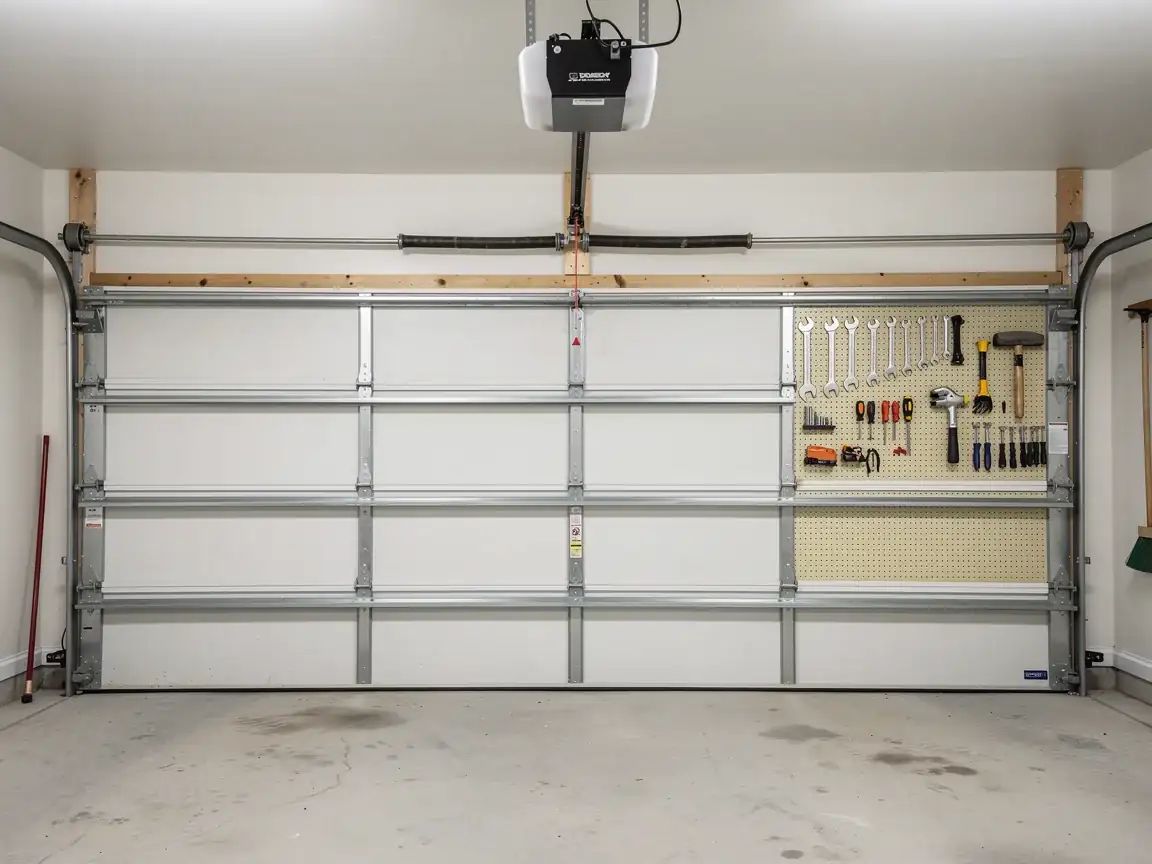
And winding a new spring matched to your door's weight, width, and lift type. On a lot of the doors out here from the early 1980s, that's a standard torsion setup - one or two springs on a center bracket above the door, which keeps the job straightforward as long as the shaft and bearings aren't also worn.
We check the cable, drum, and bearing plates while we're in there
Because a spring that let go under strain sometimes takes a cable with it, or the bearings have been grinding for a while without anyone noticing. If the shaft is pitted or the drums are cracked, that's an extra conversation - not every job stays a one-part fix once the cover's off.
One limitation worth saying plainly
If the door itself is warped or the track is bent from the spring failure, spring replacement alone won't fix the symptom. We'll tell you straight if the door needs more than a spring before we quote the job.
The Cost of This Job
We don't publish a flat number here because spring size, door weight, and whether it's a single or double spring setup all move the price, and quoting blind does nobody any favors. What we can say is that the trip from Temple is part of the job, not an add-on fee buried later - it's priced in up front when you call.
Household incomes in this part of the service area run around $73,750, which is in line with the rest of the area we cover, so pricing here isn't different from a Temple job of the same scope. The spring itself is a modest part of most invoices - the labor to release tension safely and re-balance the door afterward is where the time goes.
Getting It Booked In
Call ahead rather than assuming a technician can swing by on the way through, since the nine miles from Temple means routing matters for same-day visits. Tell us what you're seeing - door won't budge, opener straining, a bang you heard - and we can usually tell from that whether it's the spring or something else before the truck even leaves.
If you're not sure whether your door needs a spring or something bigger, our service page for Little River-Academy covers the other common issues we see out this way. For the full rundown on spring repair itself, the Temple spring repair page has more detail on the process.