How It Shows Up
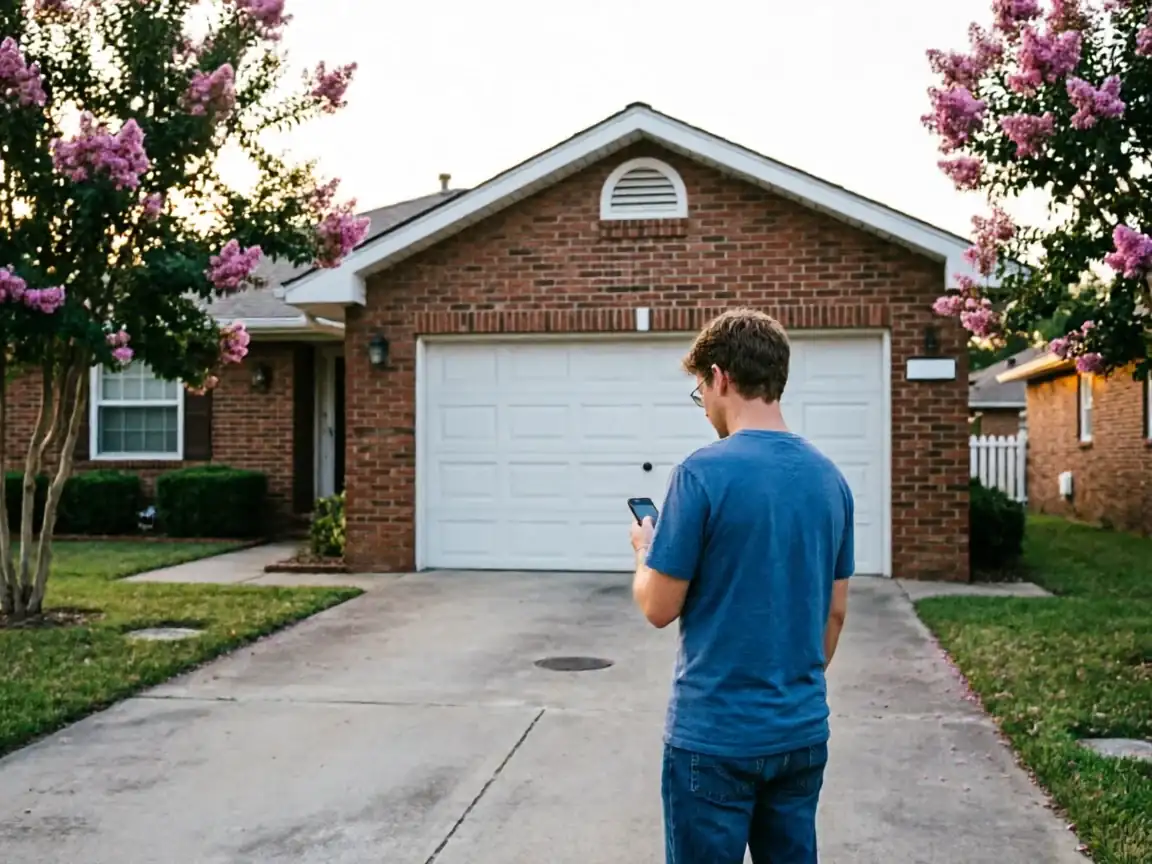
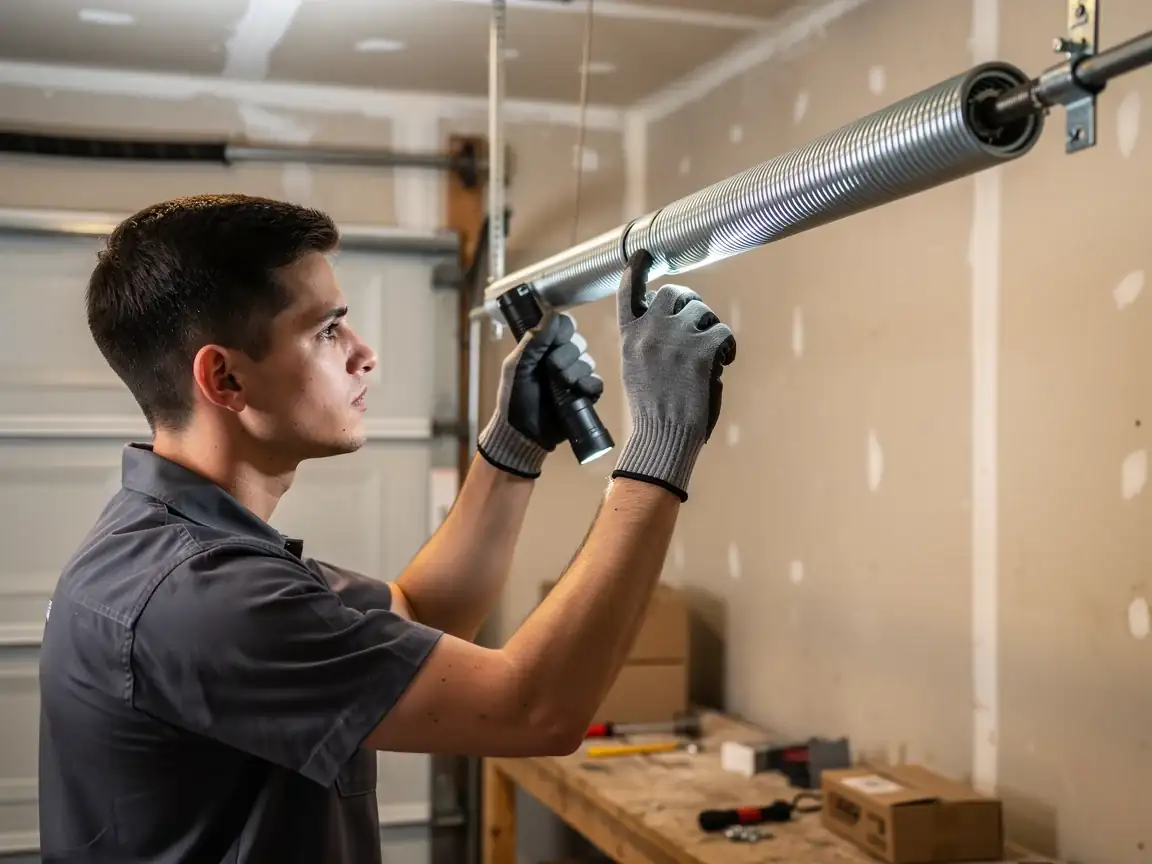
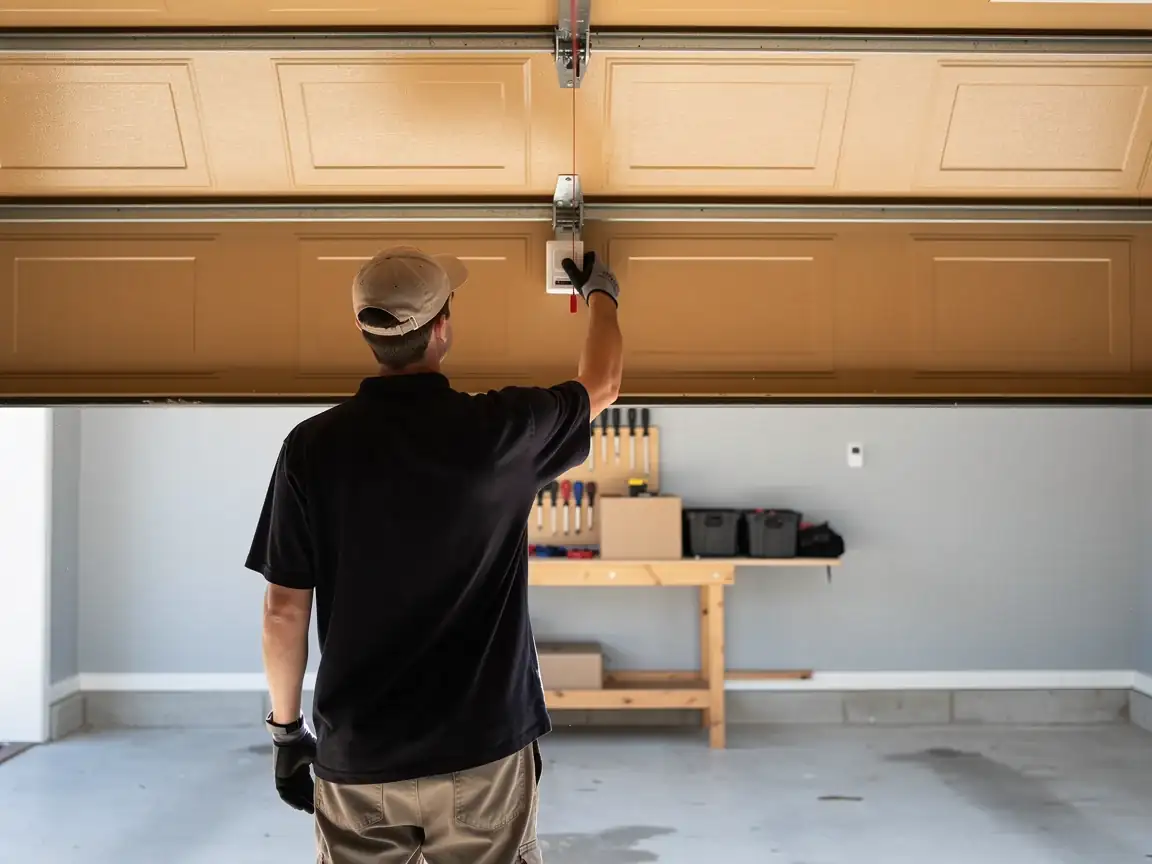
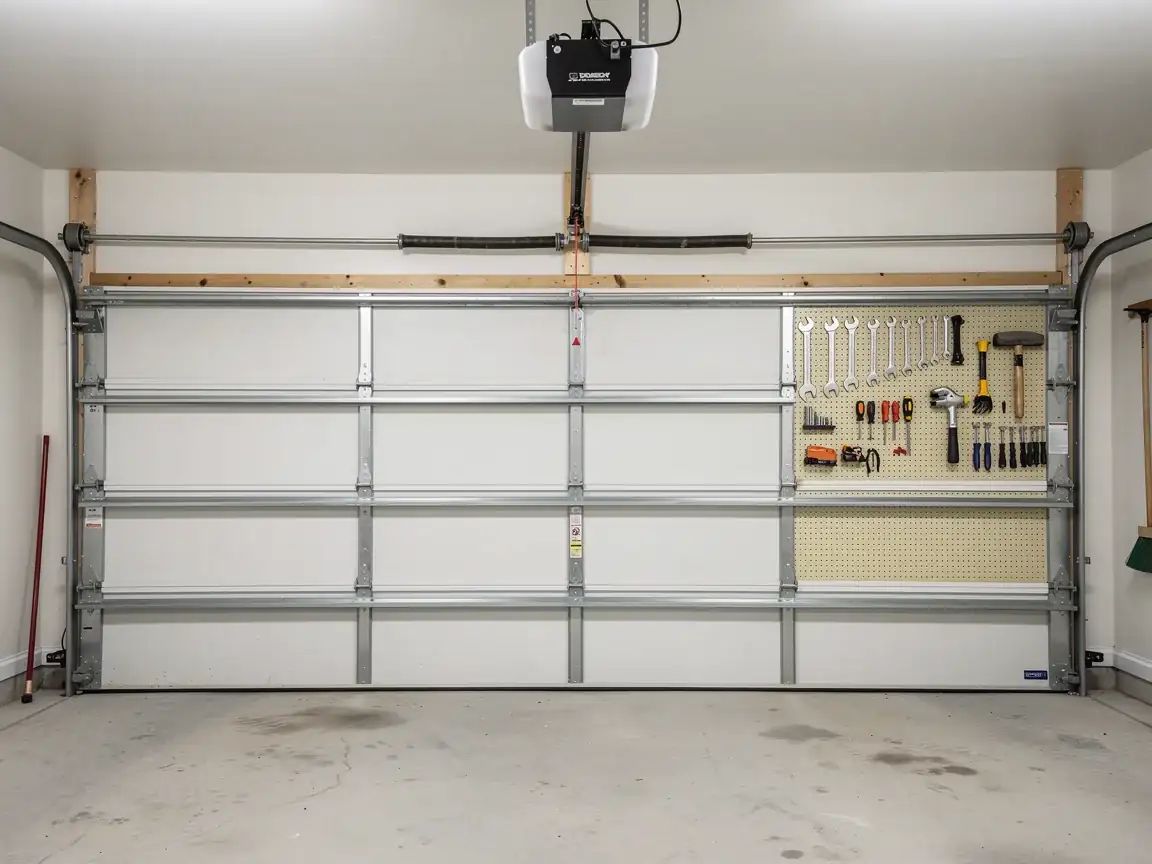
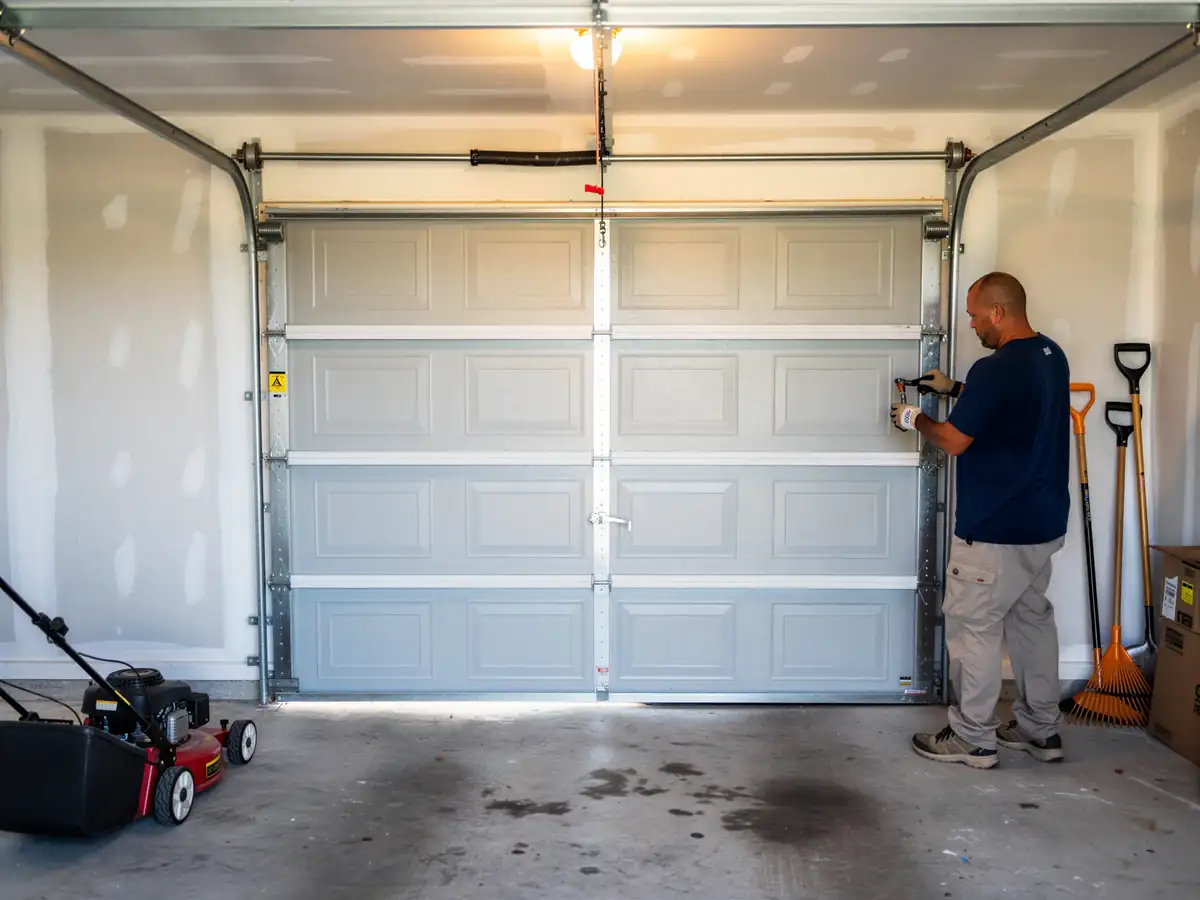
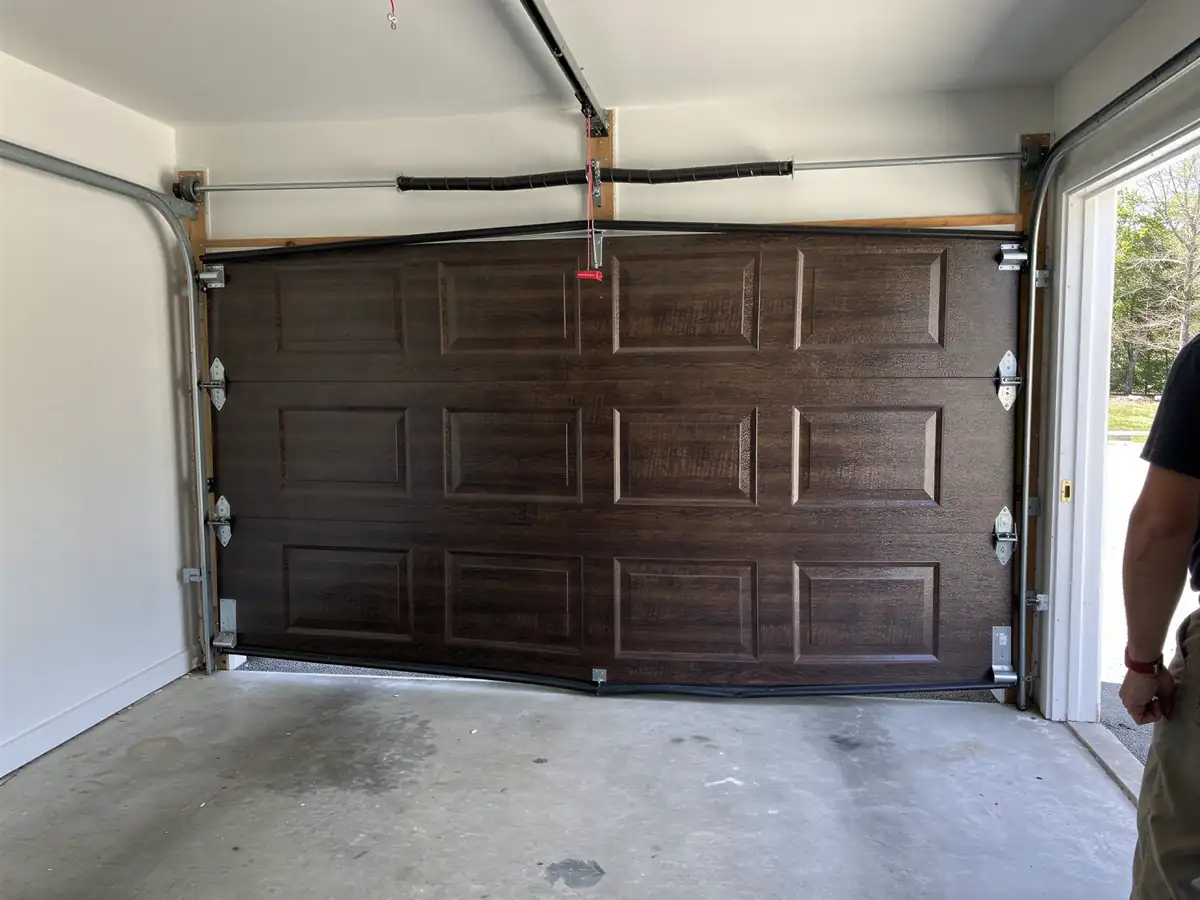
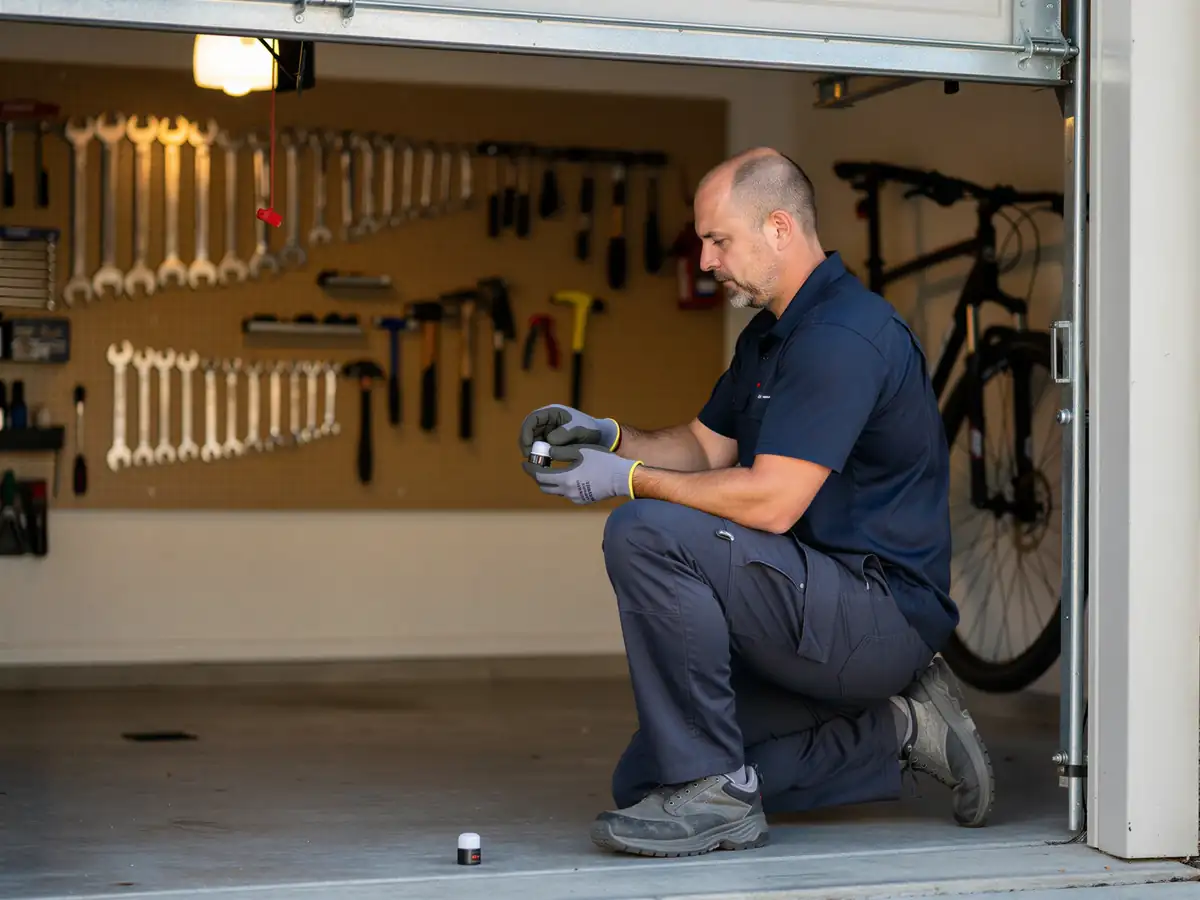
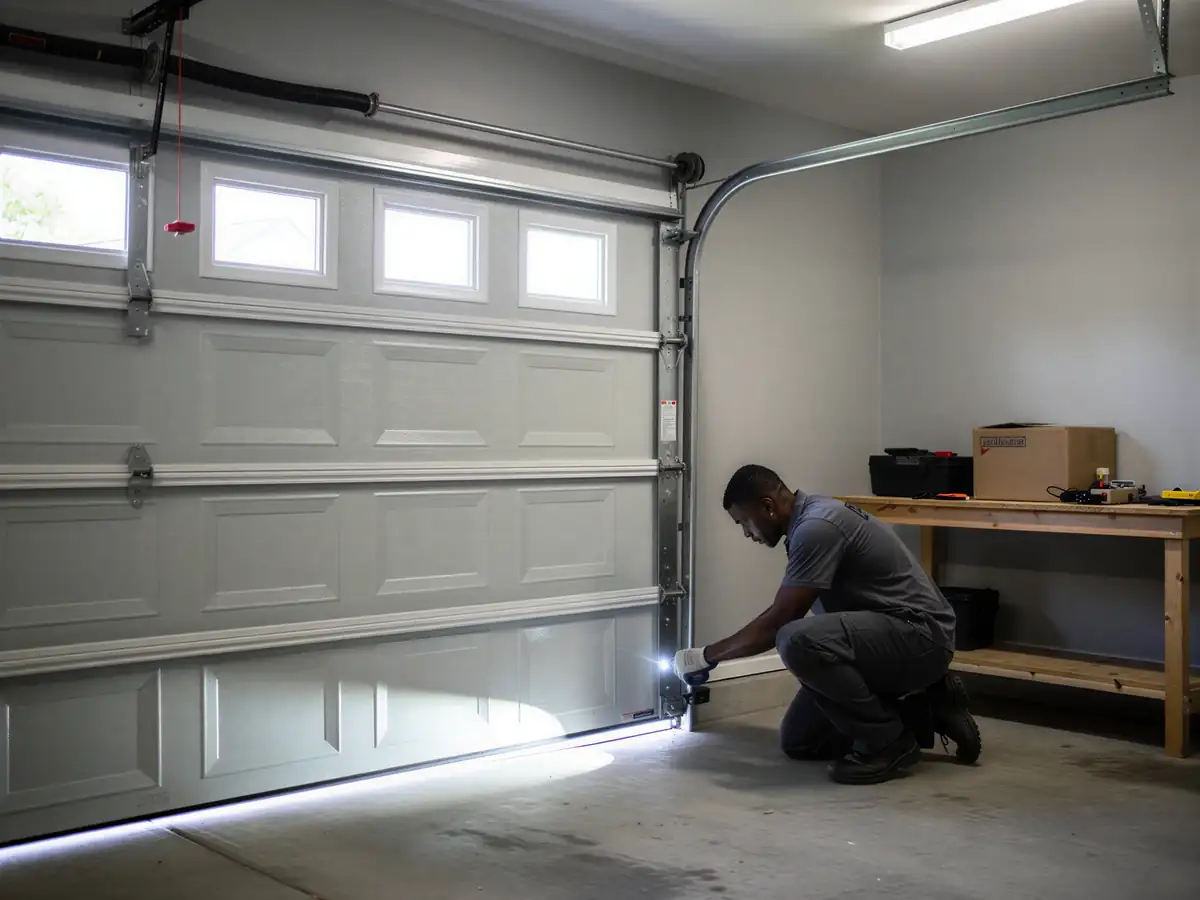
The complaint we hear is usually one of three things: the door won't lift past a foot or two, it slams the last six inches on the way down, or the opener runs but the door doesn't move. All three point at the same root cause in a house this age - a spring that's lost tension gradually over four decades rather than snapping outright. You might also notice the door sitting crooked in the frame, which tells us one cable has started to fray while the other hasn't, a mismatch that's common once hardware passes the thirty-year mark. None of this is dramatic. It's wear showing up the way wear does, slowly, until one morning the door just won't go.
Why This Fails Locally
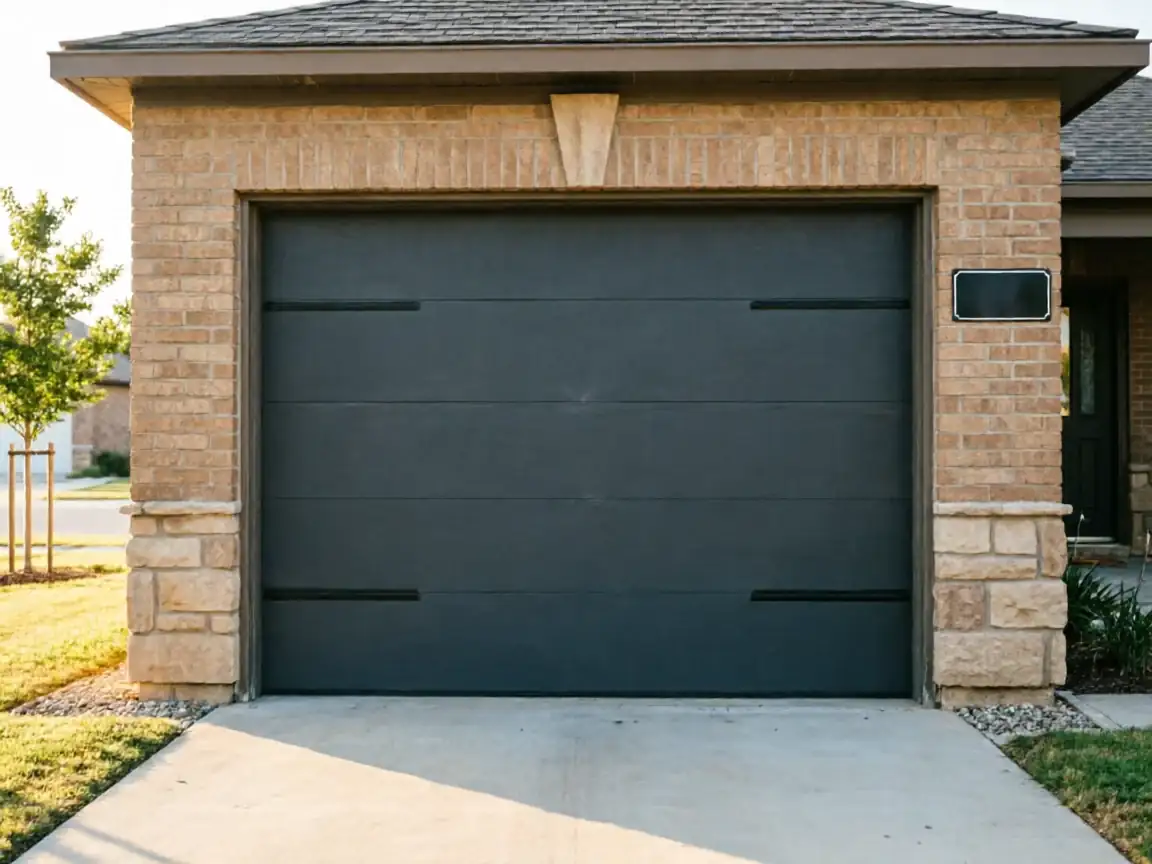
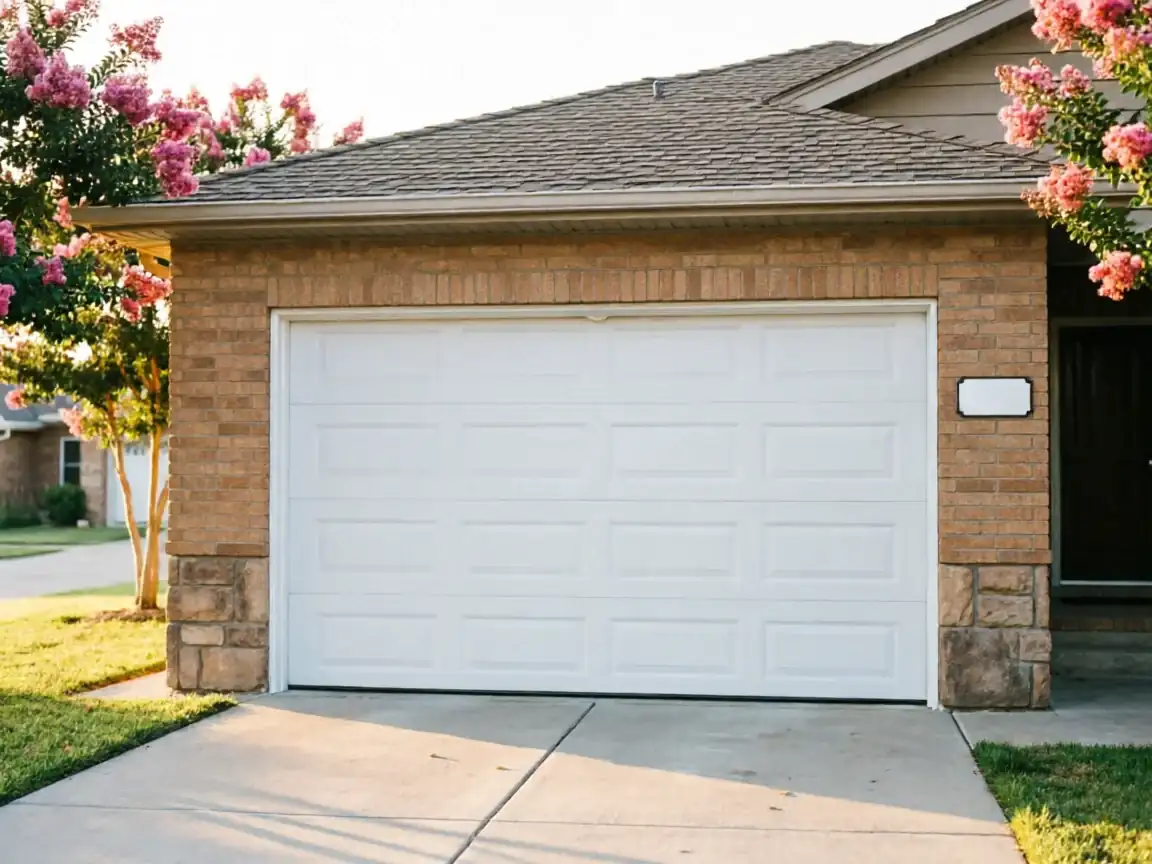
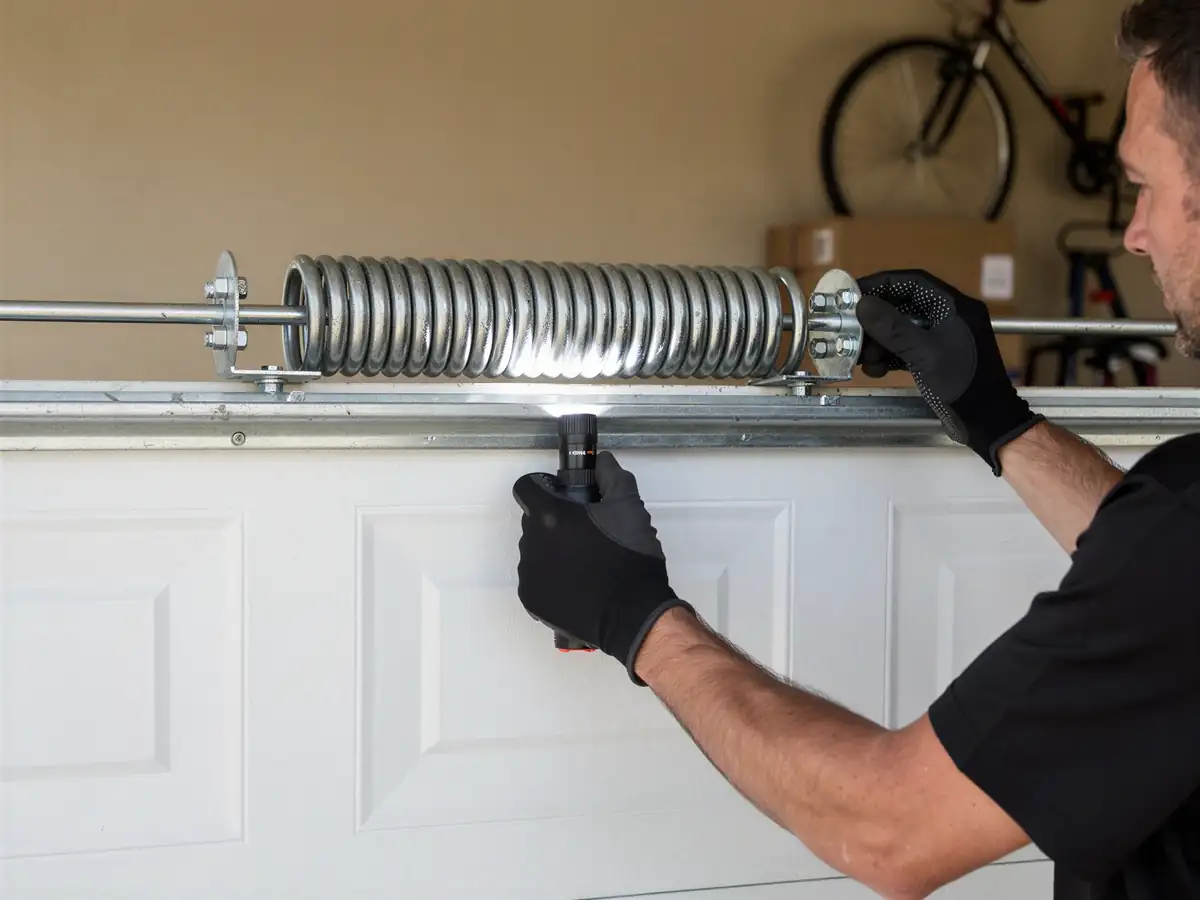
With a median build year of 1981 for this area, a lot of garage doors here are running on the spring, hinges, and rollers that shipped with the house. Nobody replaces a torsion spring on a schedule; they replace it when it breaks, and in a town of roughly 690 households that means a good share of doors are overdue without anyone knowing it. The climate here is mild with some freeze risk, which isn't the harsh swing that tears doors apart elsewhere, but forty years of daily cycling still fatigues steel regardless of weather. Add in original rollers that were never built for the cycle counts they've now logged, and the failure mode is mechanical fatigue, not storm damage or a single bad day.
The Cost of This Job
We don't publish a flat number here because spring size, door weight, and what else has worn out alongside the spring all move the price. What we can tell you is that a median household income of $73,750 in this area is in line with what we see drive most repair-versus-replace decisions - most owners fix the spring and hardware rather than replace the whole door, unless the panels themselves are dented or the opener is also failing. We'll give you both numbers on the visit so you're deciding with real figures, not a guess.
Getting It Booked In
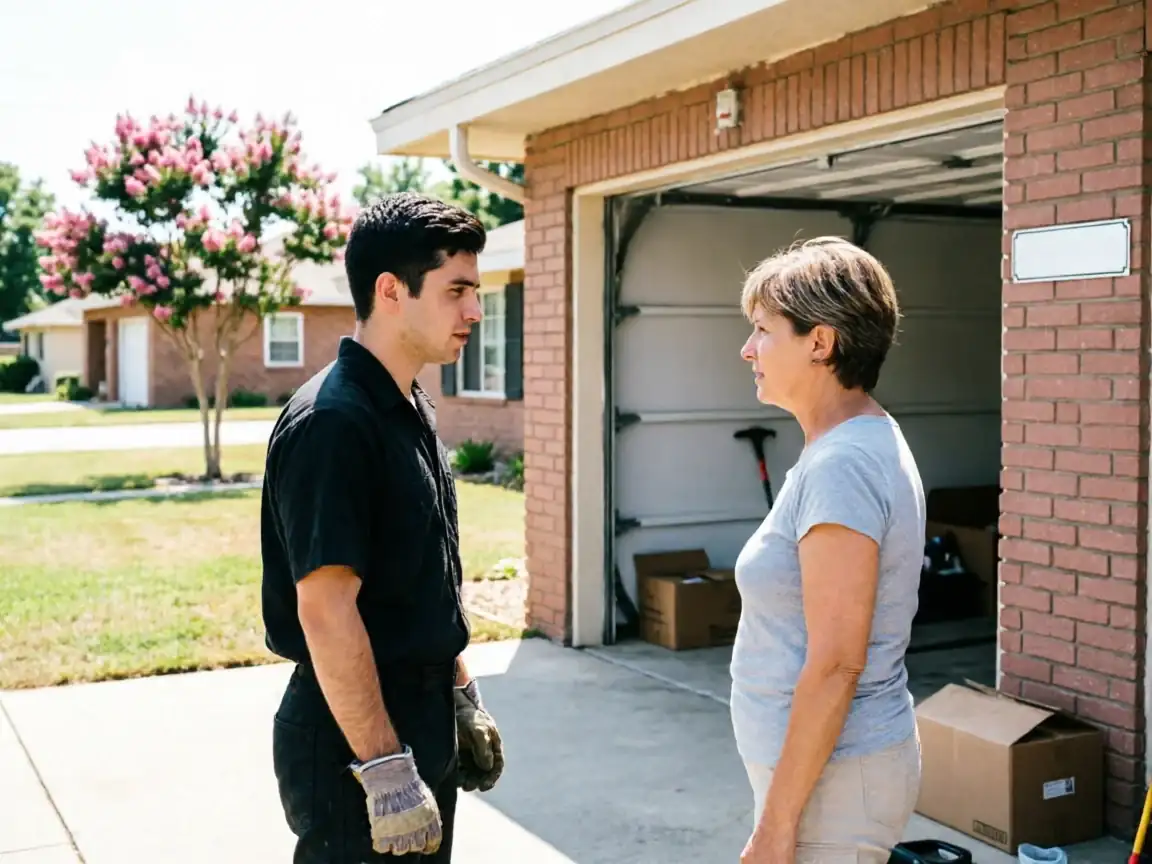
Since we're running out of Temple, 9 miles each way, we schedule Little River-Academy jobs on the same routes as the rest of the service area rather than as a special trip. That doesn't mean a long wait - it means we ask a few questions up front about the door's age and symptoms so the truck shows up with the right spring size and cable length instead of guessing. Mention the house was built around 1981 and what the door's doing, and we'll come prepared for original hardware rather than treating it as a newer install.