How It Shows Up
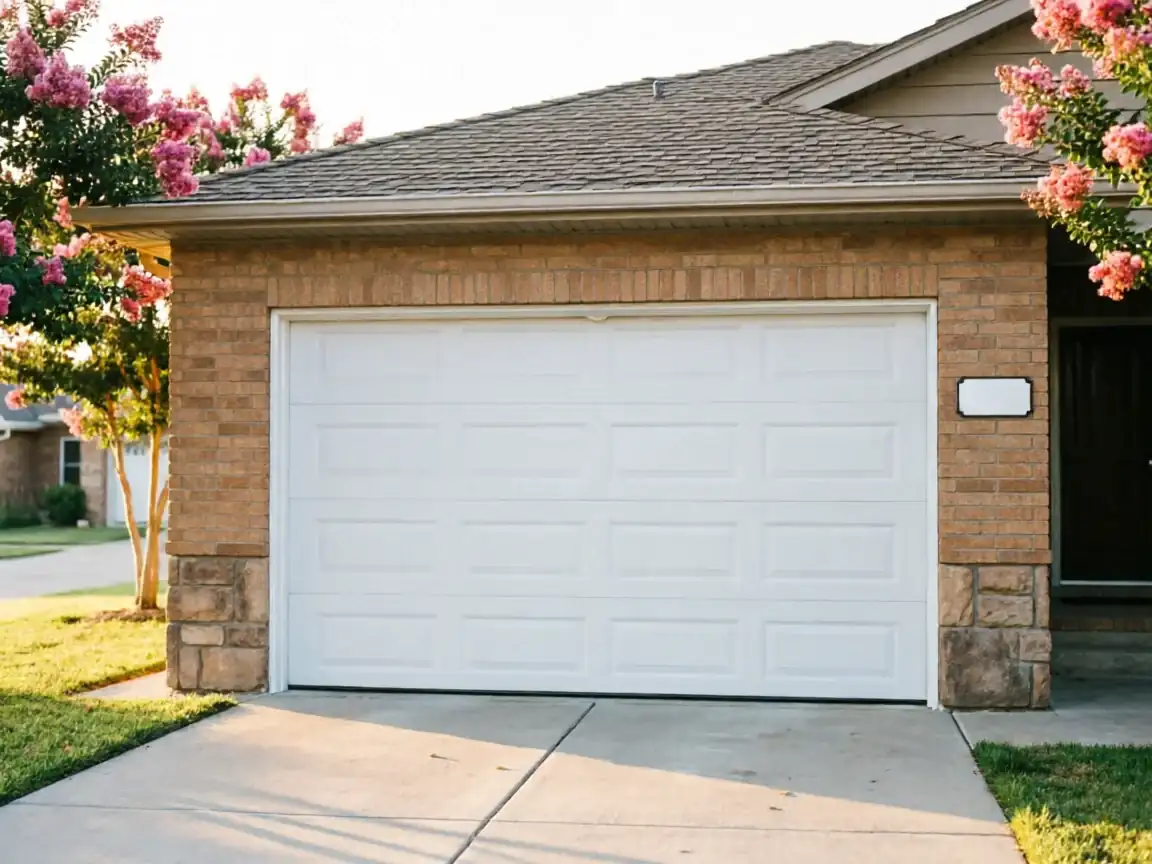
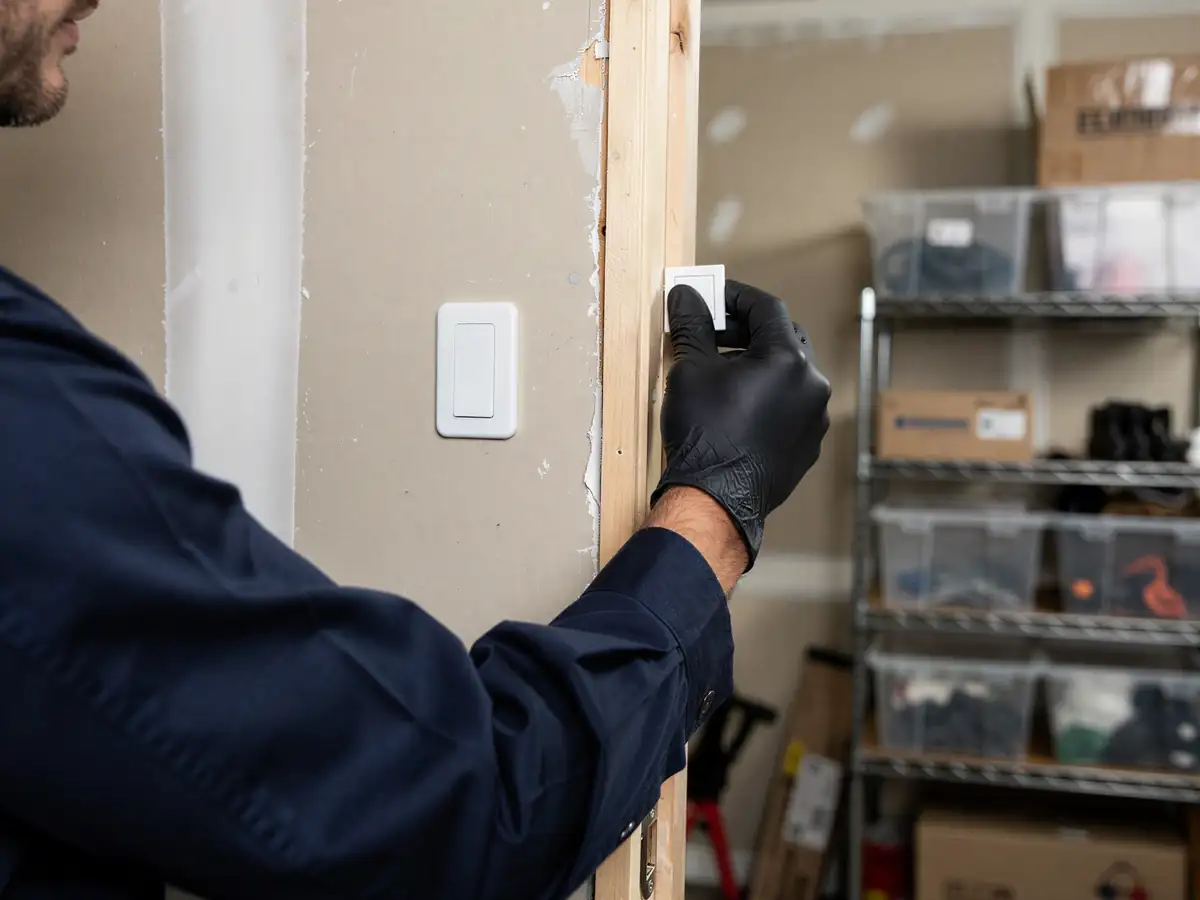
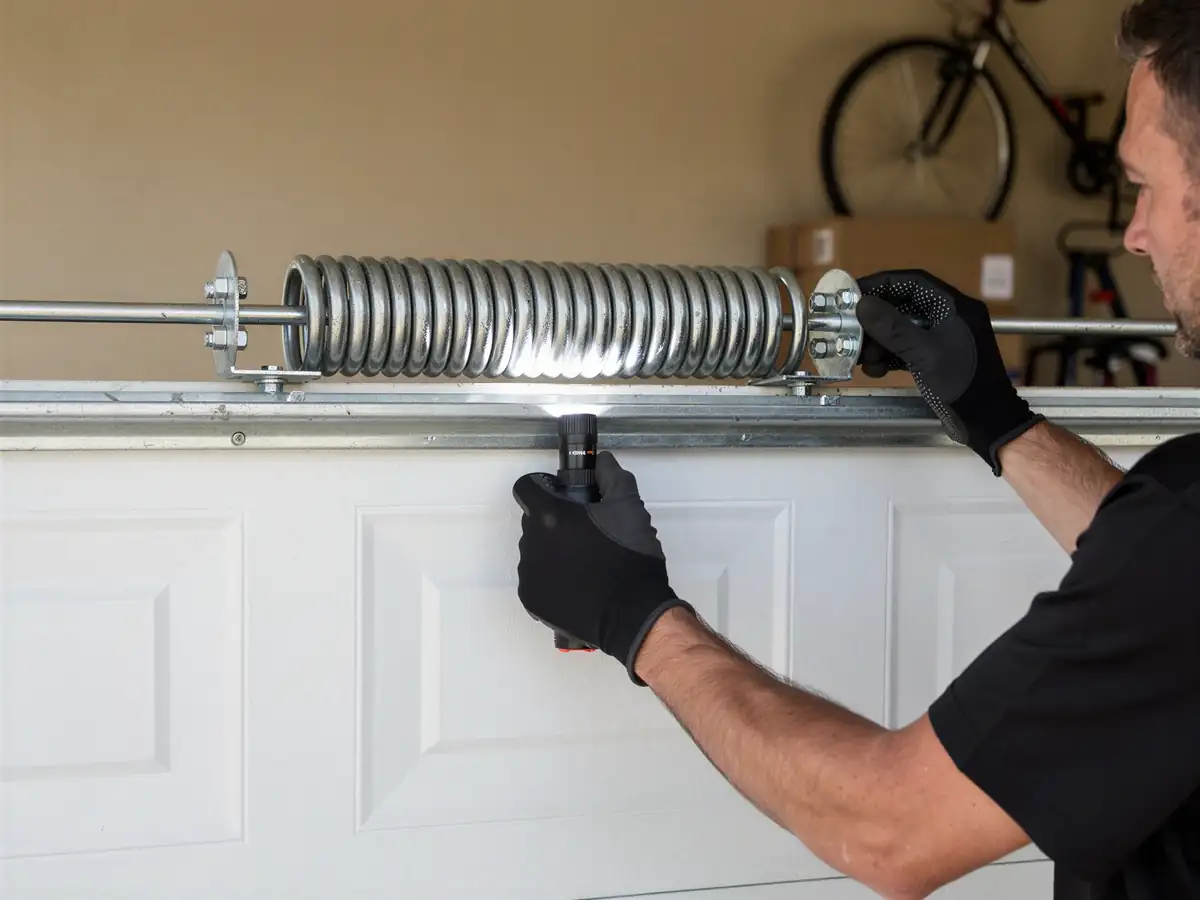
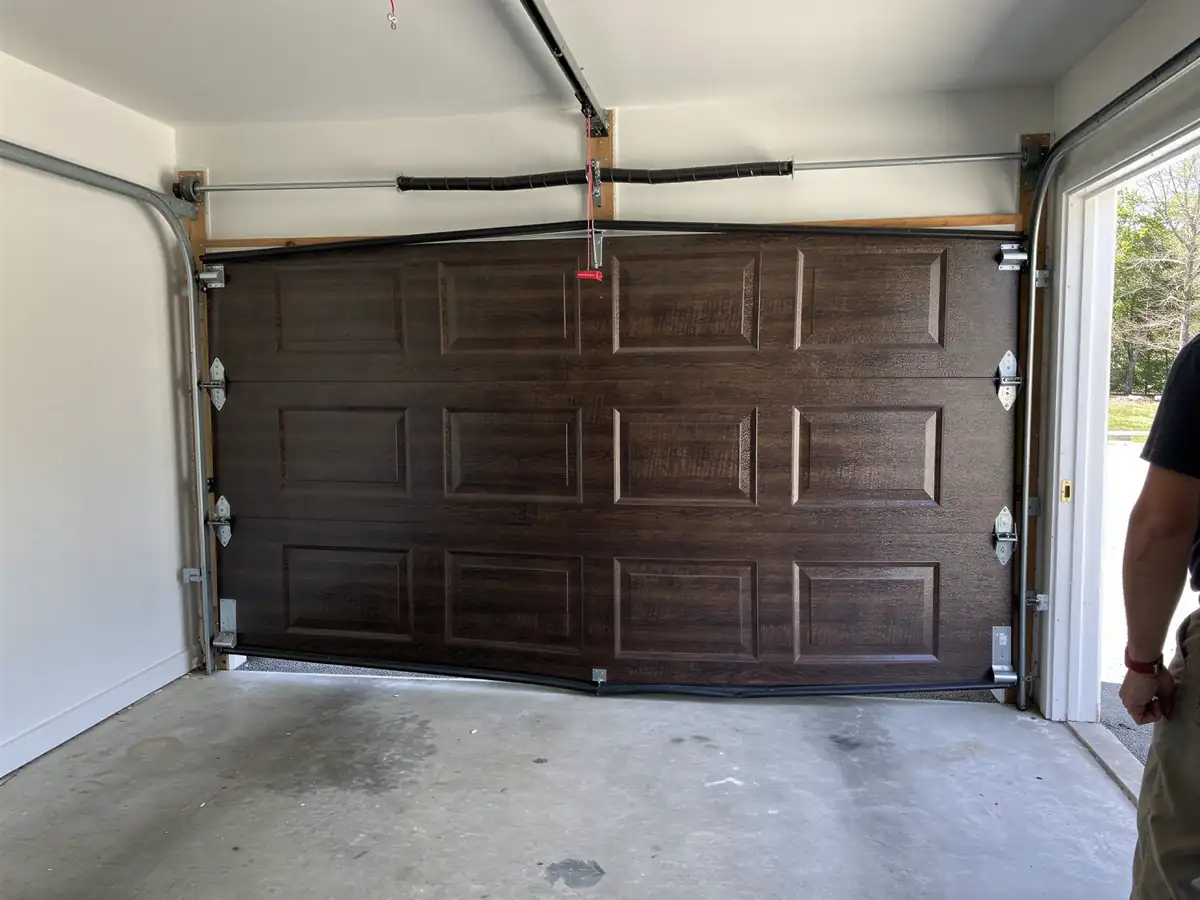
On a house built around 1981, the opener complaint is rarely "it won't turn on." It's usually the door reversing for no reason, the light blinking a code nobody remembers set, or the chain grinding instead of pulling smooth. With around 690 households in this area, we see the same pattern across a lot of driveways: gears worn down from three decades of use, a drive mechanism original to the house, and safety sensors that were either never updated or installed as an add-on years after the opener itself. Some owners notice the door closing most of the way and stopping short. Others notice it won't close at all unless they hold the wall button down, which almost always points to a sensor or alignment problem, not the motor.
Why This Fails Locally
An opener installed in the early 1980s predates the 1993 federal rule requiring auto-reverse photo-eye sensors on new residential openers. That means a unit original to a 1981-era house here either never had sensors added, or has a bolted-on sensor kit that doesn't talk to the motor the way a modern setup does. Pair that with this region's mild climate with occasional freeze - not harsh enough to crack housings outright, but enough that grease inside aging gear assemblies stiffens up on the handful of cold mornings each winter, which is exactly when an old opener's weak capacitor or worn gear finally gives out. It's a quieter failure mode than what you'd see in a harsher climate, but it still catches people off guard.
The Cost of This Job
We don't publish a flat number here because the split between "repair the gear kit and sensors" and "replace the whole opener" depends on what's actually failed, and that only shows up once a tech has the cover off. What we can tell you is that this area's median household income sits at $73,750, in line with the broader service area, and most of what we see here is a repair job, not a full swap - the housing stock is old enough to have worn parts but the motors themselves often still have life in them once the gear train and sensors are brought current.
Getting It Booked In
Since we're coming from Temple, it helps to know roughly what the opener is doing - reversing, not closing, grinding, dead - before the truck heads out, so the tech brings the right stock. Given how many openers in this area trace back to houses built around 1981, we usually bring a generic gear kit and sensor kit as a first guess, which covers a lot of these calls without a second trip. You can see the full range of door and opener work we do in the area at the Little River-Academy service page, or check what a comparable job runs closer to our Temple base.