What the Weather Here Does to It
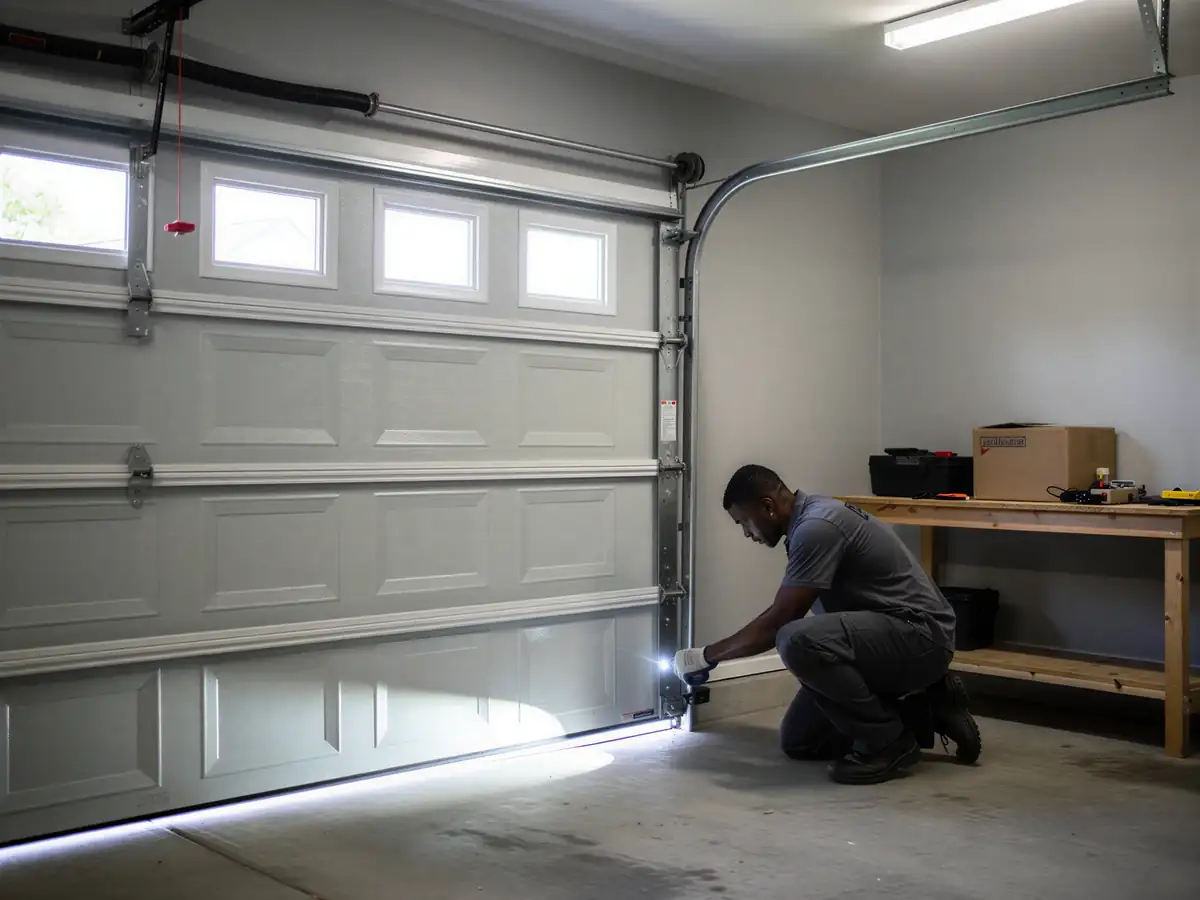
A lot of what we see on service calls traces straight back to two things: how old the door is and how many freeze-thaw cycles it's absorbed. Housing across this area mostly went up between 1967 and 2005, with the heaviest concentration in the 1980s and 90s across the eleven communities we work in. That means a huge number of doors still running on original torsion springs rated for a steel composition and cycle count that was standard thirty-plus years ago, not today's galvanized coating. Temple's mild climate with occasional freezes is actually easier on that hardware than a true northern winter would be, but "easier" isn't "nothing." Each freeze event still tightens the coil wind on a spring that's already fatigued from decades of summer heat expansion. The noise you hear isn't random. A spring losing tension makes a distinct metallic creak on the way down. A dry roller in a worn track makes a rhythmic squeal tied to door speed, not temperature. Learning which is which matters more here than knowing the general rule, because the rule has to account for a climate that stresses hardware slowly instead of all at once.
What to Check
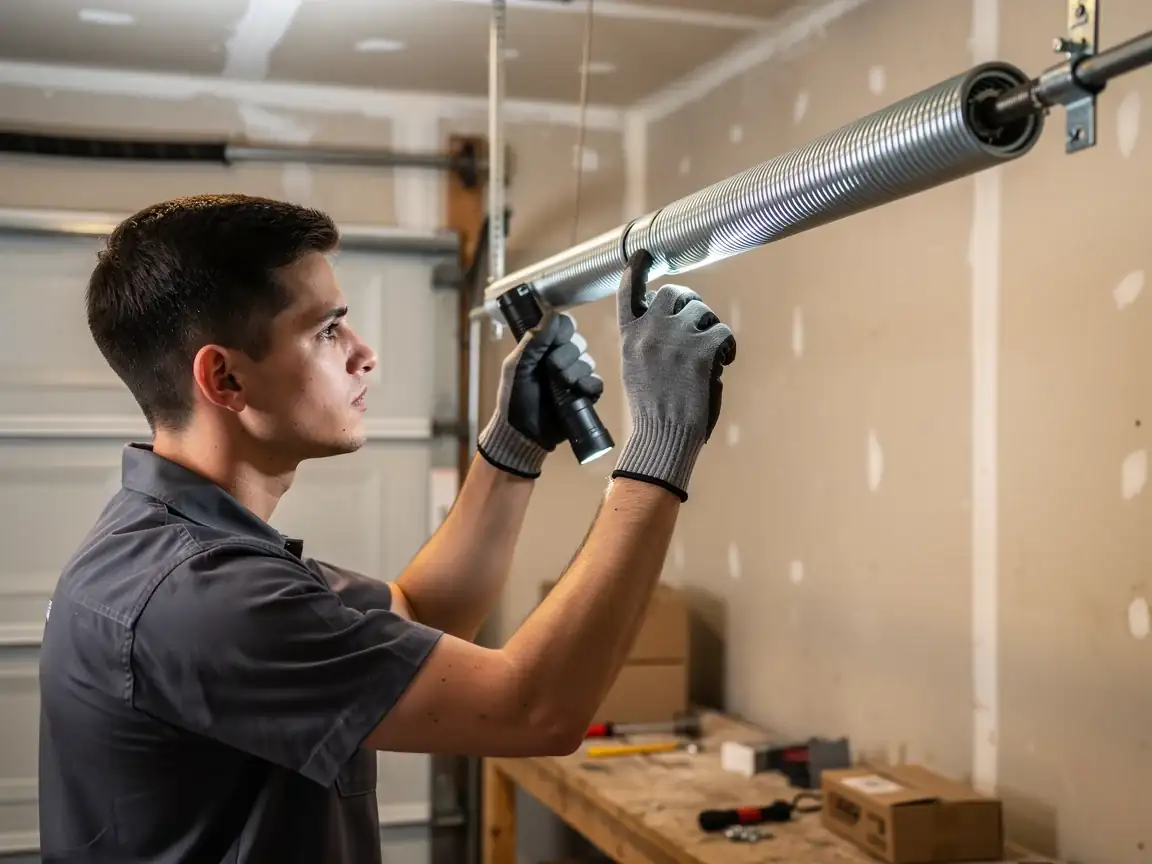
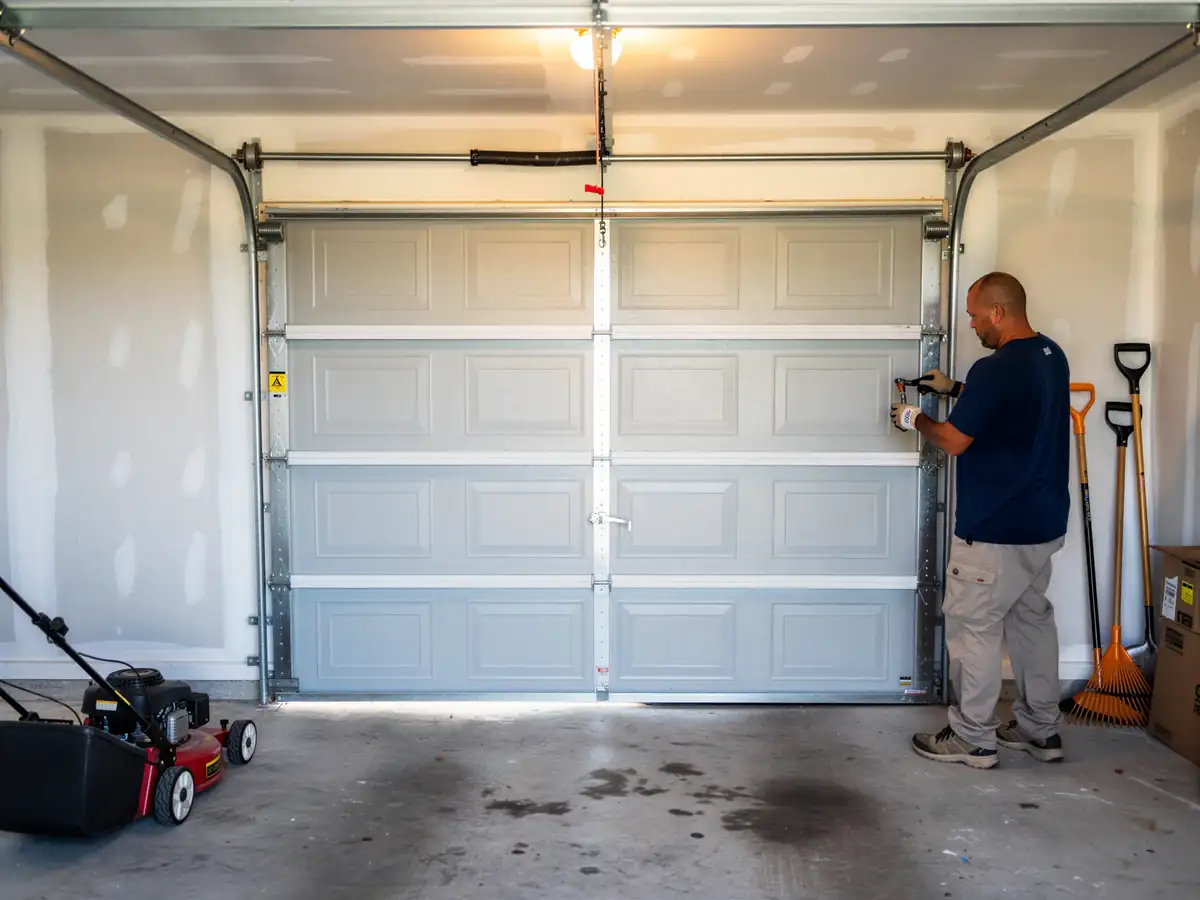
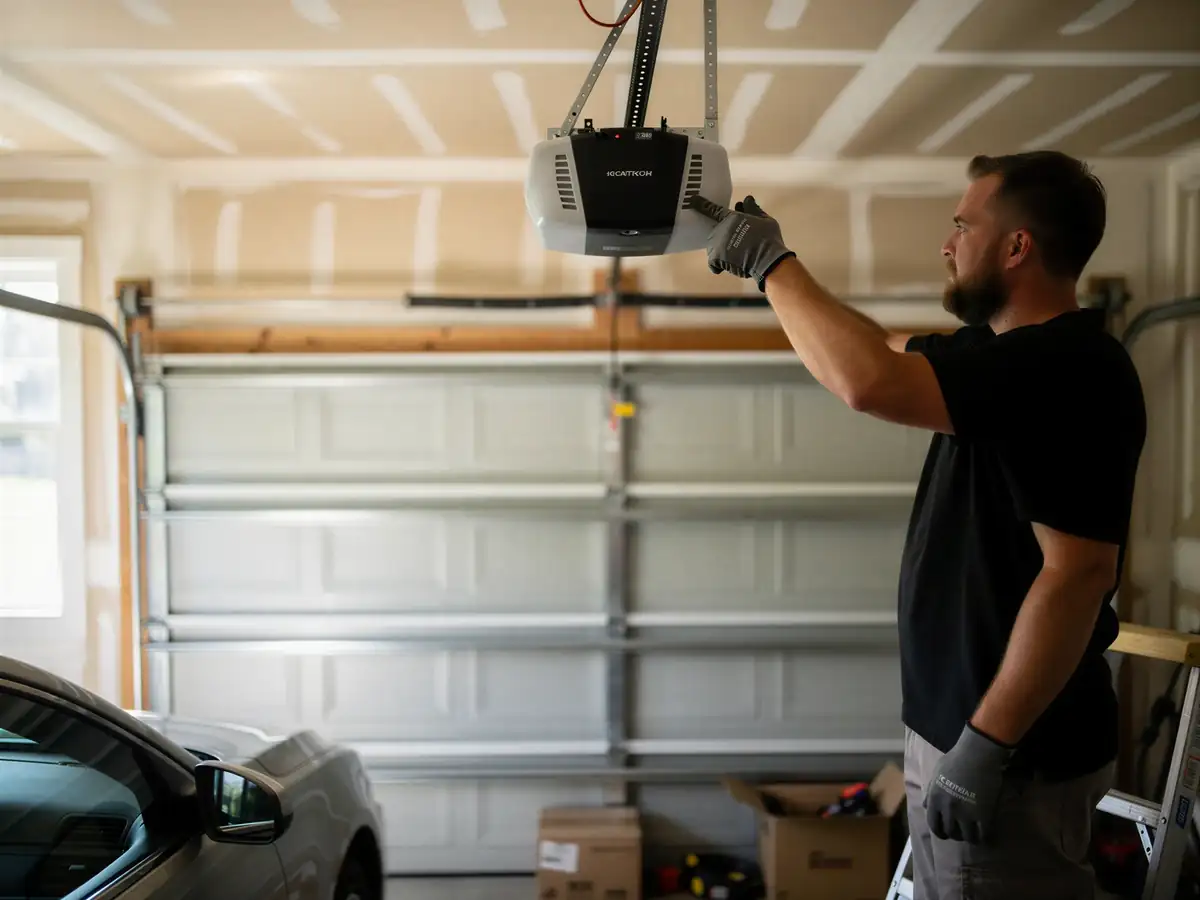
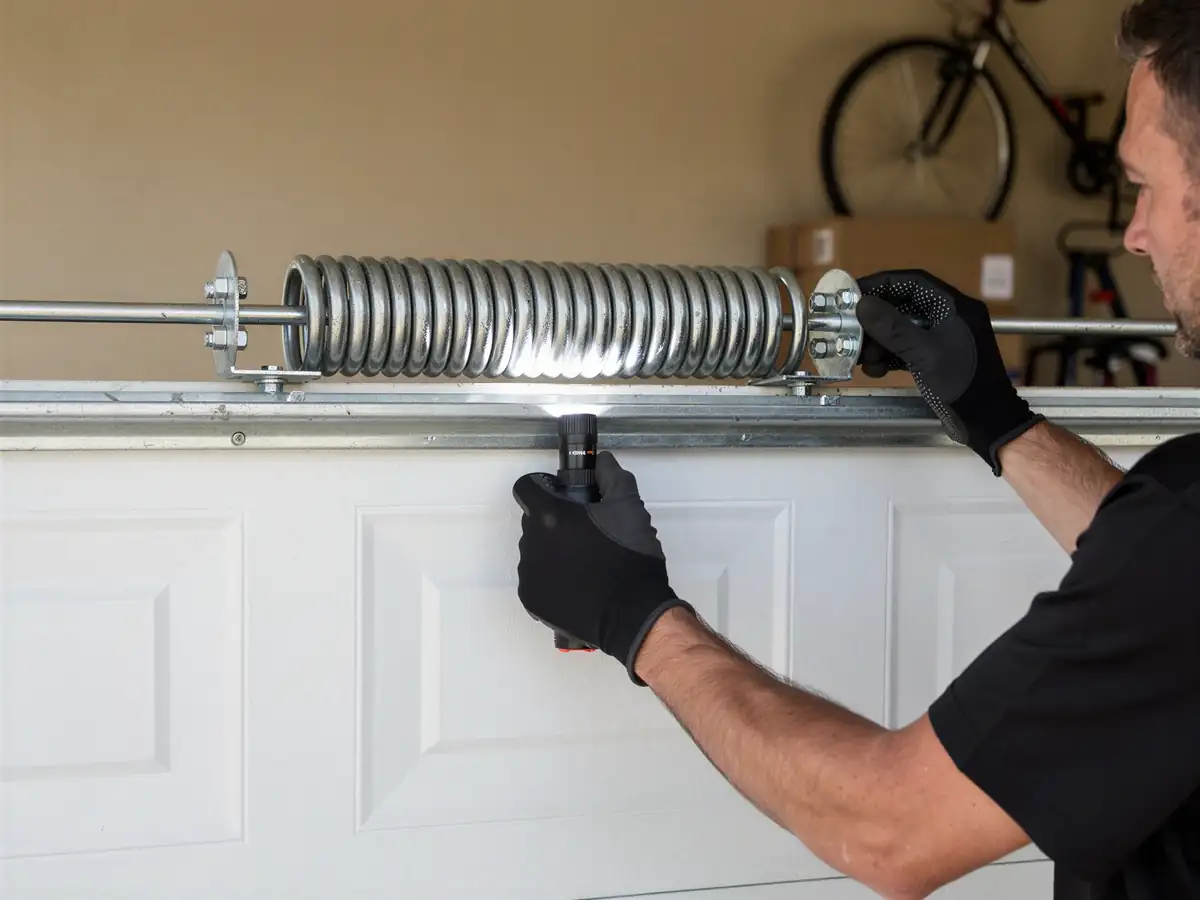
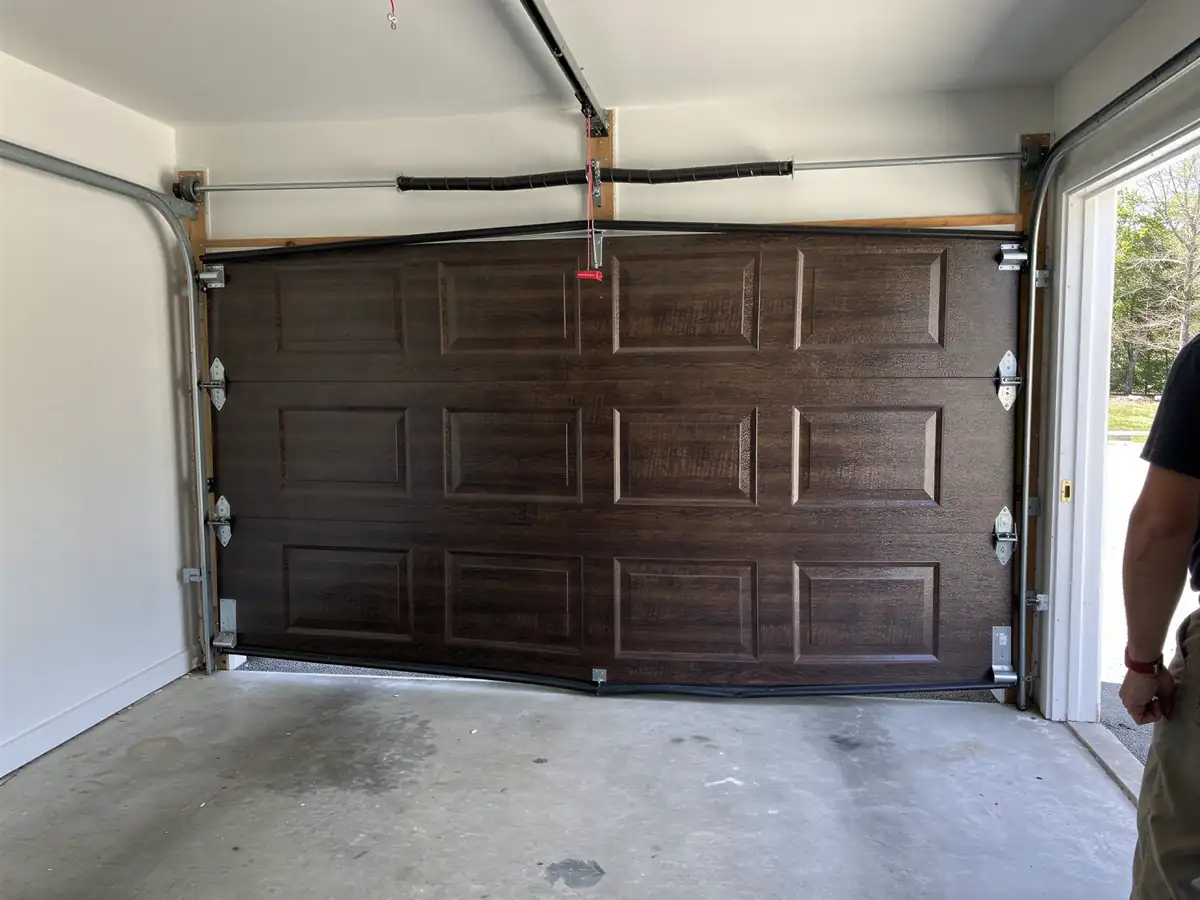
Start with the springs, since original torsion springs from a 1980s or 90s install are the single most common failure point we see in this area. A spring under tension that's starting to go will often make a single loud bang, not a gradual noise. Next, check the rollers by hand with the door open halfway: if they wobble side to side or feel gritty, they're due regardless of age. Lift cables on older doors can fray at the drum, and you'll sometimes hear a faint clicking before a cable actually lets go. Listen to the opener motor too; a labored hum that wasn't there a year ago usually means the drive gear is wearing, not that the whole unit needs replacing. One honest limit here: we don't stock replacement panels for every original door style still in service from the 1970s through early 2000s. Some of that steel and wood composite simply isn't made anymore, and matching a single damaged panel on an older door sometimes isn't possible. In those cases, replacing the section with a close match or replacing the whole door is the real conversation, not a cosmetic patch.