Why This Fails Locally
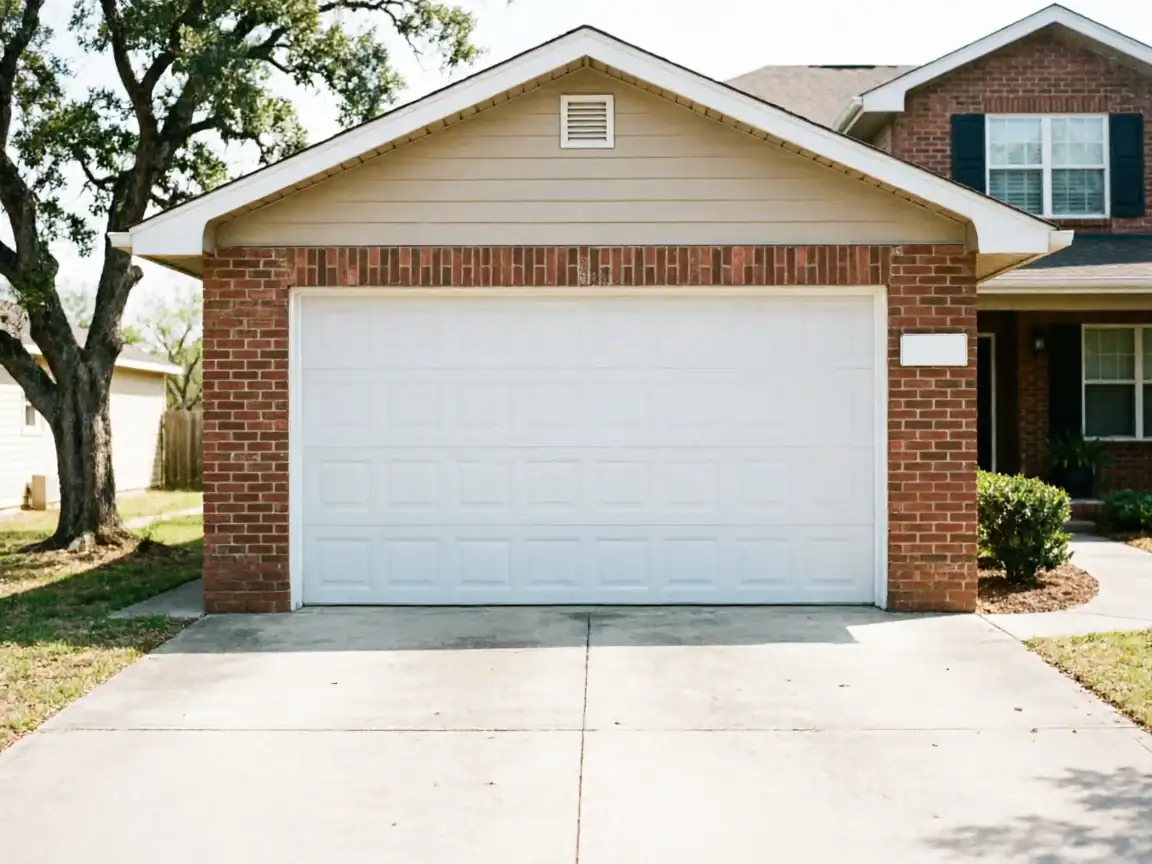
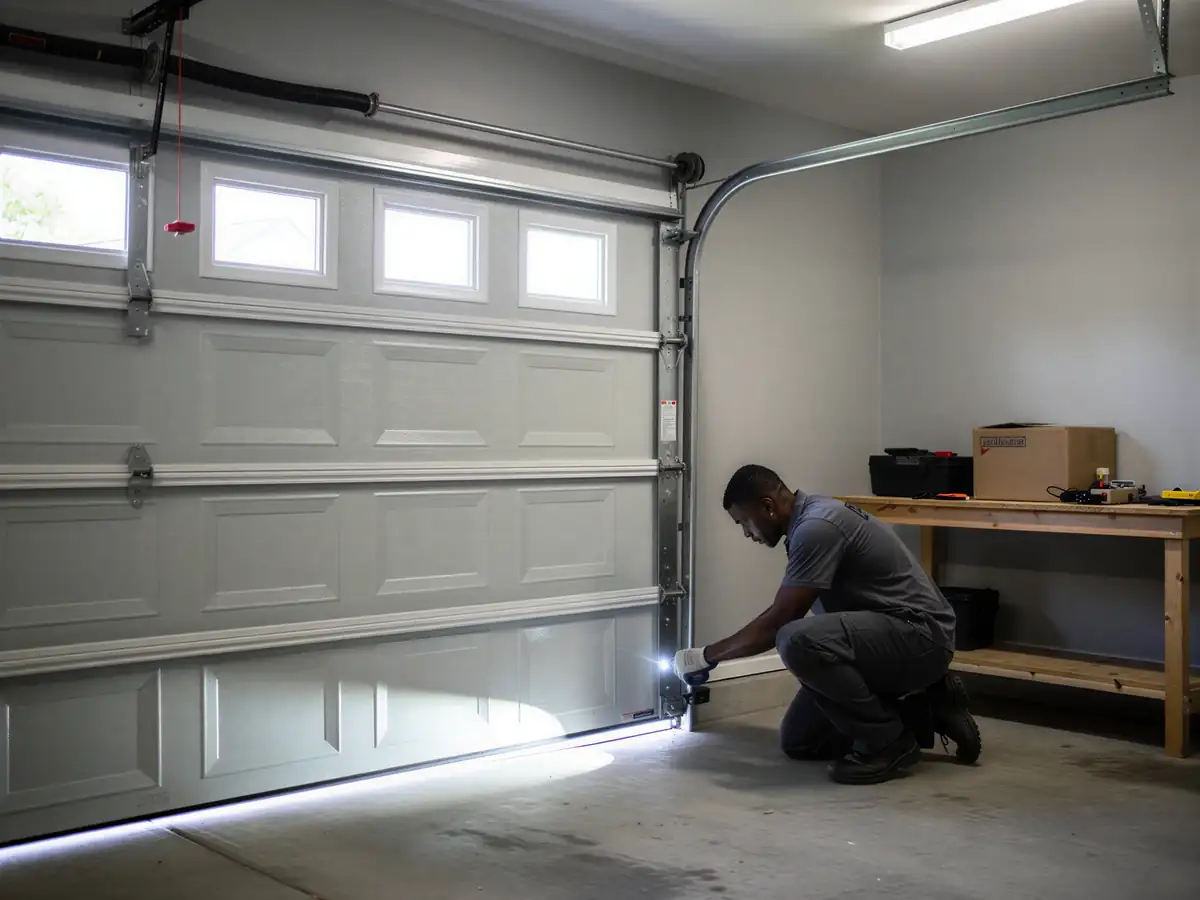
Most houses across this part of Central Texas - Temple included - went up between 1967 and 2005, with the bulk of that stock dating to the 1980s and 90s across the eleven communities we cover. Doors and track hardware from that era were built to a lighter spec than what goes in new construction today, and after three or four decades the track brackets that hold everything to the framing have worked loose a fraction at a time. That's enough play for a roller to walk out of the channel under normal use. The climate here doesn't help - it's a mild band with occasional freeze nights, and that swing in temperature makes steel track expand and contract just enough, season after season, to loosen fasteners that were never meant to be checked. None of this is a one-time failure. It's cumulative wear on original hardware that's older than most of the people using the door every day.
Doing It Yourself
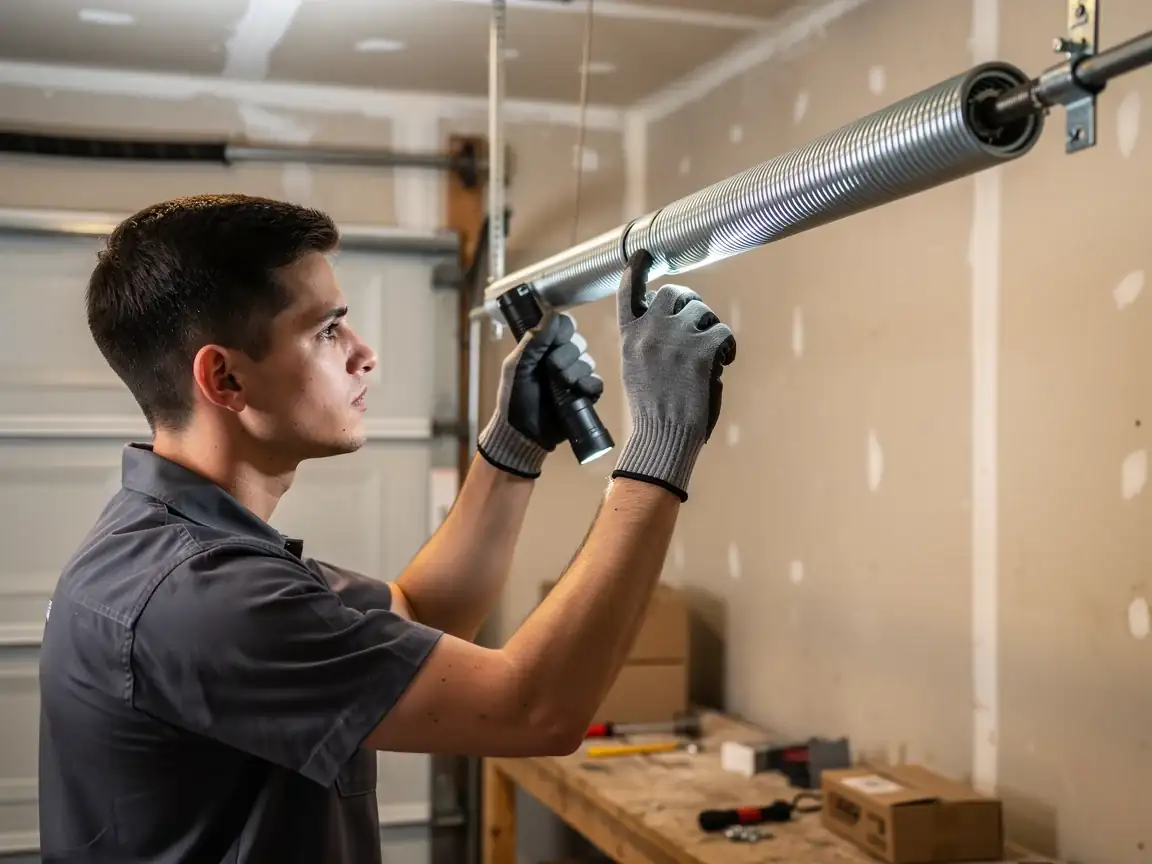
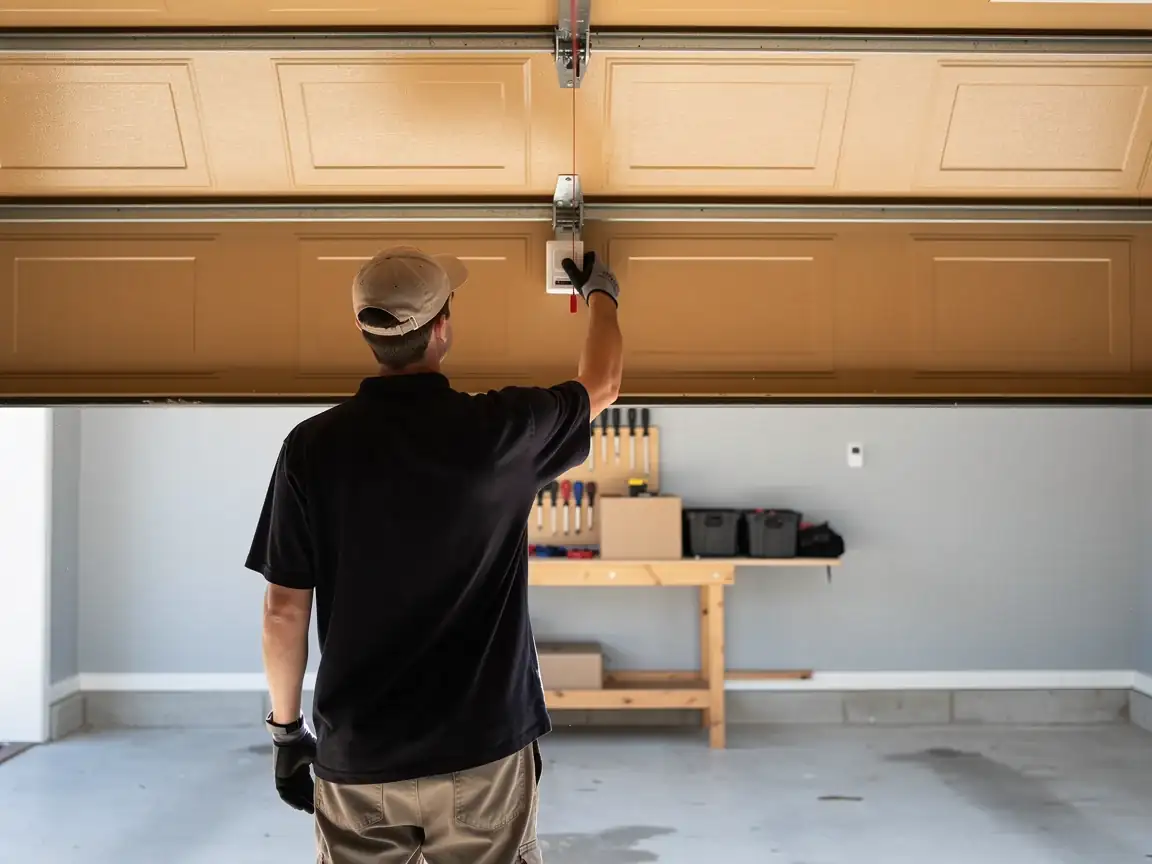
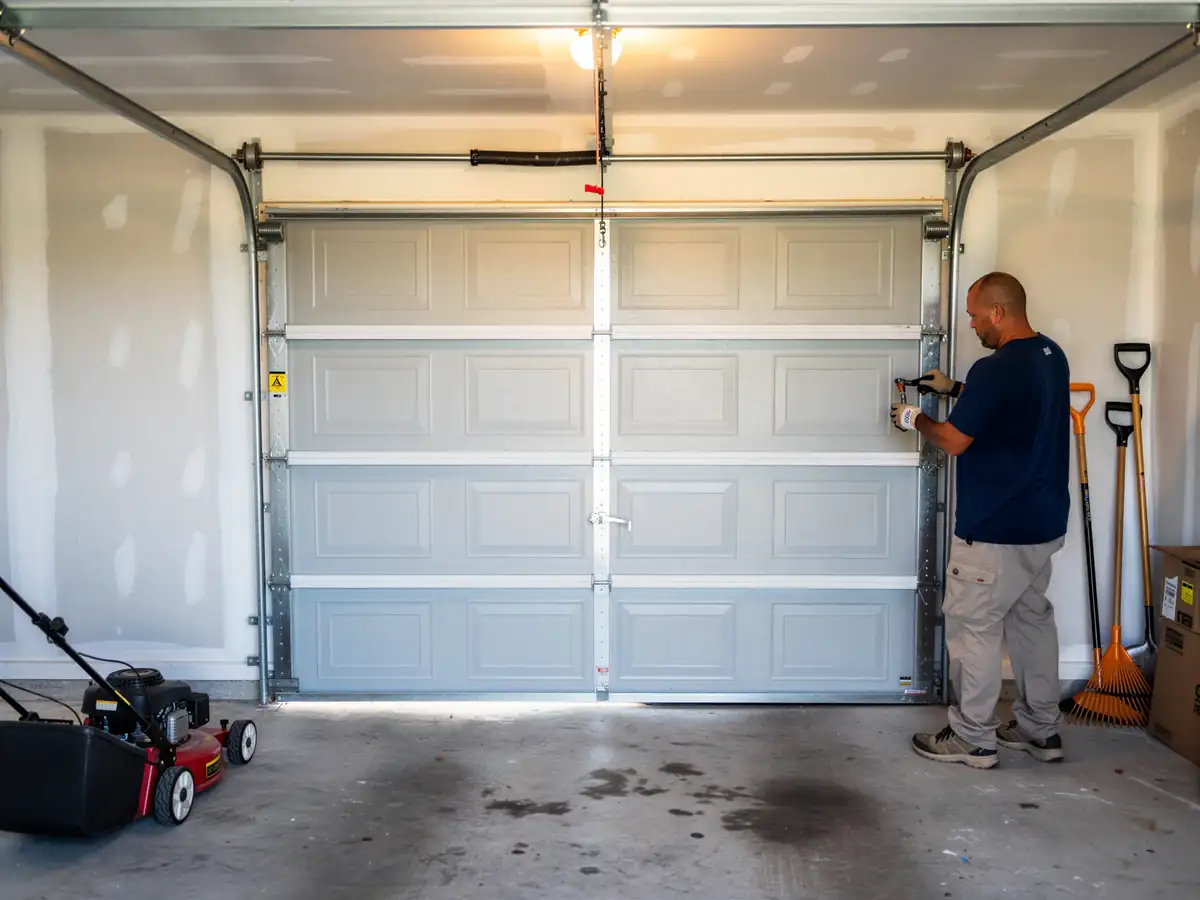
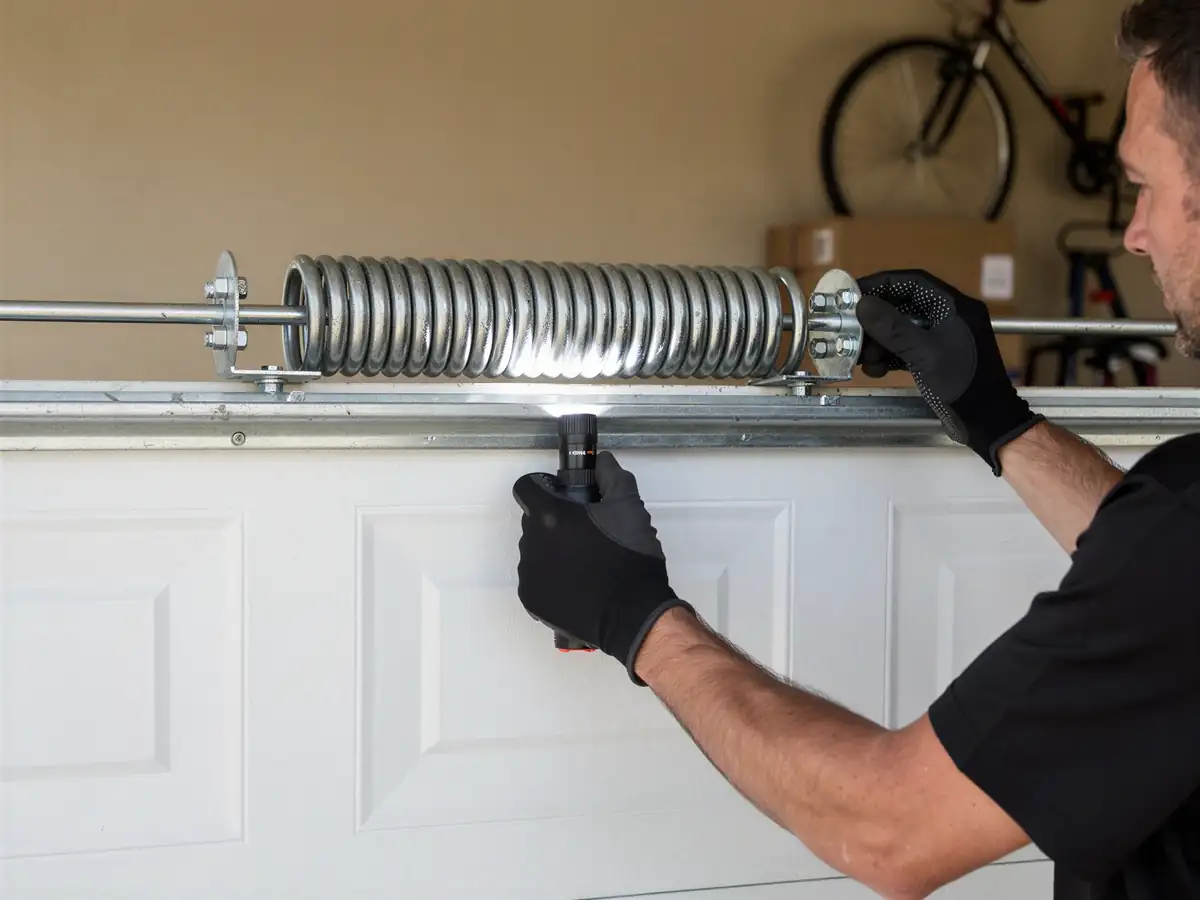
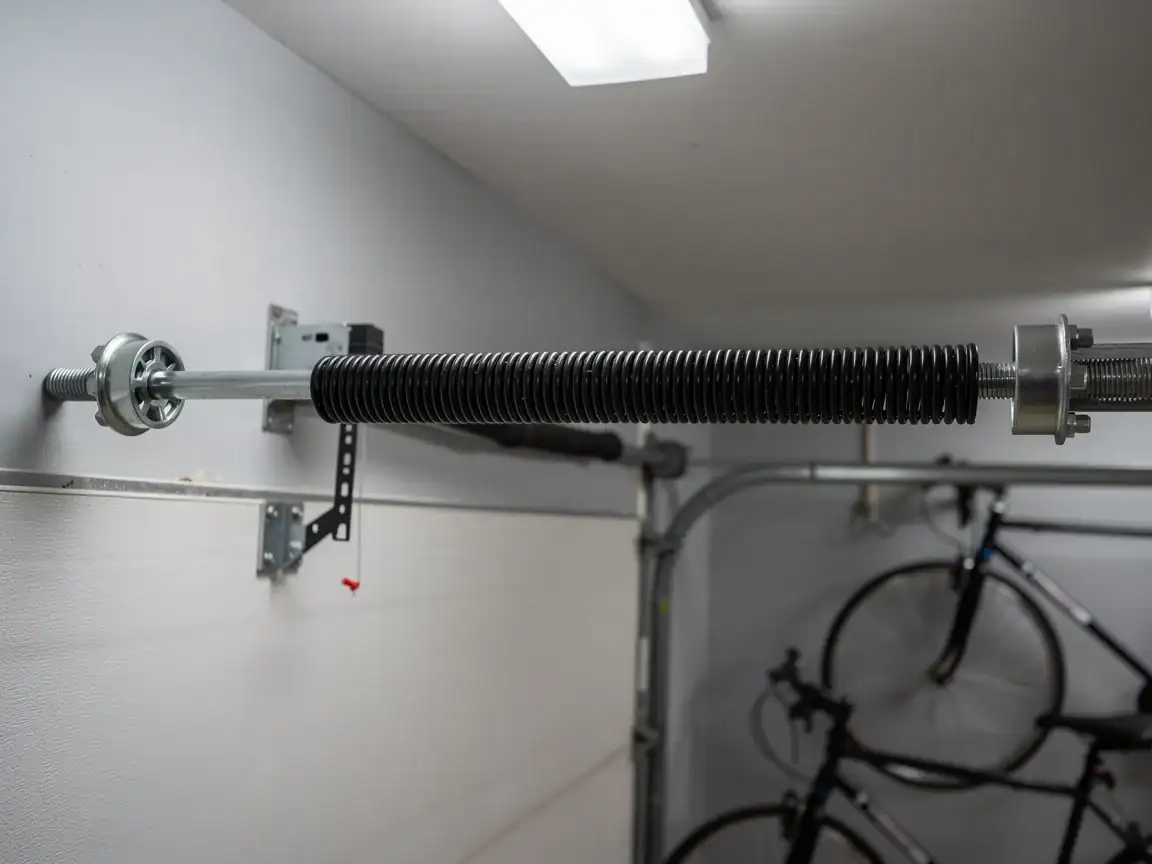
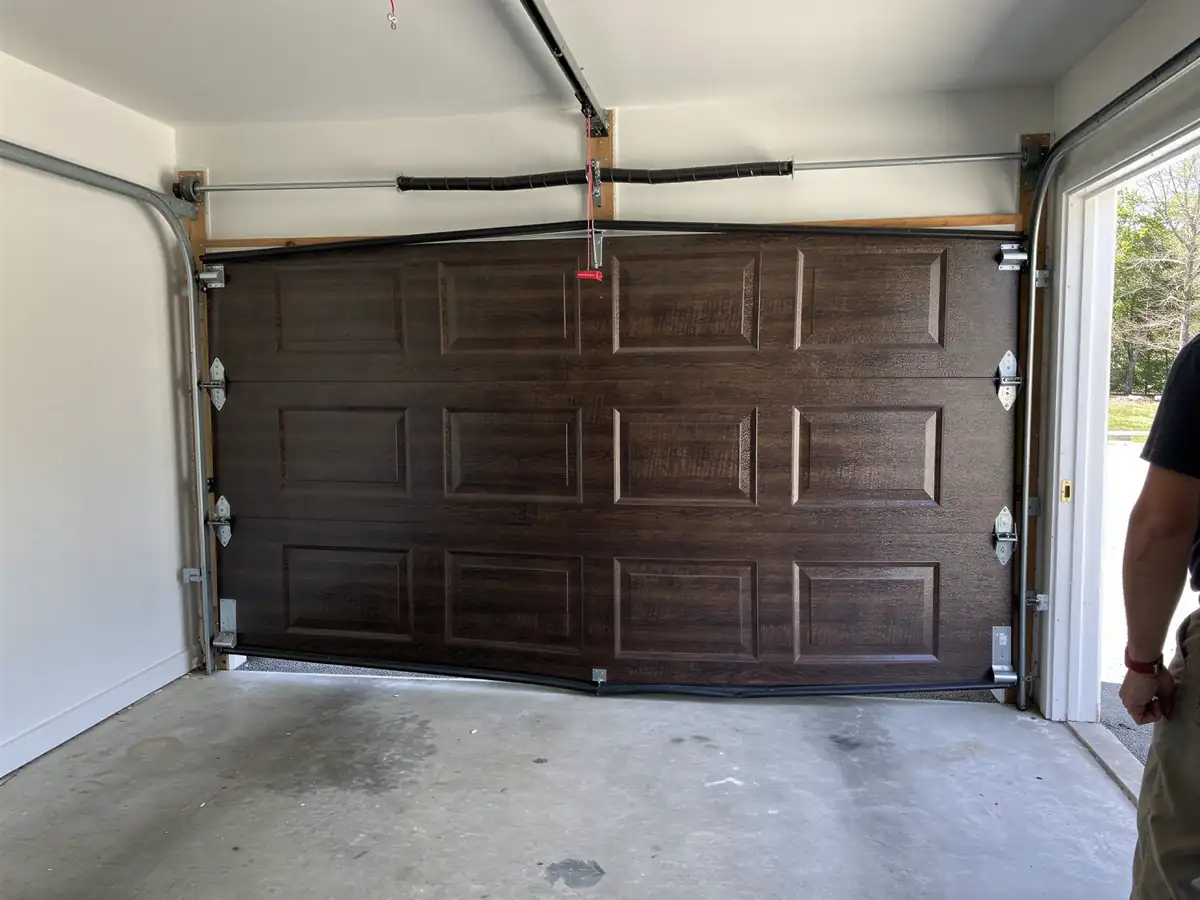
If the door is only a little off - a roller barely out at one corner and the door still closes - you can sometimes walk it back into the track by hand with the opener disconnected and the door manually lowered. Use a rubber mallet, tap gently, don't force it. But if a cable has come off the drum, if the track itself is bent or pulled away from the wall bracket, or if the door is under spring tension and stuck halfway, stop. That's not a DIY fix - a loaded torsion spring or a cable under tension can take a finger off, and bent track almost always needs to be swapped, not bent back, because re-bent steel fails again within months. If you're not sure which situation you're in, that uncertainty is the answer: call it in.