How It Shows Up
The call usually starts the same way
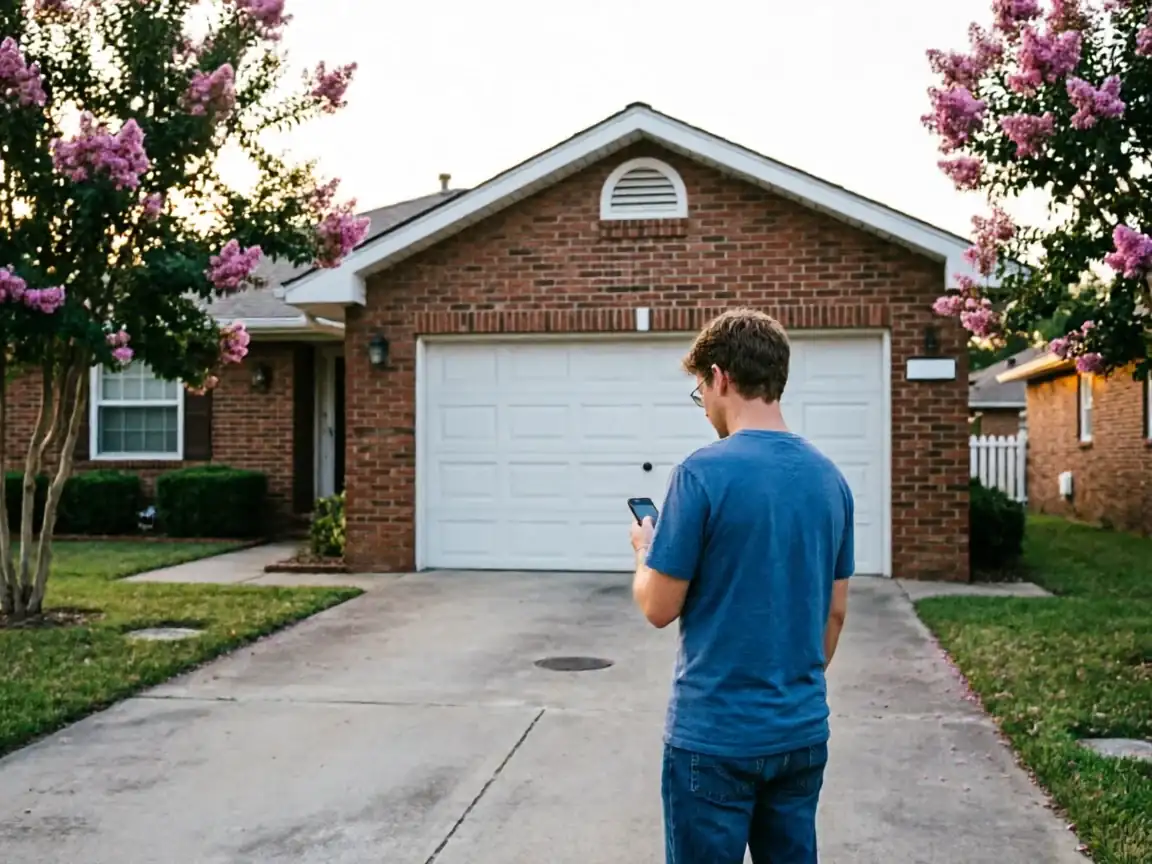
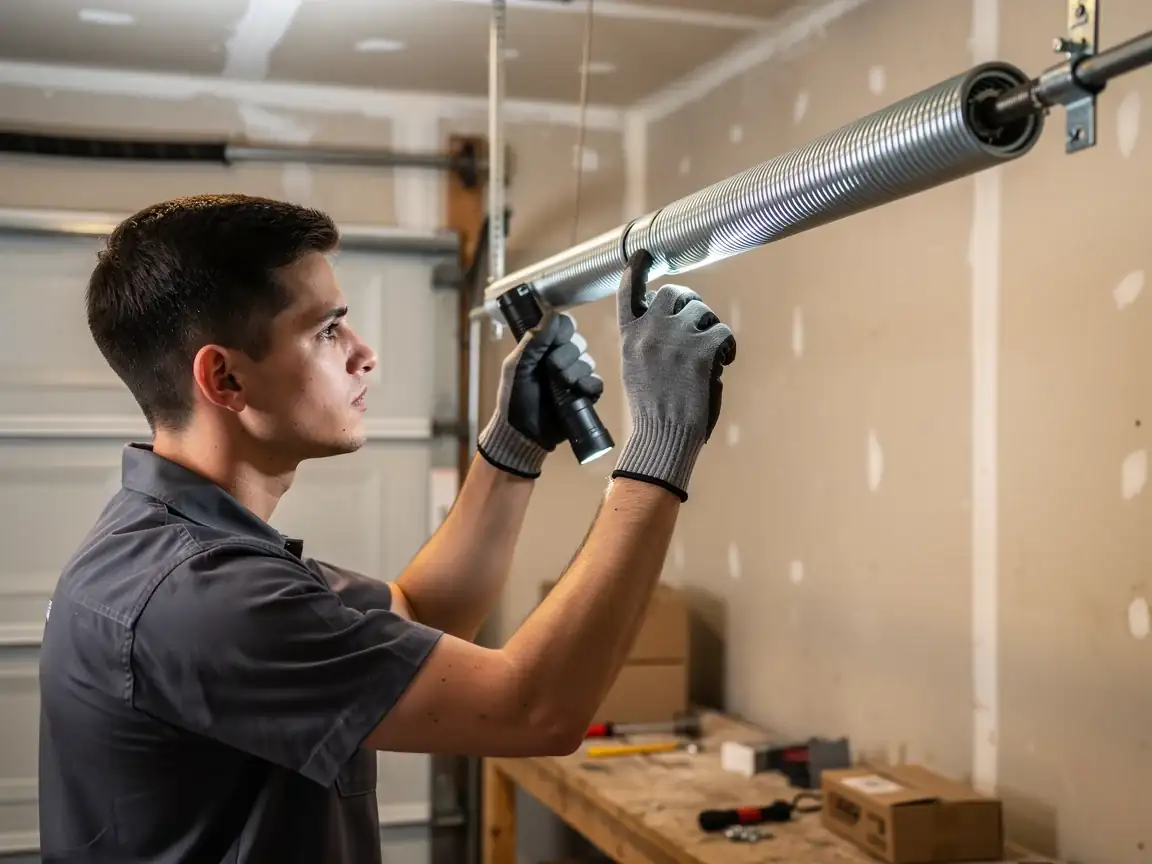
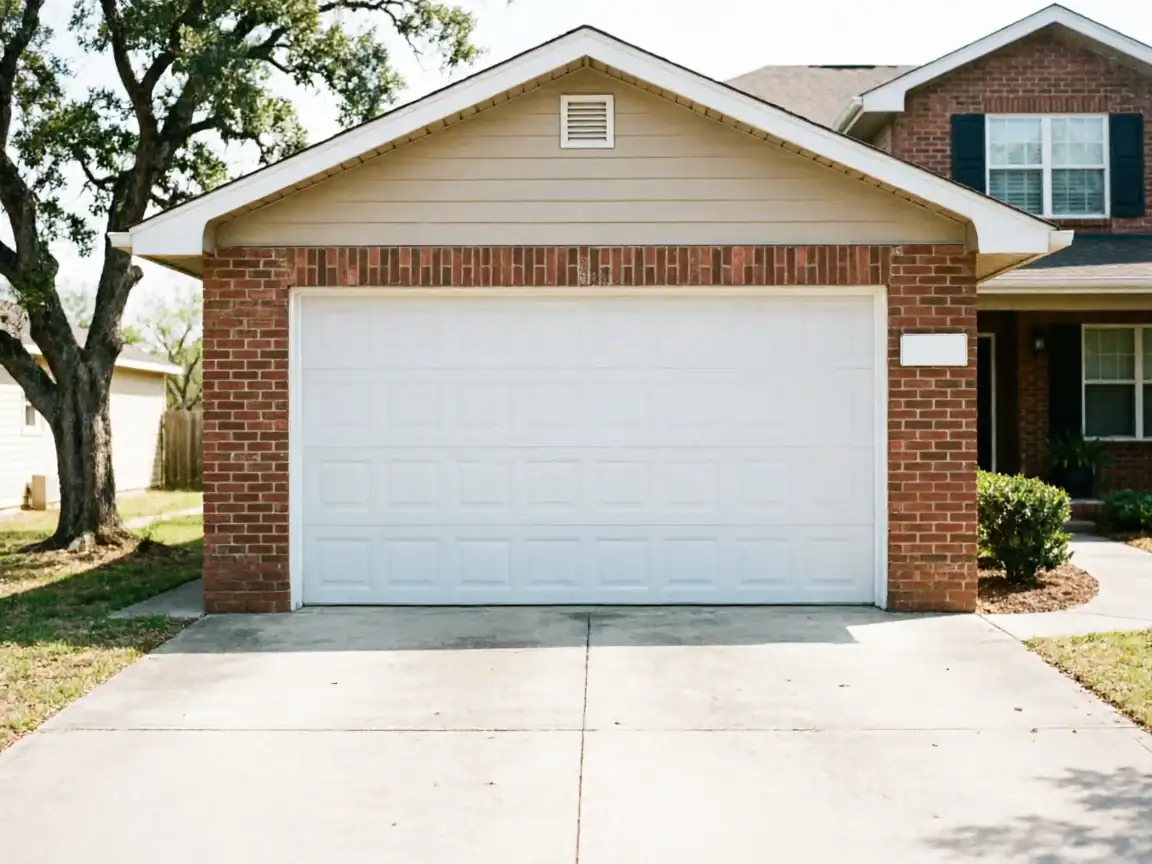
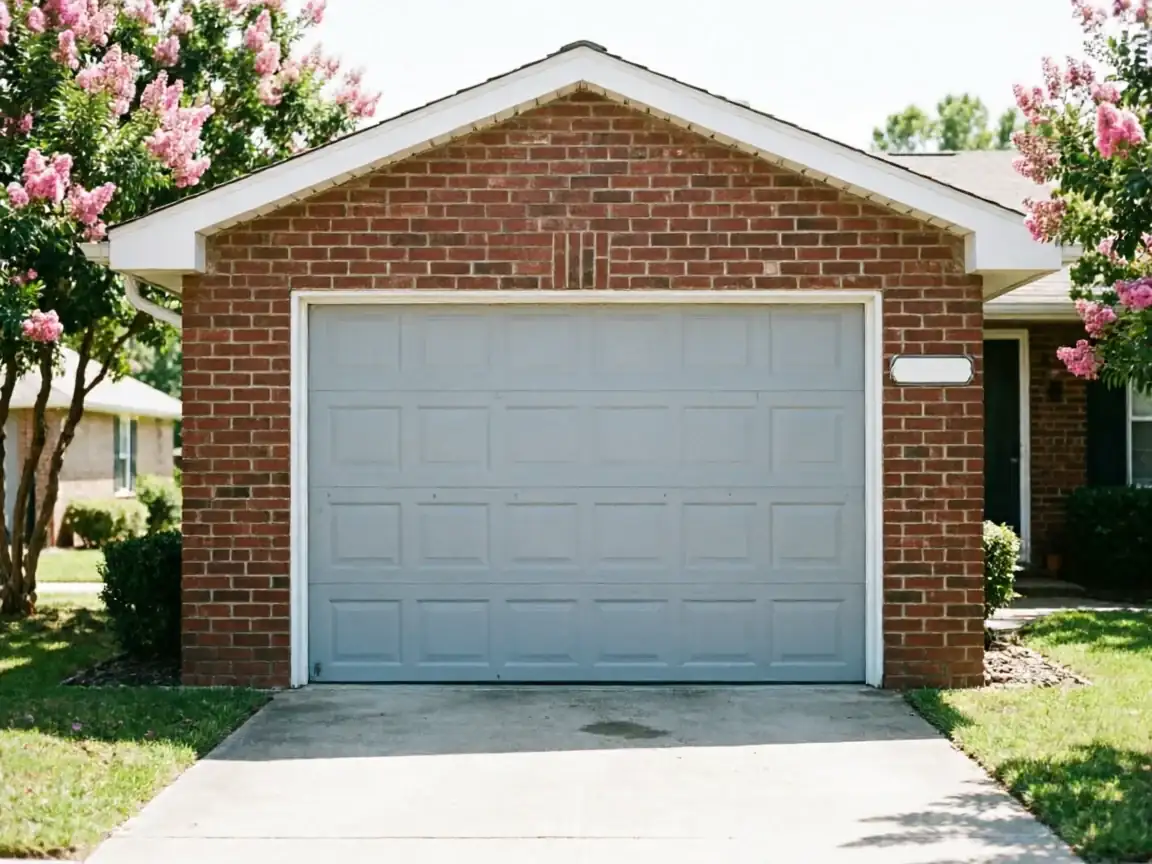
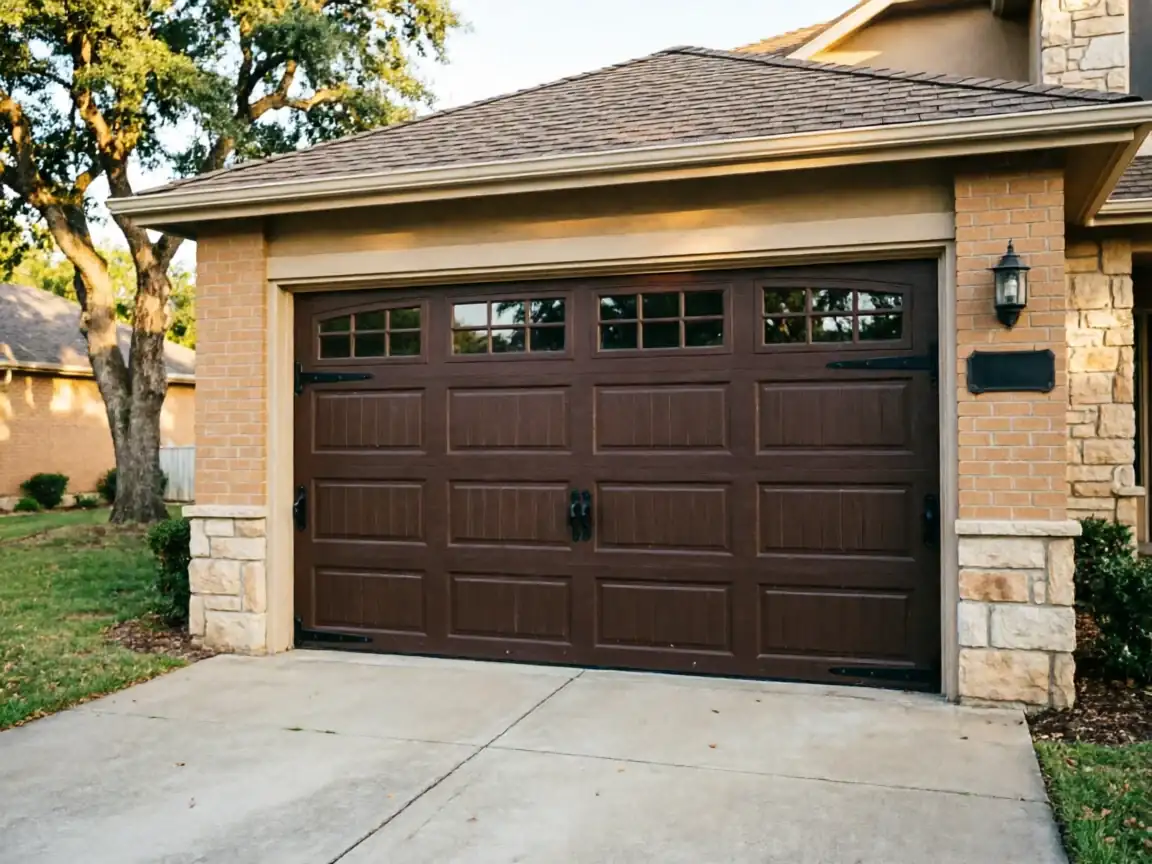
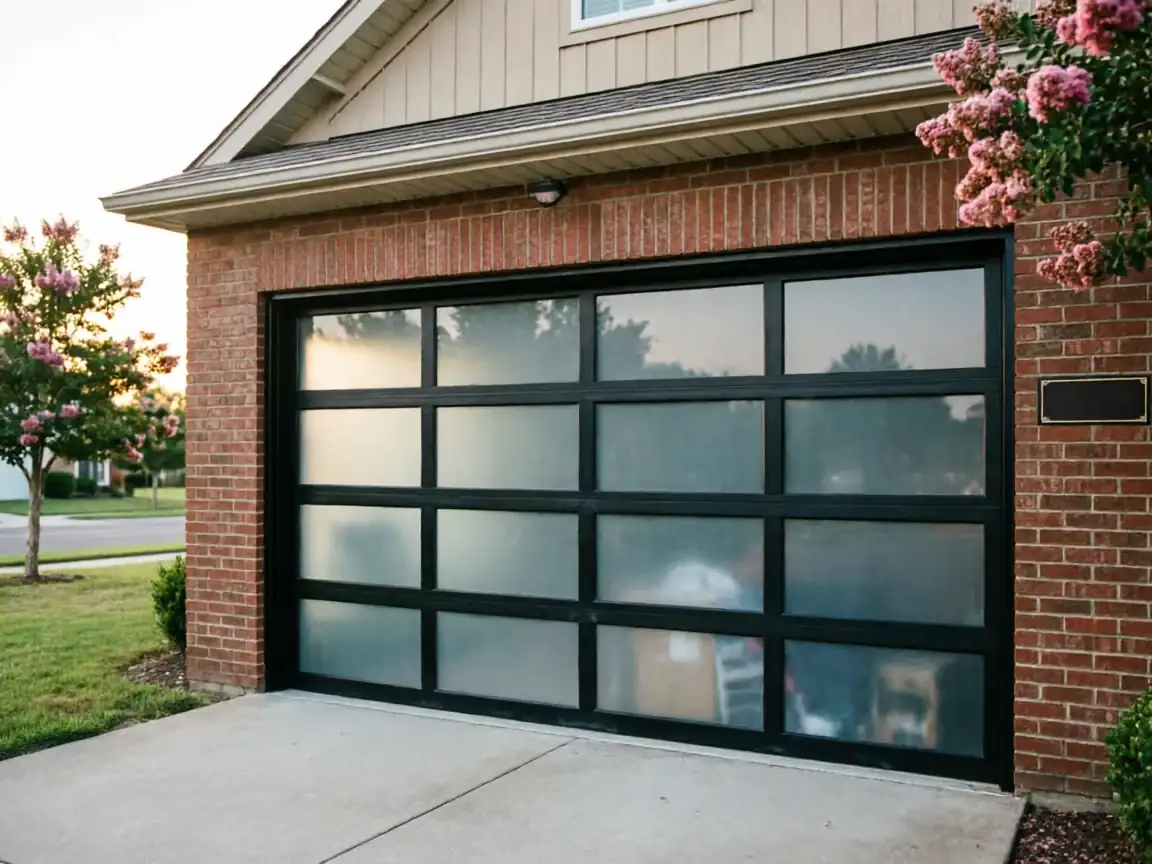
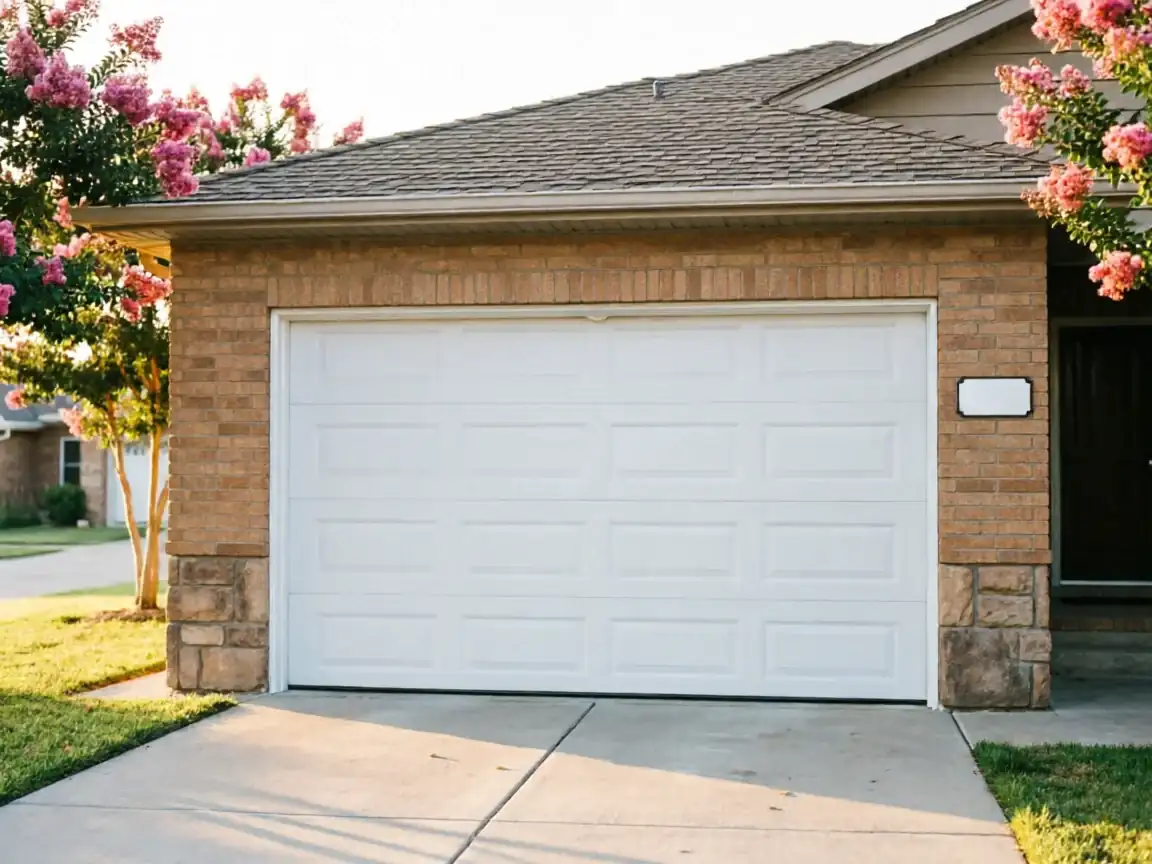
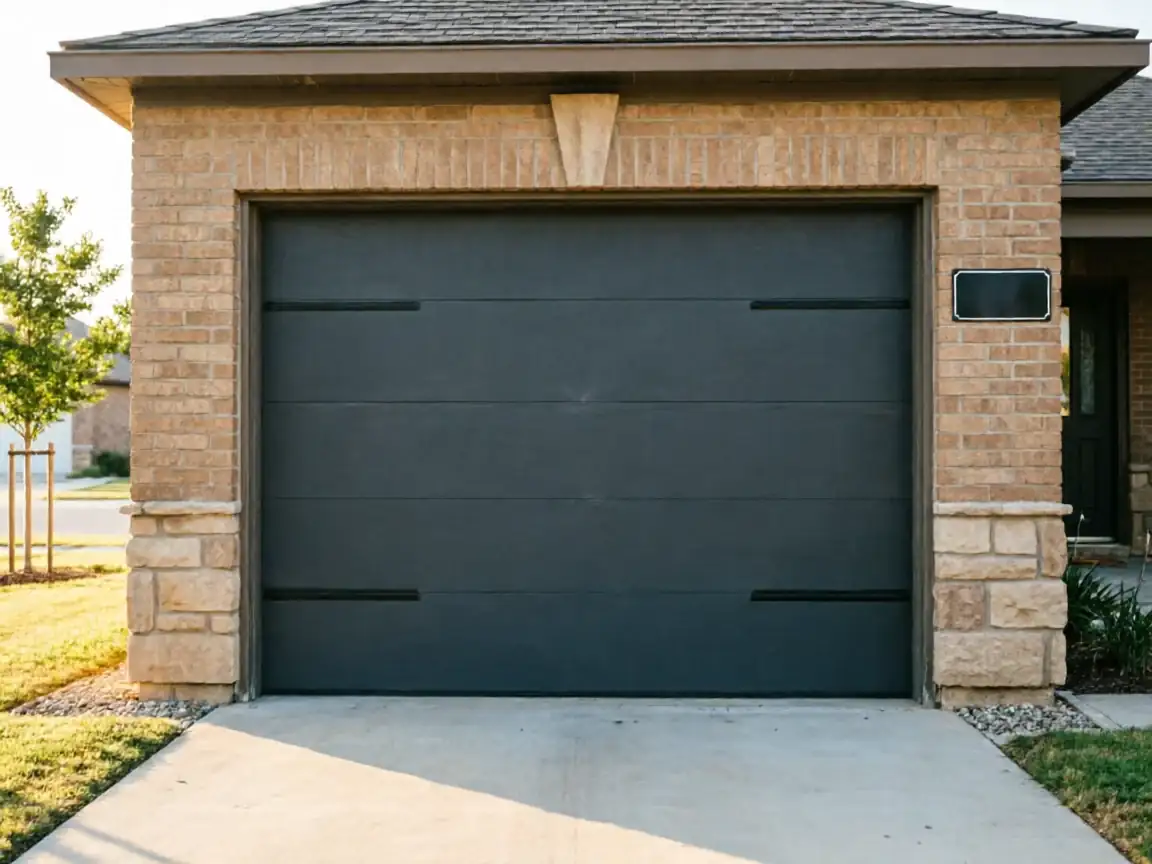
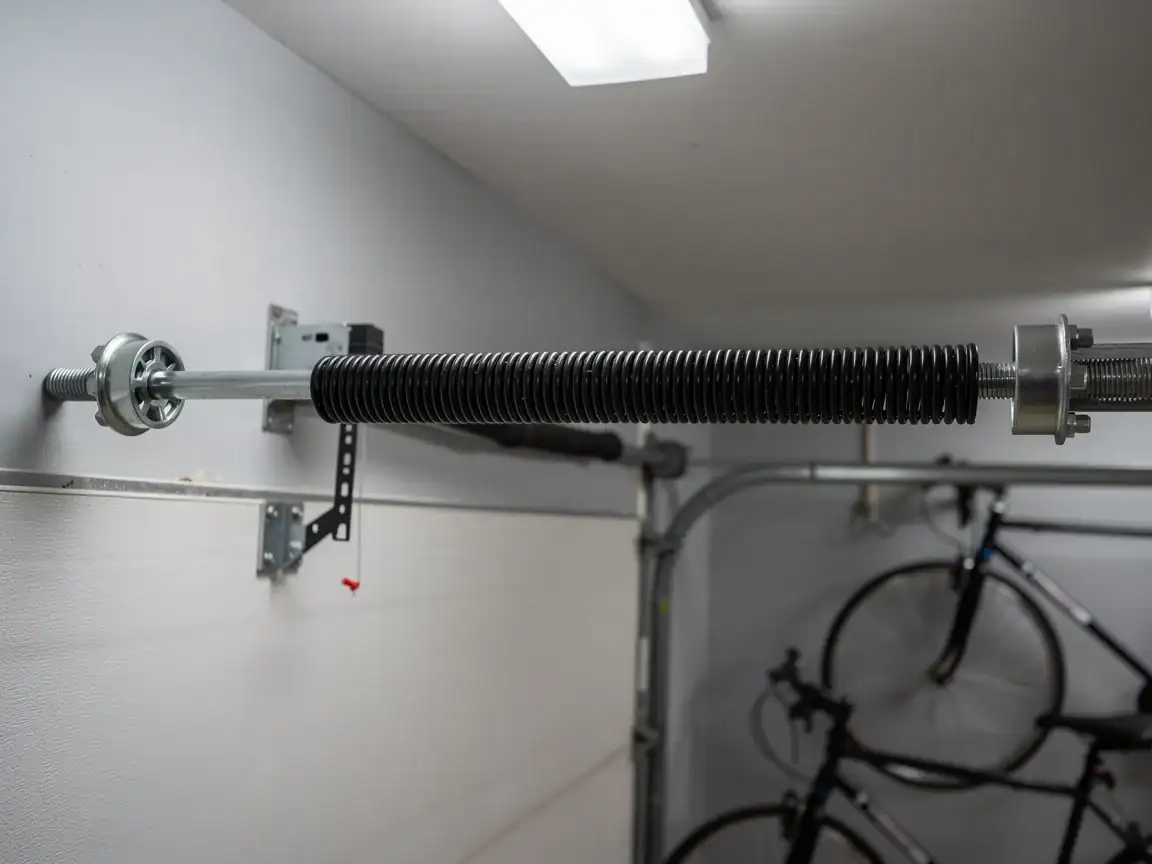
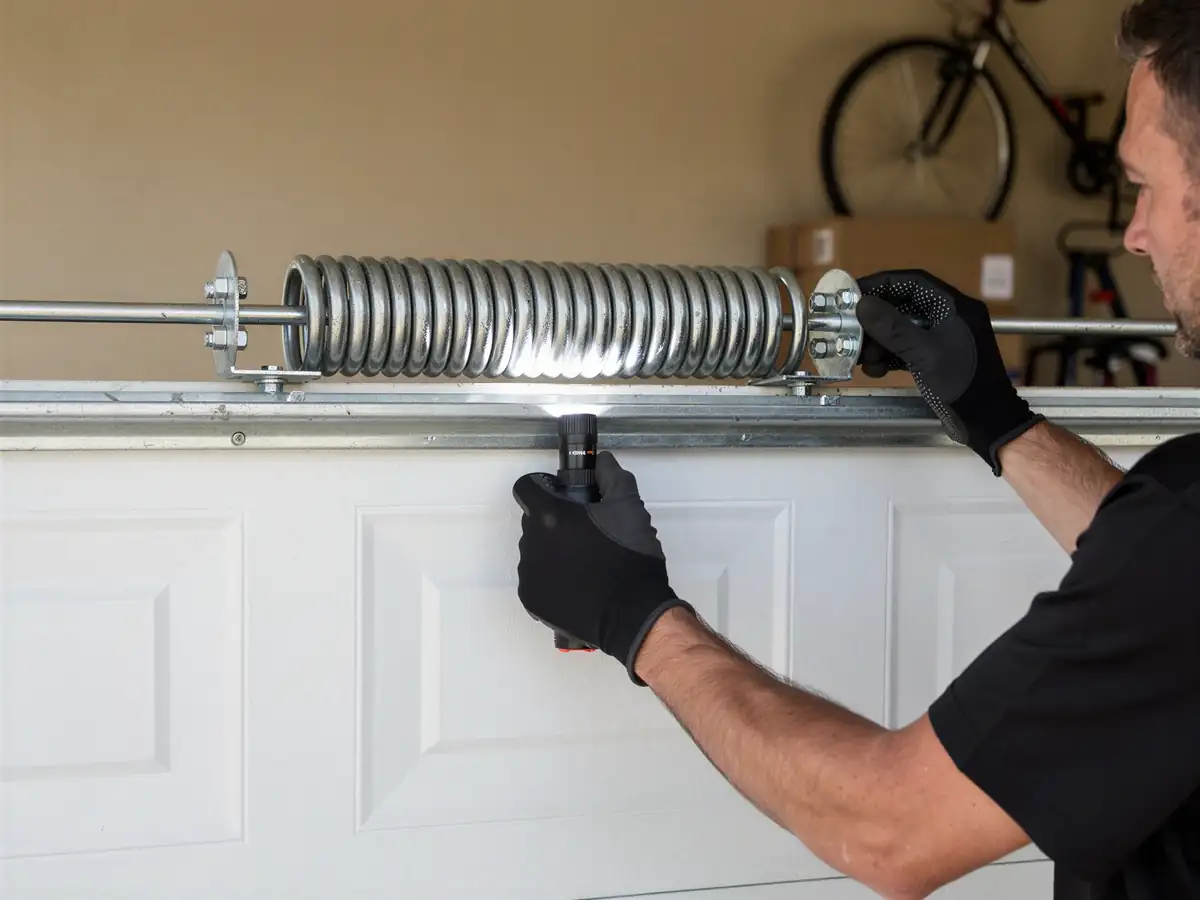
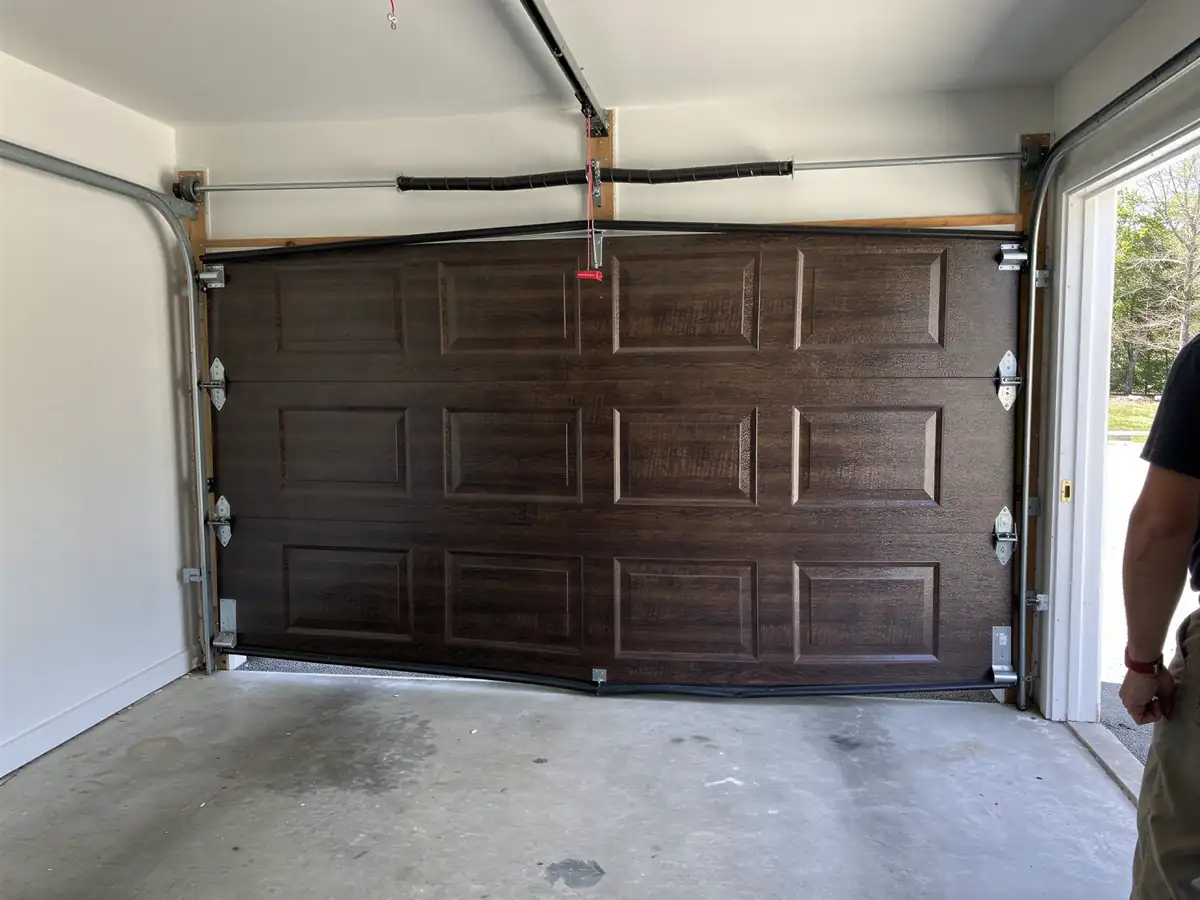
The door won't go up, or it goes up and slams back down, or the opener motor runs but the door doesn't move. On a lot of Temple houses that's a torsion spring that's finally given out after decades of two-cycles-a-day use. Most of the housing stock here was built somewhere between 1967 and 2005, with the heaviest concentration going up during the 1980s and '90s boom across the area's named pockets. That means a big share of doors in town are running original or first-replacement hardware that's thirty-plus years old, not the newer high-cycle springs you'd see on a house built last year.
Other common complaints
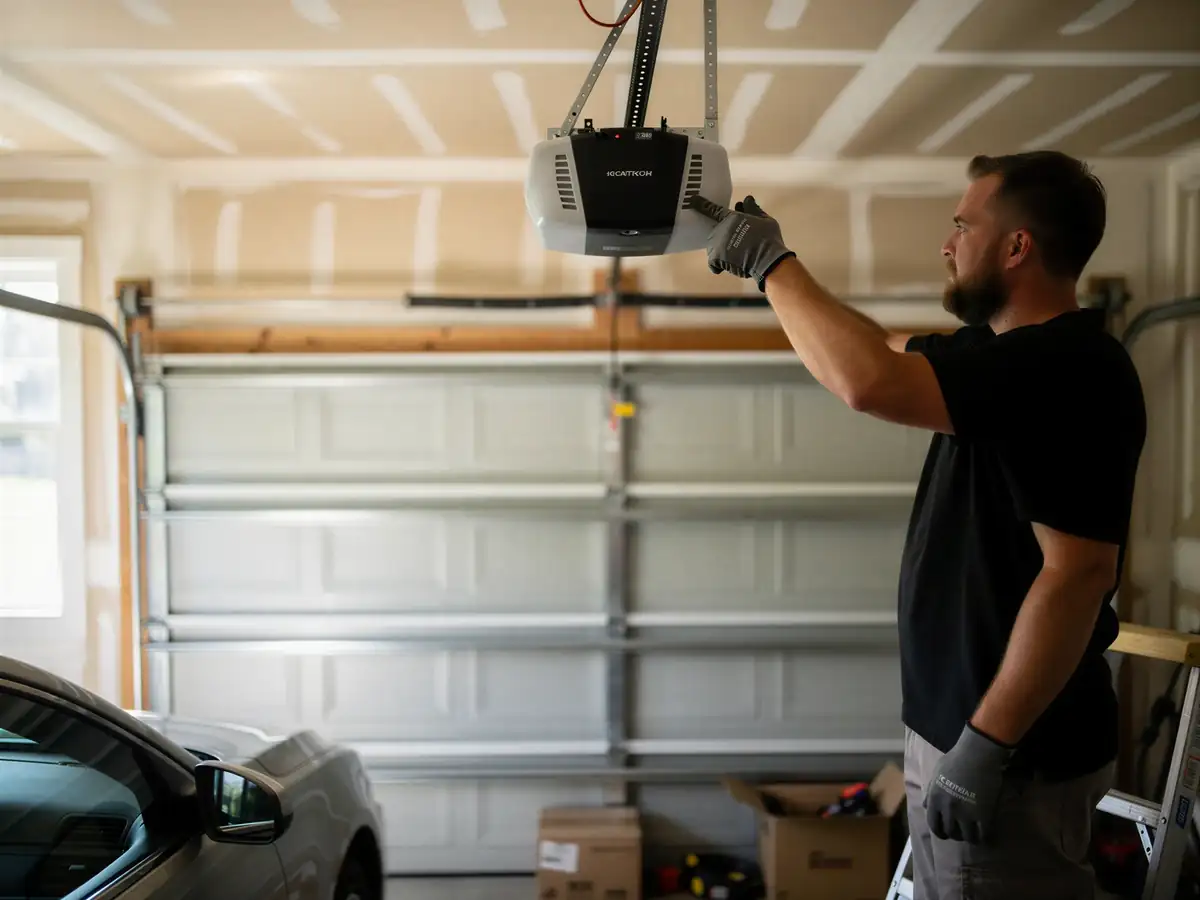
A cable that's frayed and jumped the drum, rollers that grind instead of roll, or a track that's bowed out from a bump nobody remembers giving it. Openers from that same build era are mechanical, not smart-home connected, so when the logic board finally dies, parts aren't always sitting on a shelf. None of this is dramatic - it's wear, showing up on schedule for houses of this age.
Why This Fails Locally
Temple sits in a mild climate band that still drops below freezing a handful of times most winters. That's not Minnesota cold, but it's enough freeze-thaw cycling to stiffen the grease in steel ball bearings and tighten up galvanized spring coils that were already near the end of their rated cycle count. A spring that's been flexing for thirty years doesn't need a big shock to snap - it needs one more cold morning.
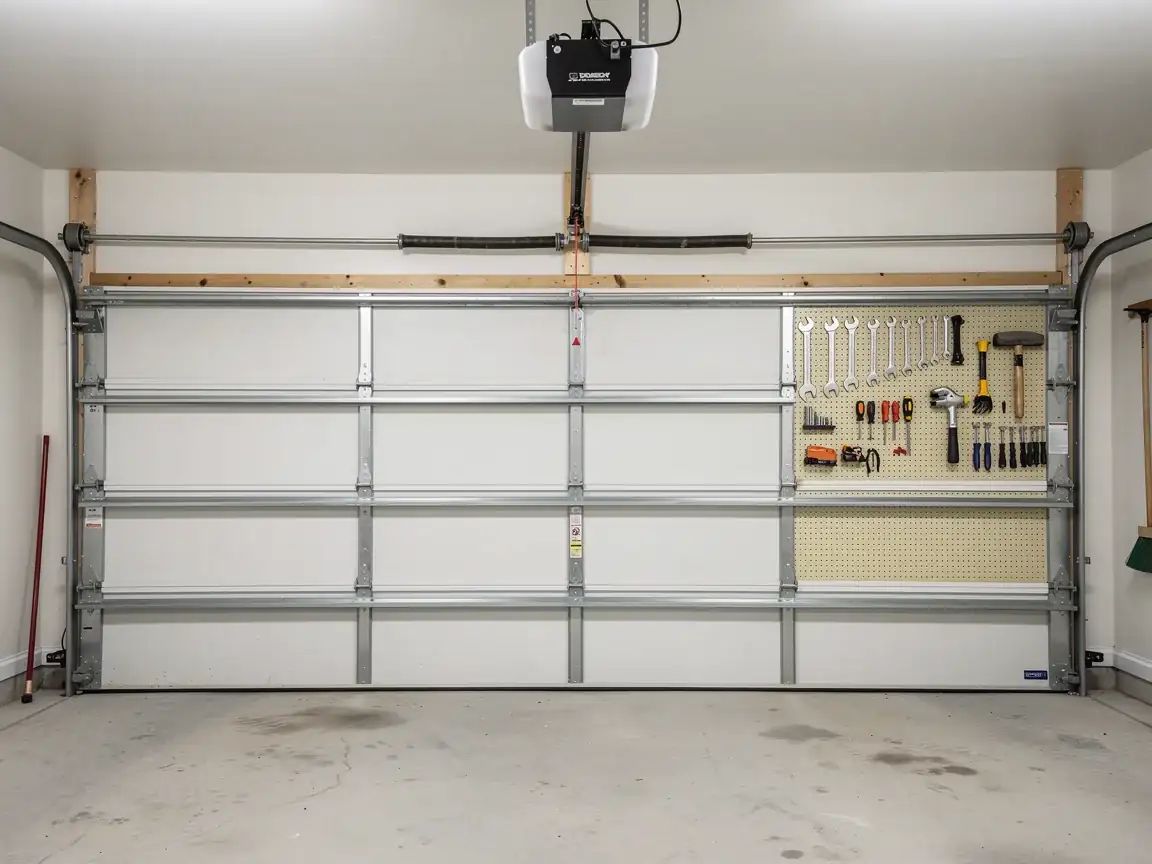
The housing stock compounds it. Doors installed across the 1980s-90s wave of construction in Temple's named subdivisions mostly used side-mounted torsion hardware sized for the lighter steel doors of that era. Thirty-plus years on, a lot of that original hardware is still in place because the door still looks fine from the driveway - it's the spring and bearings doing the actual work that nobody sees until they fail. Newer builds in town, where there are some, tend to run higher-cycle springs and nylon rollers that don't show the same pattern yet. This is an age-of-house problem as much as a weather problem, and in Temple those two line up.
Doing It Yourself
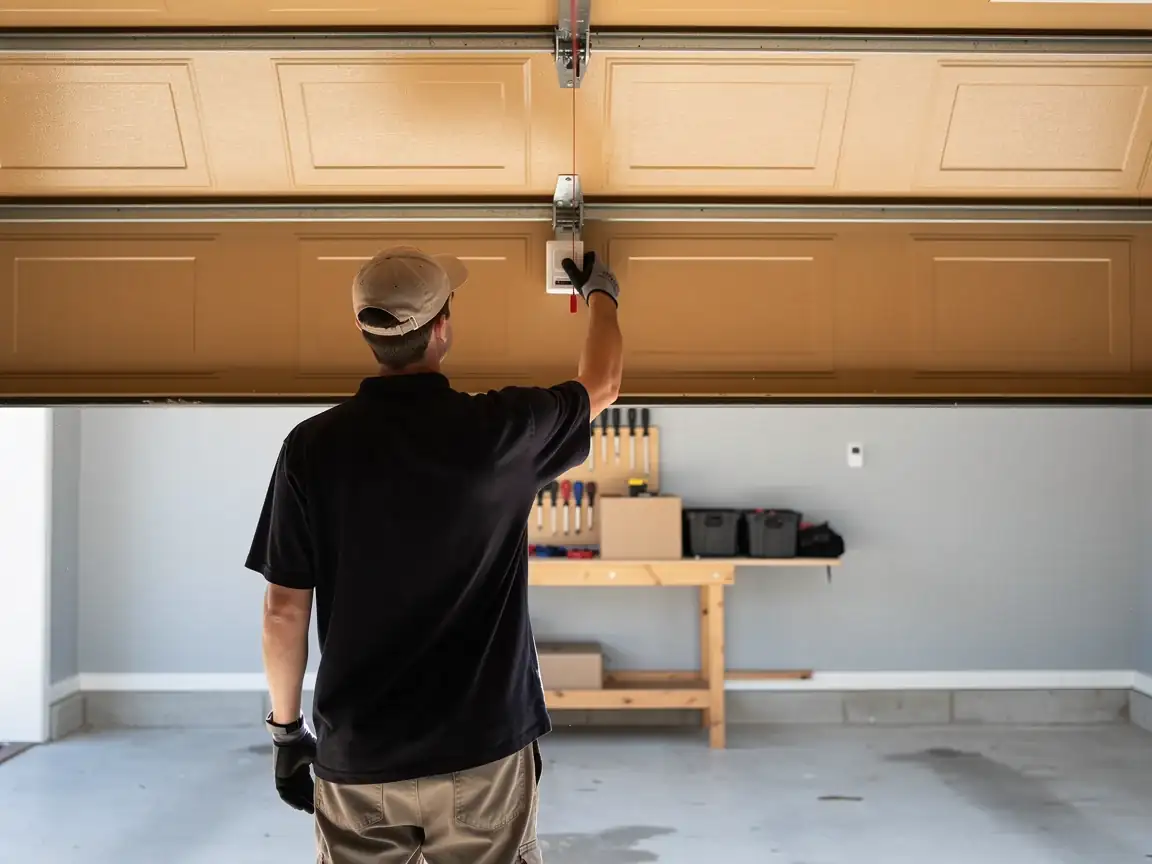
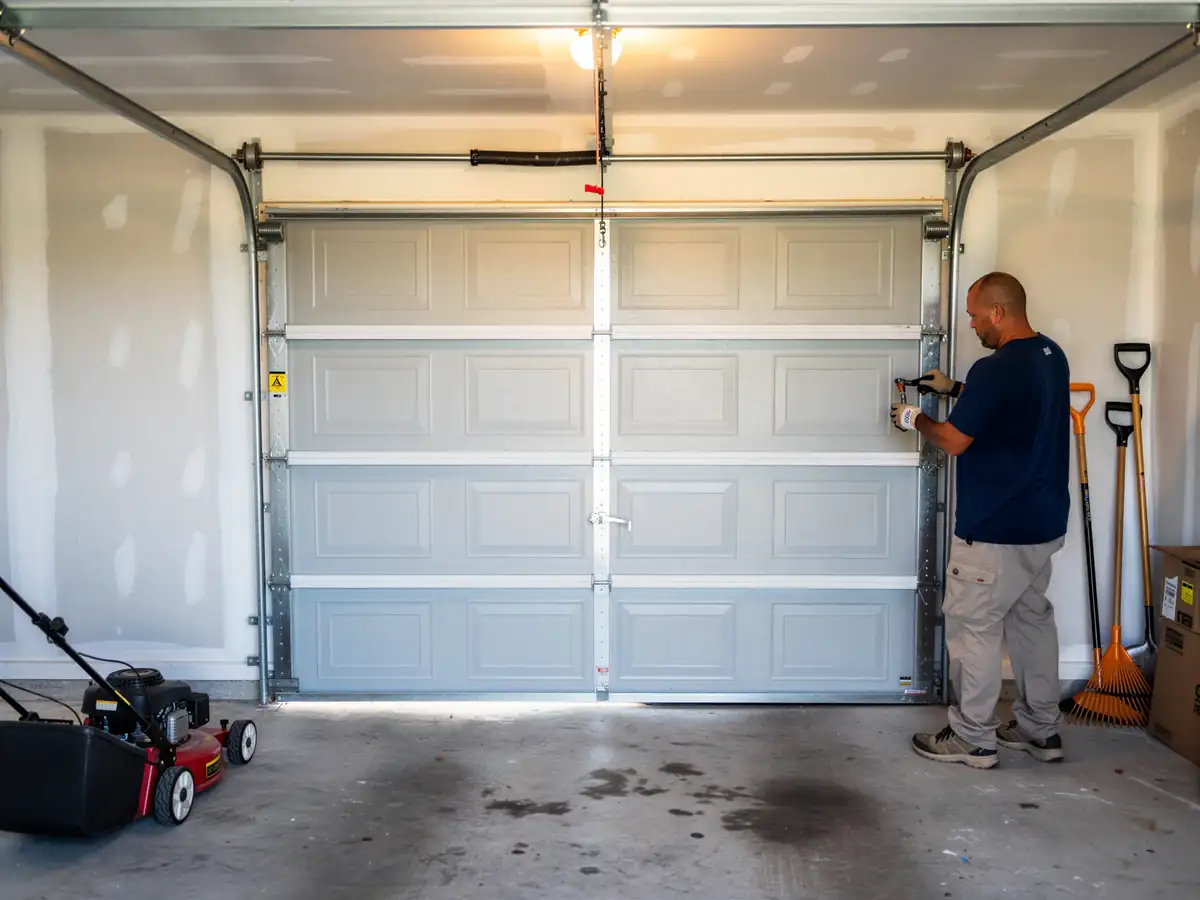
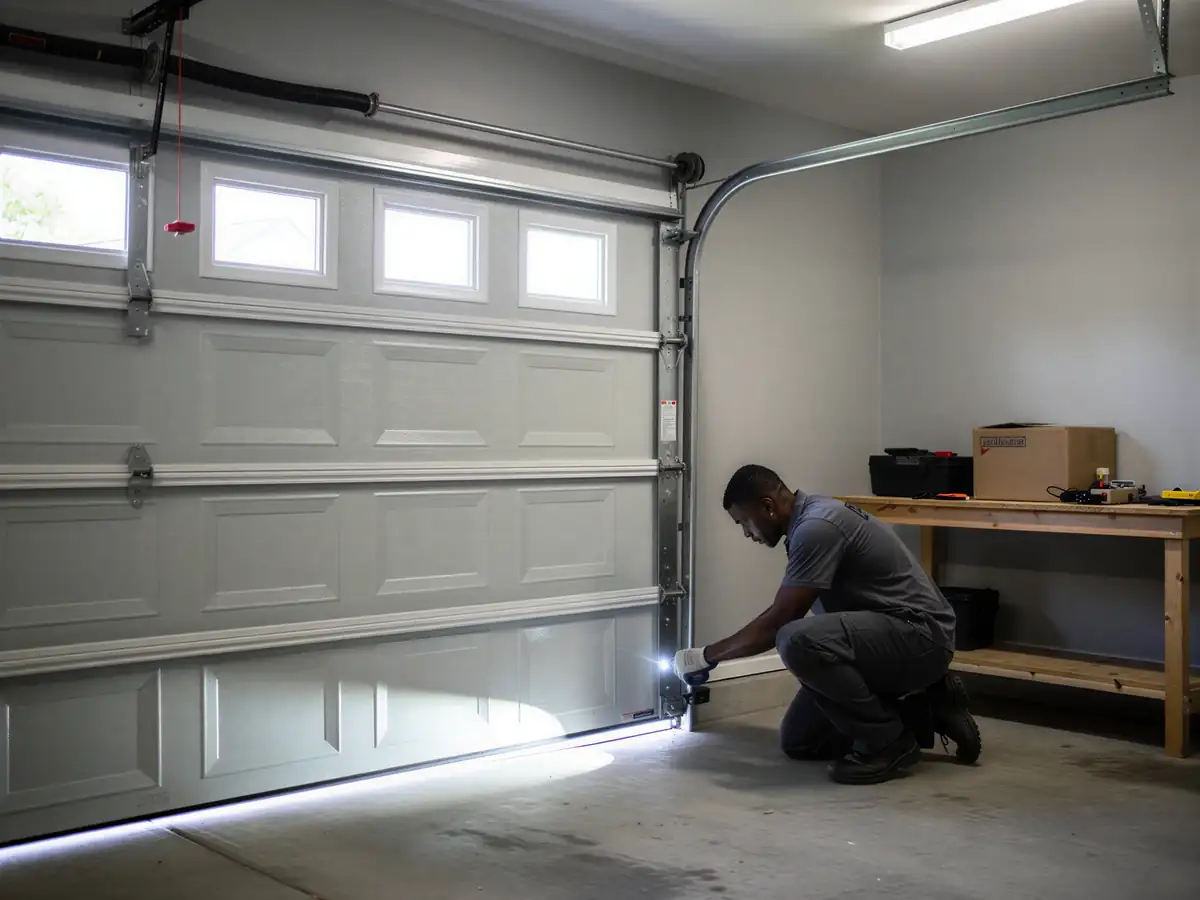
Some of this is fine to check yourself. Pull the release cord with the door down and see if it moves freely by hand - if it's heavy or crooked, that's the spring, not the opener, and no amount of opener troubleshooting will fix it. You can also vacuum out the track, check that the photo-eye sensors near the floor are aligned and not sun-blinded, and tighten loose hinge bolts with a nut driver.
What we don't recommend: touching a torsion spring yourself. A wound spring under tension on an older door can put you in the hospital, and the winding bars for it aren't something most garages have lying around. We also won't tell you a cracked panel on a thirty-year-old door is a quick fix - once the steel's bent at the hinge line, you're usually better off replacing that panel or the section than chasing a patch. If your door is original to a 1970s or '80s build and the opener's logic board is shot, sourcing an exact replacement part can take longer than the repair itself - that's a real limitation, not a sales pitch.
Getting It Booked In
If the door's stuck, making noise, or the opener's cycling without moving the door
Call it in rather than waiting it out - a spring under partial tension or a cable about to jump the drum gets worse, not better, with another week of use. With a median household income of $73,750 across the Temple service area, a lot of homeowners choose a straight spring or cable swap over a full door replacement when the panels and track are still sound, and that's a reasonable call on a door that's otherwise holding up.
- $73,750 median household income
We work throughout Temple and into the nearby communities
Morgan's Point Resort is about five miles off, Belton six, Troy eight, Little River-Academy nine, with Nolanville, Salado, Moody, Holland, Harker Heights, Rogers, Bruceville-Eddy a bit further out. Distance matters when a part has to come off the truck or get picked up from a supply house, so tell us where you're calling from when you book. Get in touch and we'll get a time on the calendar.