What the Housing Means for Your Door
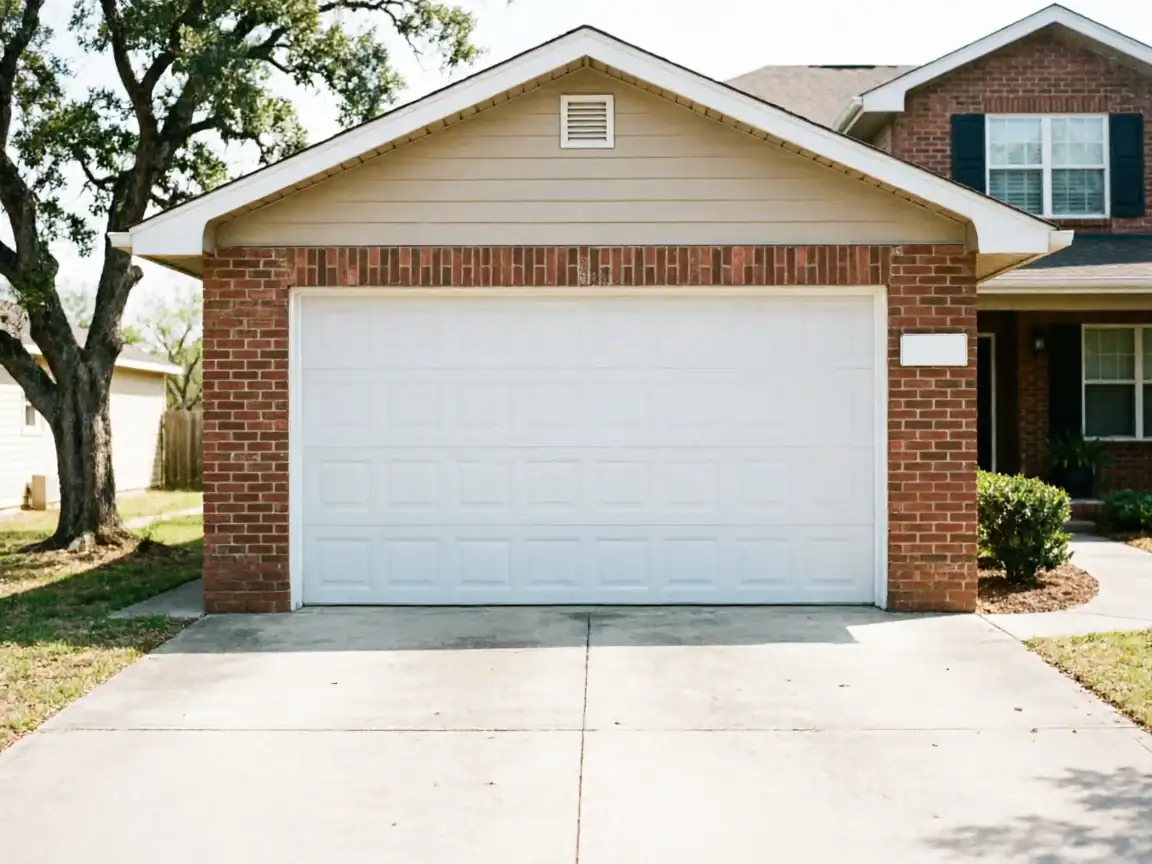
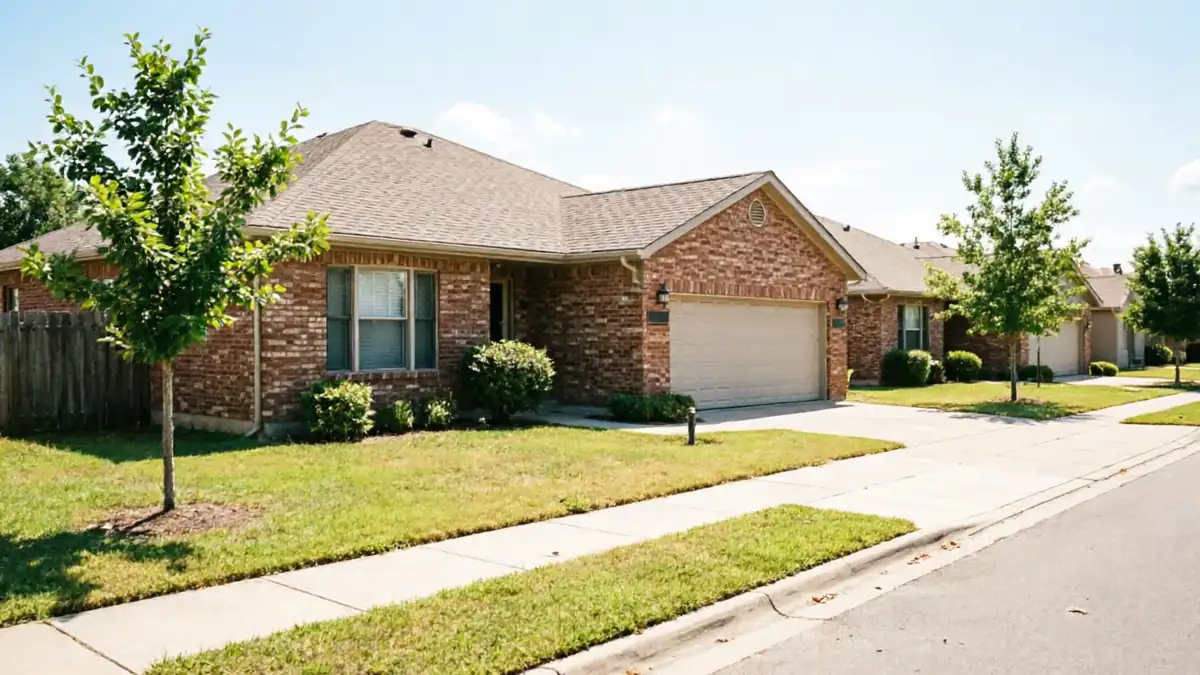
Belton's homes run a bit newer than the rest of our coverage area
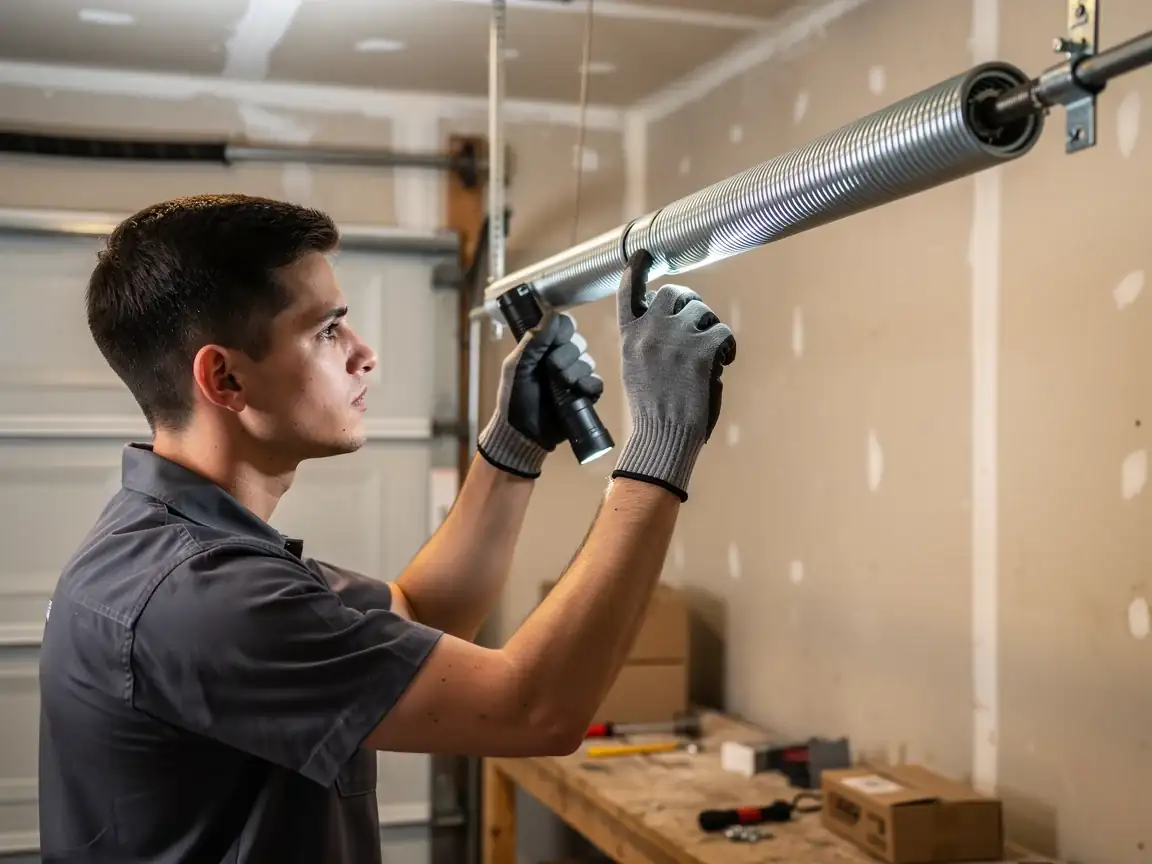
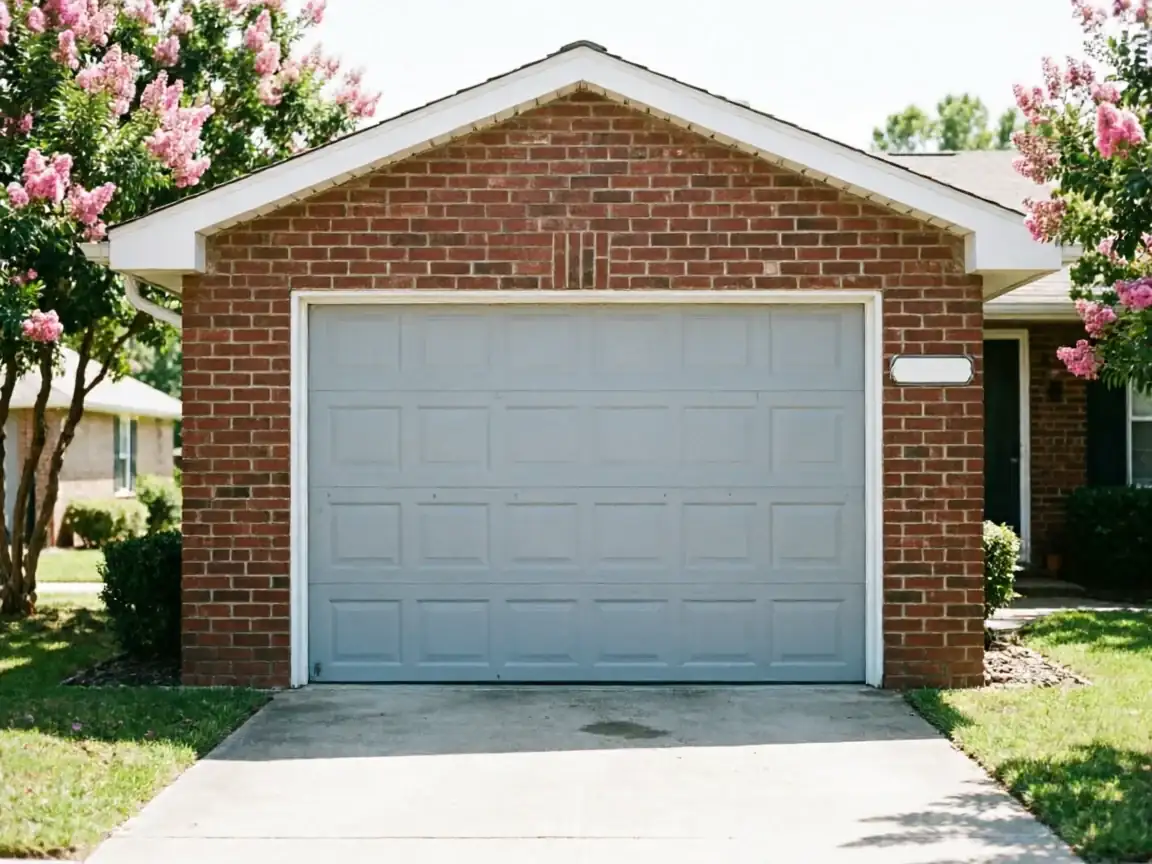
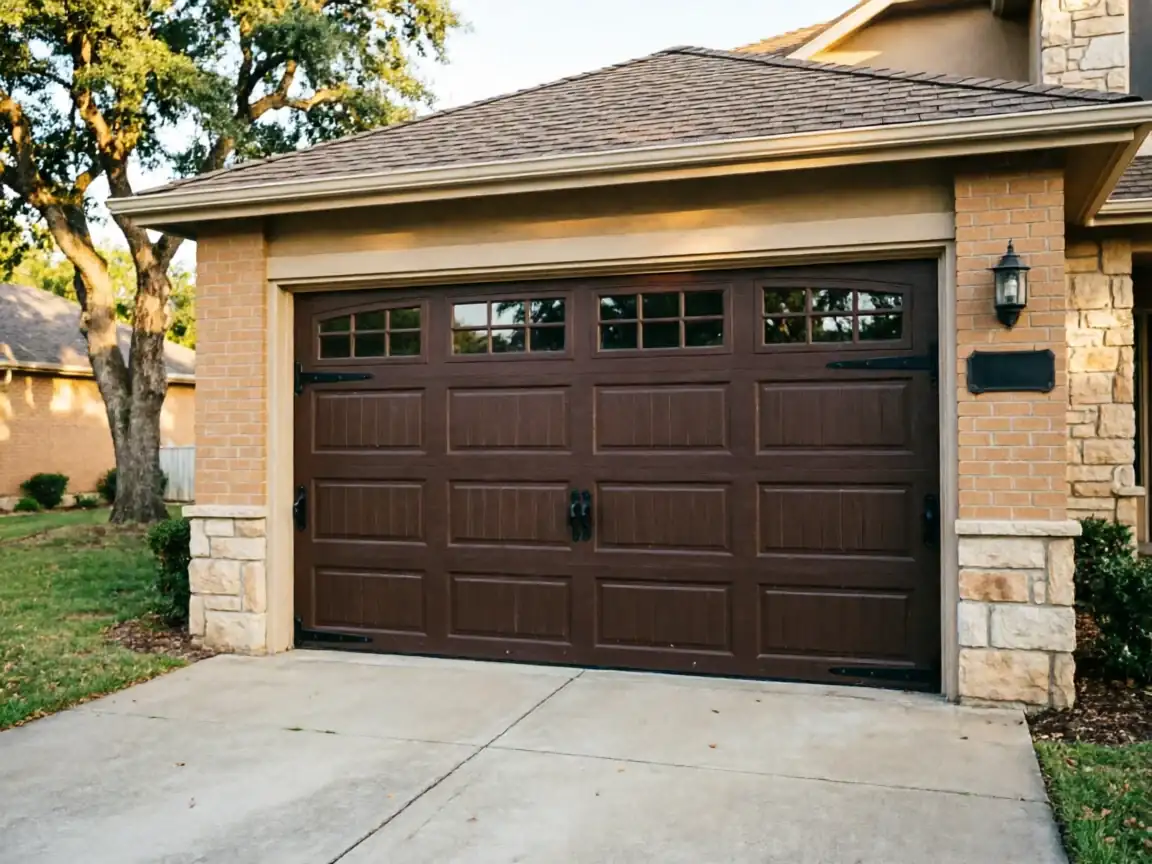
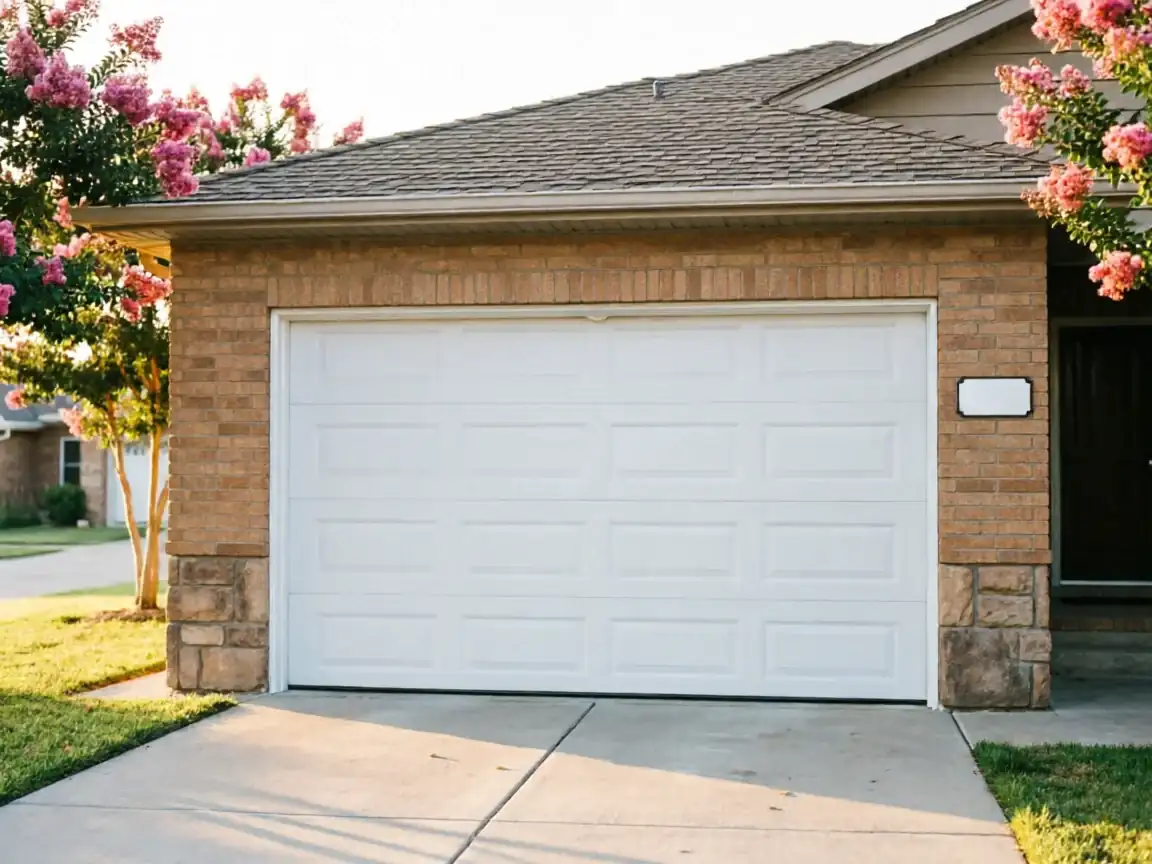
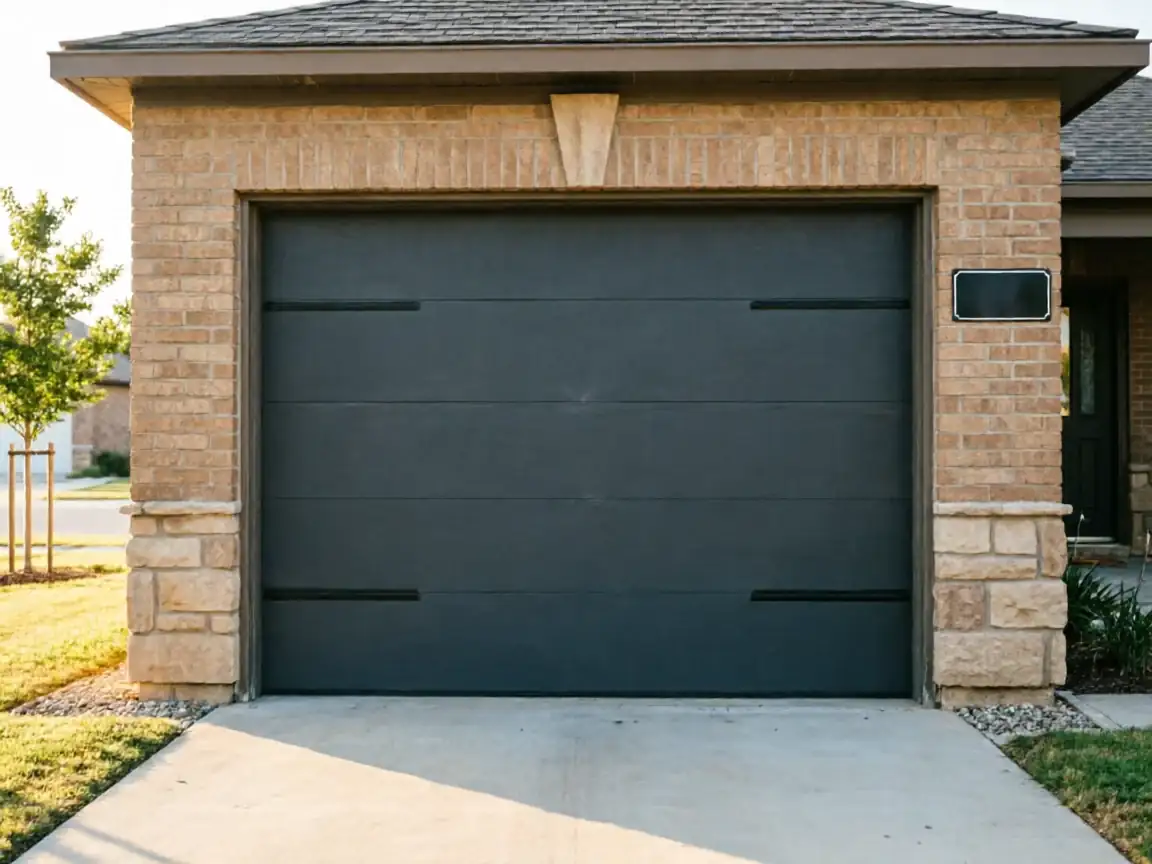
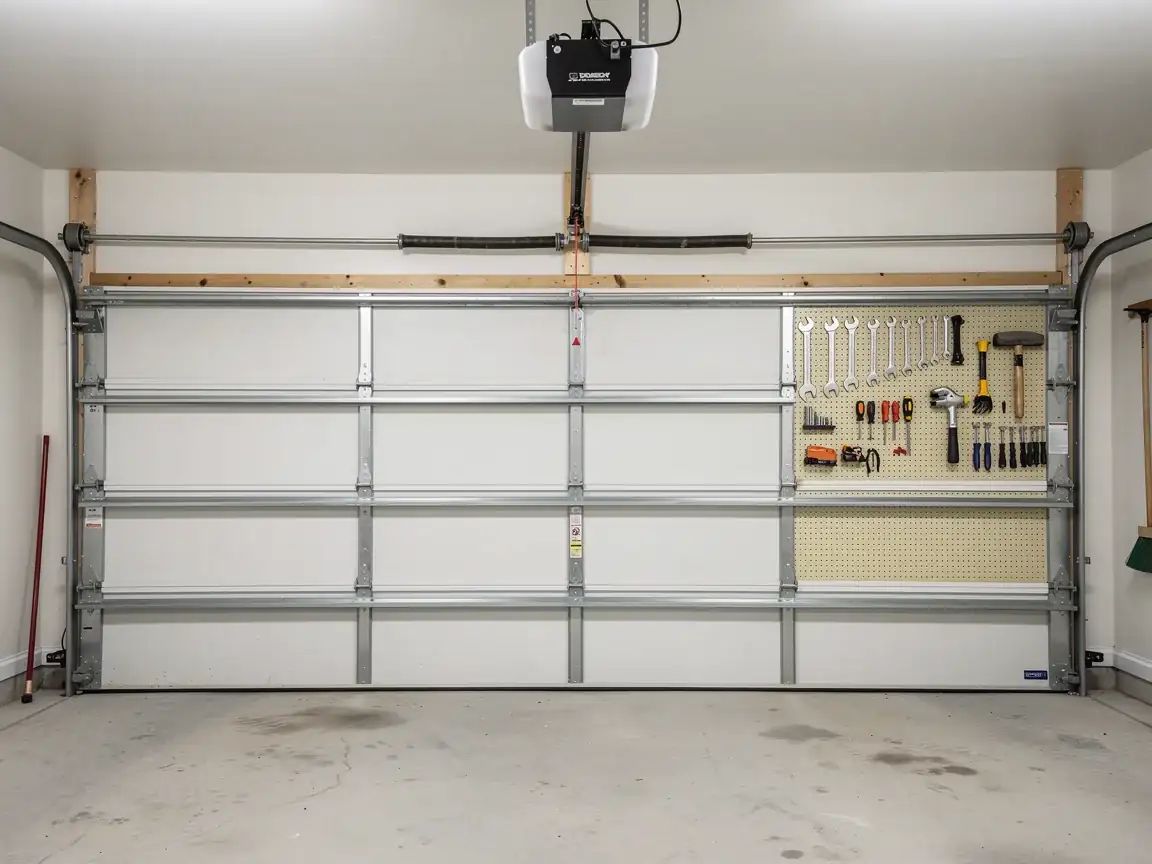
The median build year here is 1995, while the broader service area we cover out of Temple spans homes built from 1967 to 2005 with an overall median around 1991. That four-year gap matters more than it sounds. Houses from the mid-90s almost always shipped with steel sectional doors on torsion spring systems, not the older wood-panel doors with extension springs you still find in the oldest pockets of coverage. The hardware is different, the failure points are different, and the parts we carry on the truck reflect that.
We're in a mild climate with occasional freeze days, not a harsh one
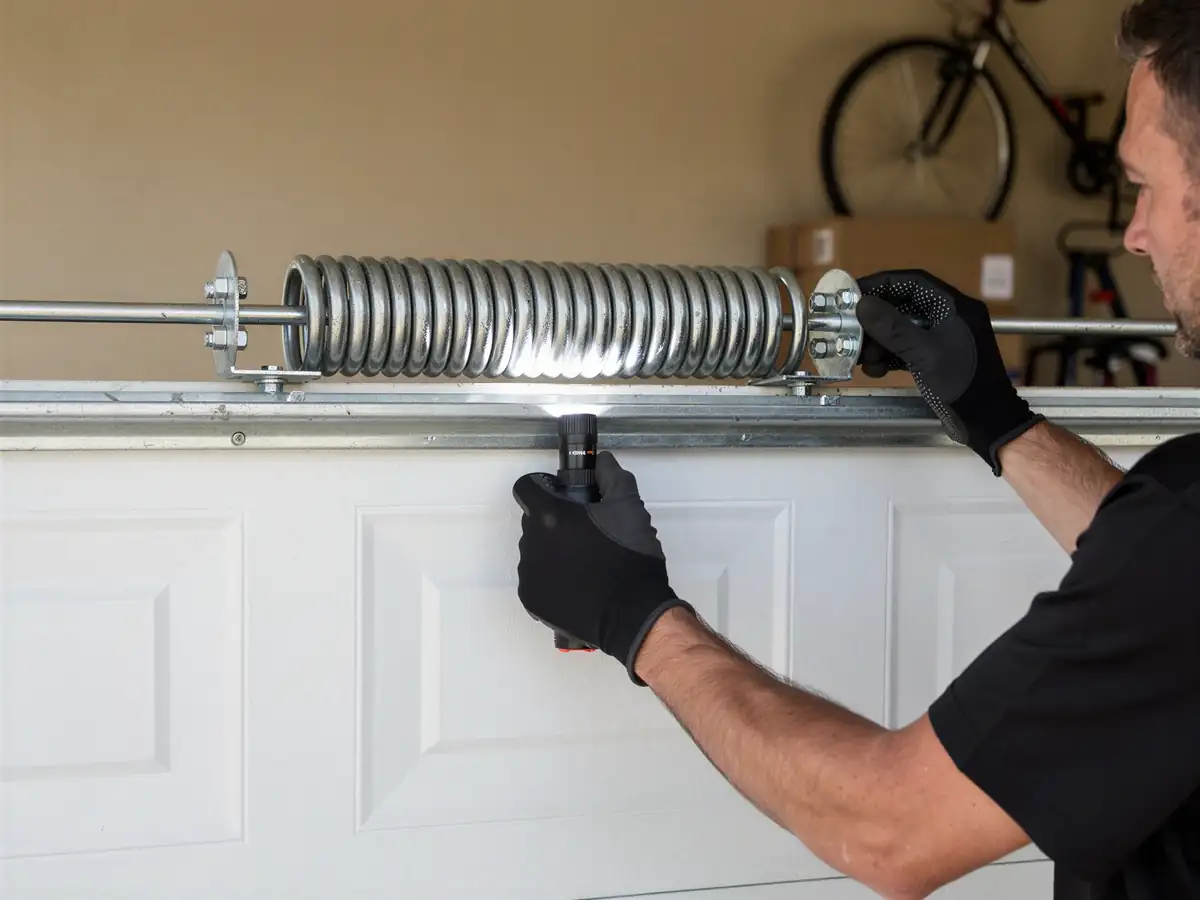
That matters for door hardware mostly in small ways - a torsion spring that's been fine for twenty years can seize up stiff on the one or two mornings a year it actually frosts, and dried-out weatherseal cracks faster in that kind of on-again-off-again weather than it would somewhere with a steady climate. On a 1995-era door, that usually shows up as a spring that groans before it breaks, not one that snaps without warning.
Common Jobs Here
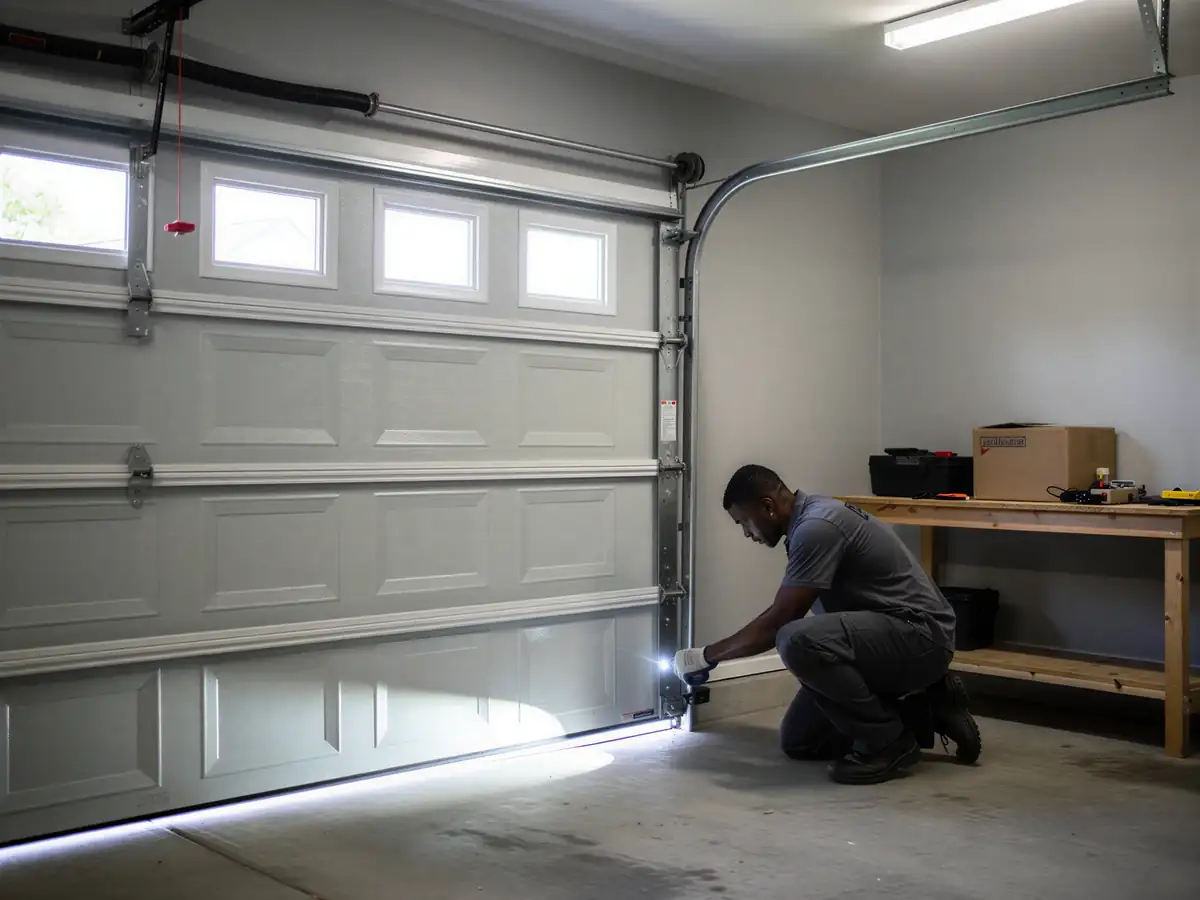
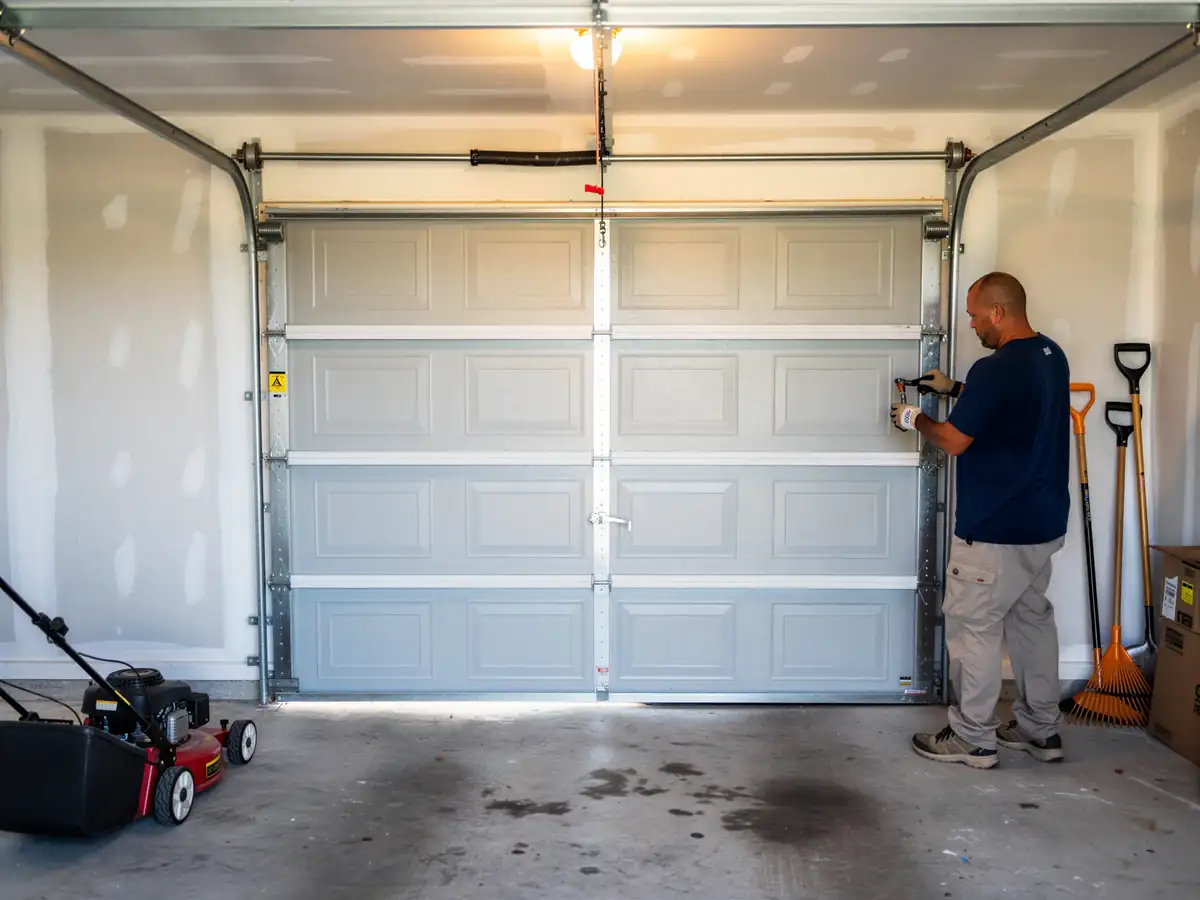
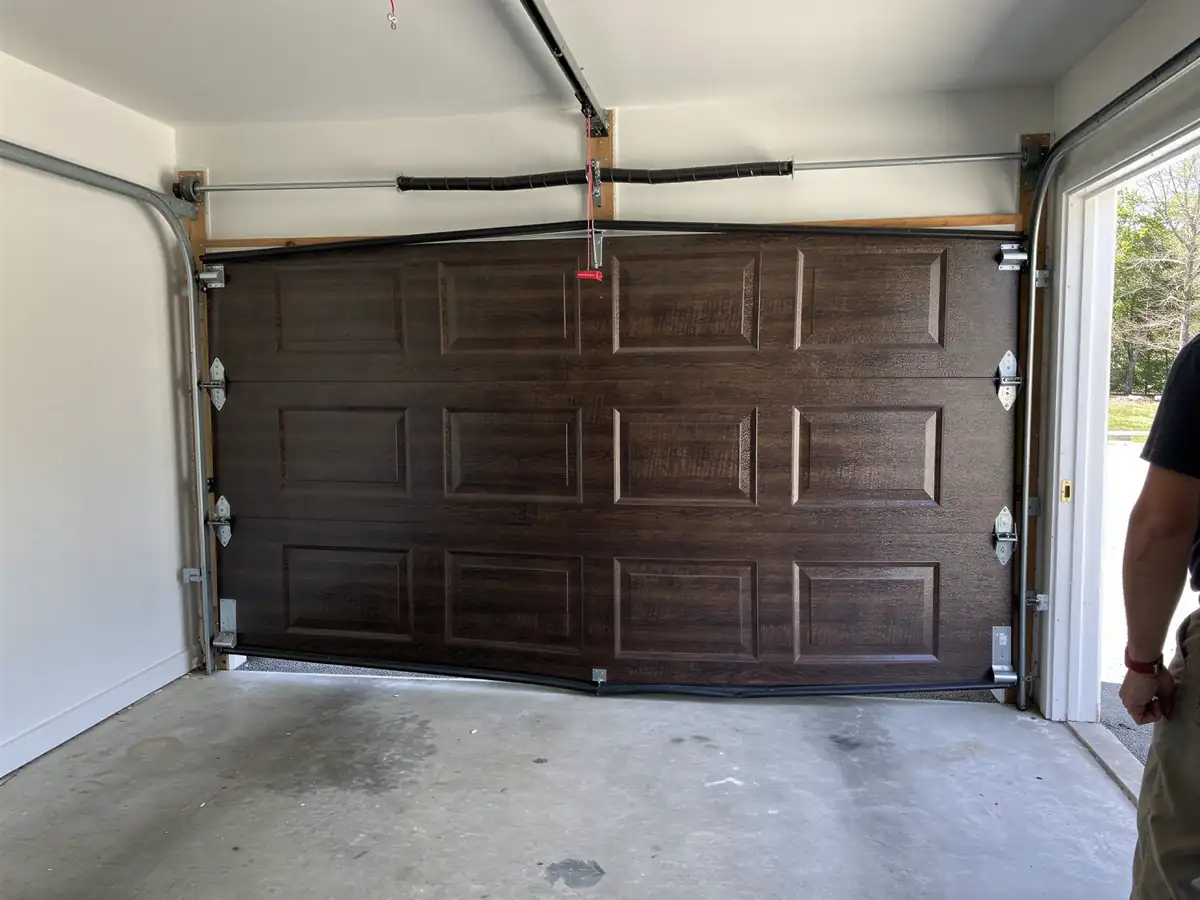
Most of what we get called out for in Belton tracks with the age of the stock. Torsion springs on steel doors installed in the mid-90s are hitting the end of their working life now - most are rated for a number of open-close cycles, and a door that age has usually used them up. We also see a fair number of nylon rollers that have worn down to the point the door rattles or binds in the track, which is common on doors that have never had the rollers swapped since new.
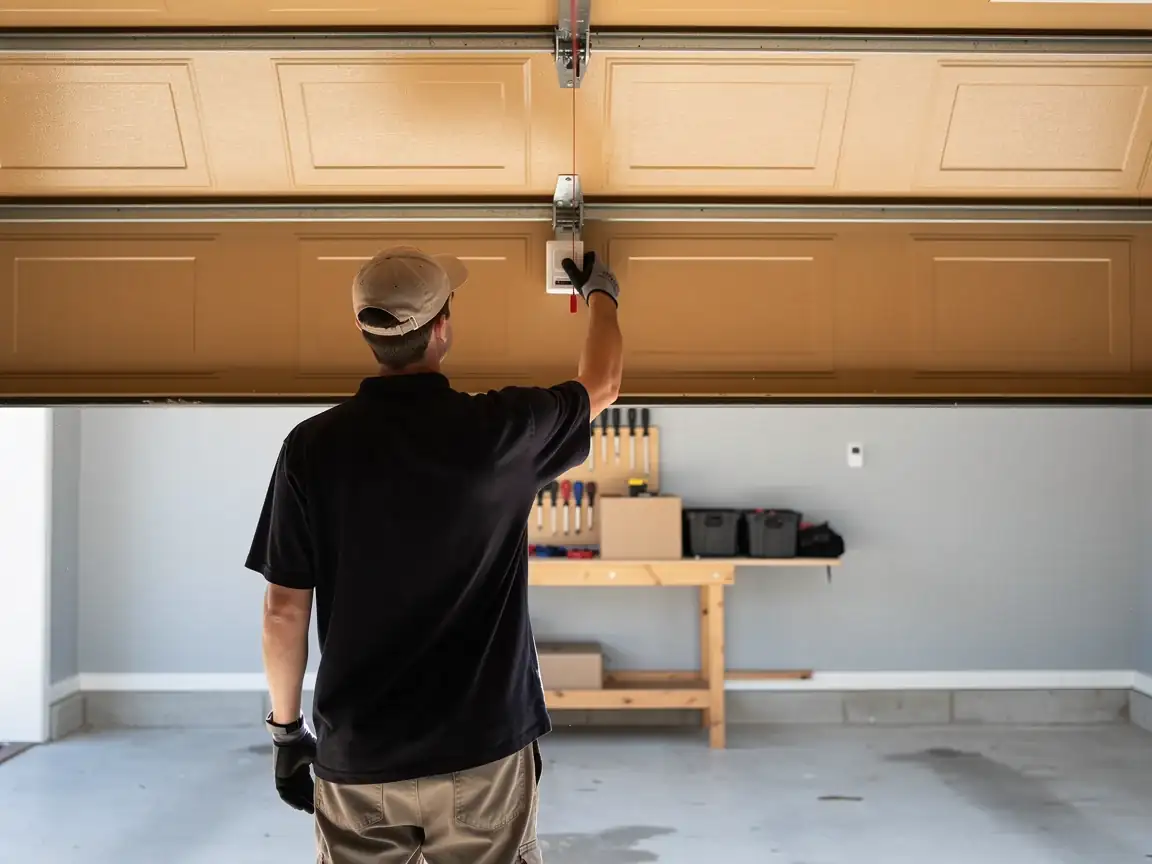
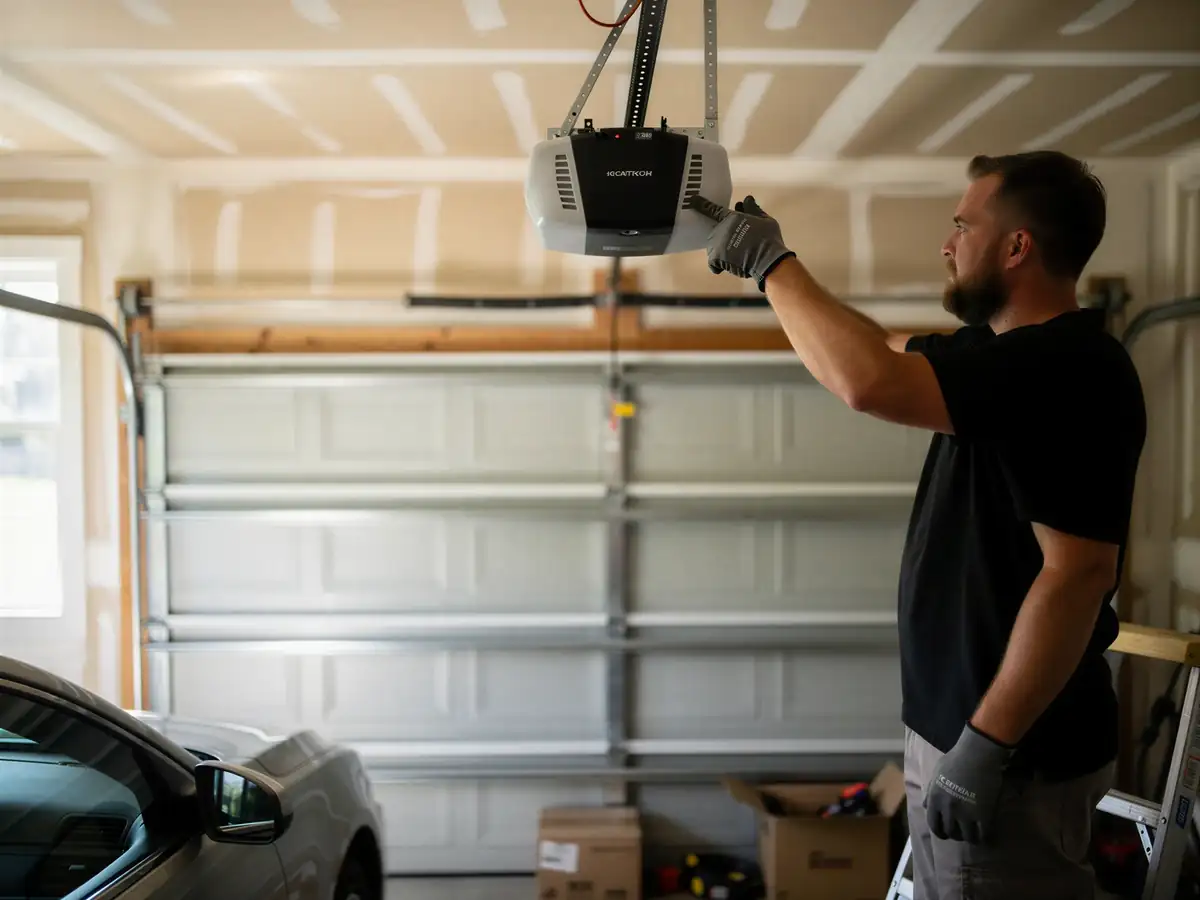
Openers from that era are another steady source of calls - logic boards and drive gears from the 90s and early 2000s don't hold up forever, and when one of those openers finally quits, replacement is usually the right call rather than a repair, since parts for boards that old are getting hard to source. On the occasional freeze morning, we'll get a call or two for a door that won't budge because a spring has tightened up stiff or a seal has cracked and let the bottom panel bind on the track. None of this is dramatic. It's steady, predictable wear tied to how old the hardware actually is.
This Area's Housing
Belton has about 7,755 households, and the median household income runs $63,544. That's lower than some of the newer growth areas around Temple, and it shows up in the kind of calls we get: more repair work, fewer full-door replacements unless the door's actually failed past the point of fixing. A torsion spring job or a roller swap on a serviceable 1995 steel door almost always makes more financial sense than tearing the whole thing out.
The broader service area we cover spans eleven named communities with housing mostly from the 1980s and 90s, and Belton sits toward the newer end of that range. That means fewer of the original wood-panel doors that show up elsewhere in coverage, and more doors that are still on their first or second opener. We don't try to sell a replacement where a repair will hold. If a door's spring is gone but the track, rollers, and panels are sound, we say so - replacing a whole door over one bad spring is a waste of money we won't ask you to spend.
Old Streets and New Ones
Belton isn't one uniform build era
There's an older core where houses predate the 1995 median by a decade or more, sitting alongside subdivisions built after it. The older section tends to have the doors that need more attention - original torsion hardware from the late 80s, openers that have outlived their boards, weatherseal that's never been replaced. The newer additions built closer to 2000 and after generally have steel doors and openers that are still within a normal service life, so the calls there skew toward roller wear and the occasional sensor misalignment rather than full spring failure.
We travel the six miles from our shop in Temple for both
The run itself isn't the limiting factor - what matters more is parts. If a door needs something specific to its original builder-grade hardware from the 90s, we may need to order it rather than have it on the truck, and that can push a repair out a day or two. We'll tell you up front if that's the case rather than make you wait and wonder.