Garage Door Repair for Belton's 1990s Housing Stock
Garage door repair for Belton, TX homes built around 1995. We work on the steel raised-panel doors and extension-spring hardware common across Belton, dispatched from Temple, 6 miles away.
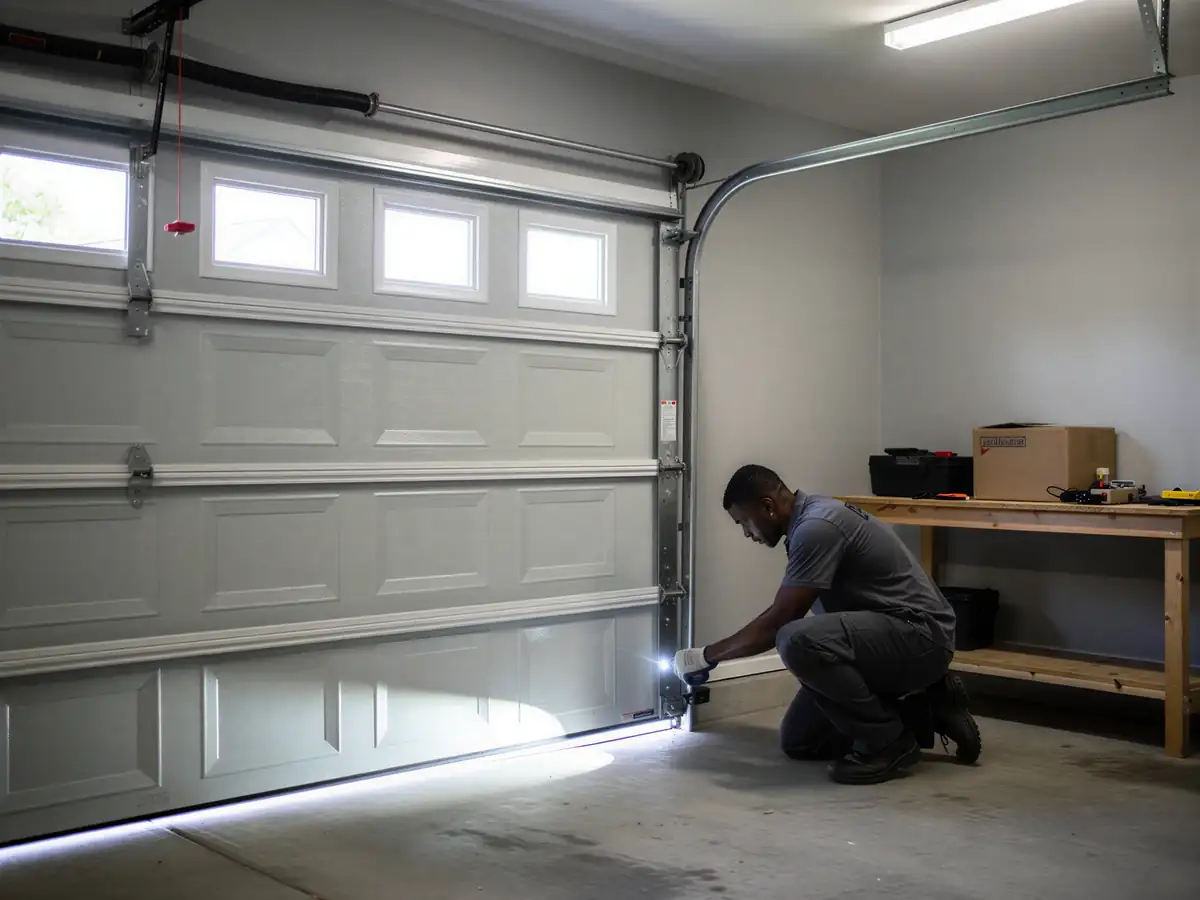
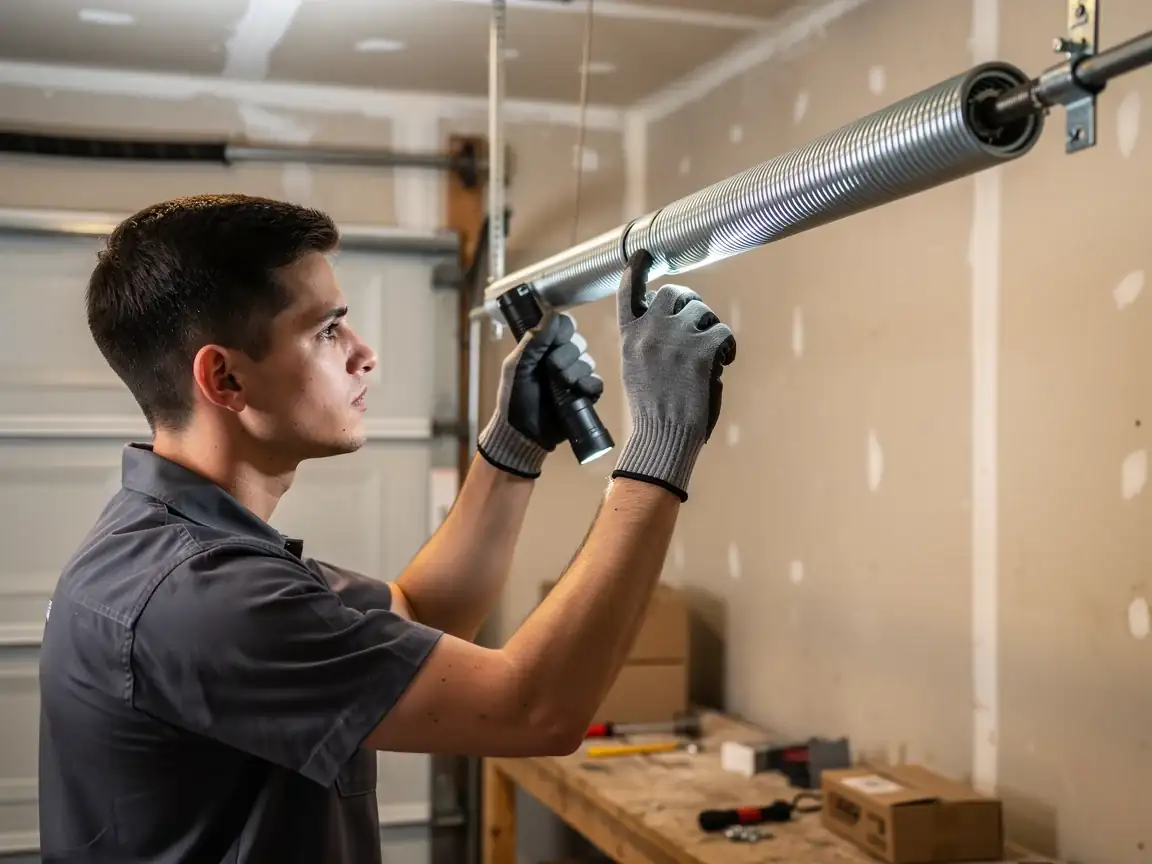
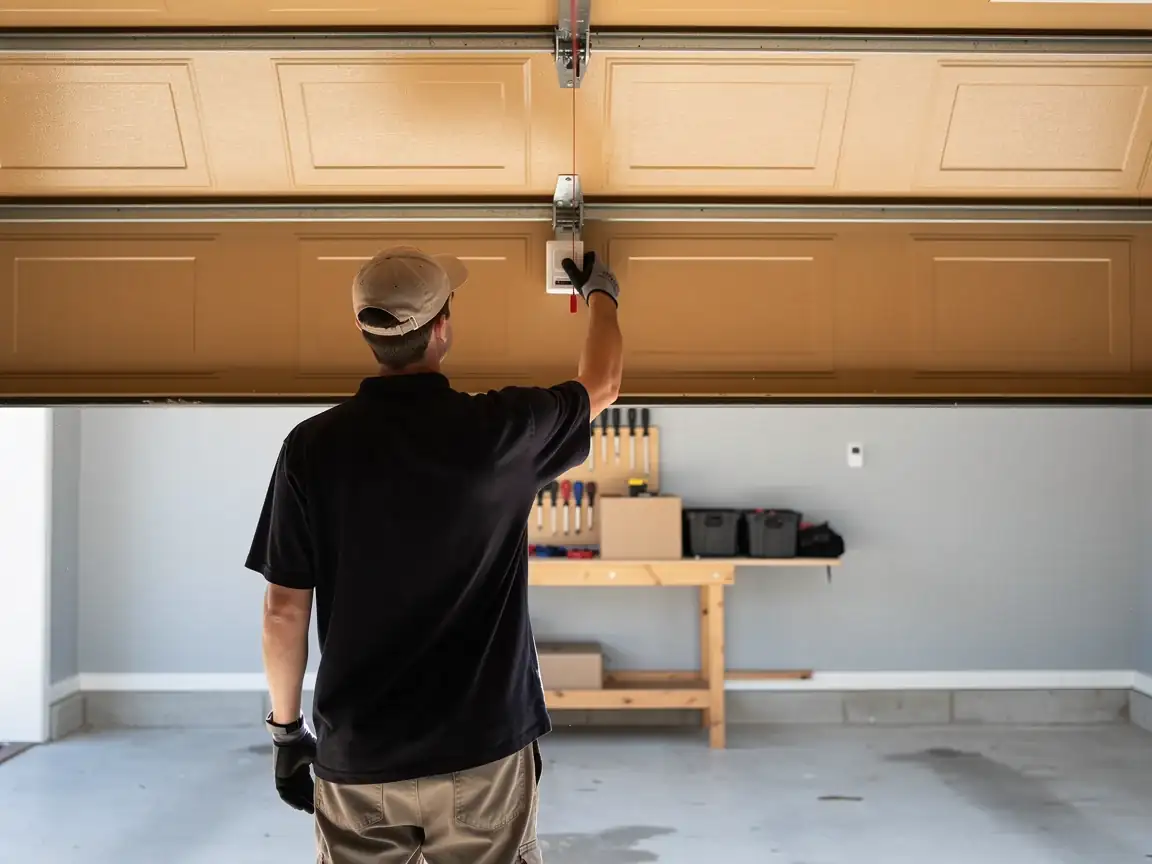
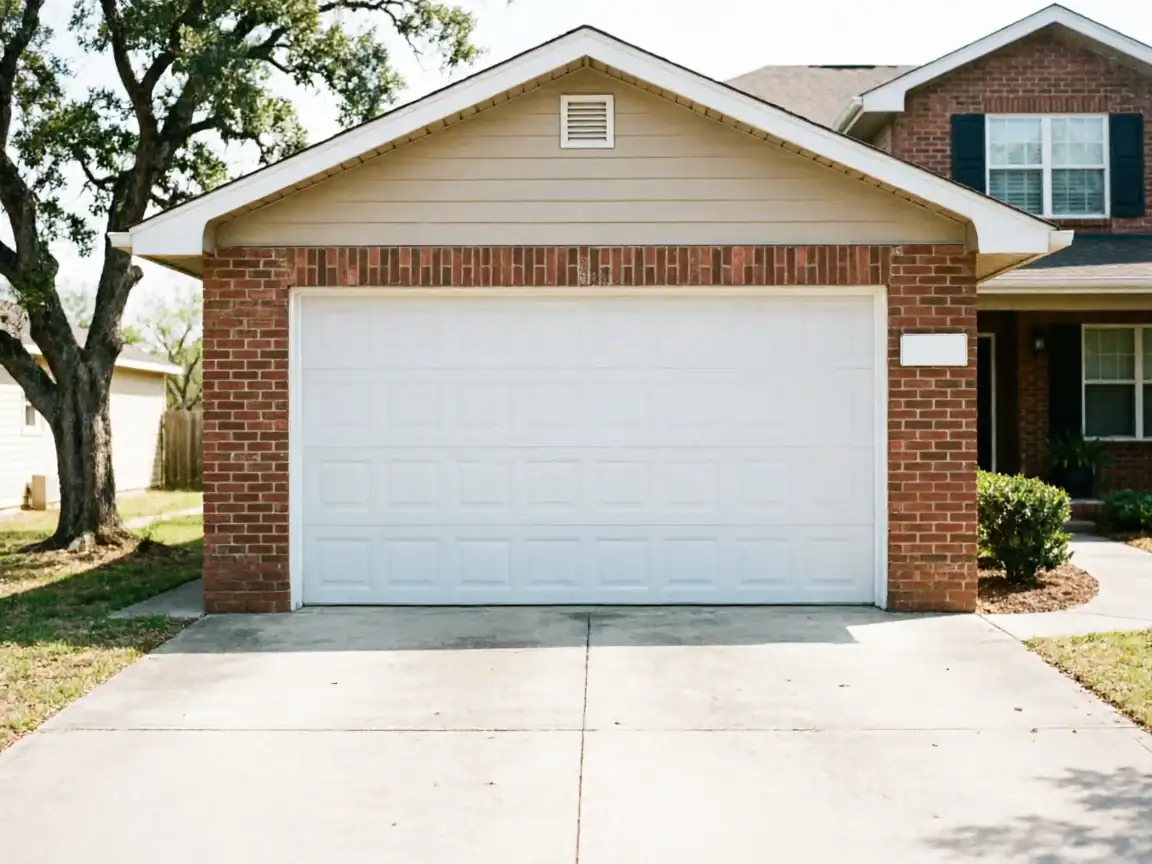
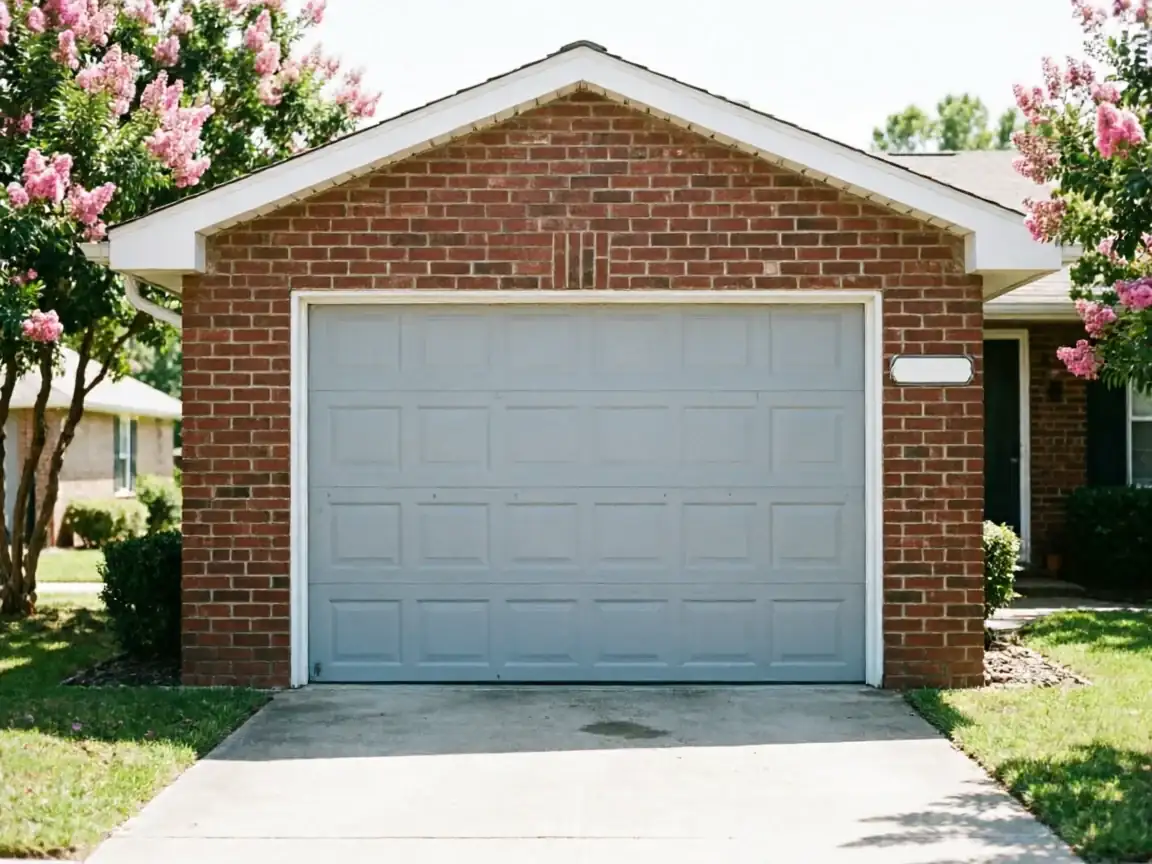
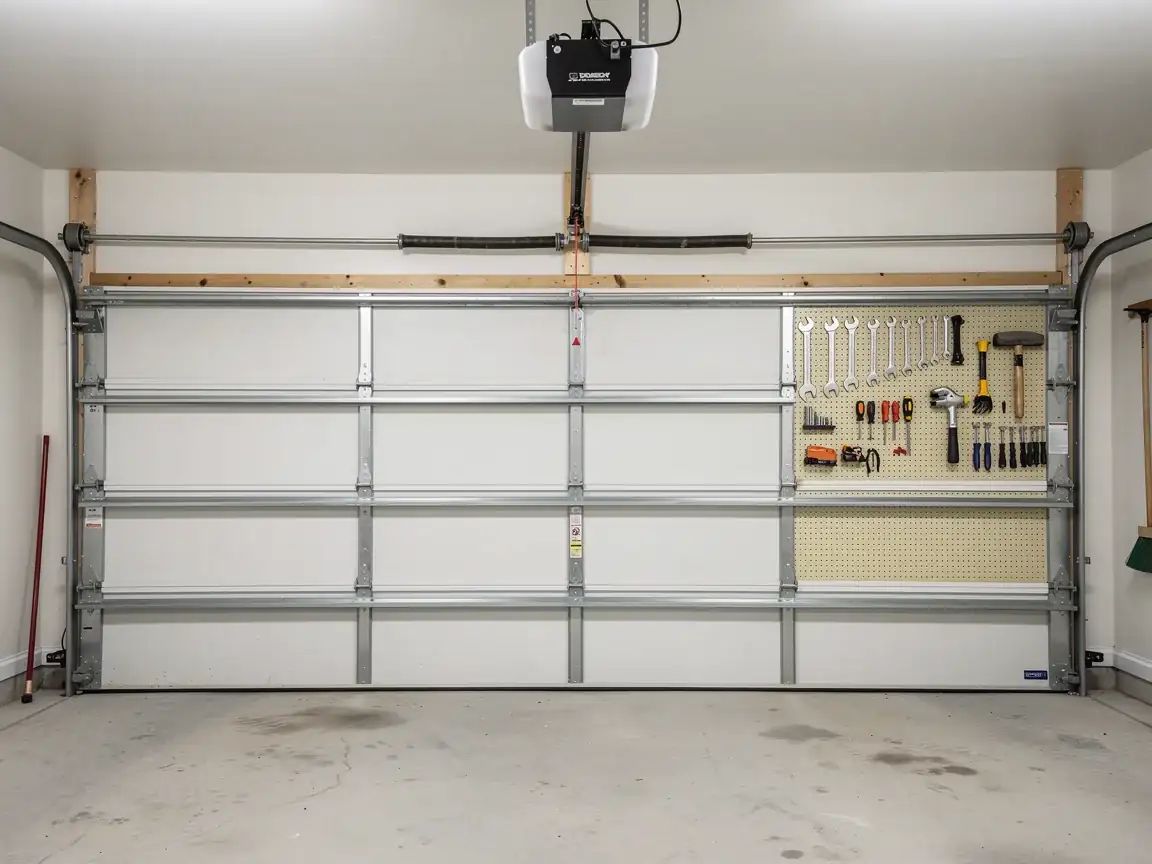
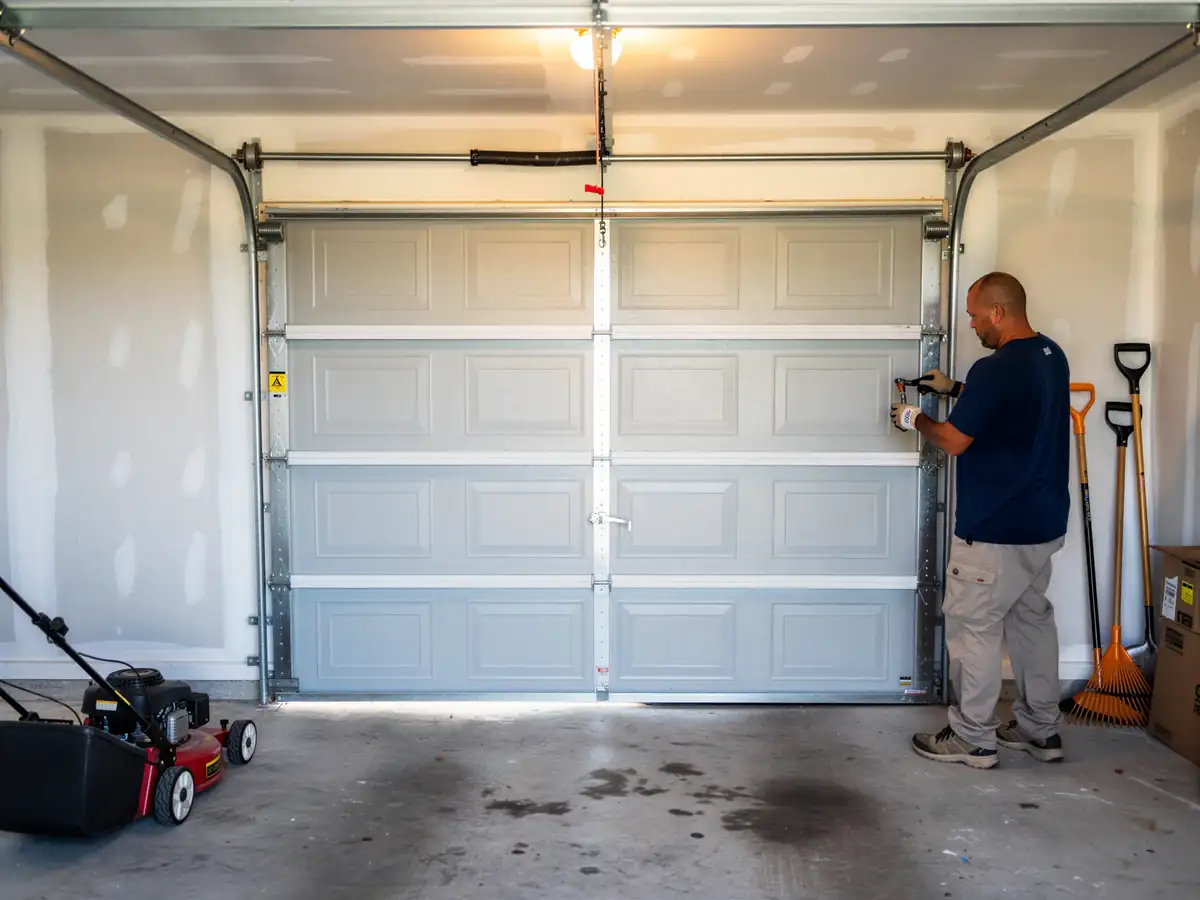
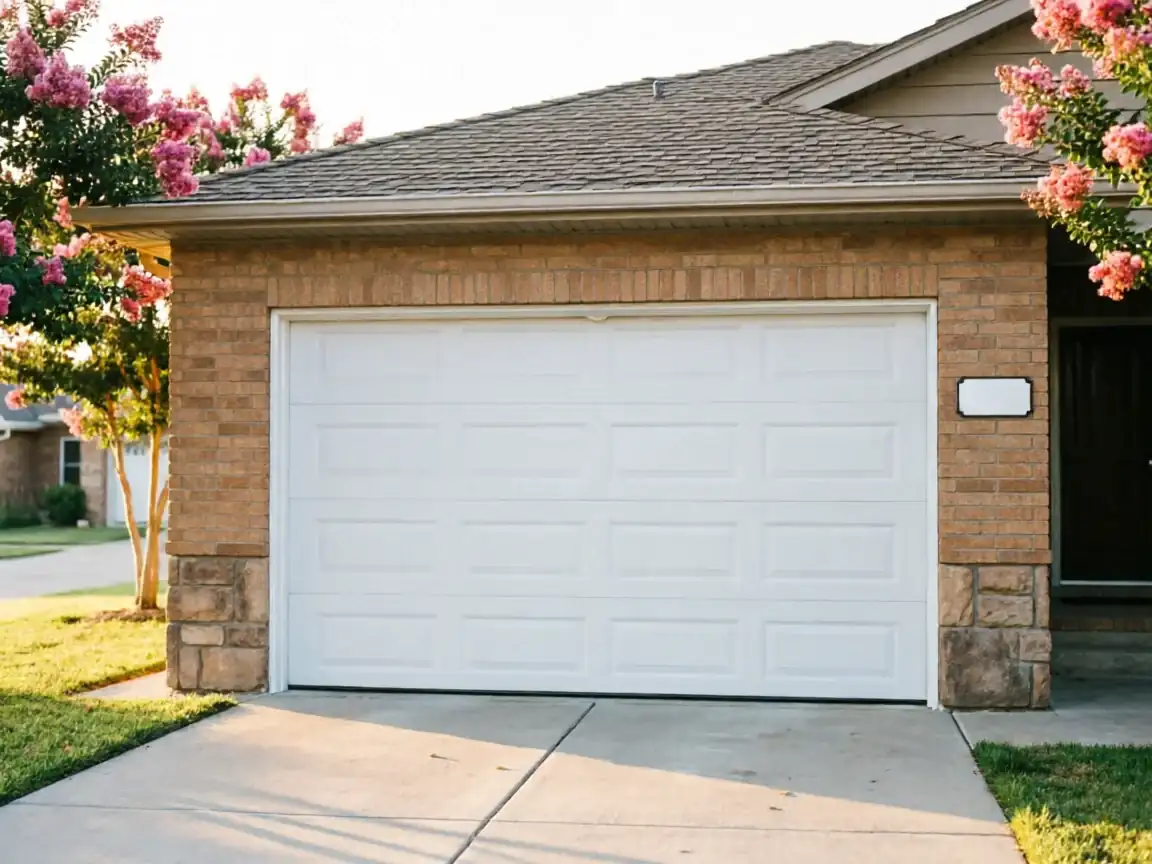
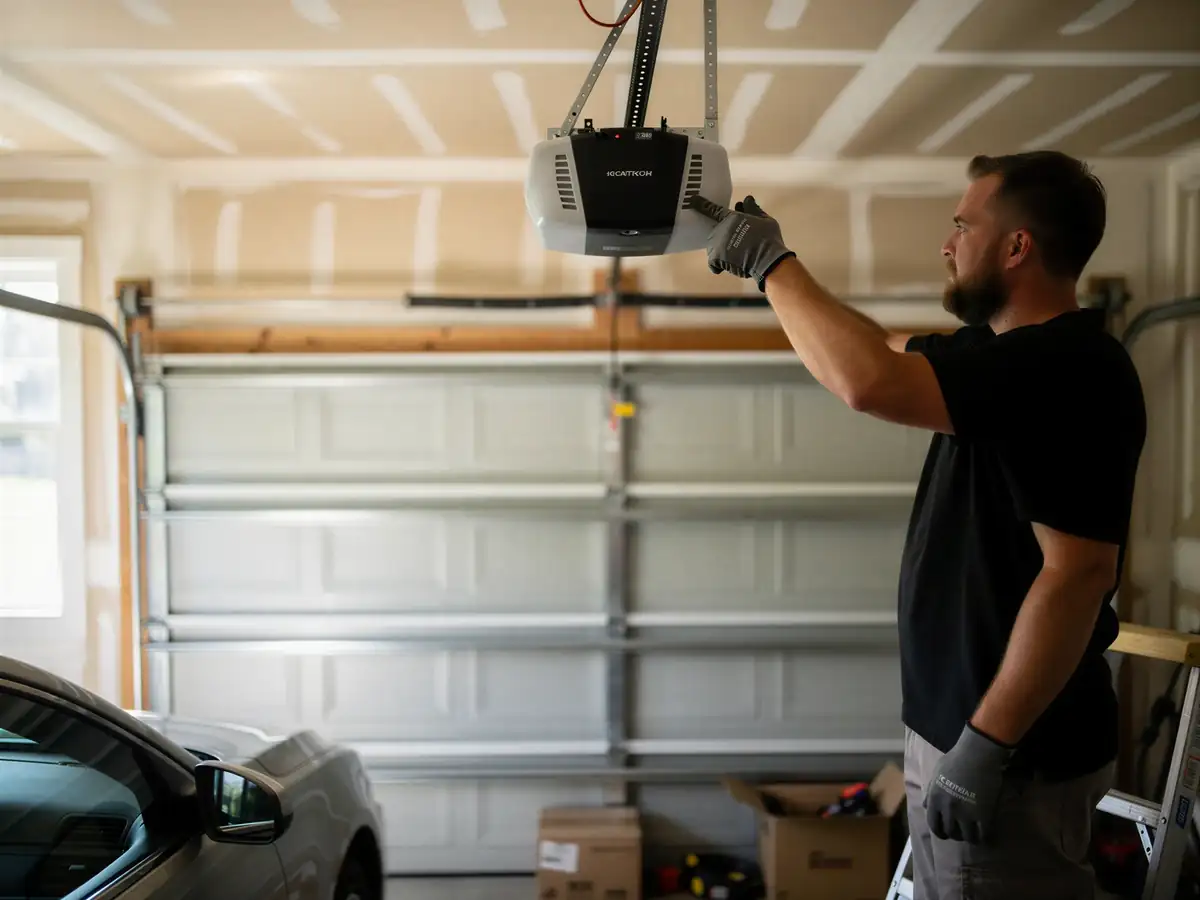
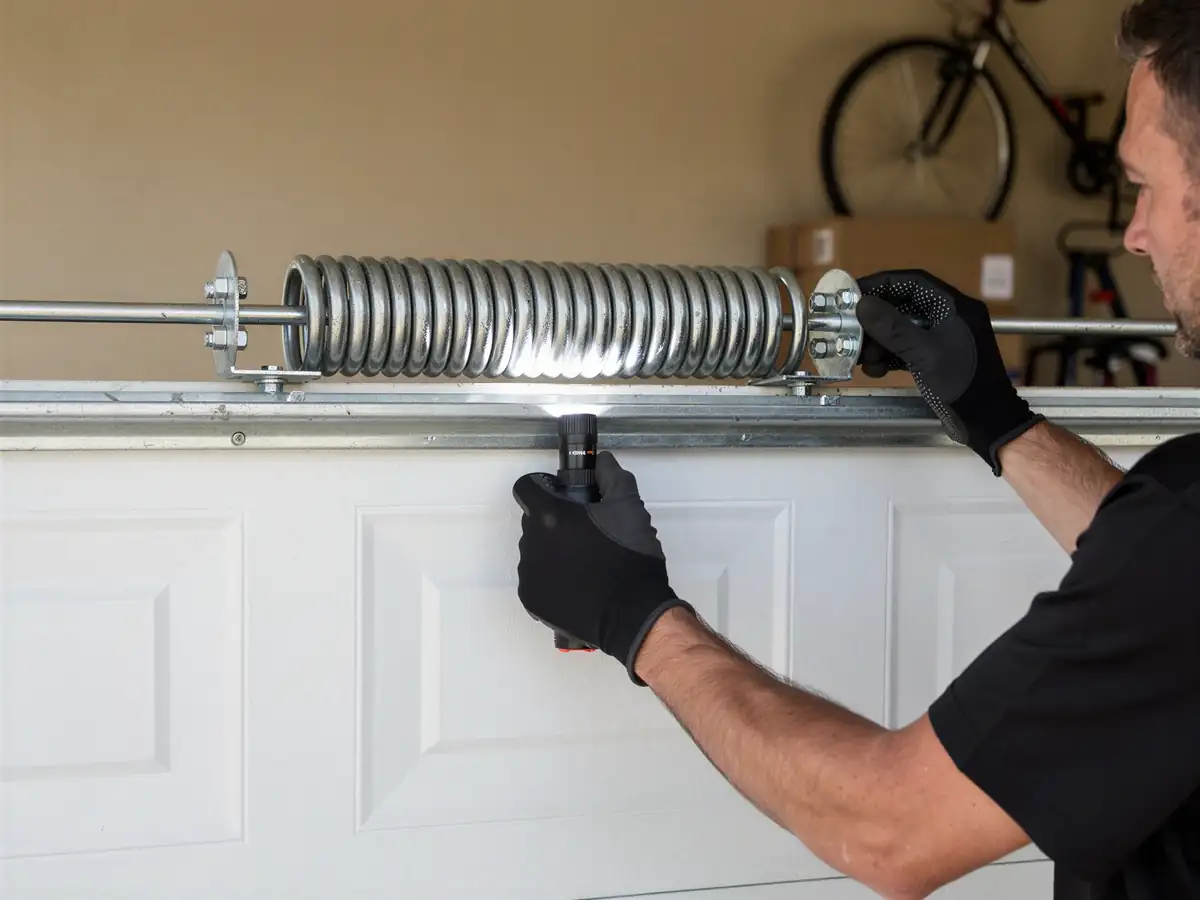
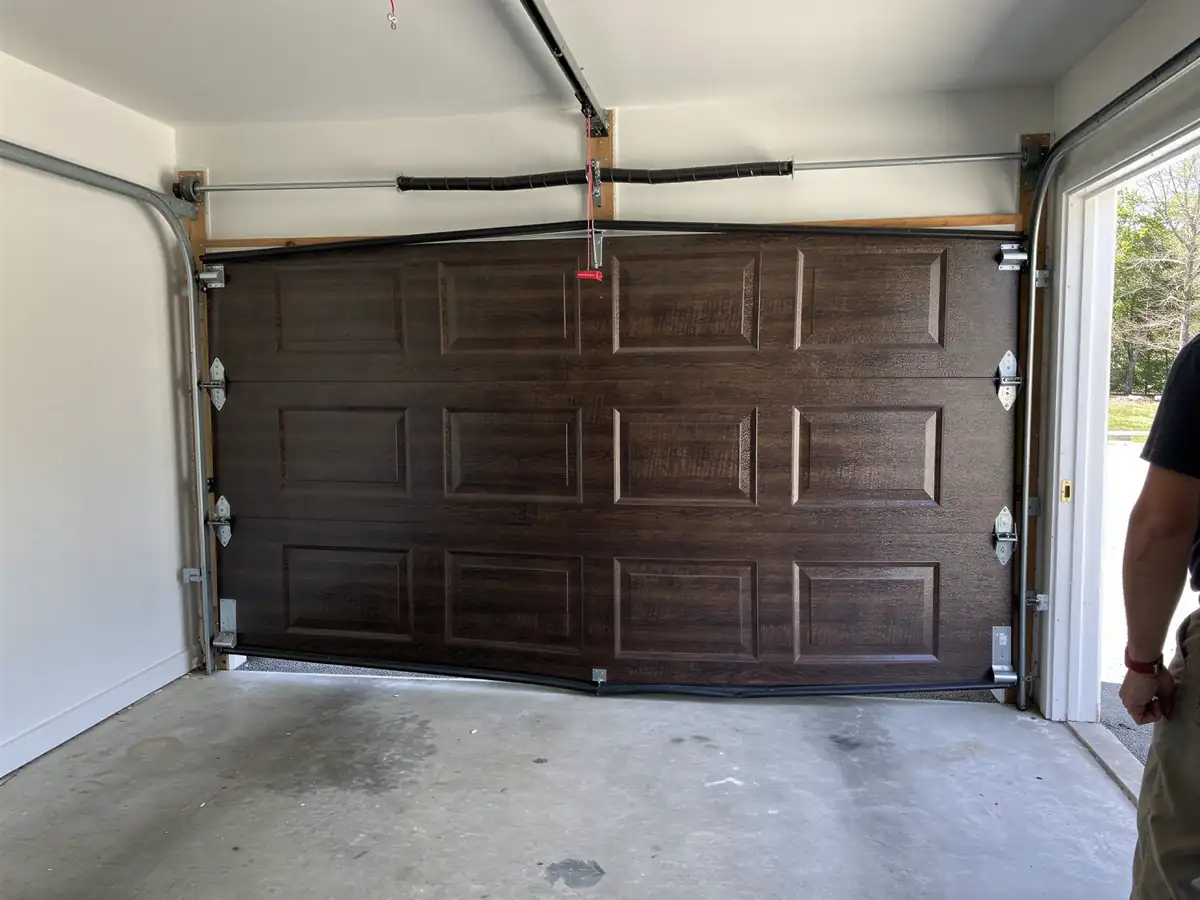
Most houses in Belton went up around 1995, which puts the garage doors squarely in the raised-panel steel era - a 7-foot-tall door, usually two-car width, hung on extension springs along the horizontal tracks rather than a center torsion bar overhead. That hardware layout is different from what you'll find on older homes closer to downtown Temple, and it fails differently. Extension spring doors drop unevenly when one spring goes, because each side has its own spring instead of sharing one shaft. You'll often see the door cock sideways in the opening, jam against the track, or bind on a bent safety cable loop. The panels themselves are thin-gauge steel, usually non-insulated, which means dents ding easily and a bowed panel can throw the whole door out of square. Openers from this build era are frequently the original chain-drive units or early-2000s replacements, and the logic boards on those don't always play well with newer remote kits. Before we touch a spring or a cable, we check whether the track is still true, because on a 30-year-old door the track mounting brackets have usually loosened at least once. Fixing the spring without squaring the track just means a repeat call.
Parts We Carry
We carry the extension springs sized for the 7-foot doors common in Belton's 1990s subdivisions, along with the safety cables that run through them - a part that's often missing or rusted through on doors this age and gets skipped by DIY spring swaps. We stock standard rollers and hinges that fit the lighter steel panels from that era, plus the cable drums and end bearing plates that wear out on original torsion setups where those were installed instead. One honest limit: we don't keep every opener logic board in the truck. If your 1990s-era opener has failed outright rather than just needing a sensor or gear kit, we may need to order the board, and that can mean a short wait rather than a same-day fix. We'll tell you straight if that's the case instead of guessing at a repair that won't hold.
Getting It Booked In
We run out of Temple, about 6 miles from Belton, so a call here goes on the same route as the rest of the area we cover. When you call, the more you can tell us about the door - how old the house is, whether it's extension or torsion springs, what the opener brand is if you can see it - the better we can load the truck before we head out. Belton's homes run newer than a lot of what we see closer to Temple's older core, so parts for a 1990s door are usually a straightforward stock item rather than a special order. We don't operate a separate branch in Belton; every job here is dispatched from the Temple shop, so scheduling depends on the day's route rather than a local queue.
How Long It Takes
A spring and cable job on a standard 1990s Belton door is usually a single visit - the parts are common stock and the hardware is straightforward once we've confirmed torsion versus extension setup. Track realignment or a bent panel takes longer to assess, since we have to check whether the frame itself shifted, which happens more on doors this age once the lag bolts work loose over the years. Opener repairs vary the most: a sensor or gear-and-sprocket kit is quick, but a dead logic board on an original-to-the-house opener can mean a return trip once the part arrives. We'd rather tell you a job needs two visits than rush a fix that comes loose in six months.
How it works
From “it’s stuck” to “it’s fixed”
1
Tell us what’s wrong
Describe the symptom - won’t open, loud bang, opener runs but the door won’t move.
2
On-site diagnosis
A technician tests the door under power and by hand and finds what actually failed.
3
Clear, up-front plan
You get the fix that’s needed and what drives the cost - before any work starts.
4
Repaired & tested
The repair is done, the door is set true and tested, and the work area left clean.
Not sure which repair your door needs in Temple, TX? Describe what it’s doing - every job starts with a diagnosis.
Why does my garage door sag on one side instead of the whole thing dropping evenly?
That's typical of extension-spring doors, which are common on Belton homes built around 1995. Each side of the door has its own spring, so when one fails the door drops unsquare instead of staying level, and it can jam against the track. Torsion-spring doors, more common on older or newer construction, tend to drop evenly instead.
Do you have a branch in Belton?
No. We run out of Temple, about 6 miles away, and Belton is part of our regular route from there. We don't keep a separate stock location or crew based in Belton itself.
Is it worth replacing an original 1990s opener instead of repairing it?
Depends on what's failed. A sensor, gear kit, or remote issue is usually a quick repair. A dead logic board on a 20-plus-year-old chain-drive unit is often not worth chasing, since the board may need to be special-ordered and the rest of the opener is near end of life anyway.
How old are most garage doors in Belton?
Housing in Belton clusters around a median build year of 1995, so most original doors are 7-foot steel raised-panel doors on extension springs, now roughly three decades old. That's the hardware and fault pattern we plan for before we ever get to your driveway.
Ready to get your garage door sorted?
Tell us what it’s doing and where you are in Temple - we’ll take it from there.