Why This Fails Locally
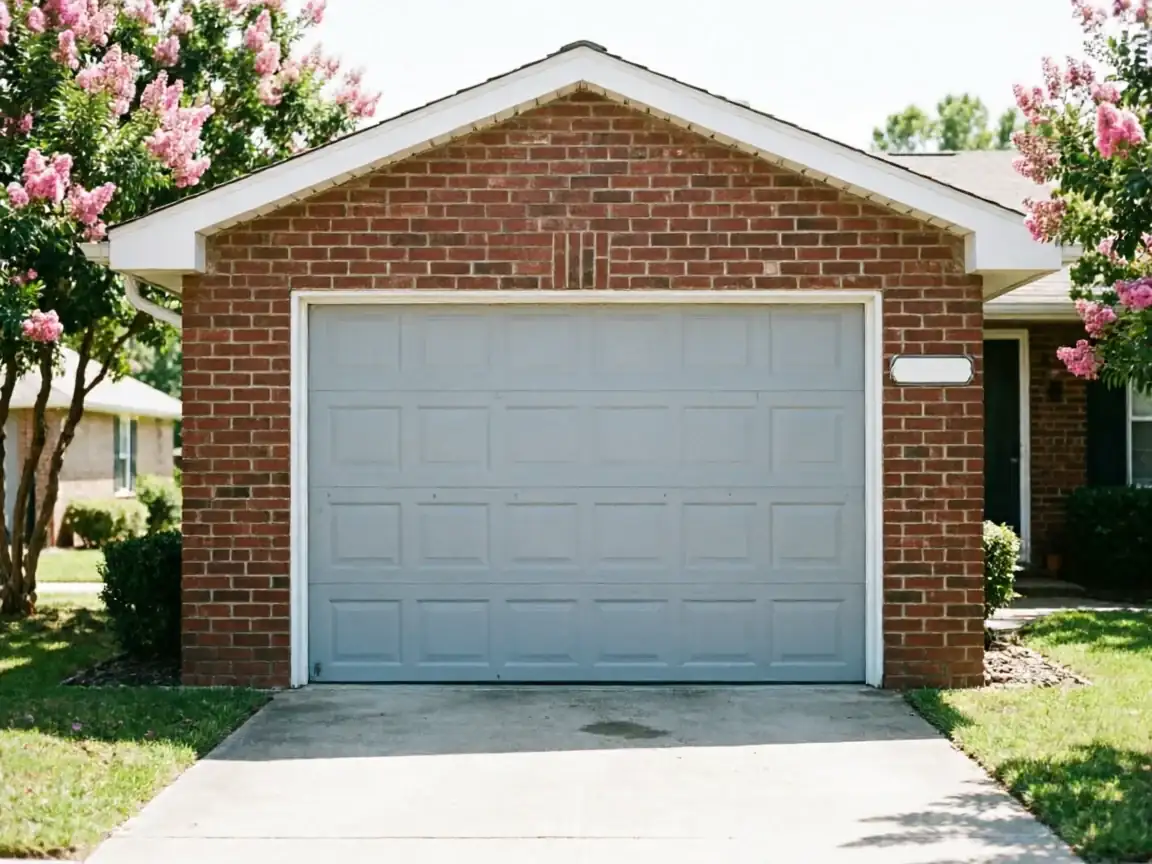
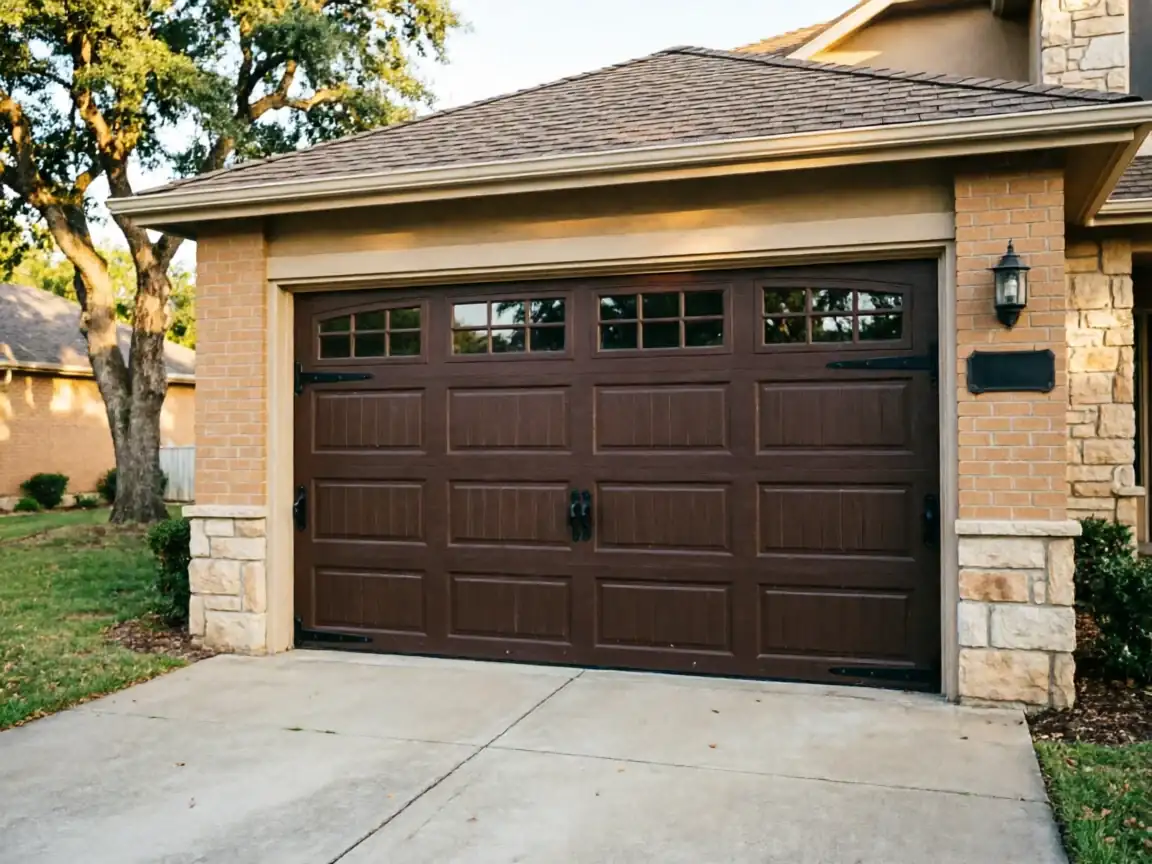
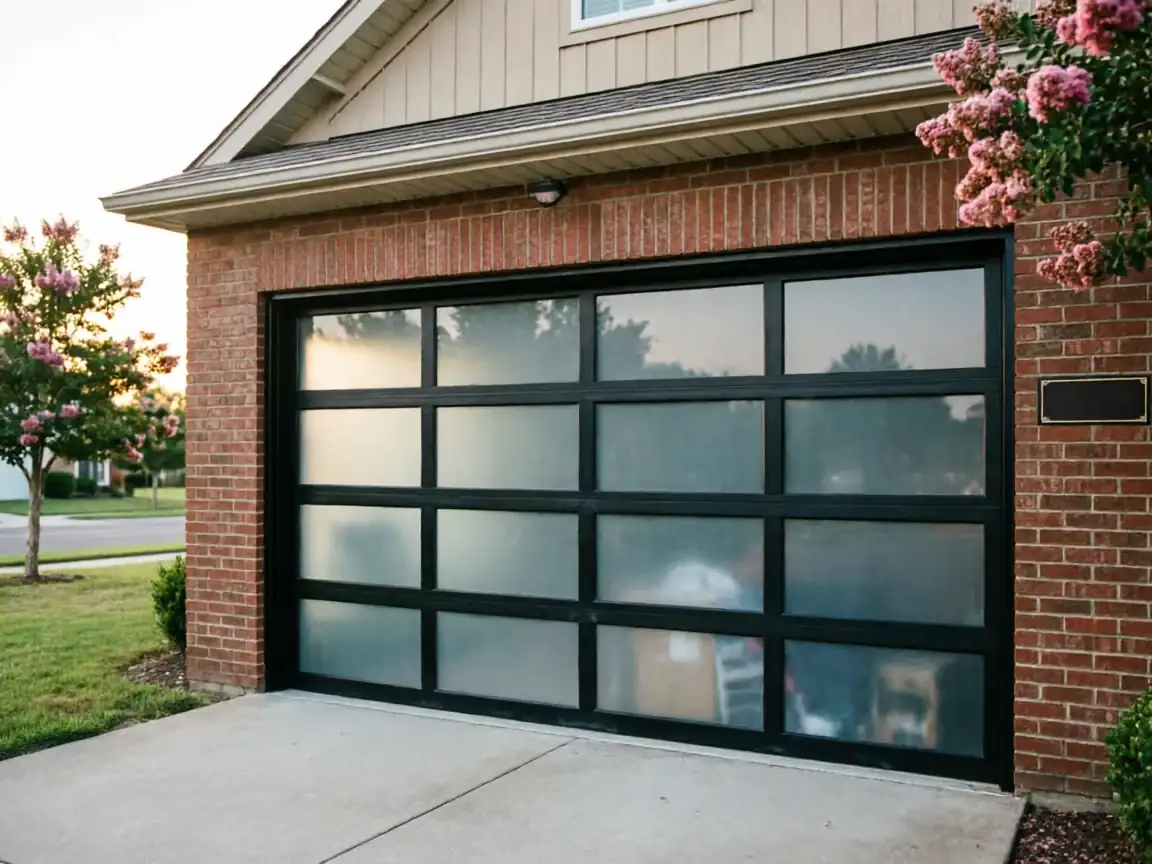
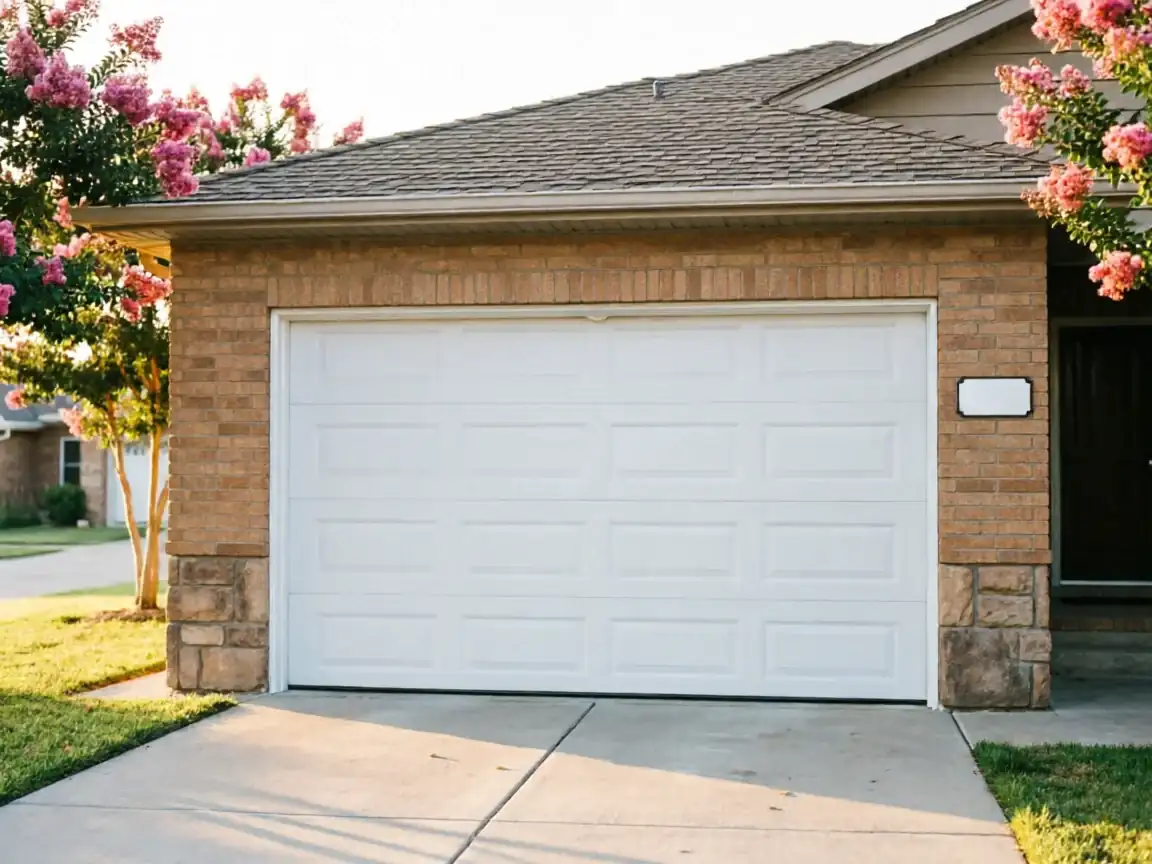
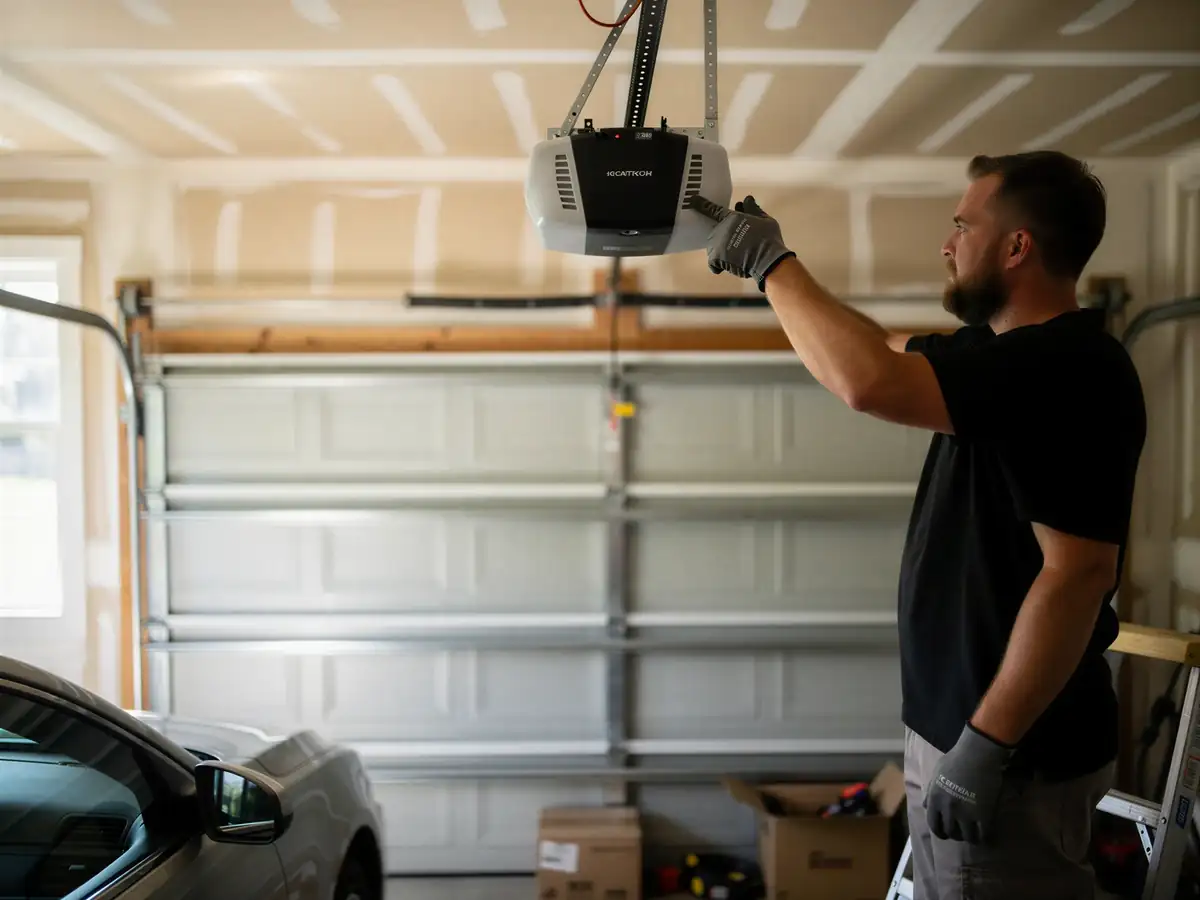
This part of Texas sits in a mild climate band with occasional freeze nights, not the deep-freeze cycling that kills gear sets outright the way it does further north. That's the good news. The bad news is humidity and heat swing hard across a day here, and that's rough on circuit boards and capacitor-driven logic boards in particular - they age faster in heat-cycle conditions than in steady cold. Pair that with housing stock that runs 1967 to 2005 across the eleven communities we cover, and you get a specific mismatch: openers installed in the 80s and 90s, on doors that have since been swapped for heavier insulated steel, with nobody re-sizing the motor when the door changed. A 1/3 HP unit rated for a single lightweight panel door doesn't have the torque for a double insulated door, so it strains every single cycle until something in the drivetrain or the board gives out. It's not that Temple-area openers fail more than anywhere else - it's that the combination of build era and heat-cycling load is a known failure pattern here, and it shows up as burnt-out boards and stripped gears more than as frozen tracks.
Doing It Yourself
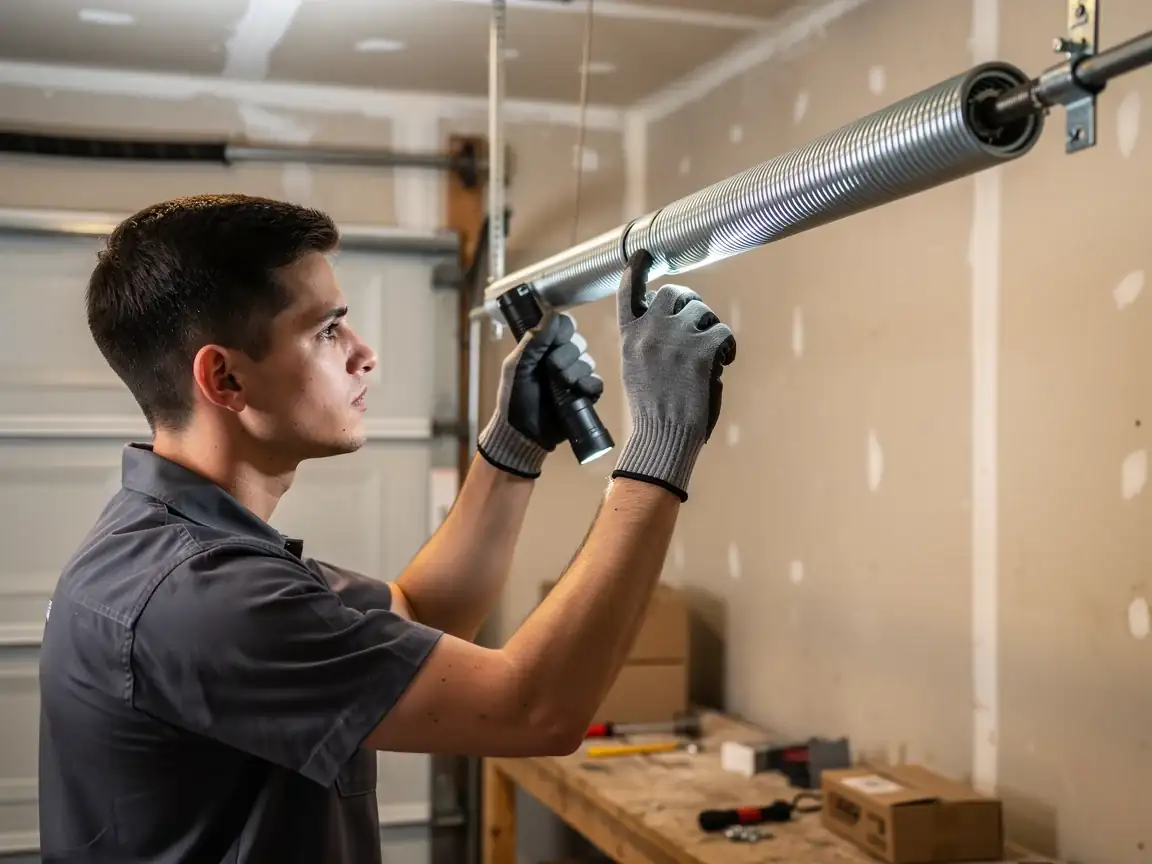
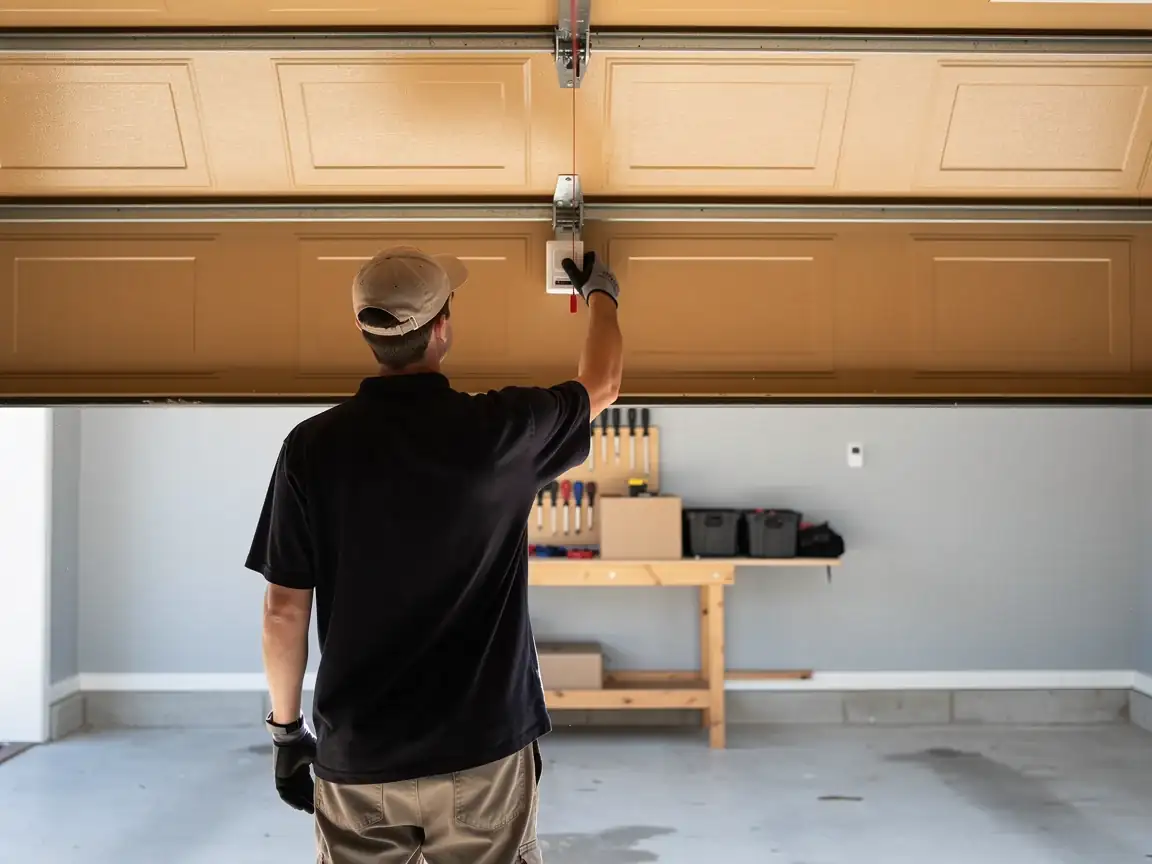
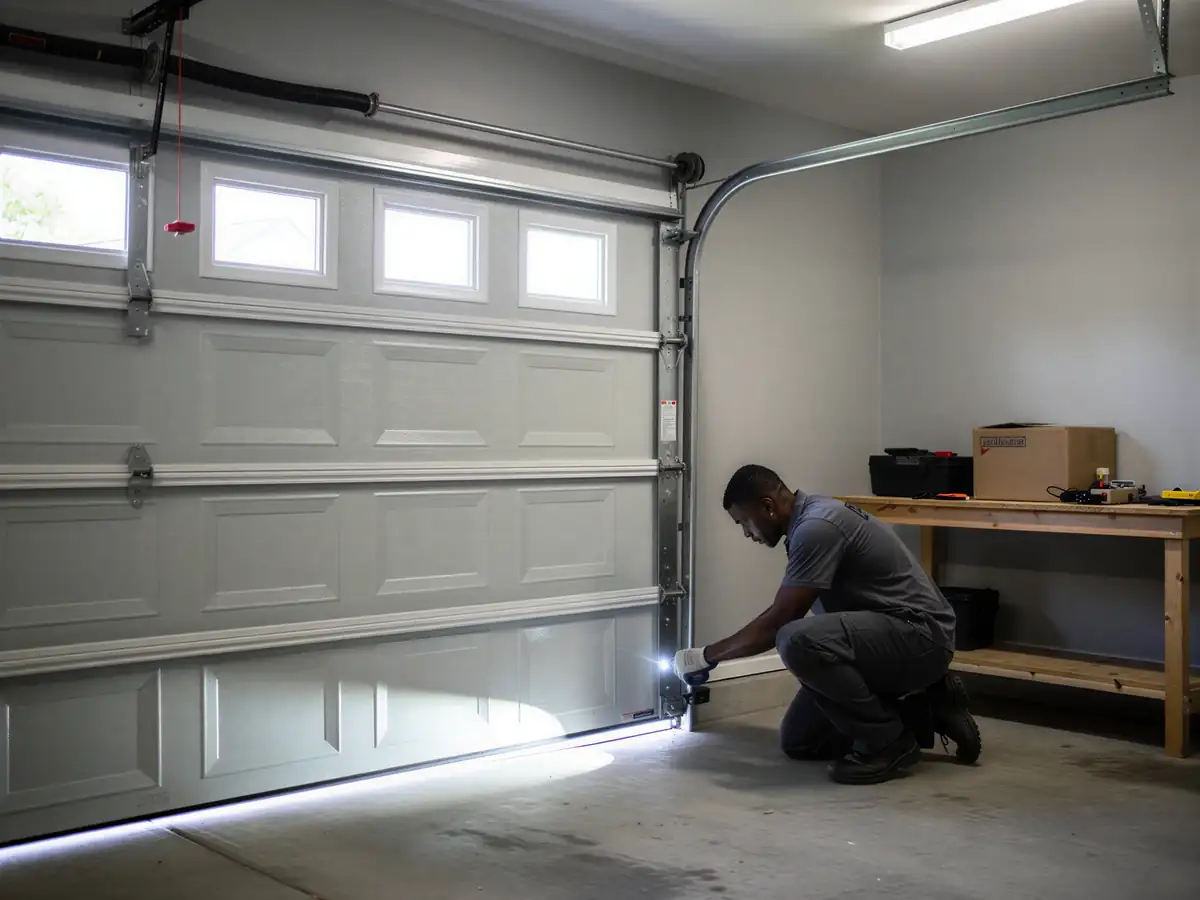
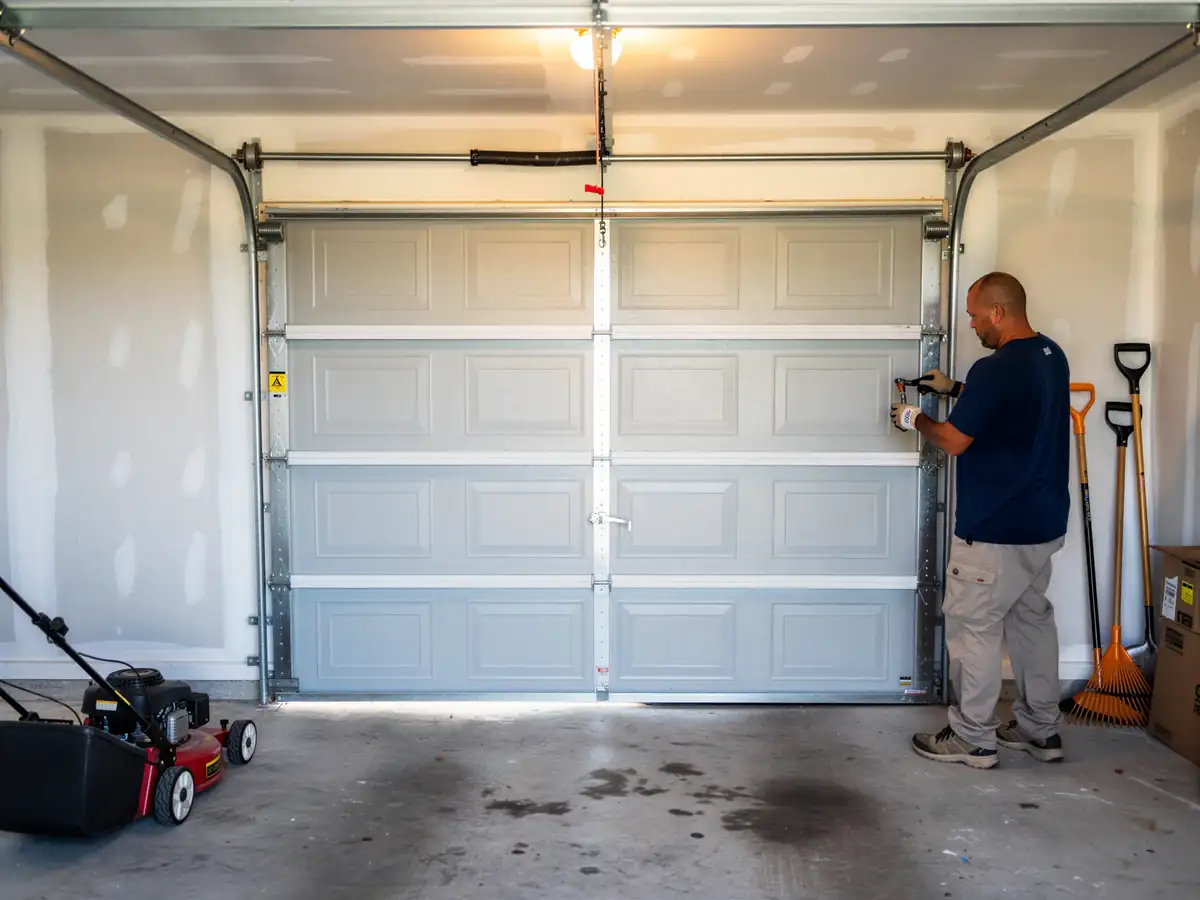
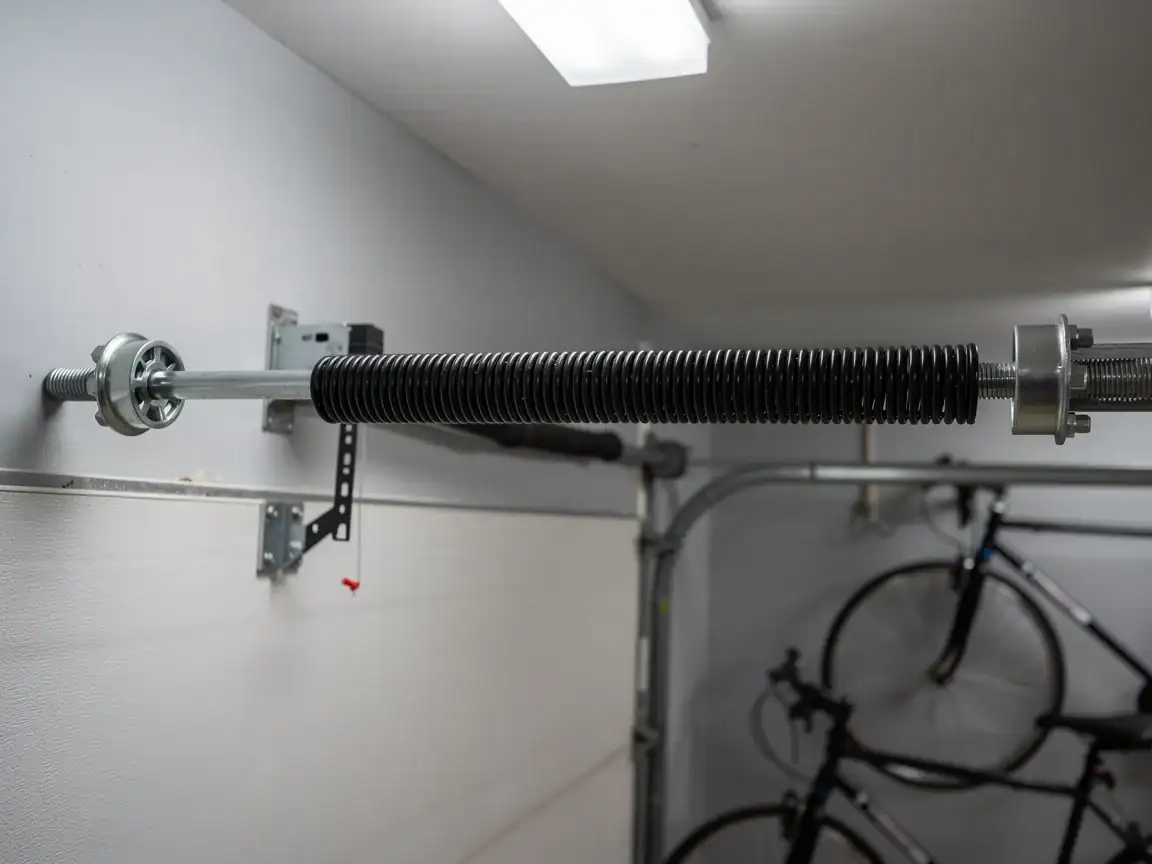
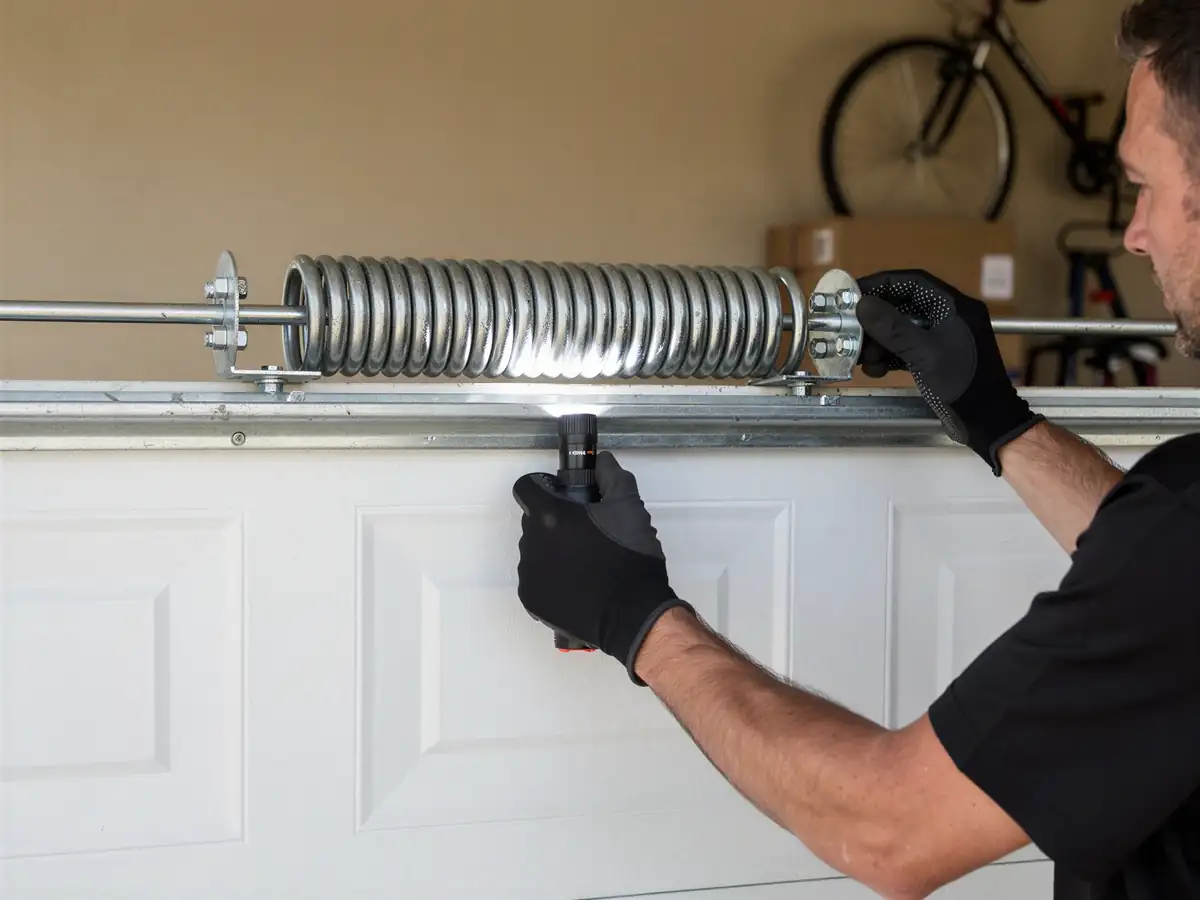
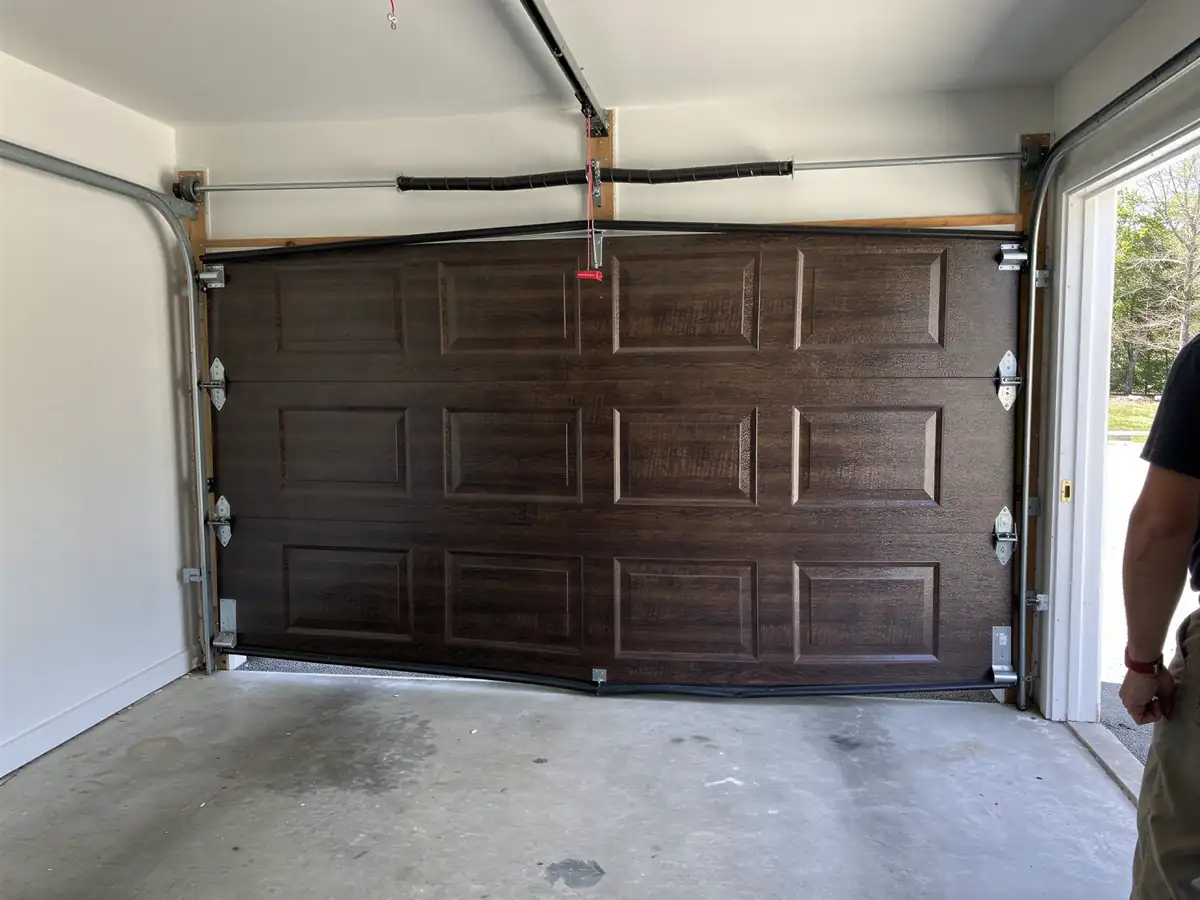
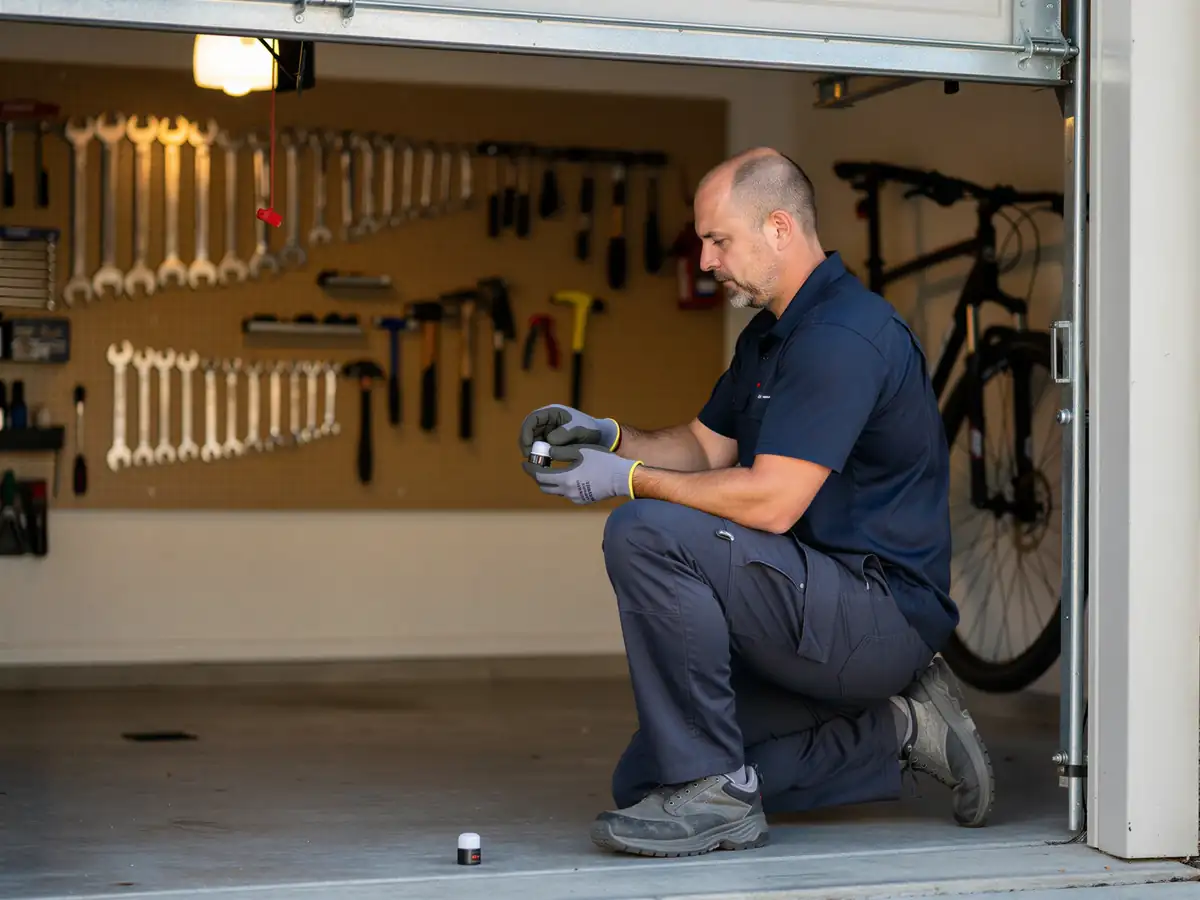
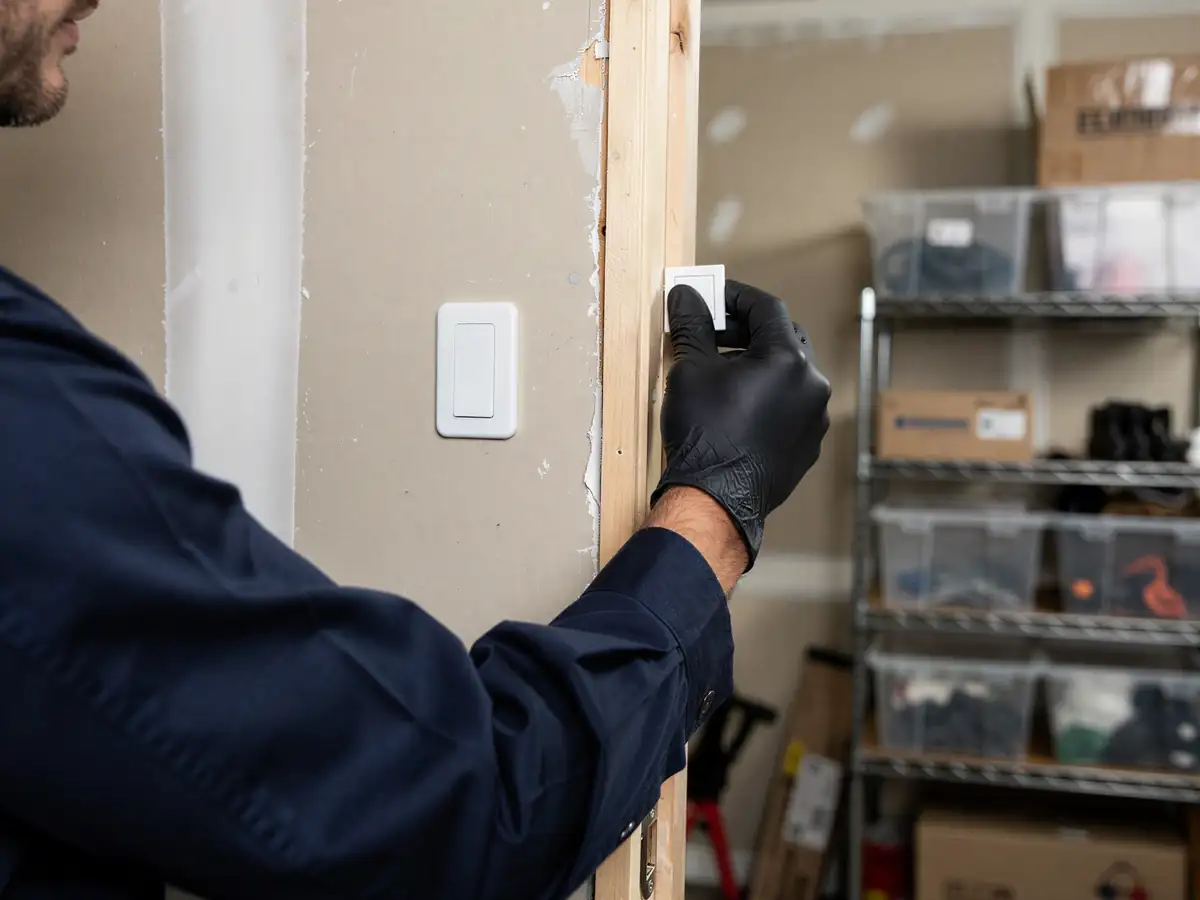
There's real stuff you can check before calling anyone. Pull the manual release and move the door by hand - if it's hard to lift unassisted, the spring is doing less work than it should, and no opener will fix that; that's a spring job, not an opener job. Check the safety sensors at the bottom of the tracks - a blinking light on the opener head usually means one of those is knocked out of alignment, which is a five-minute fix, not a parts order. Clean and lightly lubricate the rollers and the chain or belt once a year - dry chain drive is a common noise complaint that costs nothing to fix. Here's the honest limit: if the board is dead, or the motor windings have burned, there's no home fix for that. We don't recommend rebuilding old 1980s and 90s openers with new logic boards - the labor to source and fit a board for a 30-plus-year-old unit usually costs more than a new opener, and you lose nothing by replacing instead. Swapping the whole unit is also the point where you can finally match horsepower to the actual door you have now, not the one that was there originally.