Getting It Booked In
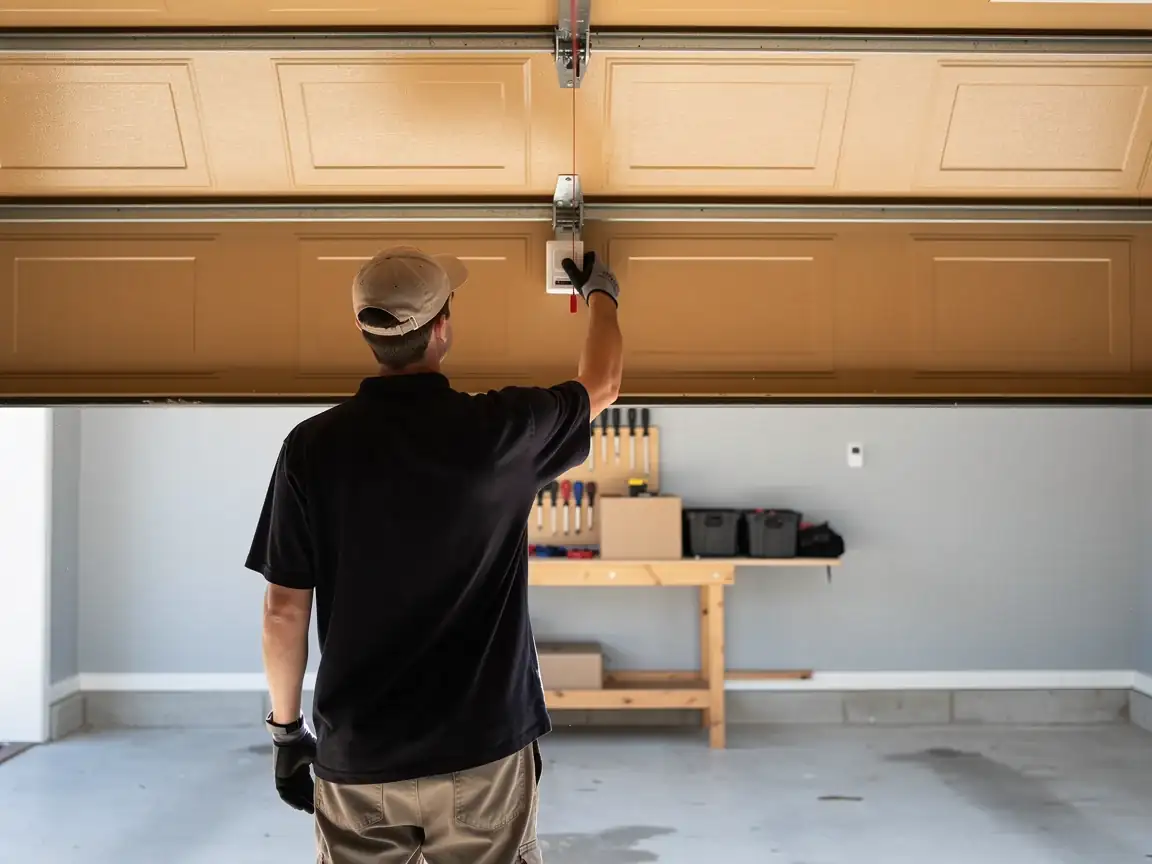
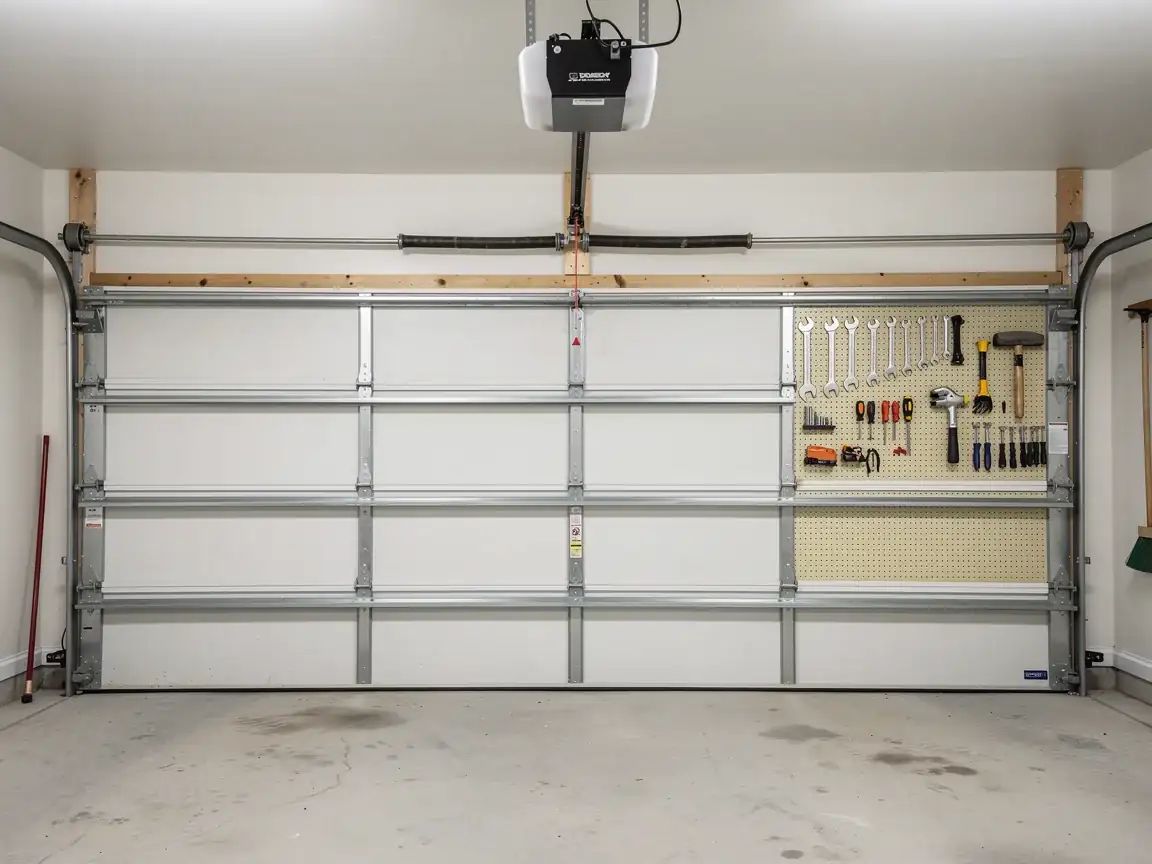
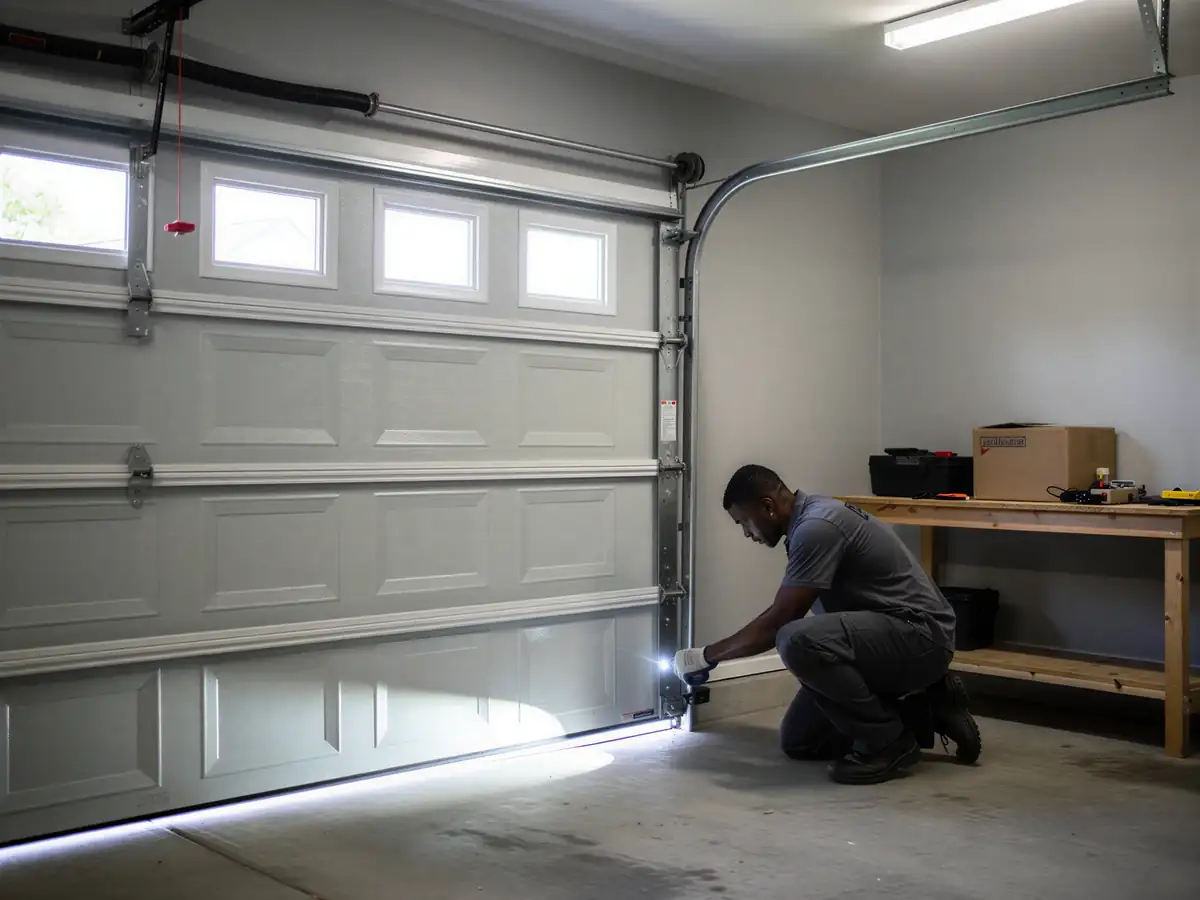
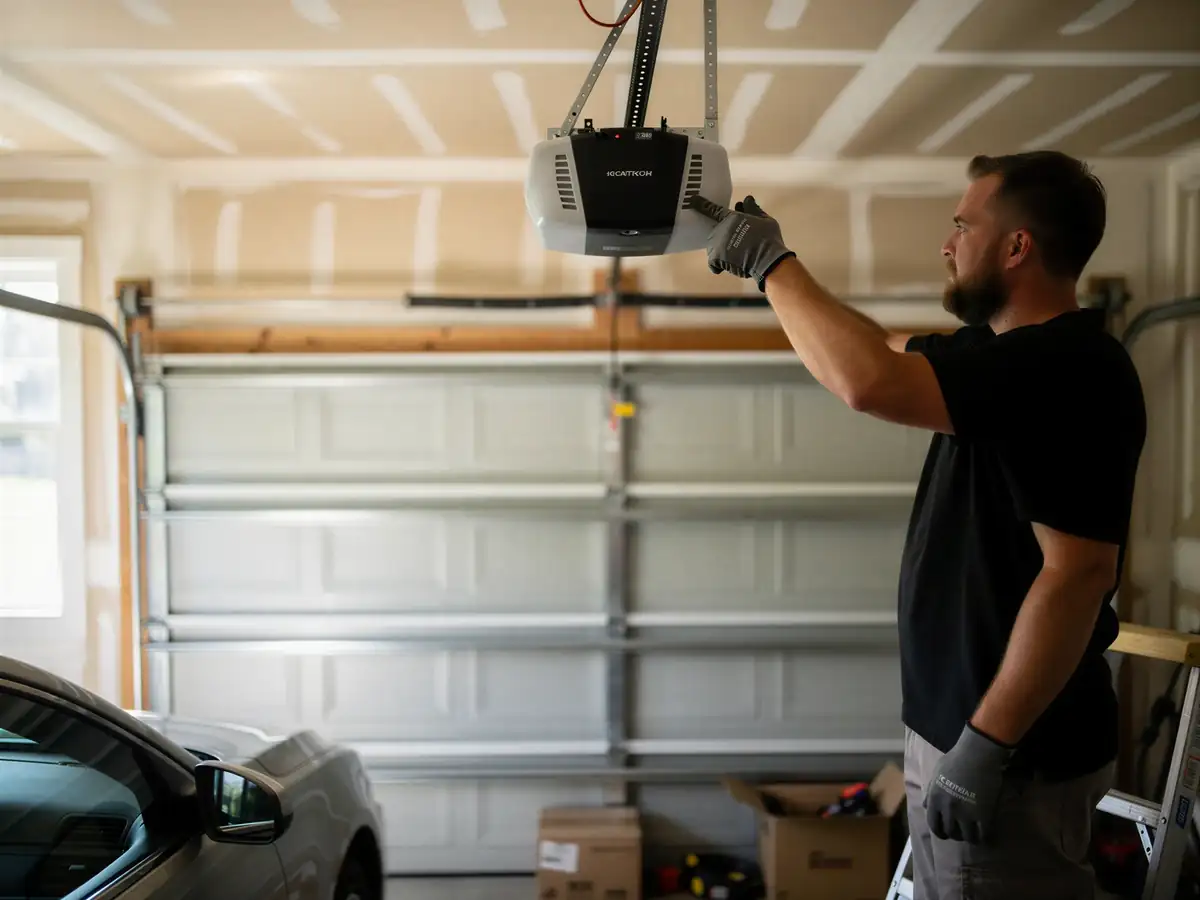
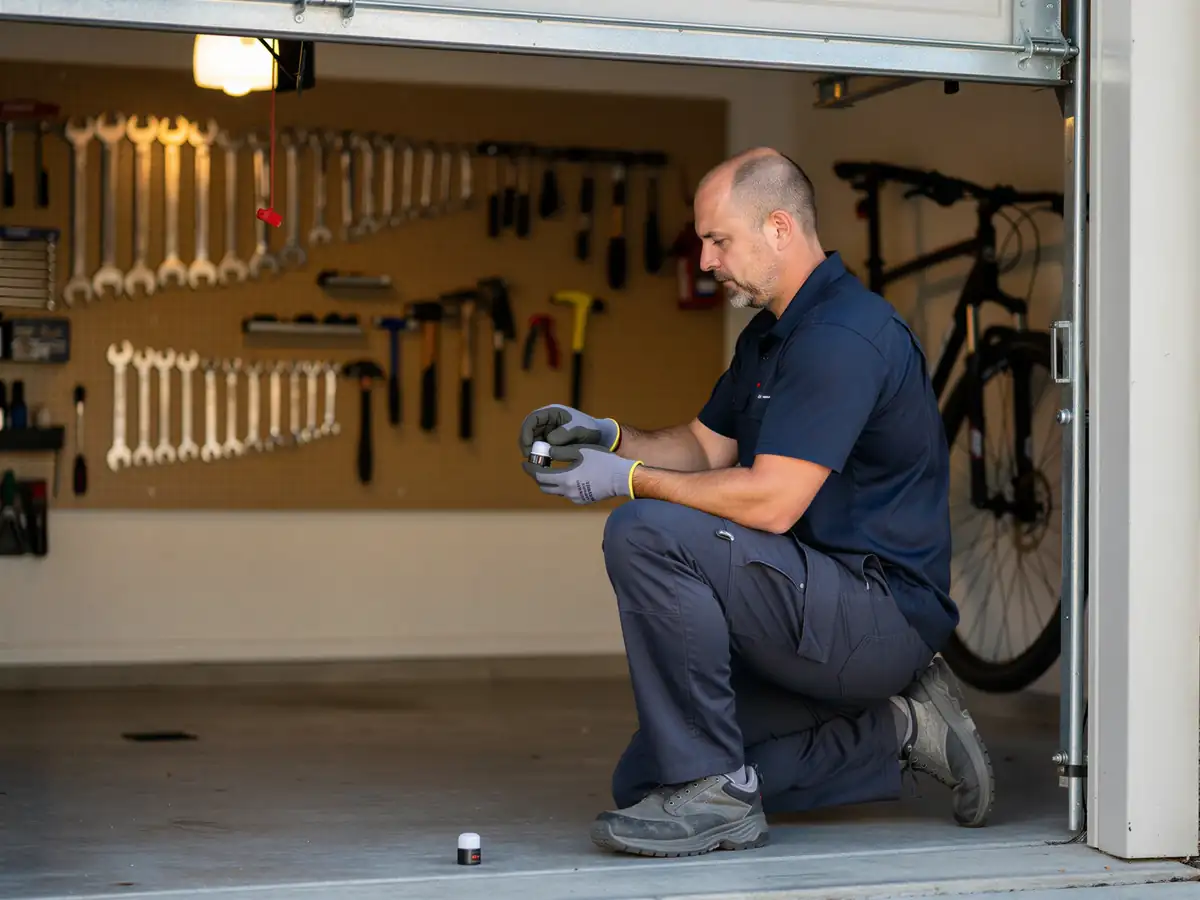
A maintenance call for Troy means a trip out from our Temple shop, so we're not rolling a truck for a five-minute oil job. We bundle the full check: spring tension, cable condition, roller wear, track alignment, opener force settings, and the safety reverse test. On a door built around 1994 that's never had this done, we usually find at least one thing worth fixing now instead of later.\n\nWe don't offer same-day emergency service in Troy - that's a Temple-based promise we're not going to make for a town 8 miles out and then not keep. What we can do is get a maintenance visit scheduled on a day that works, and if we find something during the visit that needs parts, we tell you on the spot what it is and what it'll run.\n\nIf you're not sure whether your door needs a tune-up or a repair call, the service page for Troy covers both - see the Troy garage door service page for the difference.
Parts We Carry
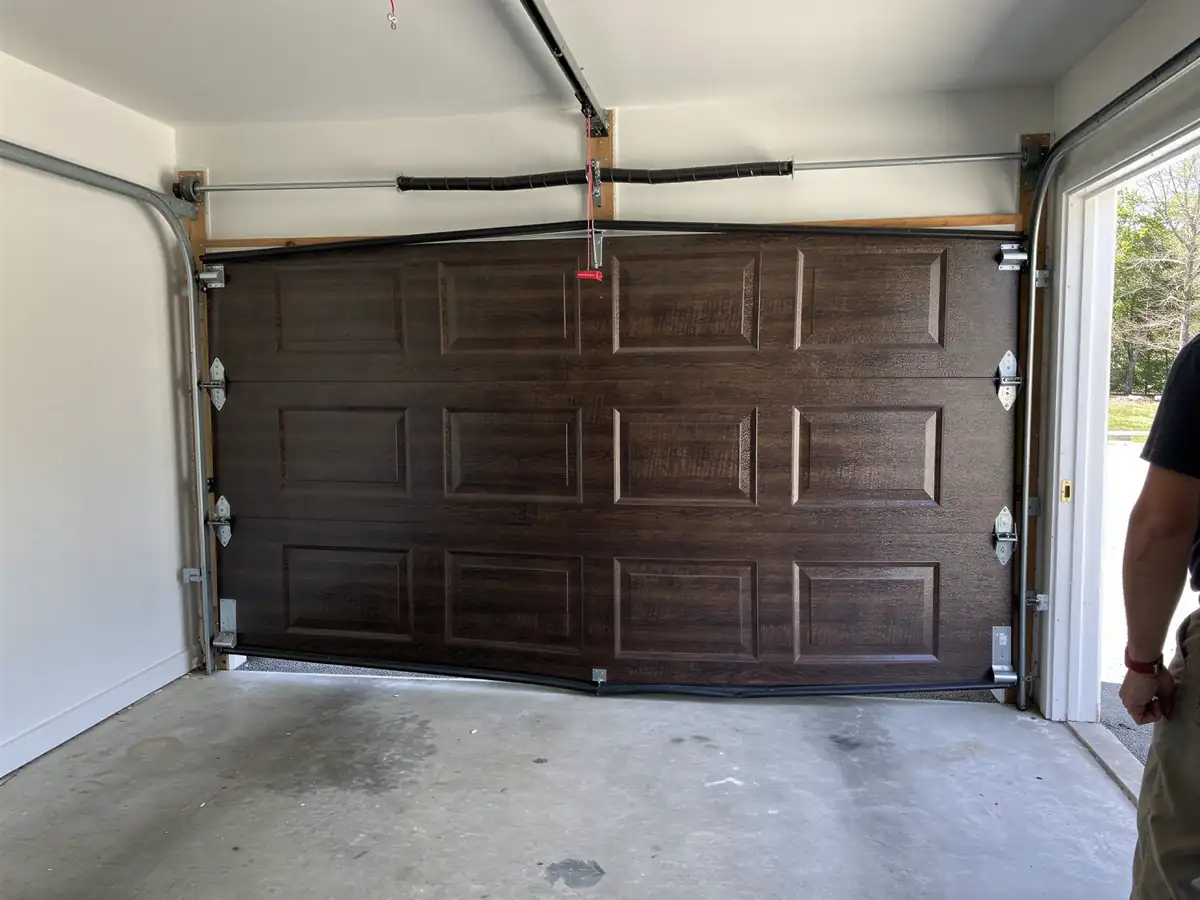
Because a good chunk of Troy's roughly 921 households are sitting on doors from the same build era, we stock the parts that fail on 1990s hardware: standard torsion springs in the common wire sizes, galvanized cable, steel and nylon rollers, and the hinge sets that match side-mount torsion setups from that period. Those are the parts we see fail most on doors this age, so we carry them on the truck rather than ordering them after the visit.\n\nWhat we don't stock are obsolete opener logic boards or proprietary parts from brands that stopped making replacements years ago. If your opener is original to the house, there's a real chance the board inside it isn't made anymore, and in that case replacement beats repair - we'll say so rather than chase a part that doesn't exist.
Doing It Yourself
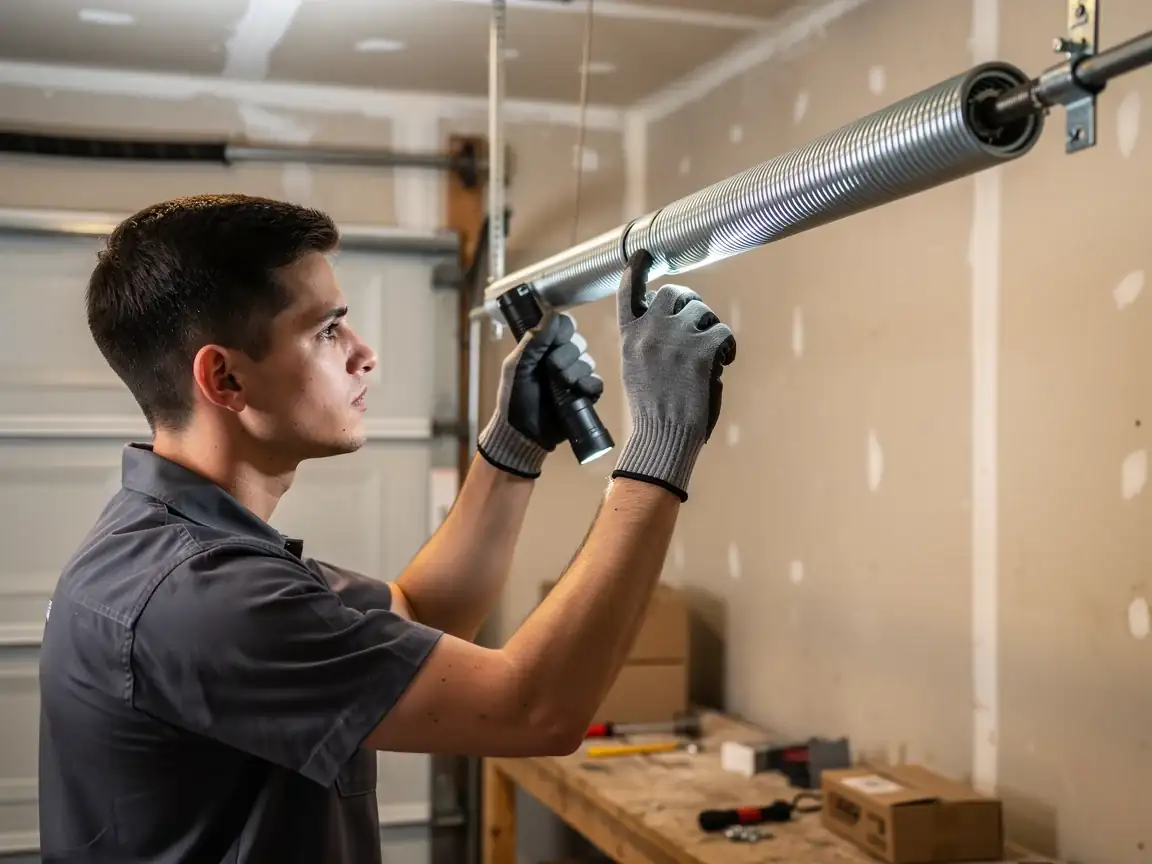
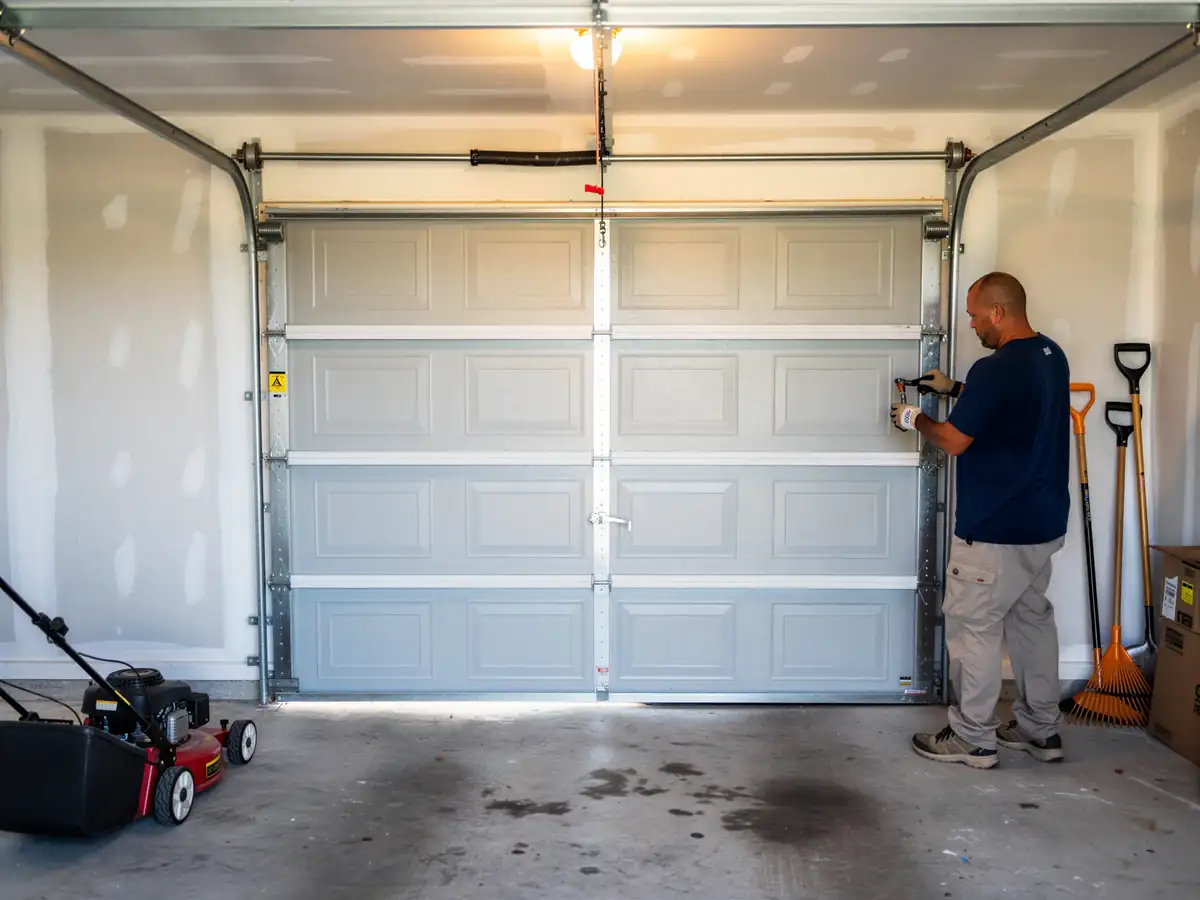
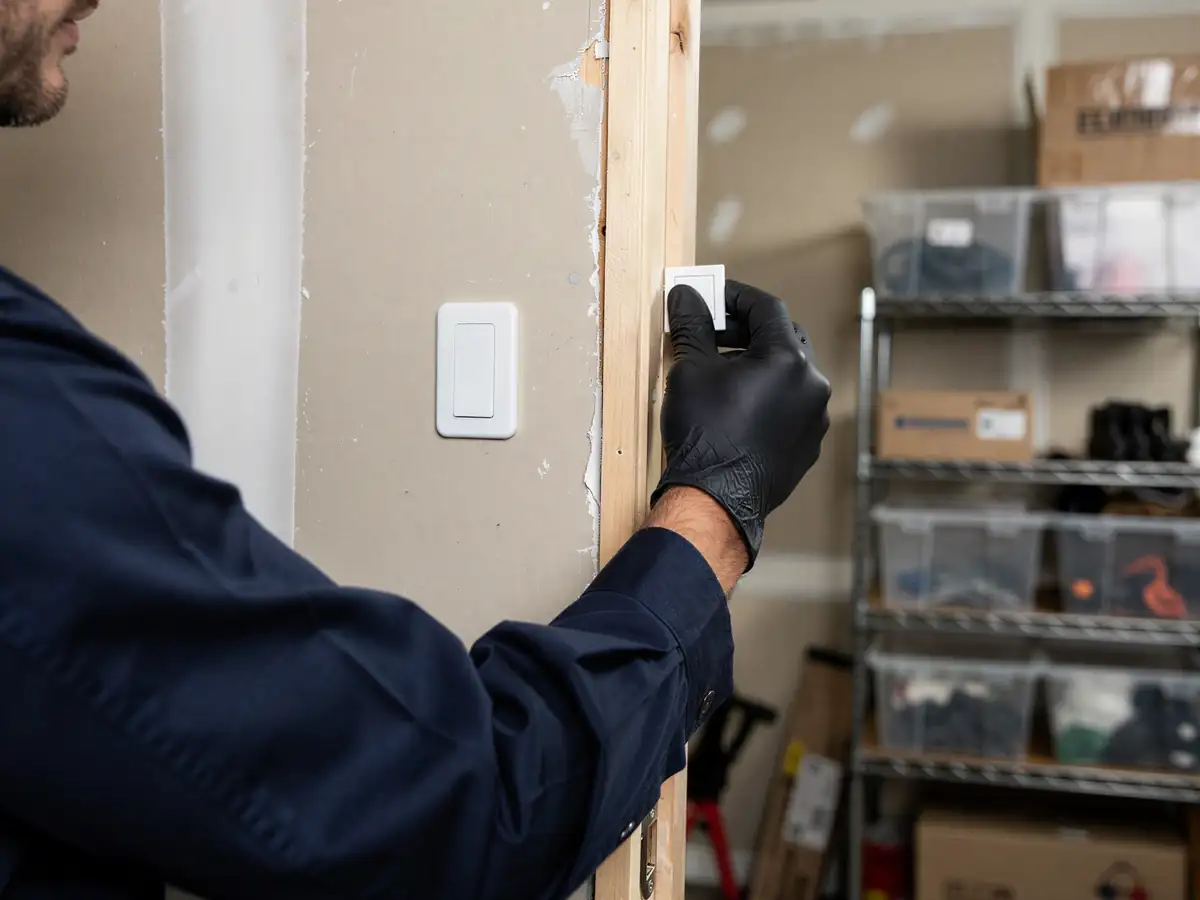
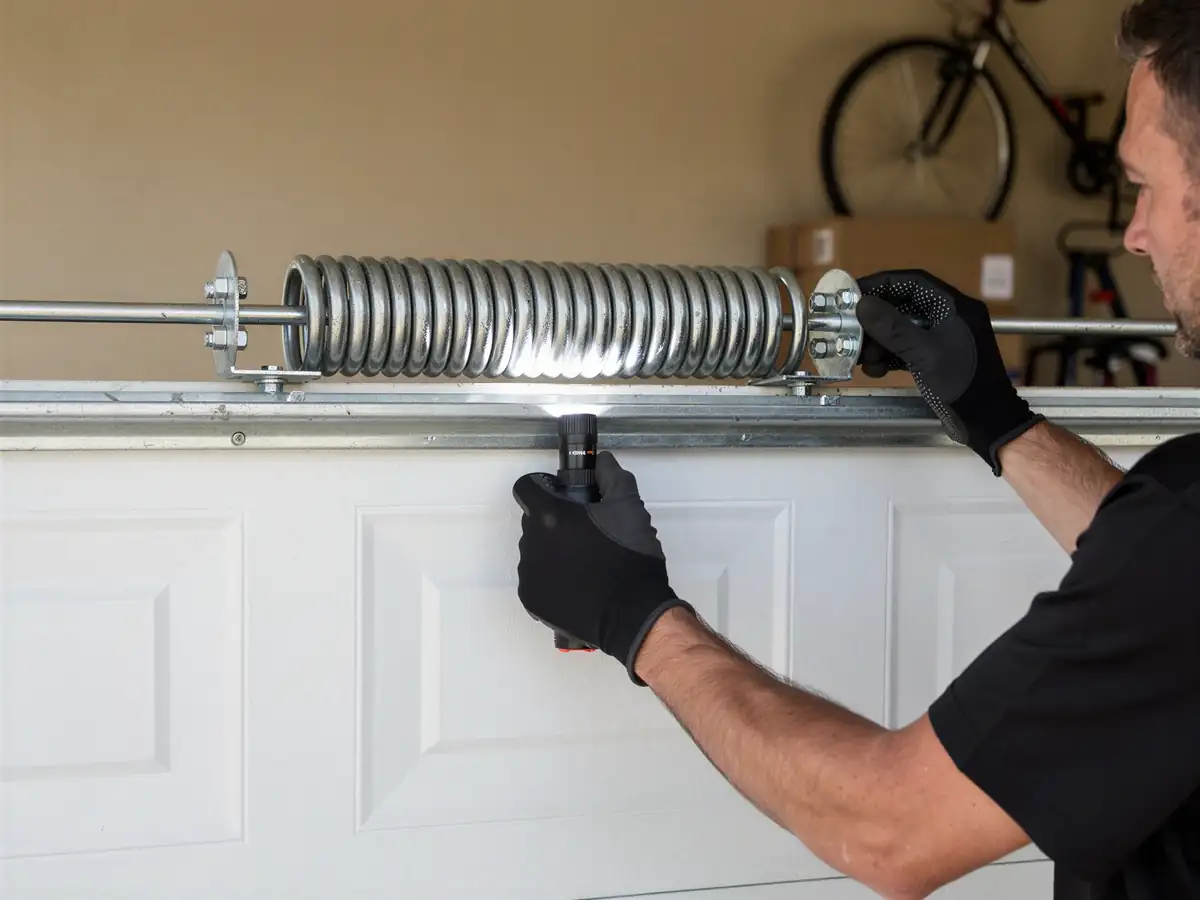
Some of this is reasonable to do yourself. Wipe down and lubricate the rollers and hinges with a garage-door-specific lubricant, not WD-40, which washes out rather than staying put. Check that the door reverses when it meets resistance - that's a safety test, and it takes thirty seconds. Look at the cables for fraying where they wrap the drum.\n\nWhat you shouldn't touch: the torsion spring itself. It's under enough tension to cause serious injury, and on a door from the early 1990s that spring has likely never been replaced, which means it's closer to the end of its working life than a newer one. If you see rust on the spring coils or the door feels heavier to lift by hand than it used to, that's the spring telling you something - call it in rather than adjust it yourself.