The Complications
Most of what we run into on a new install in Troy isn't about the door itself
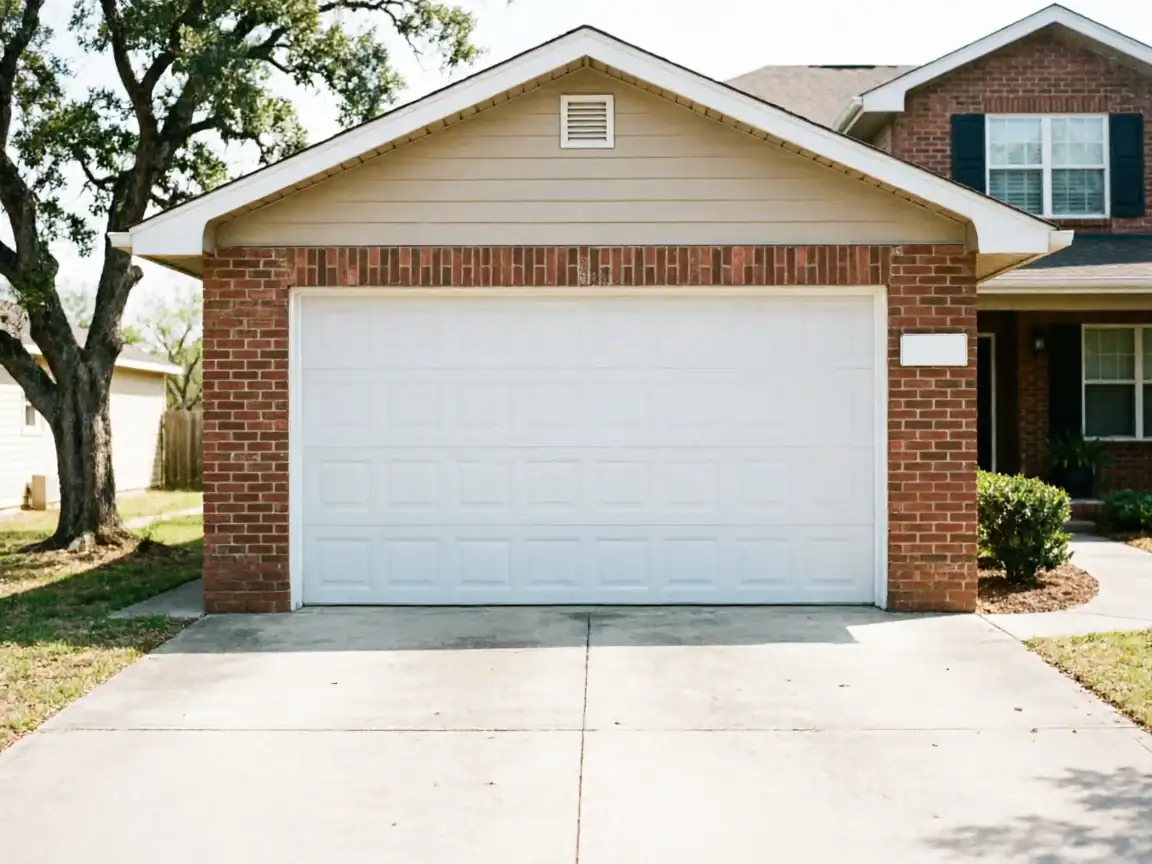
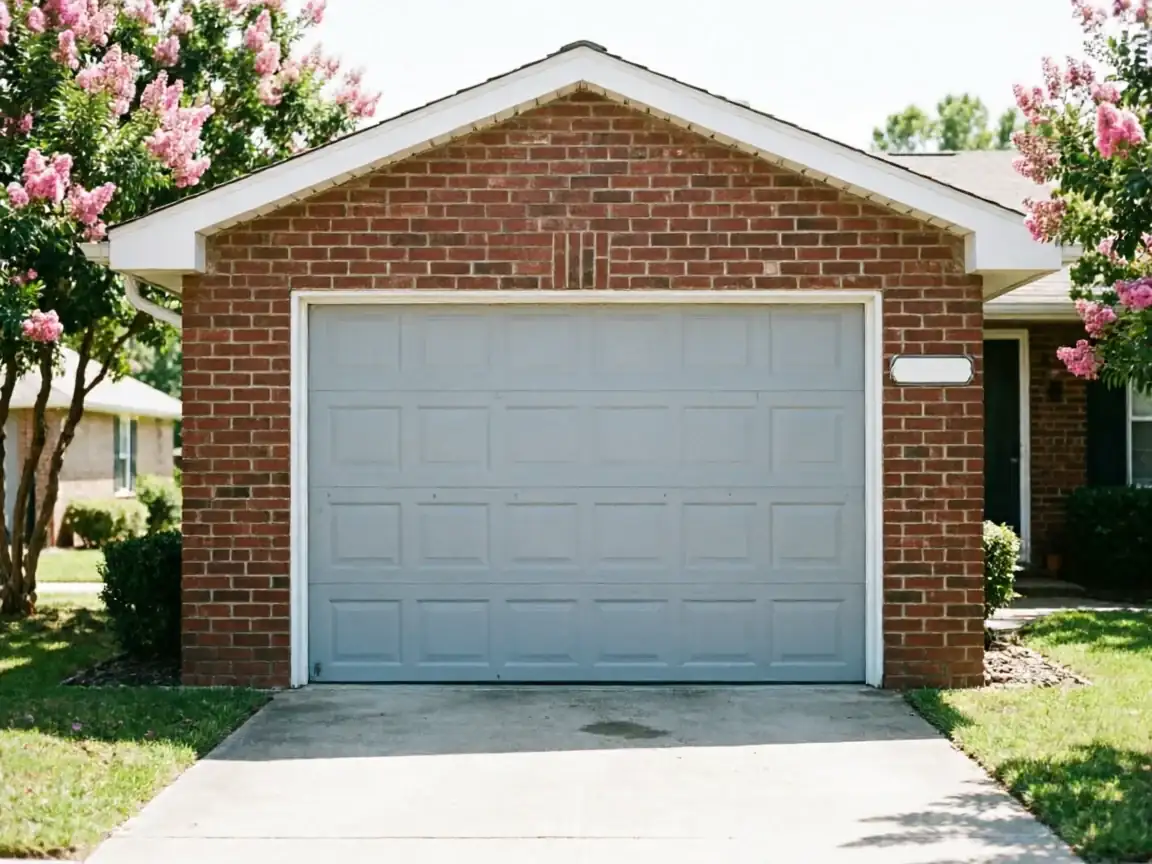
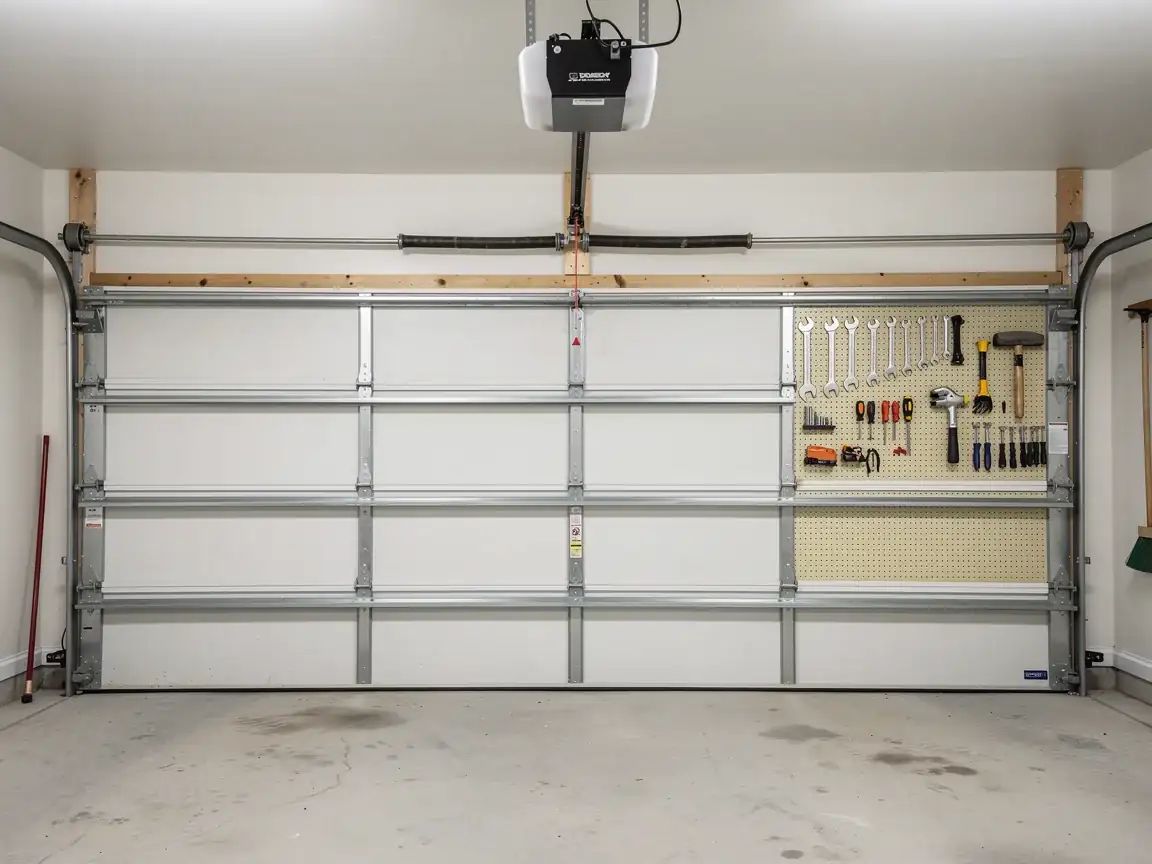
It's about what's bolted to the house already. Troy's housing stock centers on 1994, a few years past the broader service area's median of 1991, which puts the majority of openings here into the double-car 16-by-7 era with standard-lift torsion hardware rather than the older extension-spring setups you'd find on an early-70s build. That sounds like a small distinction, but it changes which track radius and which spring cycle rating actually fit the opening.
The second complication is wear, not design
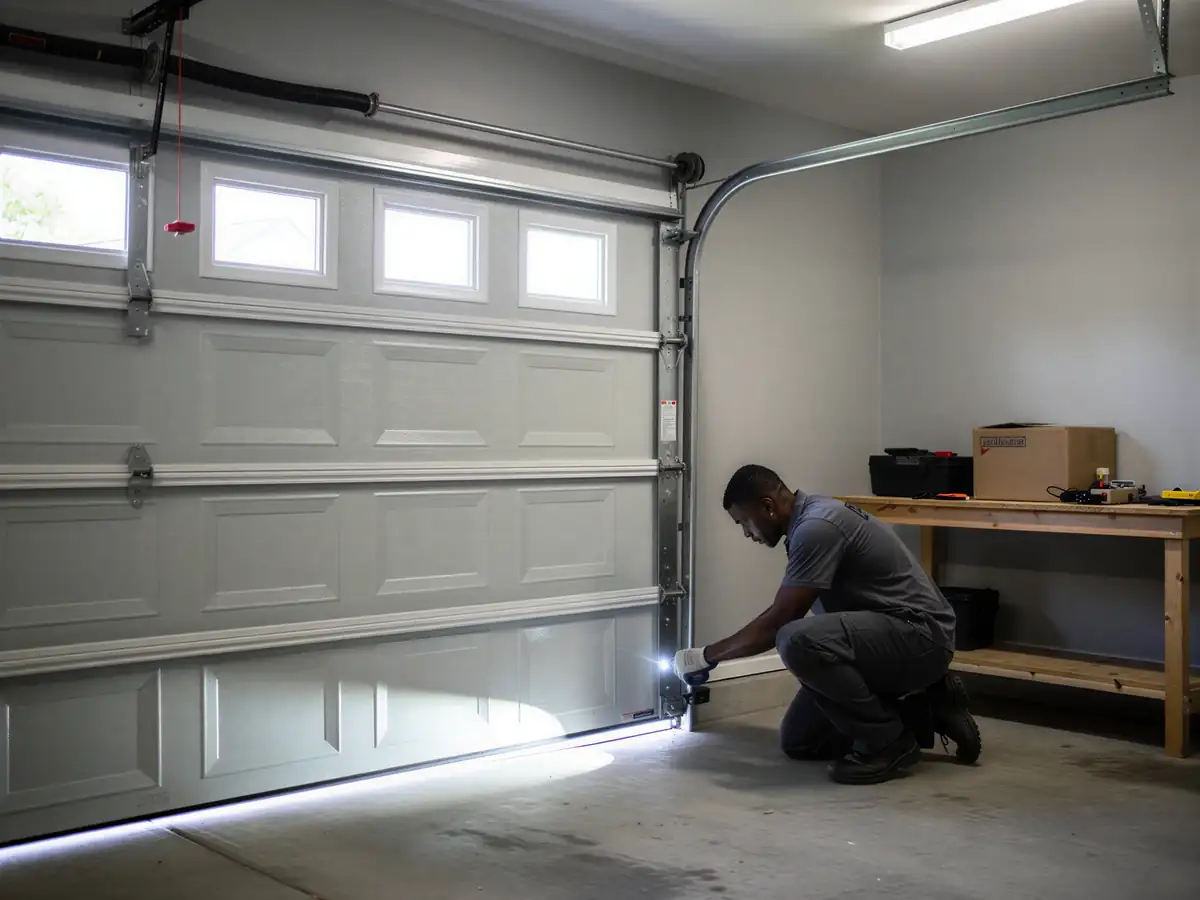
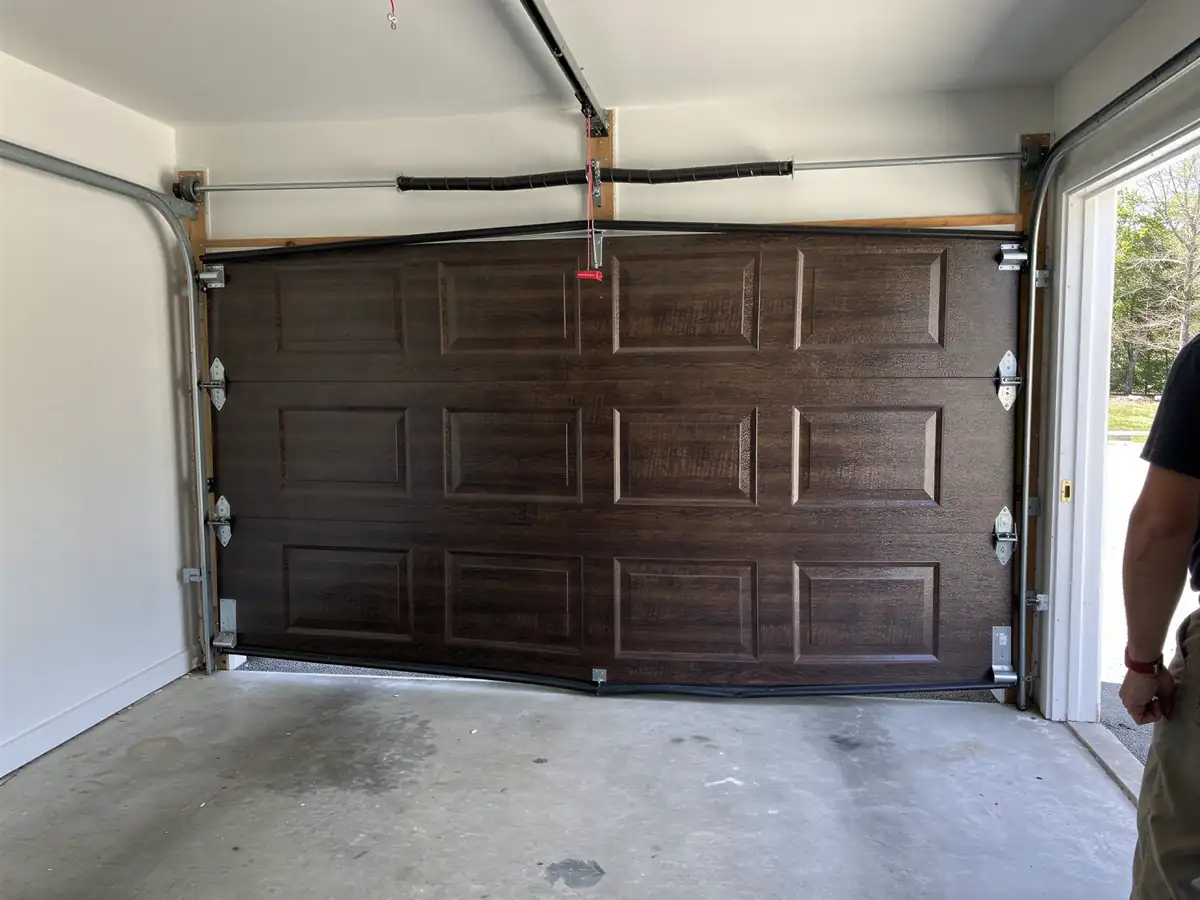
A door installed when the house went up is now pushing thirty years on its springs and rollers, which is past what any torsion spring is rated to cycle through. When a homeowner calls about a "new door," half the time the real job is replacing worn-out hardware behind a door that still looks fine from the driveway. We measure the opening and check the jamb condition before quoting anything, because a header that's sagged an inch over three decades changes what fits.
Climate here runs mild with occasional freeze
Which doesn't demand heavy insulation the way a harder winter would, but it does mean steel can pit at the bottom panel where moisture sits after a freeze-thaw cycle. We flag that during measurement rather than after install.
Getting It Booked In
We don't keep a crew or a truck stationed in Troy - the job comes out of our Temple location, about 8 miles away. That means booking an install here is a dedicated trip, not something we fold into a route that's already passing through. We'll ask for the opening dimensions and a couple of photos up front so the door and track hardware are already matched before the truck leaves Temple, which saves a second visit for a wrong-size panel.
We don't advertise a response time for Troy specifically, and we won't invent one. What we can tell you is that the scheduling works the same way whether you're in Troy or anywhere else we cover: you call, we confirm the opening size and door style, and we set a day that works for both sides. If you want the broader rundown on scheduling and what a visit from Temple looks like, that's covered on our general Troy service page.
Parts We Carry
Given that most Troy homes were built around 1994, the openings we're matching against are almost always the standard 16-by-7 double or 9-by-7 single, run on torsion springs mounted above the opening rather than the older side-mounted extension setup. That's the sizing we stock toward for this part of the service area - steel sectional panels, insulated and non-insulated, torsion springs rated to match a door of that weight and width, and standard-drive chain or belt openers sized for a header that height.
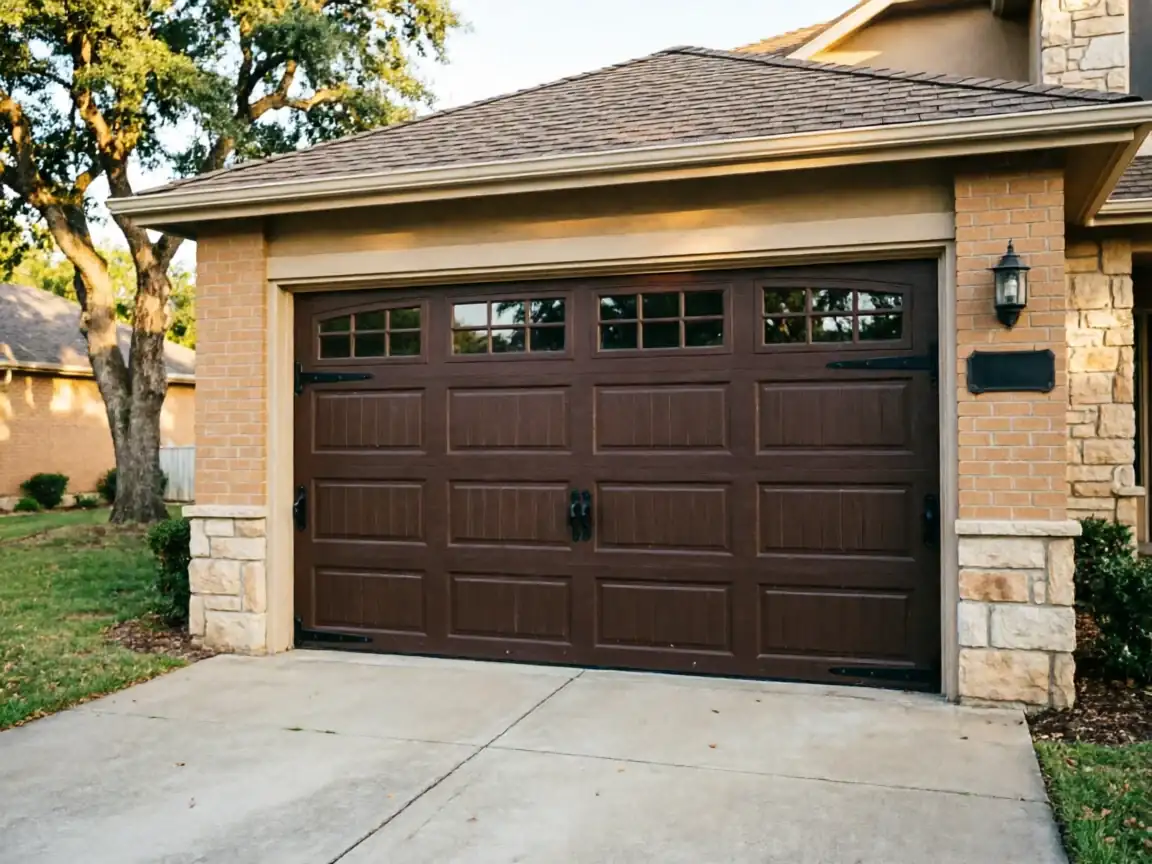
What we don't carry on the truck is anything custom - carriage-style wood doors, oversized openings, or odd legacy track widths from houses built well outside that 1994 window. If your opening doesn't match the common sizing for this area, we'll still quote it, but it may mean a special order rather than a same-visit swap. That's a real limitation worth knowing before you book, not something we gloss over on the call.
Why This Fails Locally
The mistake we see most with new installs in Troy is a door ordered off a national size chart instead of the actual opening
Because the housing here runs newer than a lot of the surrounding area - 1994 versus an area-wide median of 1991 - some installers assume the hardware is more modern than it is and skip checking the spring cycle rating against the door's actual weight. That mismatch shows up a year or two later as a spring that fails early, not as a problem on install day.
The other failure point is income and expectation mismatch
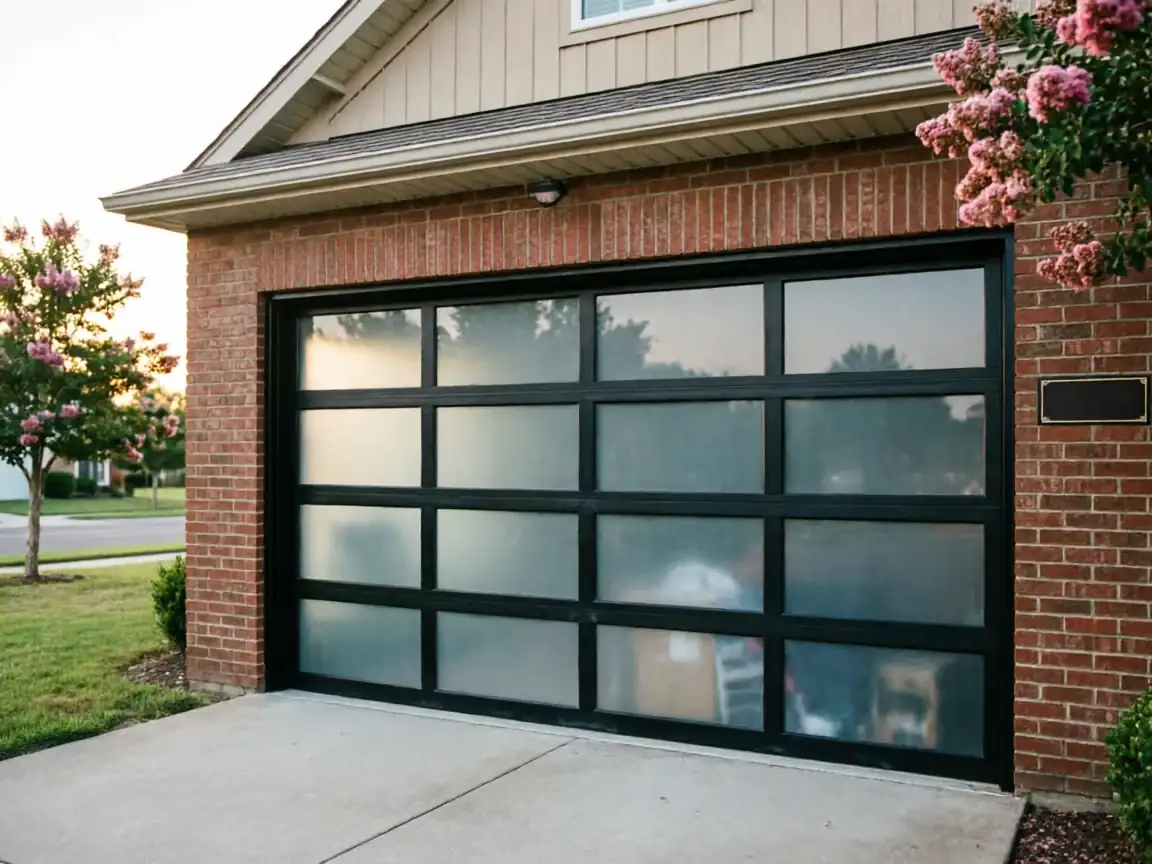
Which sounds odd but plays out in real quotes. Median household income in Troy runs to $81,193, noticeably higher than much of the rest of the service area, and that pushes more owners toward insulated steel doors over bare panel. A shop that quotes the cheapest standard panel because that's what moves fastest elsewhere in the territory isn't quoting what most Troy homeowners actually want installed.
Doing It Yourself
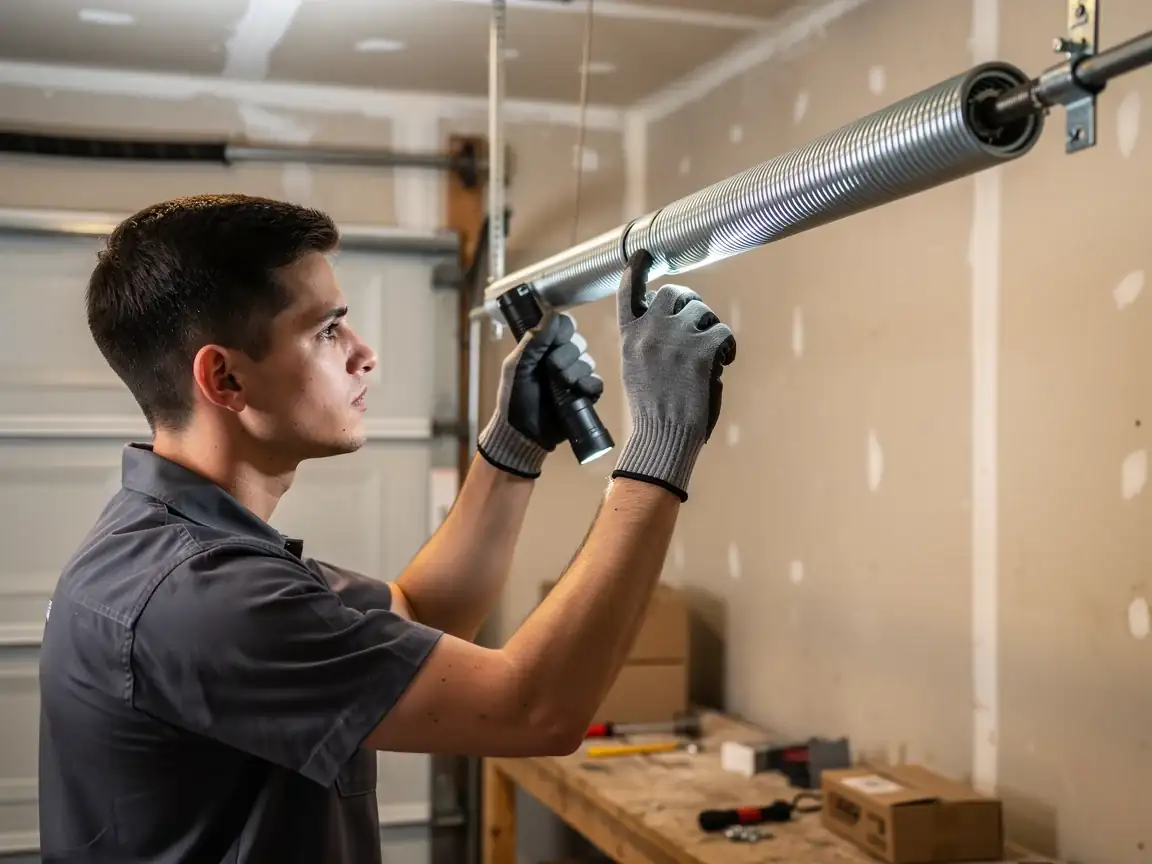
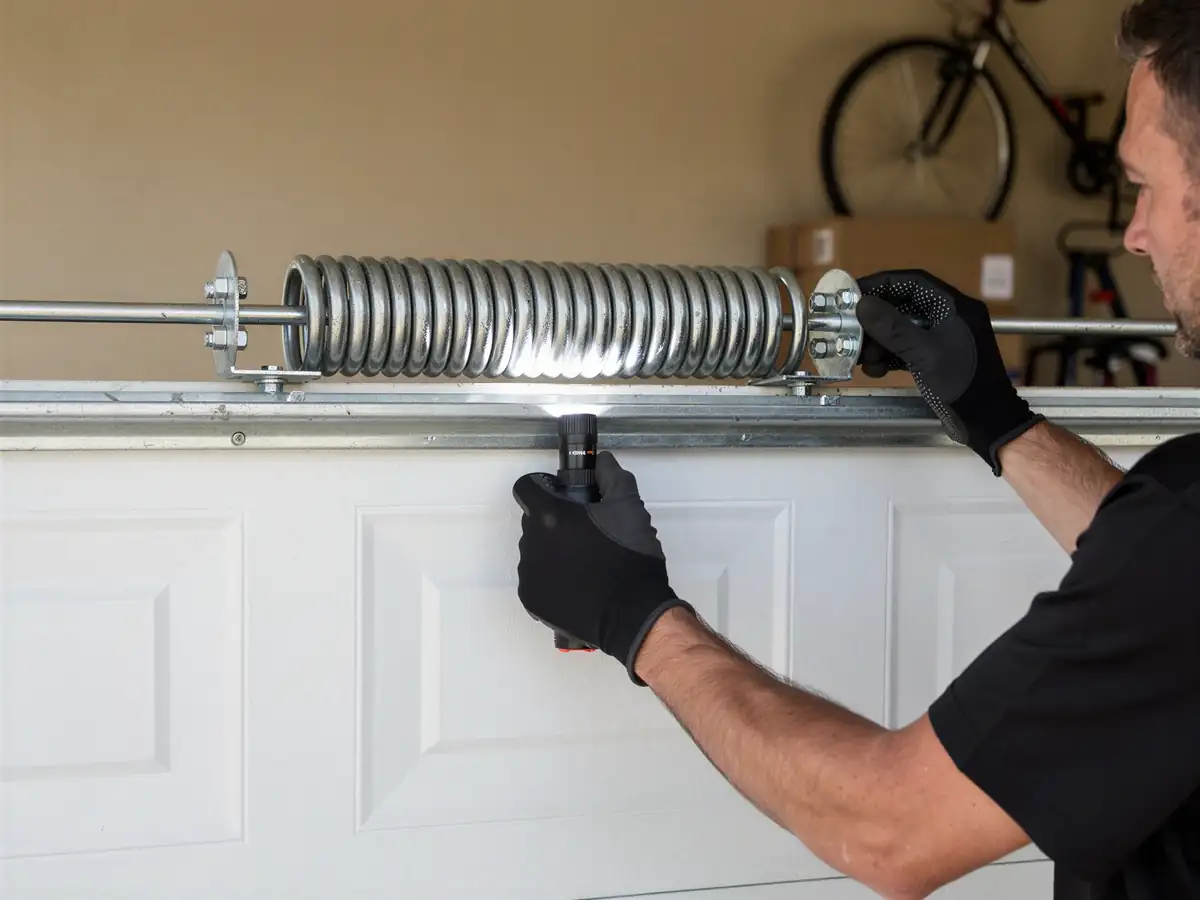
Swapping door panels or weatherstripping yourself on a door this size is reasonable if you're comfortable on a ladder and the door is already off its springs. What isn't reasonable, and what we won't talk anyone into trying, is handling the torsion spring system on a 16-by-7 double door alone. A spring at that size stores enough tension to cause a serious injury if it's wound or released wrong, and there's no shortcut that makes that safer solo.
The other honest limit: if your opener and track date back to the original 1994 install and you're only replacing the door panel, matching the new door's weight to the old spring's rating takes a real measurement, not a guess off the box label. Get that wrong and you'll be back to a spring replacement within a year regardless of how new the door looks.