The Complications
Troy sits eight miles out from our shop in Temple
And that drive shapes how a call here actually runs. It's not a same-block job - when we quote a window, we're building in the eight miles both ways, plus whatever's already on the truck's route that day. That means we batch Troy calls when we can and we're upfront if a same-day slot isn't realistic for a non-emergency.
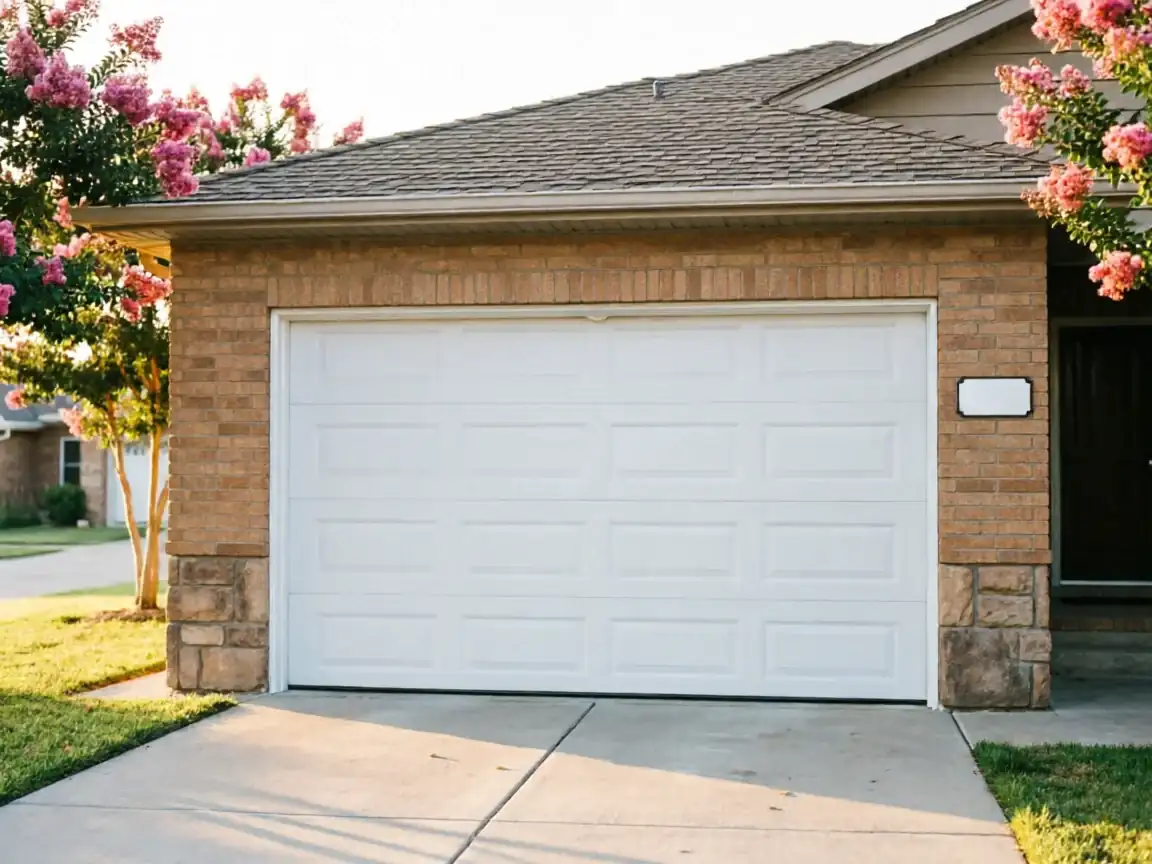
The houses here mostly went up in the early-to-mid 1990s
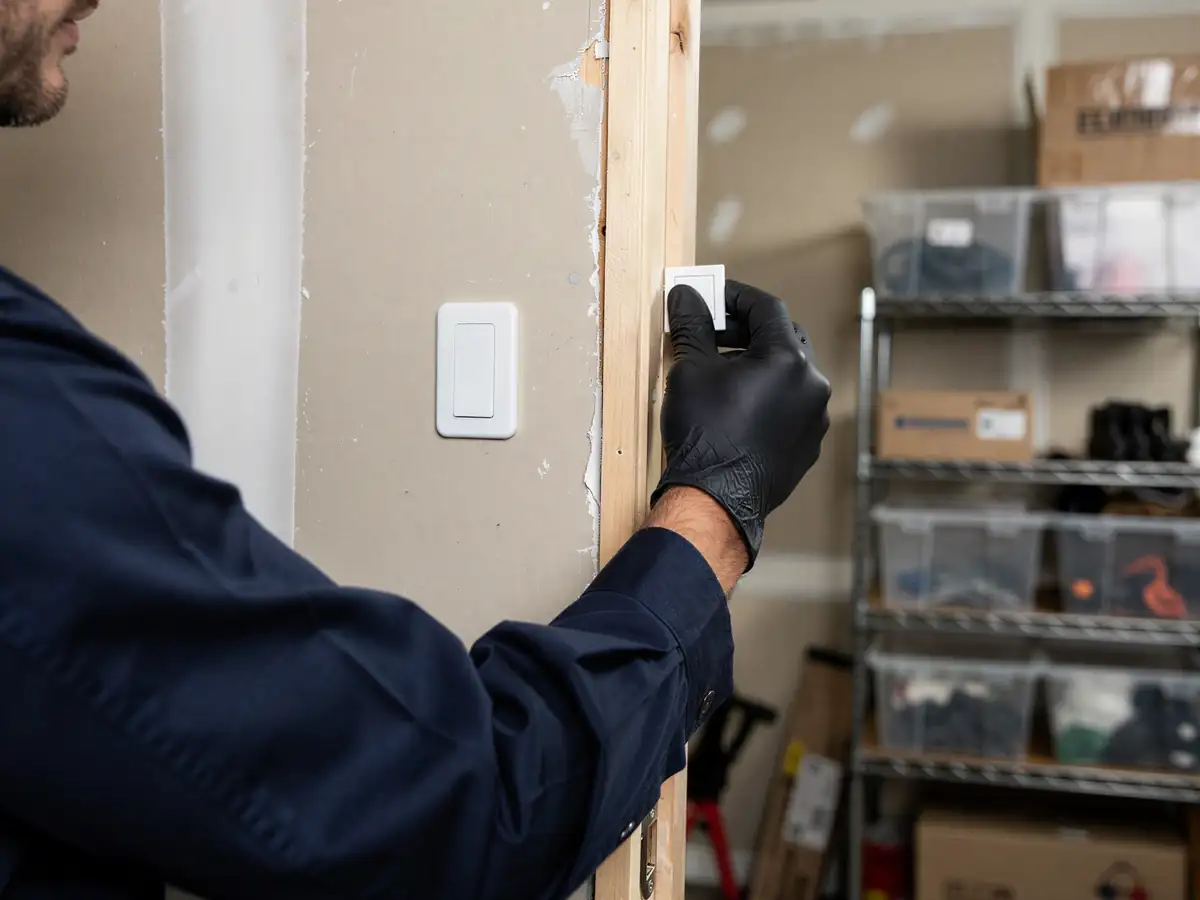
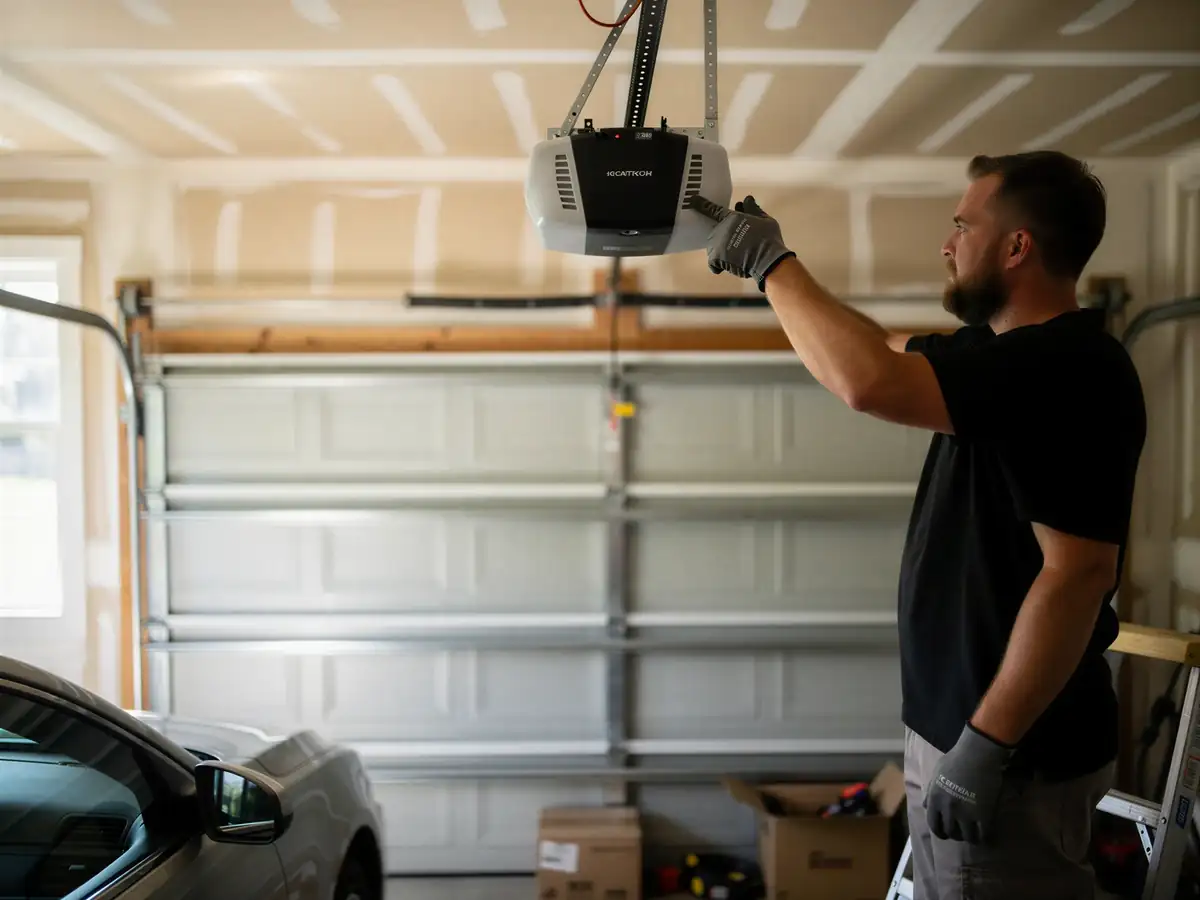
With a median build year right around 1994 - a touch newer than the broader service area's 1991 median, but running the same chain-drive and belt-drive openers from that era, usually on steel rail with a logic board that's been swapped once or twice already by whoever owned the house before. Circuit boards from that generation fail in specific ways: the learn button sticks, the wall console stops talking to the head unit, or the capacitor on the board just gives out from age, not use.
We're not dealing with smart-home integration failures here as much as we are straight electro-mechanical wear
A safety sensor knocked out of alignment, a drive gear stripped down to plastic dust, a logic board that's simply outlived its parts.
Getting It Booked In
Because every Troy call starts with that eight-mile drive, we ask a few more questions up front than we would for a job five minutes from the shop - brand, approximate age, what the door does and doesn't do when you hit the button. That lets the tech load the right board, sensor pair, or belt section onto the truck before he leaves Temple, instead of diagnosing on-site and driving back for a part.
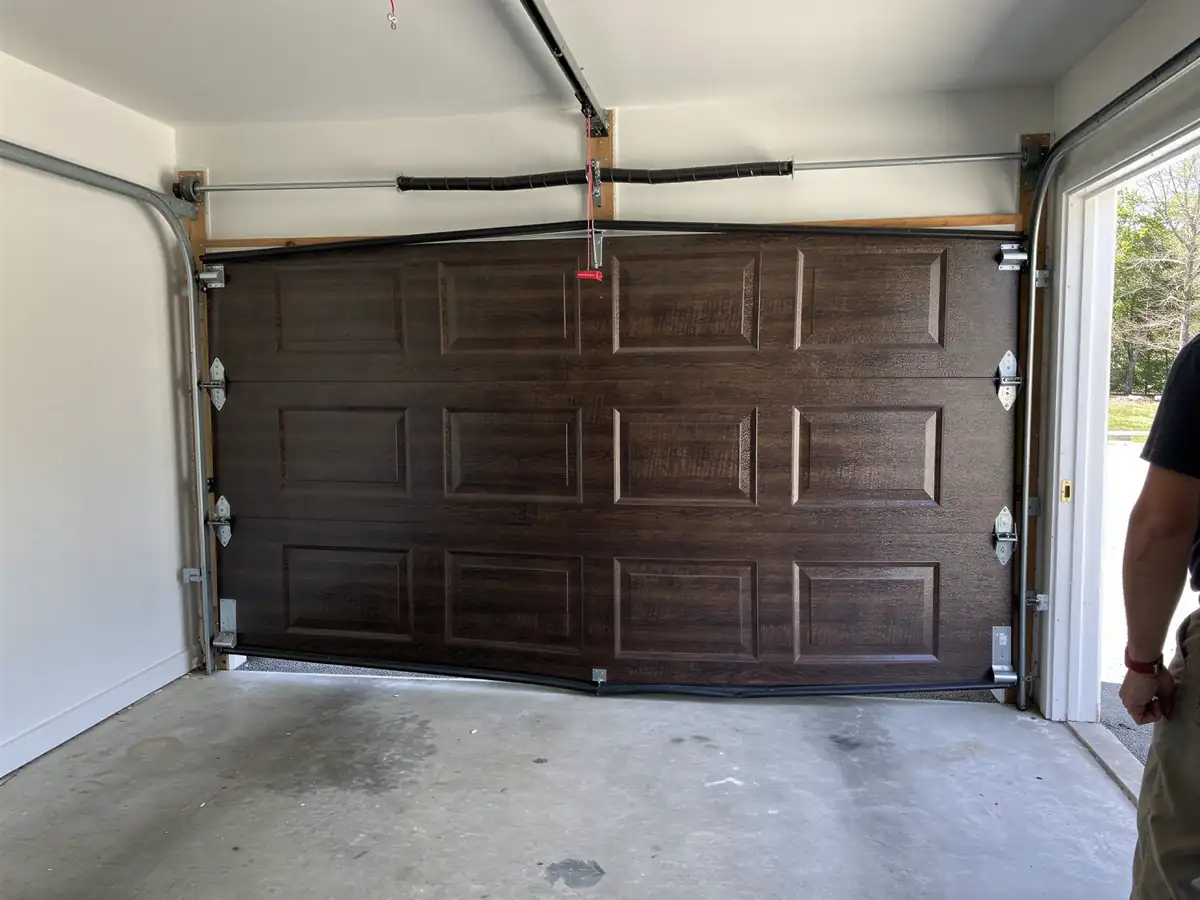
If your opener is dead and the door's stuck down, tell us that when you call - a door that won't open by hand either is a different problem than an opener that just quit. If the door moves fine on manual release, the opener repair can usually wait for a scheduled slot rather than needing an emergency run out.
We don't advertise a fixed response window for Troy specifically, since it depends on where else the truck is routed that day. What we can do is give you a realistic time when you call, not a guess.
Parts We Carry
For the 1990s-era openers common in Troy, we stock the parts that actually fail: drive gears and sprockets for chain units, belt sections for belt-drive heads, safety sensor pairs, wall consoles, and logic boards sized to the common residential models from that build period. Capacitors and circuit boards are the most frequent failure on a unit this age - not the motor itself, which tends to outlast the electronics around it.
What we don't carry on the truck is anything proprietary to a smart-opener app system or a model discontinued long enough that the manufacturer's stopped making replacement boards. If your opener falls into that category, we'll tell you straight that repair isn't the move and a new head unit is the better money.
Why This Fails Locally
A chain or belt opener built for a house from the early 1990s wasn't engineered with today's insulated doors in mind
And when a Troy homeowner upgrades to a heavier door without upgrading the opener's drive strength, the gear or belt takes the extra load and wears out early. That's the single most common failure pattern we see on this side of the service area.
The mild, occasional-freeze climate here doesn't put the same stress on openers that true freeze country does
So we're not chasing temperature-related failures the way a shop up north would be. What we are chasing is straight age - a board or sensor pair that's simply run its course after two to three decades of daily cycles, which tracks with that 1994 median build year.
Doing It Yourself
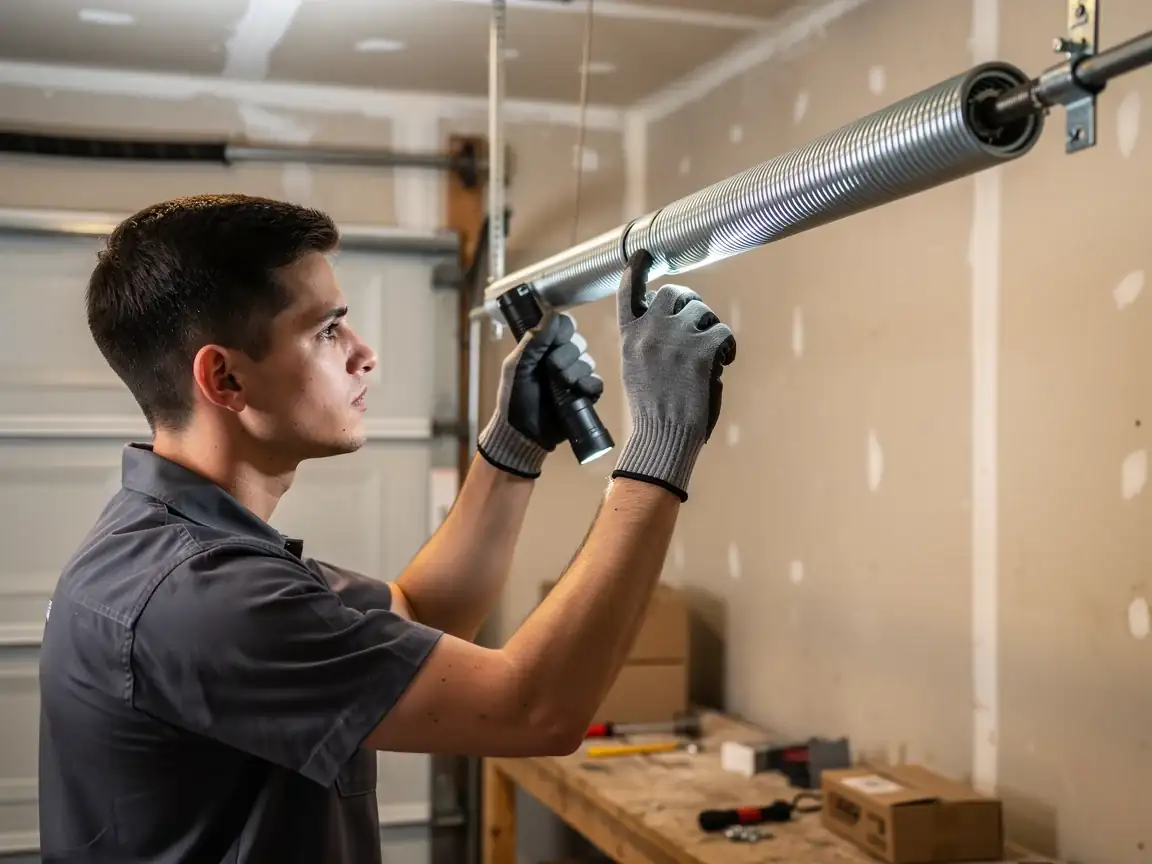
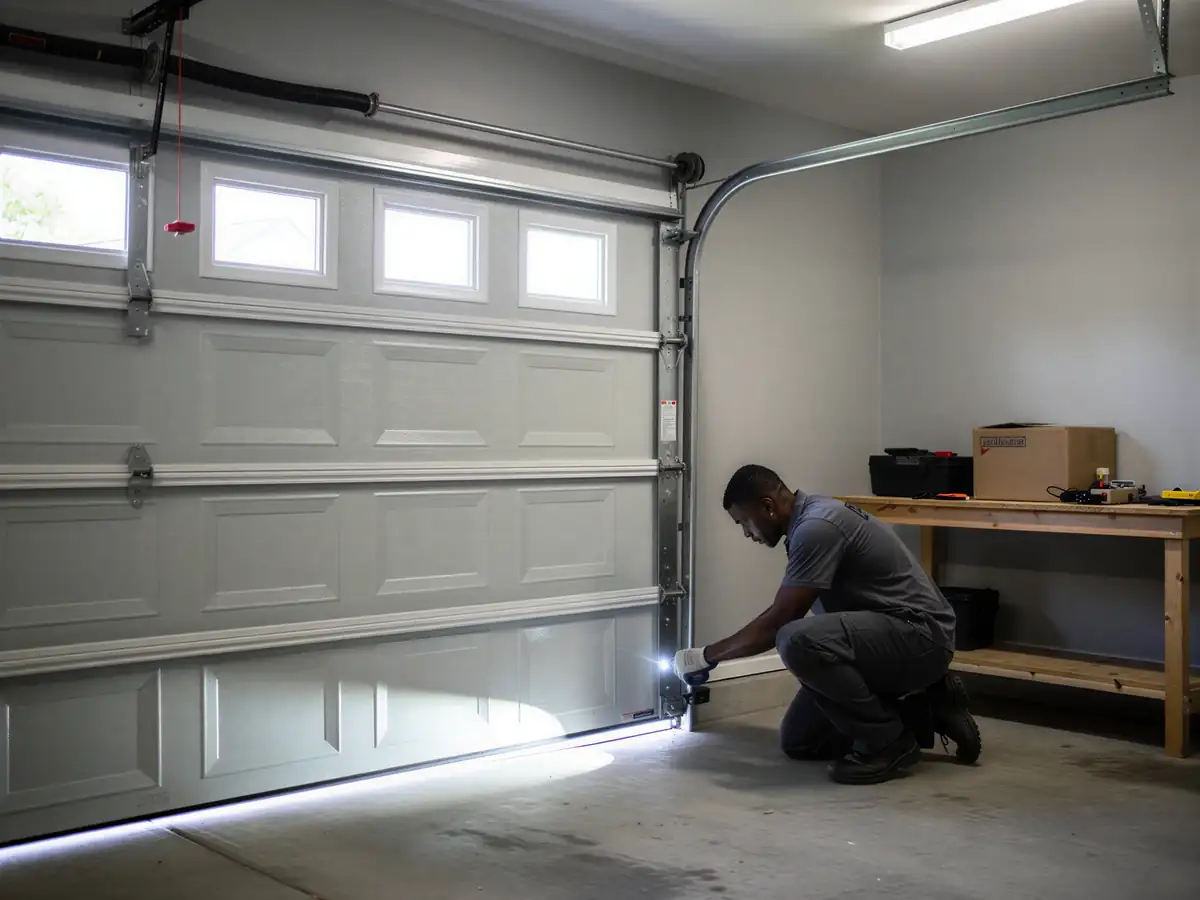
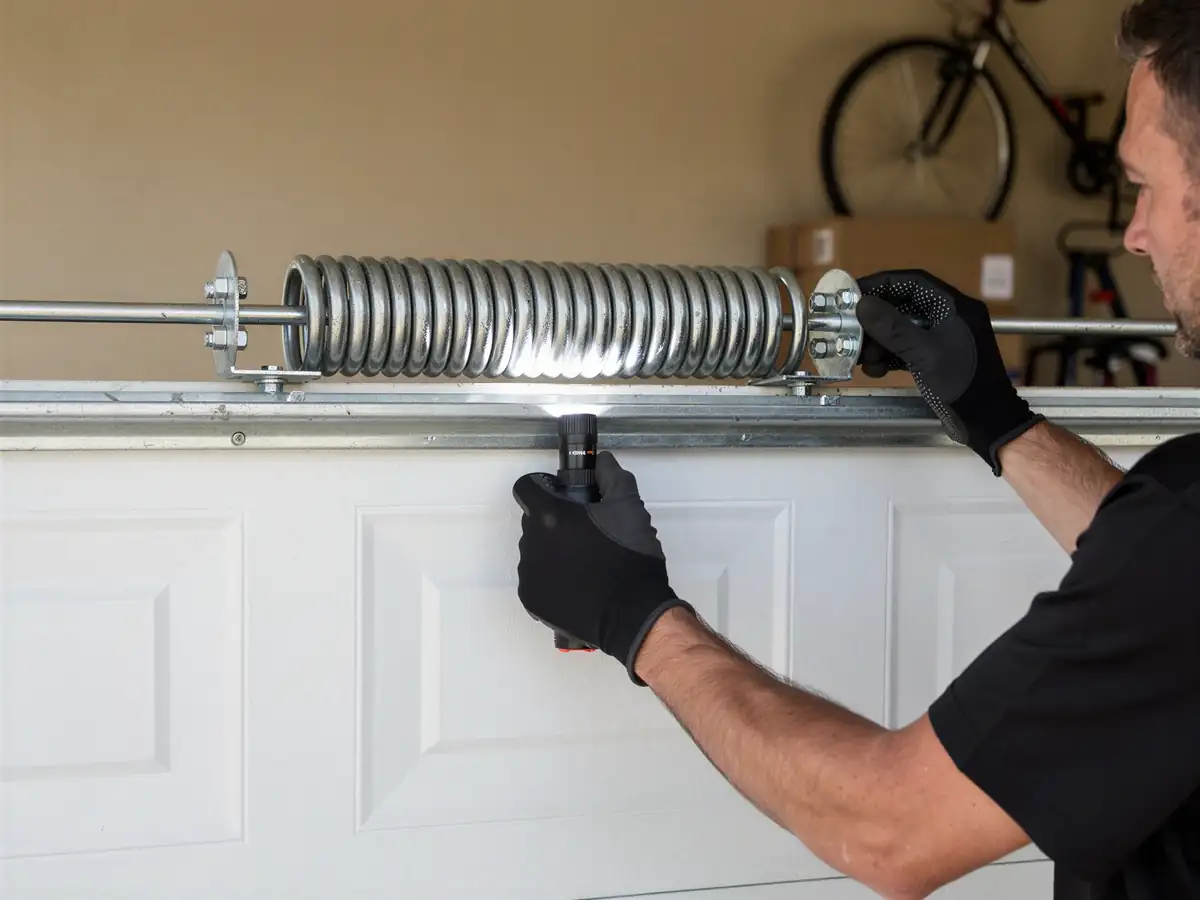
A few things are worth checking before you call anyone. If the opener runs but the door won't move, check the manual release cord hasn't been pulled - a disengaged carriage looks exactly like a dead opener. If the safety sensors have a blinking light instead of solid, one's out of alignment or has something blocking the beam; a flashlight and five minutes of looking usually finds it.
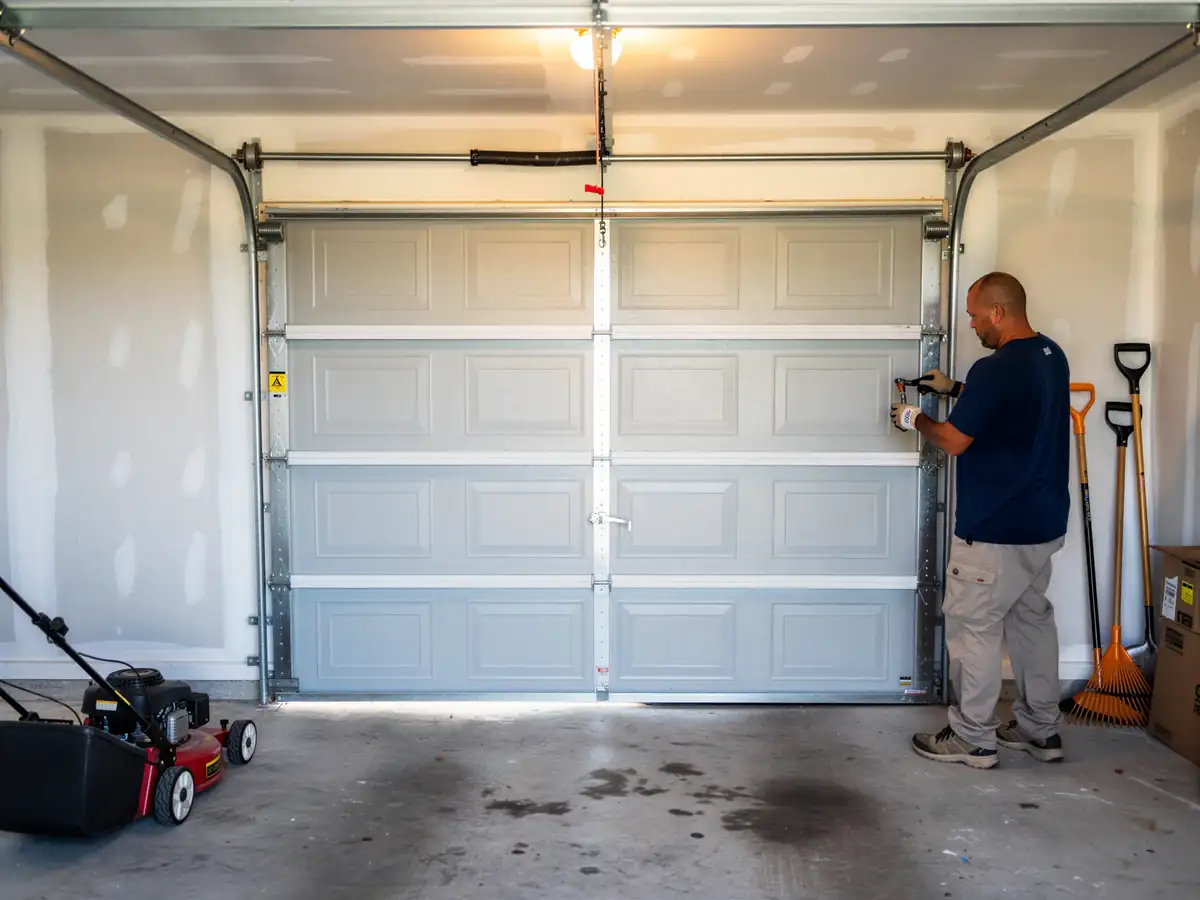
What we don't recommend doing yourself: opening the logic board housing to swap a capacitor, or replacing a belt under tension without releasing the opener first. Those are the two ways people turn a repair call into a replacement call. If the opener's original to a house built in the early '90s, it's old enough that a failed board is often the end of its service life rather than a quick fix - worth knowing before you spend money chasing a part that's one failure away from the next one.